Who to Call When Your House Is Flooded in Thailand
October 02, 2026 09:25 AM
Last edited: October 02, 2026
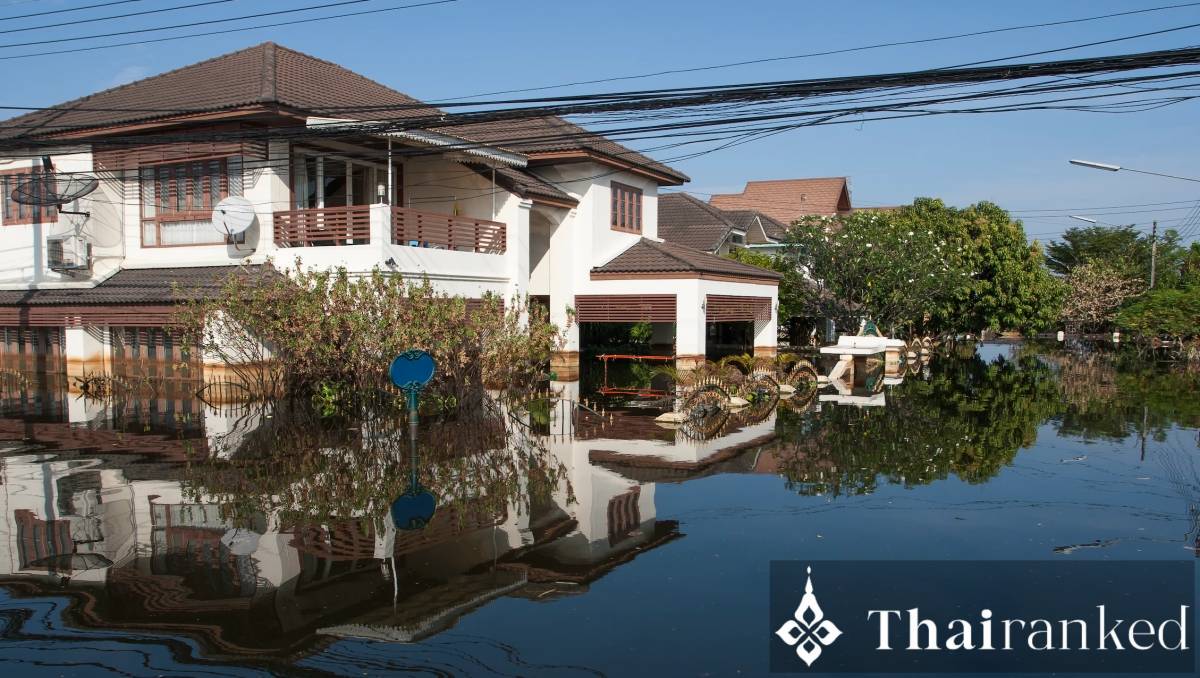

by Thairanked Guide
Thairanked helps you discover great places in Thailand!
Search Hotels & Flights




You face a flood at home in Thailand. This guide lists clear emergency phone numbers, the information to give, and the actions to take during a flood and after the water recedes.
Important emergency phone numbers
- 1784: DDPM Emergency Hotline, Department of Disaster Prevention and Mitigation. Use this 24-hour line to report floods and request urgent help.
- 191: Police emergency number for crimes, urgent rescues, and public-safety incidents.
- 1669: Emergency medical services for injuries and urgent medical transport.
- 1155: Tourist Police, with English-speaking staff available for foreigners and tourists.
Who to call first
You decide based on immediate danger. You call 1669 if anyone suffers an injury or shows signs of shock. You call 191 if the flooding creates a dangerous situation that requires police support, for example if roads close or if you need a coordinated rescue. You call 1784 to report the flood and request government assistance. You call 1155 when you need English support or help that suits tourists and short-term visitors.
Exactly what to say on a call to 1784
You speak clearly and give short facts. Emergency operators handle many calls, you make theirs efficient by preparing this checklist:
- Your location, with a clear street address and district, and a nearby landmark if the address feels unclear.
- Number of people in the household, and whether anyone needs immediate medical help.
- Whether you or anyone has mobility issues or requires special assistance.
- Whether the building risks collapse, or whether electricity or gas remains on.
- Any damage to important infrastructure, such as a broken bridge or blocked road near your house.
You keep sentences short and call back if water rises or conditions change.
Immediate actions for safety (first 30 minutes)
You prioritize people, then pets, then property. Follow these steps in order:
- Move people to higher ground, such as an upper floor or a nearby shelter. You take children and older adults first.
- Turn off main electricity and gas if you can do so safely. You switch off the circuit breaker and the gas valve, but you do not step into water to reach switches.
- Avoid walking through floodwater. You treat standing water as contaminated and dangerous. You use a stick to check depth if you must cross a shallow area.
- Gather documents and valuables, such as passports, ID cards, insurance papers, and medication, then place them in a waterproof bag or a sealed plastic container.
- Call the emergency numbers, starting with 1669 for injuries, 191 for police assistance, or 1784 to report the flood and request government support. You call 1155 for tourist-focused help in English.
Language tips for non-Thai speakers
You keep phrases short when you speak Thai to local responders. Use these phrases and pronunciations:
- "บ้านของฉันถูกน้ำท่วม" (baan khong chan thook nam tuam), My house is flooded.
- "มีคนต้องการความช่วยเหลือ" (mee kon tong kan khwam chuay luea), Someone needs help.
- "ไฟฟ้ายังเปิดอยู่" (fai fa yang bpert yoo), The electricity is still on.
- "ช่วยด้วย" (chuay duay), Help.
You contact the Tourist Police at 1155 when you prefer English. You ask the operator to patch you through to translators if you cannot reach someone who understands your language.
Reporting damage and documentation for insurance
You document everything before cleanup begins. Insurance companies require detailed records. Follow this rule: photograph, then move items. Use these steps:
- Take wide photos showing the room and water level, then close-ups of damaged items.
- Record short videos while narrating what each clip shows, such as water entering through a window or a submerged appliance.
- Write a simple inventory listing damaged items with approximate purchase year and value if you know it, and keep receipts when available.
- File a police report for major losses. You call 191 and ask for guidance on where to get a local report, because insurers often require a police document for claims.
- Contact your insurer and send photos, videos, and the police report. You ask about temporary accommodation coverage and emergency repair allowances.
After the water recedes, the first 24–72 hours
You inspect the property only when authorities confirm it is safe. You follow these actions:
- Keep power off until an electrician checks wiring. You do not plug in appliances that soaked in water.
- Remove wet materials such as soaked mattresses and cushions, because they breed mold fast. You place them outdoors in sunlight when possible.
- Dry documents by placing them between absorbent paper and changing the paper every few hours. You scan or photograph every important document before drying it.
- Boil water before drinking, or use bottled water. You avoid tap water until local authorities declare it safe.
- Watch for health symptoms, such as fever, rash, vomiting, or diarrhea, and call 1669 or visit a clinic if symptoms appear.
Salvaging electronics and appliances
You prioritize safety first. You follow these steps for electronics:
- Do not switch on any appliance that soaked in water. You disconnect the unit and wait for an electrician to inspect it.
- Remove batteries from devices if safe to do so, then dry the battery compartment with a soft cloth.
- Dry phones and laptops by removing SIM cards and memory cards, then placing devices in a dry container with silica gel packets or uncooked rice to absorb moisture.
Health risks and sanitation
You treat floodwater as contaminated with sewage, chemicals, and debris. You follow these rules to protect your health:
- Avoid contact between open wounds and floodwater. You cover cuts with waterproof dressings.
- Use protective gear such as gloves and rubber boots when you clean up.
- Wash hands with soap and bottled or boiled water after contact with floodwater.
- Dispose of food that soaked in floodwater, and toss medicines that got wet unless a pharmacist tells you otherwise.
Where to find extra help
You contact local government offices and community groups for support. You also try these options:
- Local municipality office, which may run evacuation centers and supply relief items.
- Department of Disaster Prevention and Mitigation, which operates 1784 and coordinates larger-scale relief.
- Tourist Police at 1155, when you need English assistance and help with temporary accommodation or lost travel documents.
- Thai Red Cross, which runs relief operations and blood donation services in many provinces.
You read more about safety and travel resilience in our post Thailand Boosts Tourism Safety: What Travelers Need to Know. You also check practical survival tips in Is Thailand Safe for Solo Travelers? What You Need to Know, and you review documentation advice in Thailand Immigration Hacks & New Rules for 2026 if your stay involves visas or residency issues.
Practical supplies to keep on hand
You prepare these items for the next flood or for travel within Thailand:
- Waterproof bag or dry sacks for passports and documents.
- Portable battery power bank and spare phone charger.
- Headlamp or flashlight with extra batteries.
- First-aid kit, essential medications for household members, and insect repellent.
- Gas stove and fuel for cooking if electricity fails, and a manual can opener.
- Small tool kit, heavy-duty garbage bags, and absorbent towels.
When to contact your embassy or consulate
You contact your embassy if you lose travel documents, need emergency evacuation, or require legal help. Embassy staff can advise on temporary passports and contact lists for local lawyers or medical services. You should register emergencies with your embassy; embassy staff can help coordinate after major disasters.
Final checklist for the first week
- Call 1784 to report the flood and ask about local shelters.
- Make a police report via 191 if you need a document for insurance claims.
- Contact your insurer and upload photos, videos, and receipts.
- Keep power off until a qualified electrician inspects wiring.
- Clean, dry, and document all salvageable items, and discard items that pose a health risk.
- Seek medical attention for any signs of infection or health decline.
Key takeaways
- Dial 1784 to report a flood and request government relief.
- Use 191 for police emergencies, 1669 for medical emergencies, and 1155 for English-speaking Tourist Police help.
- Prioritize people and safety, then document damage with photos and videos for insurance.
- Keep power off until an electrician declares it safe, and treat floodwater as contaminated.
Search Hotels & Flights
Related Insights

Discover why Thai meals feature shared dishes, the social and culinary logic behind family-style dining, etiquette tips, and must-try dishes.
Learn how expats can tackle mold and humidity issues in Thai condos, from prevention and cleaning to local solutions and expert tips for rainy season living.
Discover the advantages and challenges of visiting Thailand in May. Includes weather tips, crowd insights, and best activities for this unique month.
Explore the viral “Thank You Thailand” trend, its emotional roots, and how tourists share deep gratitude for Thai culture, food, and welcoming spirit.

Don’t get caught thirsty! From the expected General Election bans to the 5 major Buddhist holidays, here is the complete calendar of "Dry Days" in Thailand for 2026.
What people ask about
"Who to Call When Your House Is Flooded in Thailand"
Here you will find answers to the most popular questions about Thailand.
 Chat with us