Thai Condo Guide: Defeating Mold and Humidity
April 30, 2026 04:56 AM
Last edited: April 30, 2026

by Thairanked Guide
Thairanked helps you discover great places in Thailand!
Search Hotels & Flights




Understanding Mold and Humidity in Thai Condos
Tropical Thailand offers year-round warmth and a world-class lifestyle, but expats soon run into a common foe: humidity—and the mold that comes with it. From May to October, the rainy season turns condos into moisture traps, and even the cleanest rooms can develop a musty smell or those dreaded black spots on ceilings and walls. Addressing humidity and mold isn’t optional, it’s a daily part of condo living in Thailand.
Why Do Thai Condos Get Moldy?
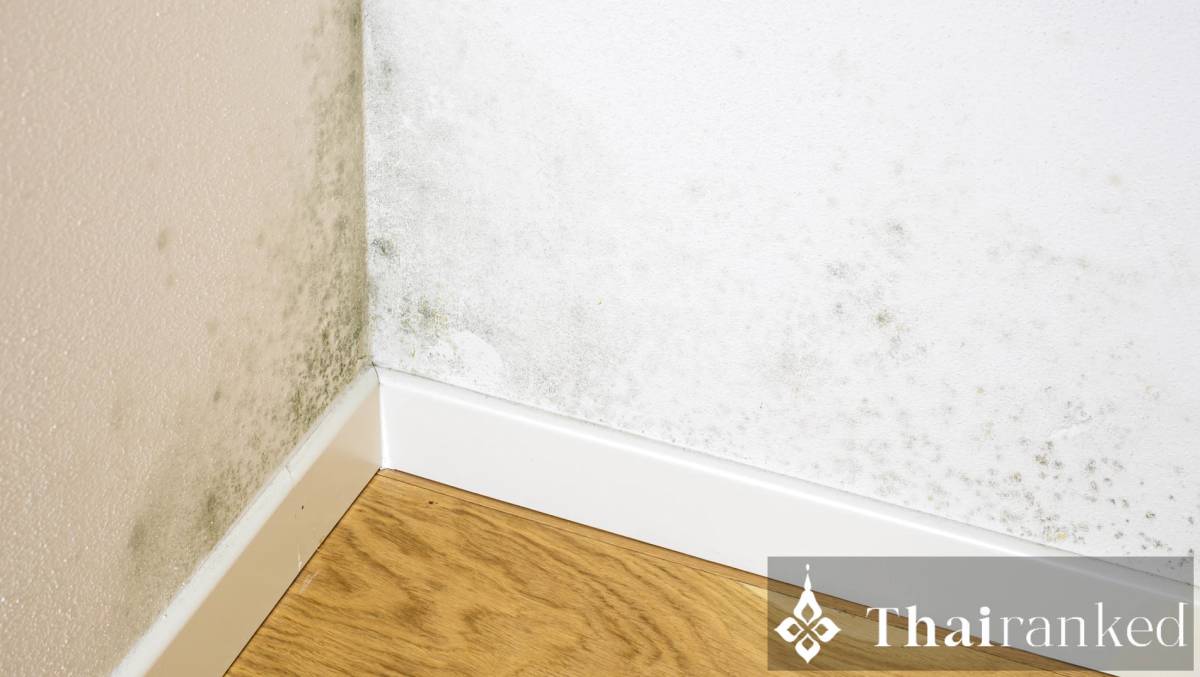
Bangkok, Chiang Mai, and Phuket all share a humid climate. High humidity, poor ventilation, and air-con cooling help mold to thrive, especially in sealed apartments. Mold needs three things: moisture, warmth, and organic material like dust, fabric, or wood. Condo layouts often limit airflow, and wet weather brings water in through open windows, balcony doors, and poorly sealed fittings.
The Key Signs You Have a Mold or Humidity Problem
If you notice any of these, take action right away:
- Persistent musty or earthy smells when you enter a room
- Dark or green spots on walls, ceilings, wardrobes, or behind appliances
- Condensation on windows or glass doors, especially after air-con use
- Peeling paint or wallpaper, or bubbling on the walls (a classic marker of trapped moisture)
- Feeling clammy or sticky surfaces, especially on beds or cupboards
How to Prevent Mold and Reduce Humidity in Your Condo
1. Ventilation Comes First
Humidity builds fast in closed spaces. Open windows every day—even during short dry spells—so fresh air can circulate. Keep internal doors open when home. Use kitchen and bathroom fans during cooking or after showers. Regular airflow is your best defense.
2. Use Air Conditioning Smartly
Air conditioners dry and cool the air, but they also cause condensation. Don’t leave them on all day at the lowest setting. Instead, run ACs with “dry” or “dehumidify” mode if available, especially after heavy rain or cooking. Clean AC filters every month to prevent dust and mold build-up inside the unit.
3. Invest in a Dehumidifier
Condos without cross-ventilation benefit from a dehumidifier. Store-bought units (including small rechargeable ones) cut indoor humidity dramatically. Set the target at 50–60% relative humidity. Place near beds, wardrobes, and windows. Many expats see dehumidifiers pay for themselves in one season.
4. Dry Clothes Responsibly
Skip indoor drying racks. Whenever possible, use a communal laundry room with dryers, or hang clothes on the balcony under an awning or roof. Wet laundry feeds spores and raises humidity throughout the entire room.
5. Watch Out for Leaks and Drips
Check pipes under kitchen and bathroom sinks for leaks. Look for stained ceilings or walls, especially near air-con units and windows. Alert your landlord or building management to plumbing or building leaks—it saves everyone hassle and money in the long run.
How to Remove Mold in Your Thai Condo
Already seeing spots, stains, or fuzzy growths? Don’t panic. Start the clean-up fast, before mold digs into surfaces.
- Wear a mask and gloves. Mold spores and some cleaning fluids are rough on your lungs and skin.
- Remove soft furnishings. Take sheets, curtains, and clothes straight to the laundry. Sun-dry them on the balcony.
- Scrub hard surfaces. Use a mix of warm water and detergent, or white vinegar. For stubborn mold, use a cleaning solution labeled for mold removal (available in Thai supermarkets as "น้ำยากันเชื้อรา"). Never mix bleach with other products—this creates toxic fumes.
- Dry the area fully. Wipe everything down and open windows or run fans to speed up drying. Don’t leave damp materials lying around.
- Clean regularly. Mold returns fast in Thailand, so wipe down surfaces weekly and clean hidden corners often.
Choosing the Right Cleaning Products
You’ll find three types of products for tackling mold and mildew in Thai stores:
- Bleach ("น้ำยาฟอกขาว"). Use for tough patches on tile, bathroom walls, or grout. Always rinse well after treating.
- White vinegar. Safe for most painted walls and wood. Works well on rubber window seals and plastic.
- Commercial anti-mold sprays. Look for products with antifungal ingredients (“น้ำยากันเชื้อรา”). Ask at HomePro, Big C, or Lotus’s.
Strong chemical odors linger. Ventilate after cleaning, and store chemicals out of reach from kids or pets.
Best Practices for Condo Design and Furniture
Keep storage to a minimum. Avoid wall-to-wall wardrobes or beds flush against outer walls—these trap damp air. If you buy new furniture, pick plastic, metal, or sealed wood over raw wood and fabric. For surfaces prone to mildew, place silica gel packs or moisture-absorbing crystals (“ถุงกันชื้น” in supermarkets) in drawers, shoe racks, and closets.
When to Get Professional Help
Mold spreads fast in Thailand’s rainy season. If you spot mold covering an entire wall, affecting the AC, or making you cough or sneeze frequently indoors, call a condo or professional cleaning service. Some condos have preferred vendors for deep cleaning and repairs.
Persistent humidity or leaks often require property management or contractors to fix. Don’t tackle serious water damage or hidden black mold on your own—these jobs call for trained crews with protective gear.
Managing Allergies and Health Risks
Living with mold increases allergy, asthma, or sinus symptoms. Always run air purifiers if you have health concerns. Close windows during red dust or high pollution periods and monitor air quality with a good app. Learn more about safe places to escape bad air in our guide on the cleanest air destinations in Thailand.
Mold and Humidity Tips for Expats with Pets
Humidity affects pets, too. Mold spores can harm cats, dogs, and other animals. Bathe pets after walks during rainy spells, and keep their bedding washed and dry. Learn about Bangkok’s new microchip laws and responsible pet care in our pet regulations guide and read how to adopt pets in Thailand if you’re new to pet ownership.
Local Lifehacks Only Expats Know
- Sun kills mold fast. When the rain stops, prop mattresses, rugs, and cushions outside for a few hours.
- Buy charcoal pouches at local markets and place them in shoe racks and wardrobes—they absorb moisture and keep musty odors away.
- Grocery stores sell small electric moisture-removers, ideal for wardrobes or bathrooms.
- If you travel away for a week or more, keep the AC on fan or dry mode at set times each day to prevent mold explosions on your return.
Want more ways to make the most of the rainy season? Explore tips in our rainy and dry weekend survival guide.
Key takeaways
- Ventilation and humidity control matter more in Thailand than almost anywhere
- Tackle mold immediately with the right products and techniques
- Store-bought dehumidifiers and local lifehacks prevent most outbreaks
- Contact building management fast for major leaks or infestations
- Protect pets and health with regular cleaning and monitoring
- Knowledge of local tools and materials makes expat condo living easier
Search Hotels & Flights
Related Insights
Learn how 7-Eleven stamps work in Thailand, how to collect and redeem M-Stamps, and what foreigners need to know about eligibility and promotions.

Step-by-step advice for dealing with taxi problems in Thailand, from refusing meters to scams, reporting complaints, and staying safe during and after a ride.

Learn how Thailand’s Tambon, Amphoe, and Province system works and how local government is organized across the country.

Discover the advantages and challenges of visiting Thailand in May. Includes weather tips, crowd insights, and best activities for this unique month.

Explore the viral “Thank You Thailand” trend, its emotional roots, and how tourists share deep gratitude for Thai culture, food, and welcoming spirit.
What people ask about
"Thai Condo Guide: Defeating Mold and Humidity"
Here you will find answers to the most popular questions about Thailand.