7 Réinitialisations de Budget pour les Expats en Thaïlande en 2026 : Factures, Banques et Échanges d'Économies
January 04, 2026 03:33 AM
Réduisez votre coût de la vie en Thaïlande en 2026. Sept ajustements budgétaires pratiques pour les expatriés, des forfaits mobiles et de la banque aux transports, services publics, marchés et abonnements.


by Thairanked Guide
Thairanked helps you discover great places in Thailand!
Table des matières
1. Passez à un plan mobile plus intelligent ou à une eSIM
2. Corrigez votre infrastructure bancaire et éliminez les frais
3. Repensez votre loyer : emplacement, bail et inclusions
4. Réduisez les déchets liés à l'internet à domicile et aux services publics
5. Déplacez-vous plus intelligemment avec des choix multimodaux
6. Manger comme un local : marchés, produits de base en vrac et recharges d'eau
7. Audit des abonnements, des assurances et des extras de style de vie
Rechercher hôtels & vols
Vous pourriez aimer










Table des matières
1. Passez à un plan mobile plus intelligent ou à une eSIM
2. Corrigez votre infrastructure bancaire et éliminez les frais
3. Repensez votre loyer : emplacement, bail et inclusions
4. Réduisez les déchets liés à l'internet à domicile et aux services publics
5. Déplacez-vous plus intelligemment avec des choix multimodaux
6. Manger comme un local : marchés, produits de base en vrac et recharges d'eau
7. Audit des abonnements, des assurances et des extras de style de vie
Nouvelle année, nouveau budget. Si vous vivez en Thaïlande à long terme, de petites modifications mensuelles peuvent s'accumuler pour économiser des milliers de bahts en 2026. Ce guide se concentre sur des échanges réalistes qui s'adaptent à la vie d'expat à Bangkok, Chiang Mai, Phuket, Pattaya, et au-delà, vous aidant à réduire vos factures récurrentes sans sacrifier le confort. Nous aborderons d'abord les leviers principaux — les forfaits mobiles et la banque — puis passerons à des gains d'utilisation quotidienne comme les transports, les services publics, les courses et les abonnements. Chaque “réinitialisation” est actionable, spécifique à la Thaïlande, et conviviale tant pour les modes de vie urbains que provinciaux.
Les données mobiles sont là où de nombreux expats dépensent silencieusement trop, en particulier sur les forfaits postpayés classiques. Beaucoup des gains les moins chers viennent de la vérification de votre véritable utilisation et du passage à un forfait SIM ou eSIM mieux adapté. Si vous ne savez pas par où commencer, notre rapide introduction vous aidera à comparer les options en quelques minutes : Guide des cartes SIM ou eSIM en Thaïlande (Mise à jour 2025). De là, empilez d'autres économies : payez vos factures domestiques via QR, évitez les frais bancaires cachés, échangez quelques trajets en train contre des bus ou des bateaux de canal, et rafraîchissez votre routine d'achat avec des achats prioritaires sur le marché. En priorisant ce que vous utilisez le plus, vous ressentirez immédiatement les économies, puis les maintiendrez tout au long de l'année.

1. Passez à un plan mobile plus intelligent ou à une eSIM
Arrêtez de trop payer pour des données que vous n'utilisez pas

Point fort
2. Corrigez votre infrastructure bancaire et éliminez les frais
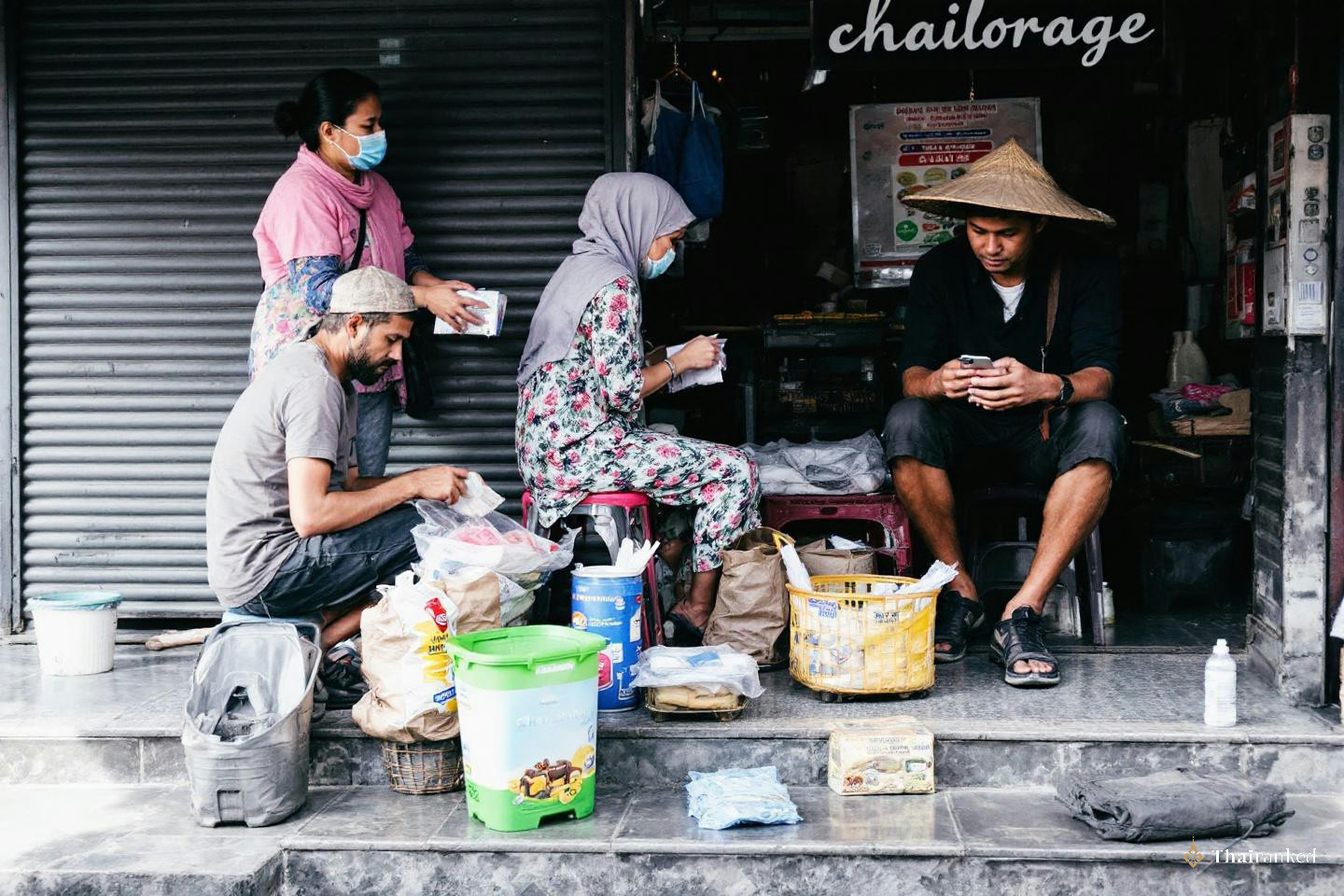
Définissez PromptPay comme votre option par défaut, évitez DCC et les frais de guichet automatique.
Point fort
3. Repensez votre loyer : emplacement, bail et inclusions
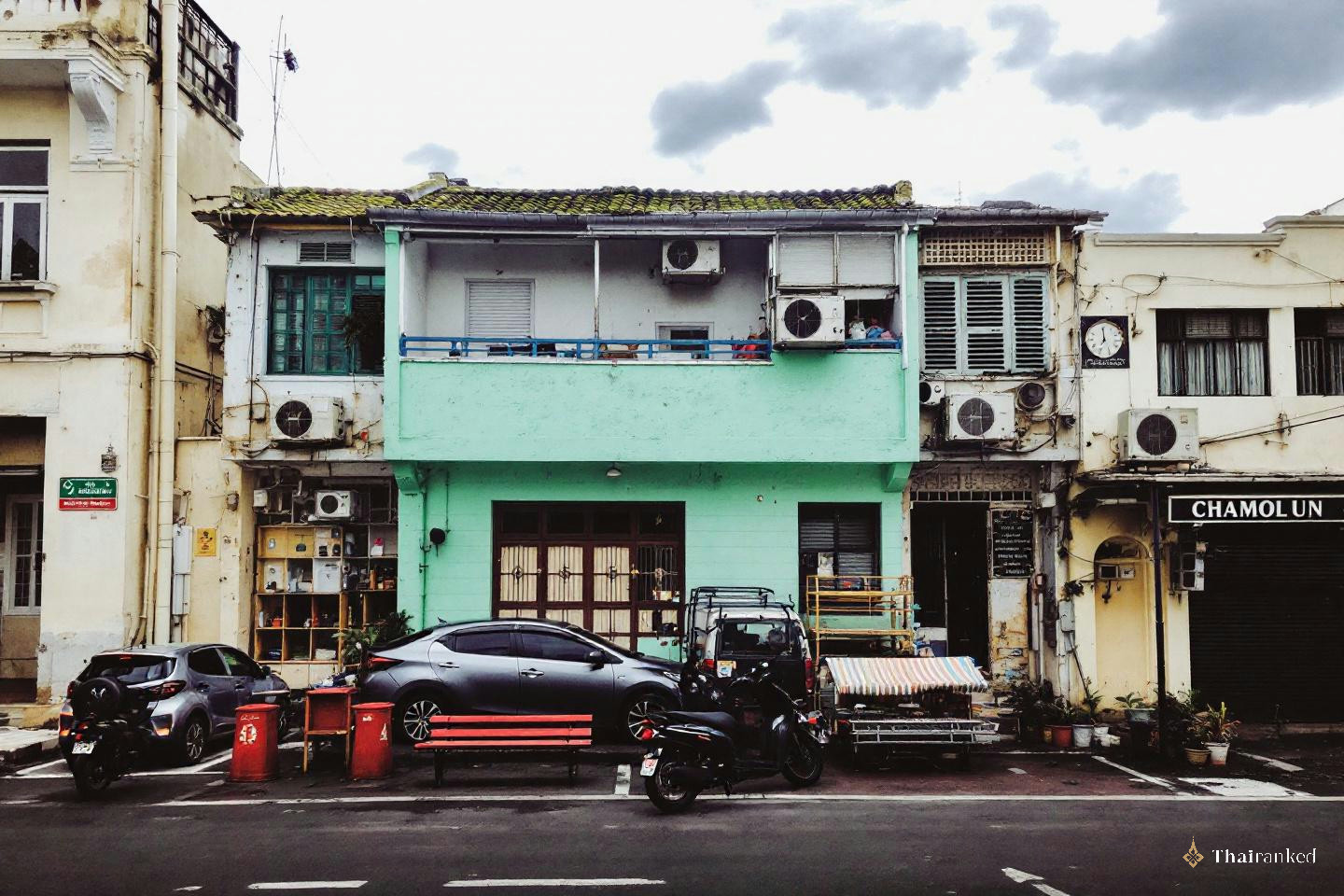
Déplacez-vous d'un arrêt, négociez et regroupez intelligemment
Point fort
Voir aussi
4. Réduisez les déchets liés à l'internet à domicile et aux services publics
Offres de rétention, vitesses adaptées et discipline AC

Point fort
La fibre à domicile est hyper-compétitive. Appelez la ligne de fidélisation de votre fournisseur une fois par an et demandez les tarifs promotionnels actuels ; les vitesses de fibre d'entrée de gamme coûtent souvent beaucoup moins cher que les forfaits hérités. Évitez de payer pour une vitesse redondante si vous naviguez principalement, diffusez en HD et passez des appels vidéo. Placez votre routeur de manière centrale et sur une étagère pour un meilleur Wi‑Fi, réduisant ainsi la tentation d'augmenter la vitesse. Pour l'électricité, réglez la climatisation à 26–27°C, nettoyez les filtres chaque mois, utilisez des ventilateurs pour diffuser l'air frais, et fermez les portes dans les pièces inutilisées. Passez aux ampoules LED et débranchez les appareils électroniques inactifs pour réduire les charges fantômes. Lavez les vêtements à l'eau froide et séchez-les à l'air libre lorsque c'est possible. Ces ajustements sont ennuyeux mais fiables, et contrairement aux remises ponctuelles, ils s'accumulent sur chaque facture.
5. Déplacez-vous plus intelligemment avec des choix multimodaux
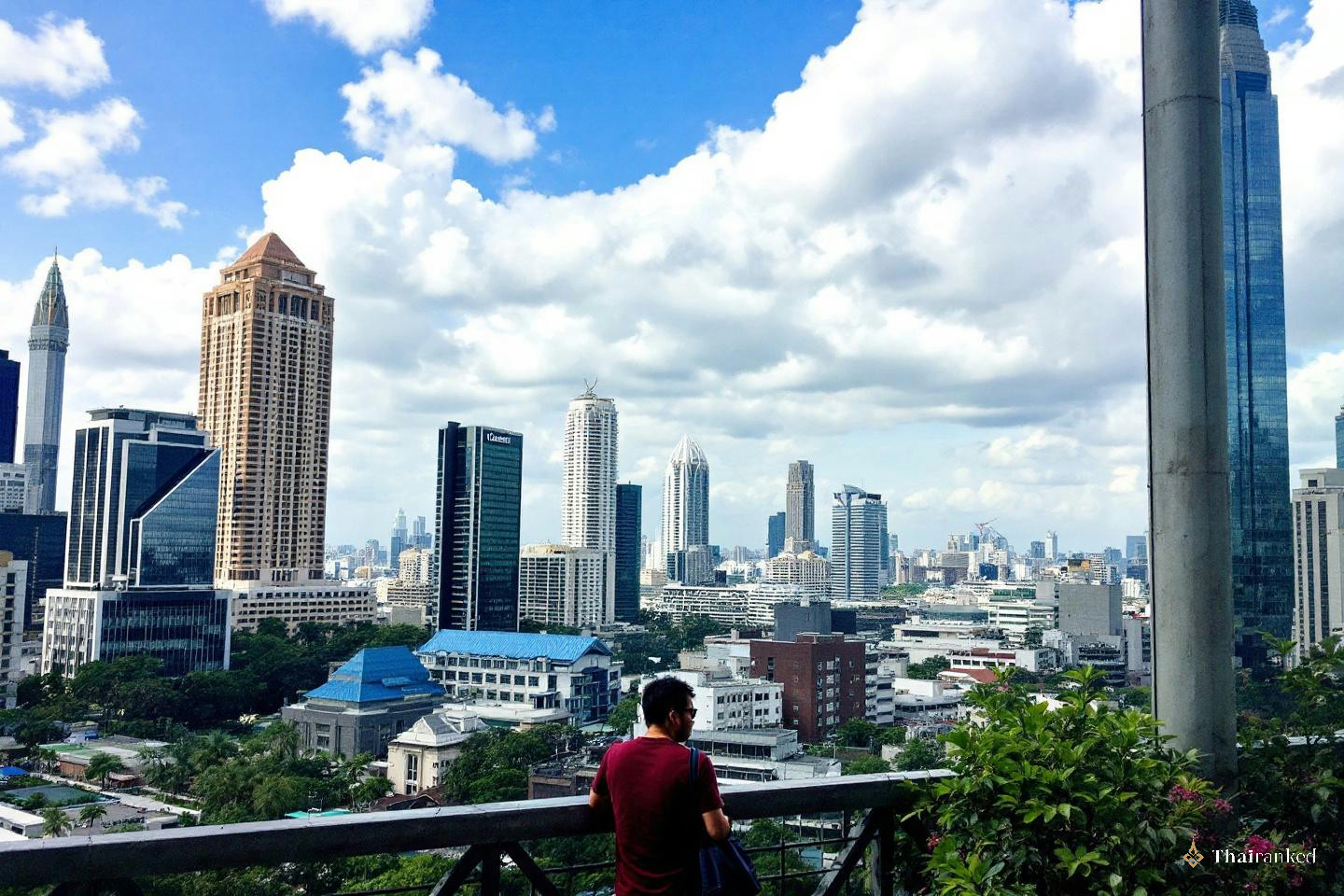
Utilisez le train quand c'est le plus rapide, les bus et les bateaux quand c'est le moins cher.
Point fort
6. Manger comme un local : marchés, produits de base en vrac et recharges d'eau
Le shopping axé sur le marché prime sur les achats impulsifs au supermarché.

Point fort
7. Audit des abonnements, des assurances et des extras de style de vie
Annuler, consolider et choisir des options par défaut moins chères

Point fort
Pensez à ces sept mouvements comme un entretien annuel pour la vie en Thaïlande. Commencez par les éléments ayant le plus d'impact : le mobile, la banque et le loyer, puis ajoutez des ajustements aux services publics, des transports multimodaux, des habitudes de courses axées sur le marché, et un nettoyage de printemps par abonnement. Si vous préférez deux roues, étudiez la sécurité, l'assurance et les tarifs équitables avant de changer ; notre guide, Le Guide Ultime pour Louer une Moto, couvre les principaux risques et économies. Et si vous cherchez une meilleure offre d'appartement en 2026, des applications peuvent accélérer votre recherche ; voyez Les 6 Meilleures Applications de Location de Condo en Thaïlande pour des options à travers différentes gammes de prix et régions.
Le but n'est pas la privation, mais l'alignement : ne payez que pour ce que vous utilisez réellement, choisissez le canal fiable le moins cher pour chaque routine et renégociez une fois par an. Faites cela et votre coût de la vie en Thaïlande diminuera naturellement, laissant plus de baht pour les voyages, les cours de langue ou un week-end à la plage.
by Thairanked Guide
Thairanked helps you discover great places in Thailand!
Ce que les gens demandent à propos de
"7 Réinitialisations de Budget pour les Expats en Thaïlande en 2026 : Factures, Banques et Échanges d'Économies"
Vous trouverez ici des réponses aux questions les plus populaires sur la Thaïlande.