10 Isan Phrases You Should Know: Speak Like a Local in Northeastern Thailand
November 21, 2025 07:16 AM


by Thairanked Guide
Thairanked helps you discover great places in Thailand!
Search Hotels & Flights
Related Insights
Why Learn Isan?
While Central Thai is the official language, Isan (the dialect of Northeastern Thailand) is the language of the heart for over 20 million people. It’s playful, expressive, and closely related to Lao. Dropping even one of these phrases will instantly earn you smiles, surprise, and likely a free drink or extra scoop of sticky rice!
Here are the Top 10 Isan Phrases ranked by how useful (and fun) they are for travelers.
1. Sa-bai-dee Baw? (สบายดีบ่)
Pronunciation: Sa-bye-dee-baw?
Meaning: How are you?
Why use it: This is the ultimate icebreaker. While standard Thai uses Sa-bai-dee mai, Isan swaps the mai for baw.
How to reply: "Sa-bai-dee" (I’m good).
2. Saep E-lee (แซ่บอีหลี)
Pronunciation: Zap-ee-lee
Meaning: Truly delicious!
Why use it: You probably know "Aroi" (delicious in Thai), and maybe even "Saep" (delicious in Isan). But adding E-lee (really/truly) takes it to the next level. Use this when the Som Tum is hitting just right.
3. Bo Pen Yang (บ่เป็นหยัง)
Pronunciation: Baw-pen-yung
Meaning: It’s okay / No problem / You're welcome.
Why use it: The Isan equivalent of Mai pen rai. It represents the laid-back, forgiving nature of Isan people.
- Example: Someone bumps into you and apologizes. You say: "Bo pen yang."
4. Pen Jung Dai (เป็นจั่งได๋)
Pronunciation: Pen-jung-die
Meaning: How’s it going? / What’s up?
Why use it: A more casual alternative to #1. It’s like saying "What's happening?" Use it with friends or peers to sound cool.
5. Muan Kuk (ม่วนคัก)
Pronunciation: Muan-kuk
Meaning: Extremely fun/enjoyable.
Why use it: Muan means fun, and Kuk is an intensifier like "very" or "totally." Use this at festivals, concerts, or parties.
6. Khoi Hak Jao (ข่อยฮักเจ้า)
Pronunciation: Koy-hak-jao
Meaning: I love you.
Why use it: Ready to confess your feelings? In Isan, pronouns change: Khoi (I/Me) and Jao (You). Hak is the Isan word for love. It sounds softer and more sincere than standard Thai.
7. Khee Tua (ขี้ตั๋ว)
Pronunciation: Kee-dtua
Meaning: To lie / You're kidding!
Why use it: Used playfully when someone is teasing you or telling a tall tale.
- Usage: If a friend exaggerates a story, you can laugh and say "Khee tua!" (You're full of it / Just kidding).
8. Ngued (งึด)
Pronunciation: Ng-uud (one syllable, low tone)
Meaning: Baffled / Speechless / Surprised.
Why use it: Isan slang for when you are shocked or confused by someone's behavior. It’s a funny way to express disbelief.
- Usage: "Sao ngued!" (Stop, I'm speechless!).
9. Pai Sai? (ไปไส)
Pronunciation: Pye-sigh
Meaning: Where are you going?
Why use it: Thais ask this as a greeting rather than actually needing to know your itinerary.
- Standard Thai: Pai nai?
- Isan: Pai sai?
10. Men (แม่น) / Bo (บ่)
Pronunciation: Man / Baw
Meaning: Yes / No.
Why use it: The basics are essential.
- Men: Yes / That's correct / Right.
- Bo: No / Not. (Combine it: Bo Men = Not correct).
by Thairanked Guide
Thairanked helps you discover great places in Thailand!
Search Hotels & Flights
Related Insights
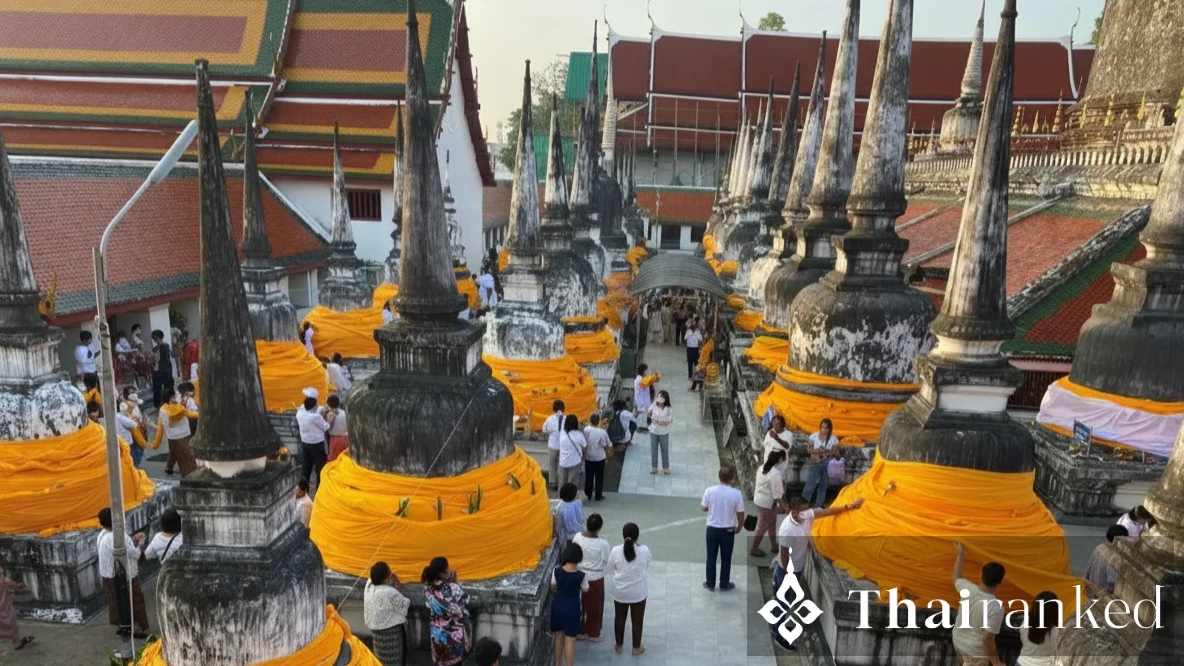
Join the vibrant Hae Pha Khun That Festival in Nakhon Si Thammarat, where thousands parade golden cloth to honor the sacred stupa and sample Southern Thai cuisine.
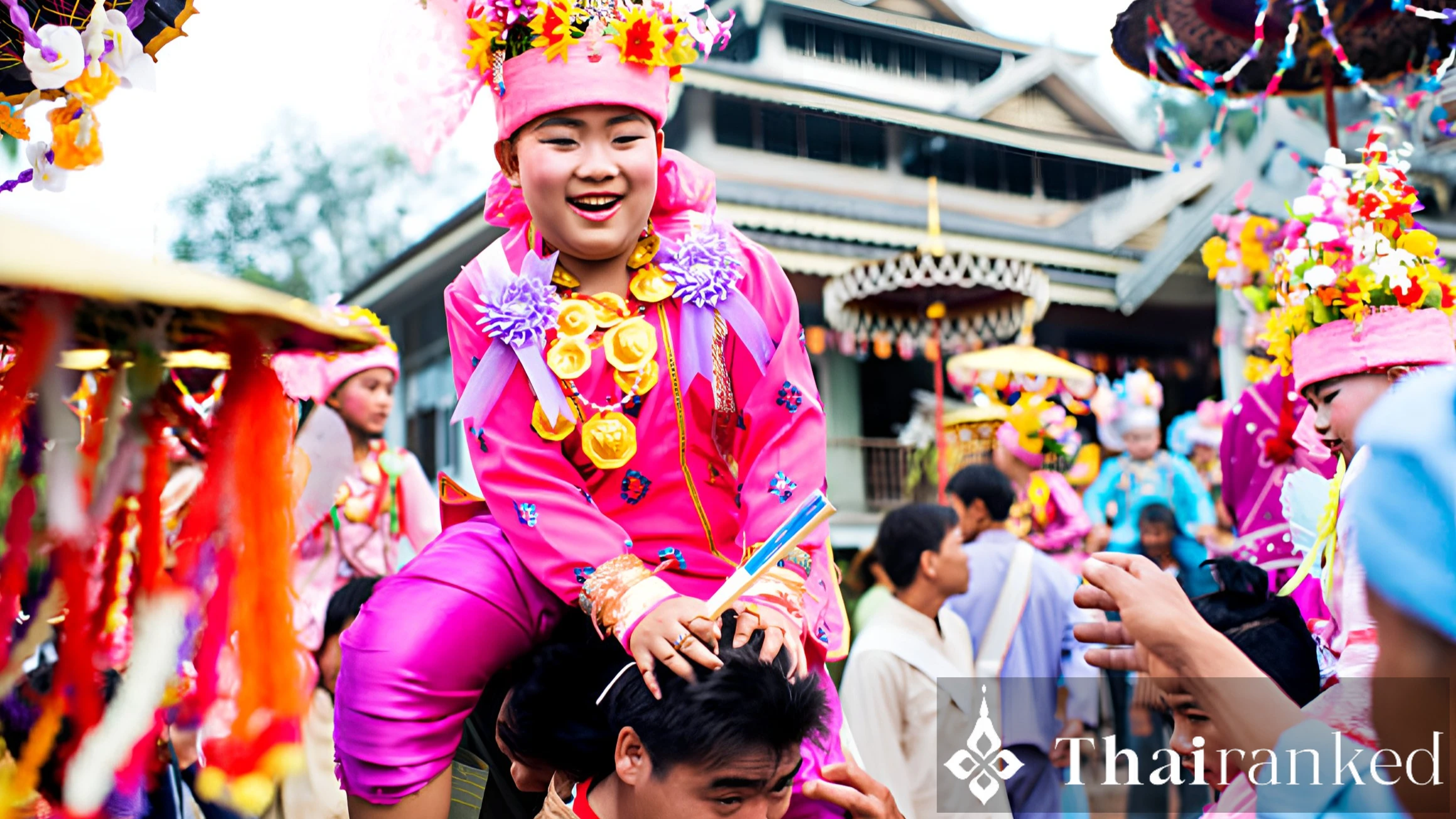
Discover the vibrant Poy Sang Long festival in Northern Thailand, where Tai Yai boys are adorned and paraded before ordination. Culture, colors, and travel tips.
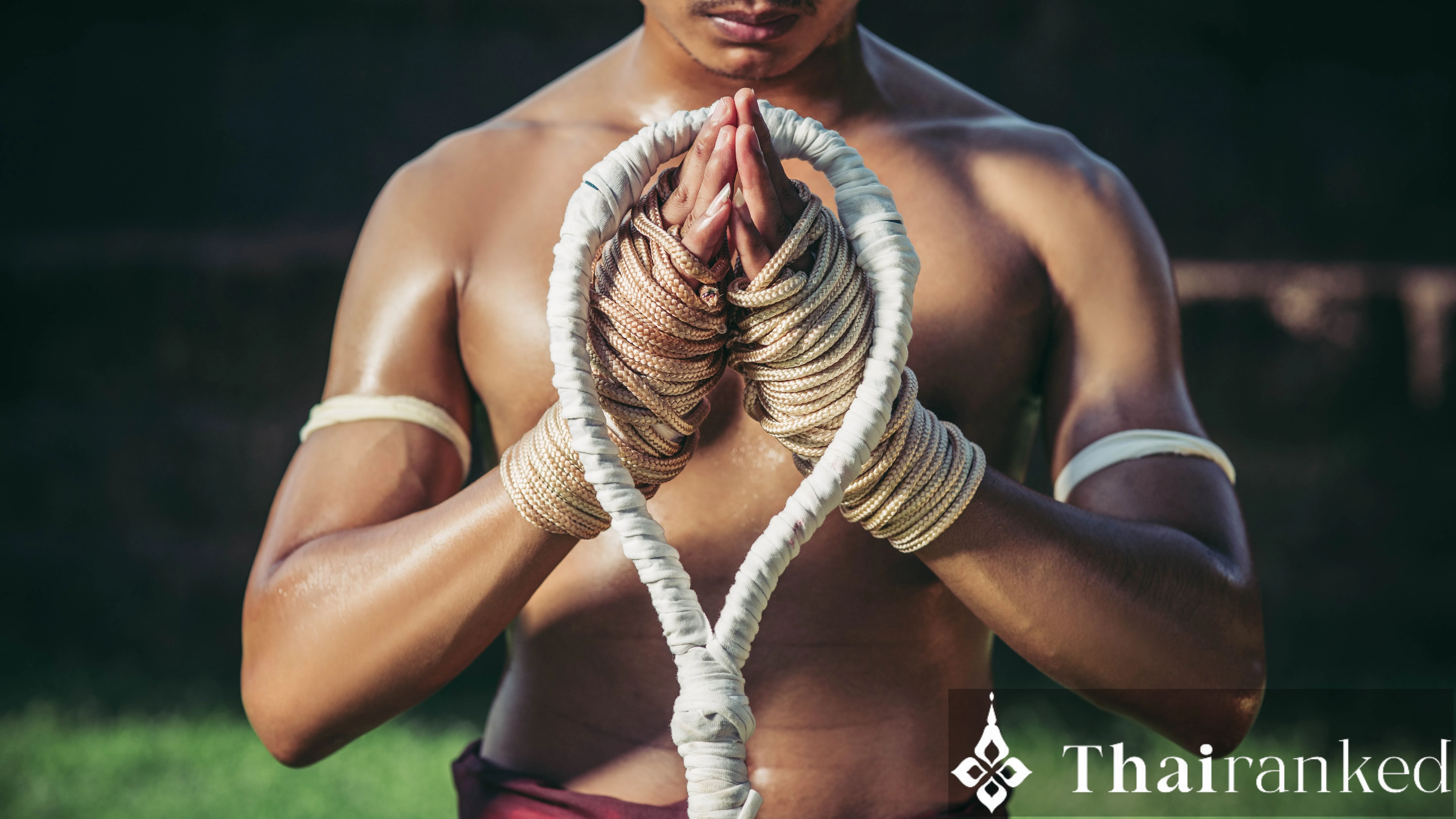
Join the global Muay Thai community at Ayutthaya on March 17, 2026, for the legendary Wai Kru Ceremony. Learn about the tradition and what to expect at this iconic event.
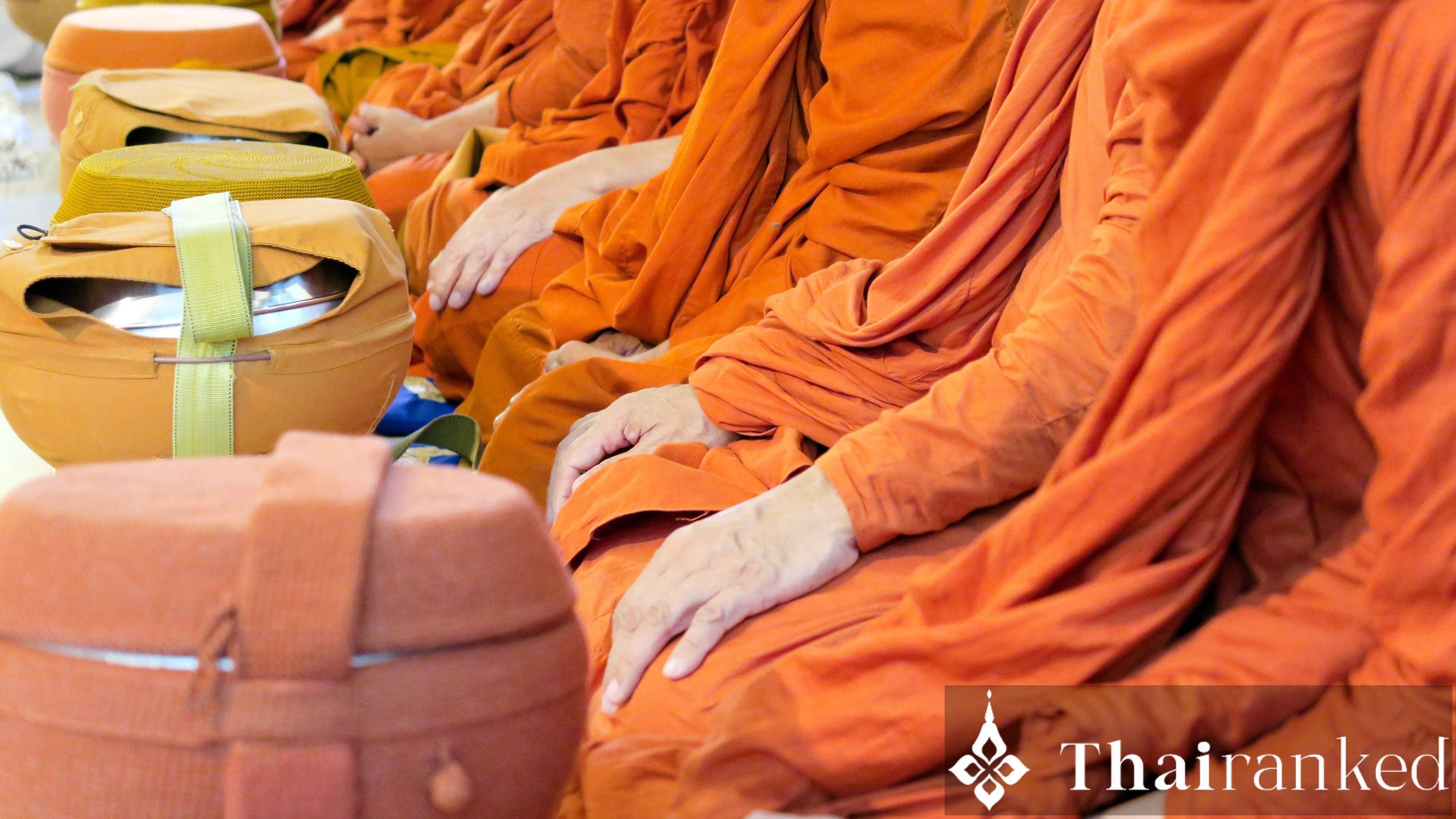
Discover Makha Bucha, Thailand’s first major Buddhist holiday, its miracle story, teachings, and essential Thai traditions, making merit and candle processions.
Avoid bad luck this Chinese New Year! A complete guide to the Dos and Don'ts in Thailand, from wearing red and giving oranges to the strict ban on cleaning and using scissors.