Dos and Don’ts for Chinese New Year in Thailand (Start 17 February 2026)
February 17, 2026 03:27 AM
Last edited: January 08, 2026

by Thairanked Guide
Thairanked helps you discover great places in Thailand!
Search Hotels & Flights
Dos and Don’ts for Chinese New Year in Thailand
Chinese New Year (or Wan Trut Jeen) is one of the most vibrant times to be in Thailand. While it isn't an official government holiday, the influence of the Thai-Chinese community is so strong that you will see red lanterns, firecrackers, and cheongsam dresses everywhere from Bangkok’s Yaowarat to small village markets.
But for the superstitious, this isn't just a party, it is a minefield.
According to tradition, everything you do on New Year's Day sets the tone for the next 12 months. Do the right thing? Good luck flows in. Do the wrong thing? You might just sweep your fortune out the door.
To ensure your Year of the Horse (2026) starts on the right hoof, here are the essential Dos and Don’ts.
The DOs: How to Attract Good Luck
1. DO Wear Red (or at least bright colors)
This is the golden rule. Red symbolizes fire, which scares away evil spirits and bad luck.
- In Thailand: You will see everyone wearing red shirts, even those without Chinese heritage. It’s a fun way to join in.
- Gold is also acceptable.
- Tip: If you don't have a red shirt, buy a cheap "Qipao" or Chinese-style shirt at a market—it's not considered cultural appropriation here; locals love seeing foreigners embrace the festival.
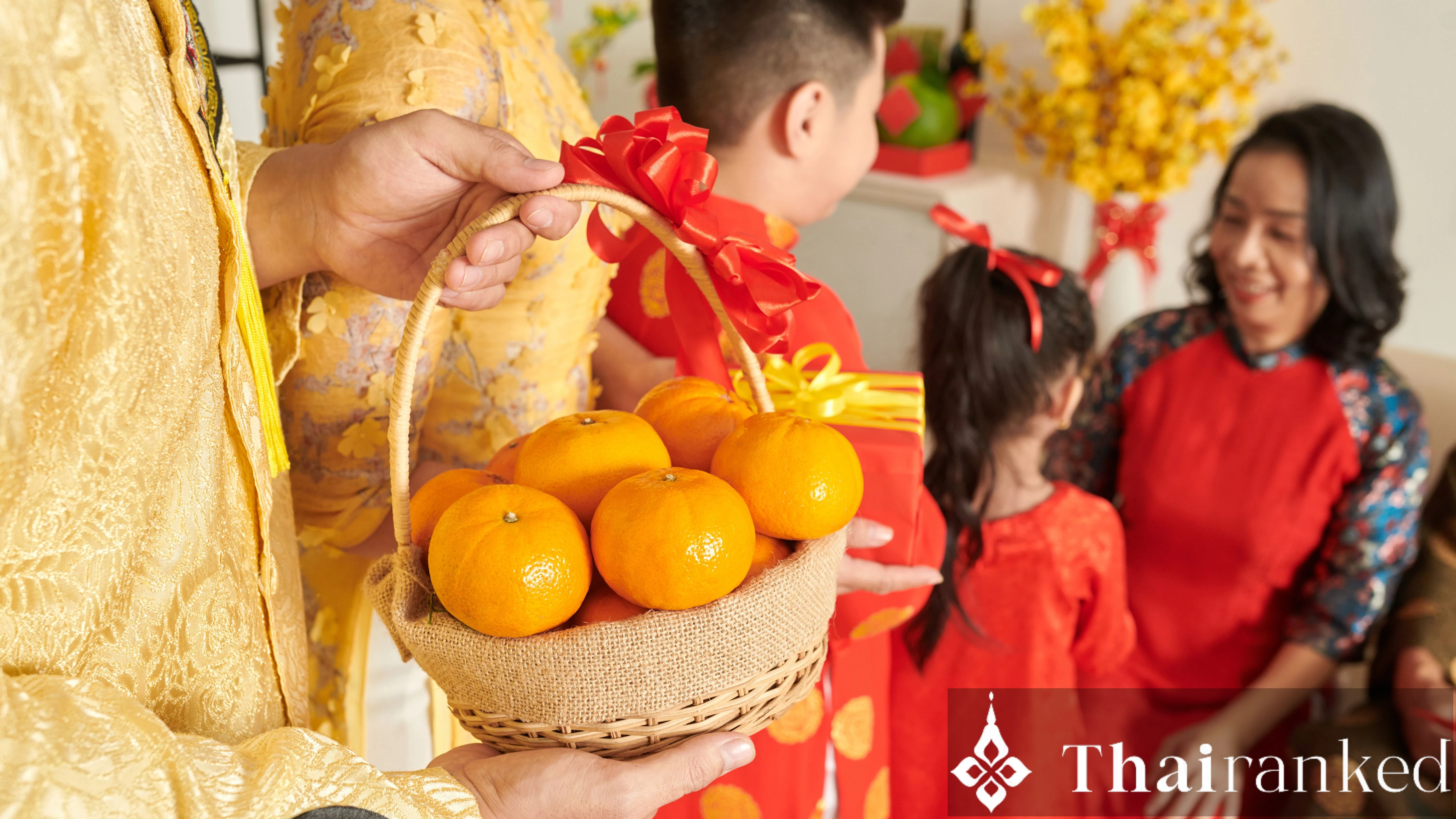
2. DO Give Oranges
If you are invited to a Thai-Chinese home, never go empty-handed.
- The Gift: Four tangerines or mandarins.
- The Meaning: The Chinese word for mandarin sounds like "gold/luck." By exchanging oranges, you are literally exchanging wealth.
3. DO Say the Magic Words
Forget "Happy New Year." In Thailand, the standard greeting is the Teochew phrase:
- "Sin Jia Yu Ee, Sin Nee Huat Chai" (Xin Zheng Ru Yi, Xin Nian Fa Cai).
- Meaning: "May your wishes come true, and may you be wealthy this new year."
4. DO Eat "Lucky" Foods
Thai-Chinese families feast on foods with symbolic meanings:
- Noodles: Must be eaten long (don't cut them!) for a long life.
- Fish: Symbolizes surplus and abundance.
- Chicken: Usually served whole (head and feet included) to symbolize unity and completeness.
The DON’Ts: How to Avoid Bad Luck
1. DON’T Wear Black or White
In Chinese culture, these are strictly the colors of mourning and funerals.
- Wearing black to a CNY party is seen as bringing death or bad omen to the host's house. Just don't do it.
2. DON’T Clean or Sweep the Floor
This applies specifically to New Year's Day (Wan Tiew).
- The Belief: If you sweep the floor on New Year's Day, you are sweeping away the new good luck and wealth that has just entered your home.
- The Fix: Clean your house top-to-bottom the day before, and put the broom away for 24 hours.
3. DON’T Wash Your Hair
Similar to sweeping, washing your hair is believed to "wash away" your good fortune for the year. (Yes, in the Thai heat, this is a challenge, but many traditional families stick to it!)
4. DON’T Use Knives or Scissors
Prepare all your food the day before. Using sharp objects is seen as "cutting" your ties of friendship or cutting off your stream of wealth.
5. DON’T Argue or Cry
This is a day of pure positivity.
- Parents will often refrain from scolding their children on this day, no matter how naughty they are. Crying or shouting is believed to set a tone of sorrow for the coming year.
6. DON’T Lend Money
If you lend money on New Year's Day, it is believed you will be lending money (and losing it) all year long. Conversely, you should pay off all your debts before the New Year starts to begin with a clean slate.
Summary: The 3 Days of Thai CNY
To understand the flow, remember that Thais divide the festival into three specific days:
- Wan Chai (Shopping Day): You buy the food and offerings.
- Wan Wai (Praying Day): You pray to ancestors and spirits (and eat the food).
- Wan Tiew (Traveling Day): This is the actual New Year's Day. No work, no cleaning, just dressing up, visiting family, and having fun.
Follow these rules, wear your brightest red shirt, and get ready for the Year of the Horse!
by Thairanked Guide
Thairanked helps you discover great places in Thailand!
Search Hotels & Flights
Related Insights
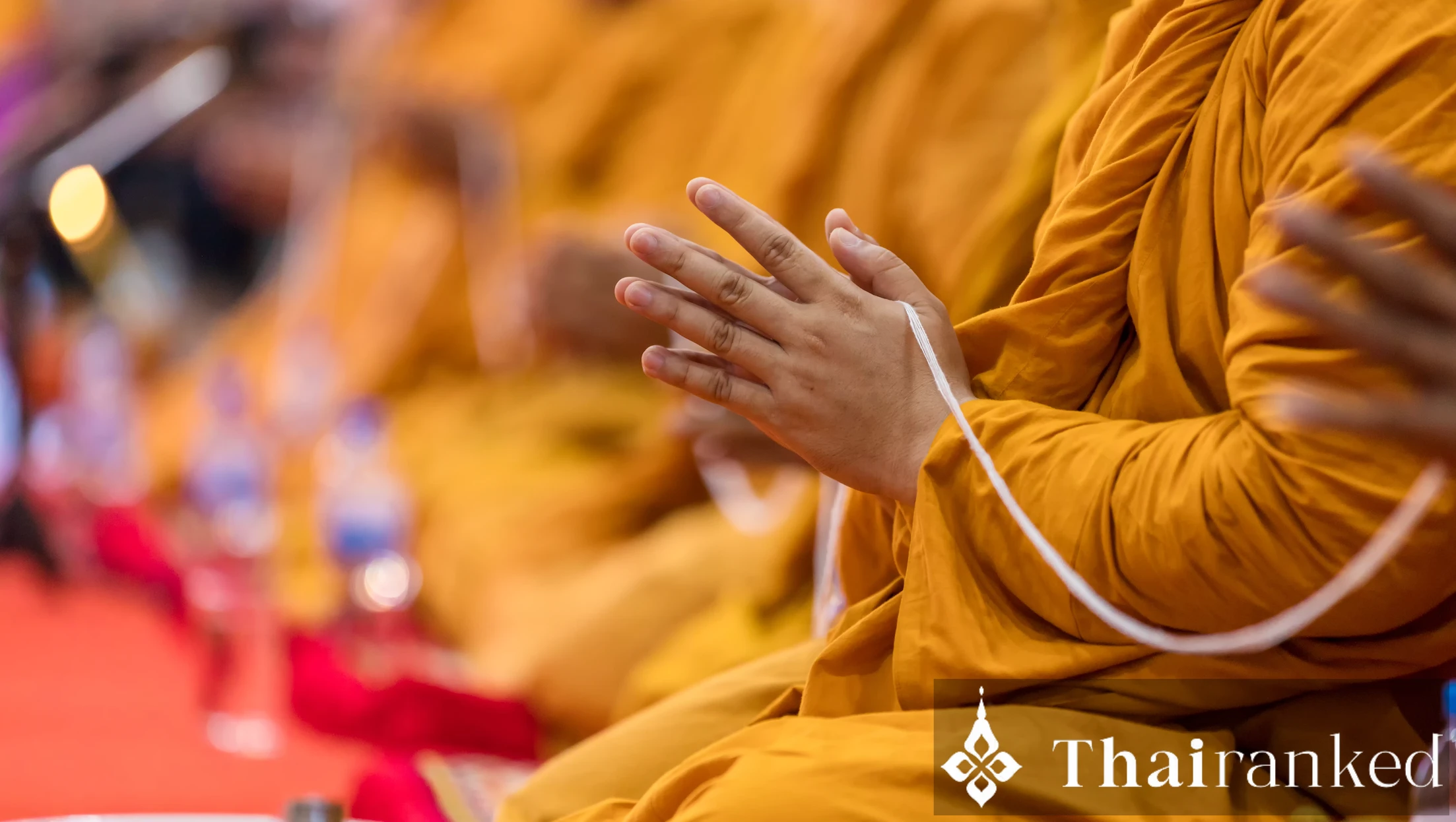
Everything expats need to know about Thailand's alcohol sales ban on Visakha Bucha Day: timing, rules, exceptions, and practical survival tips.
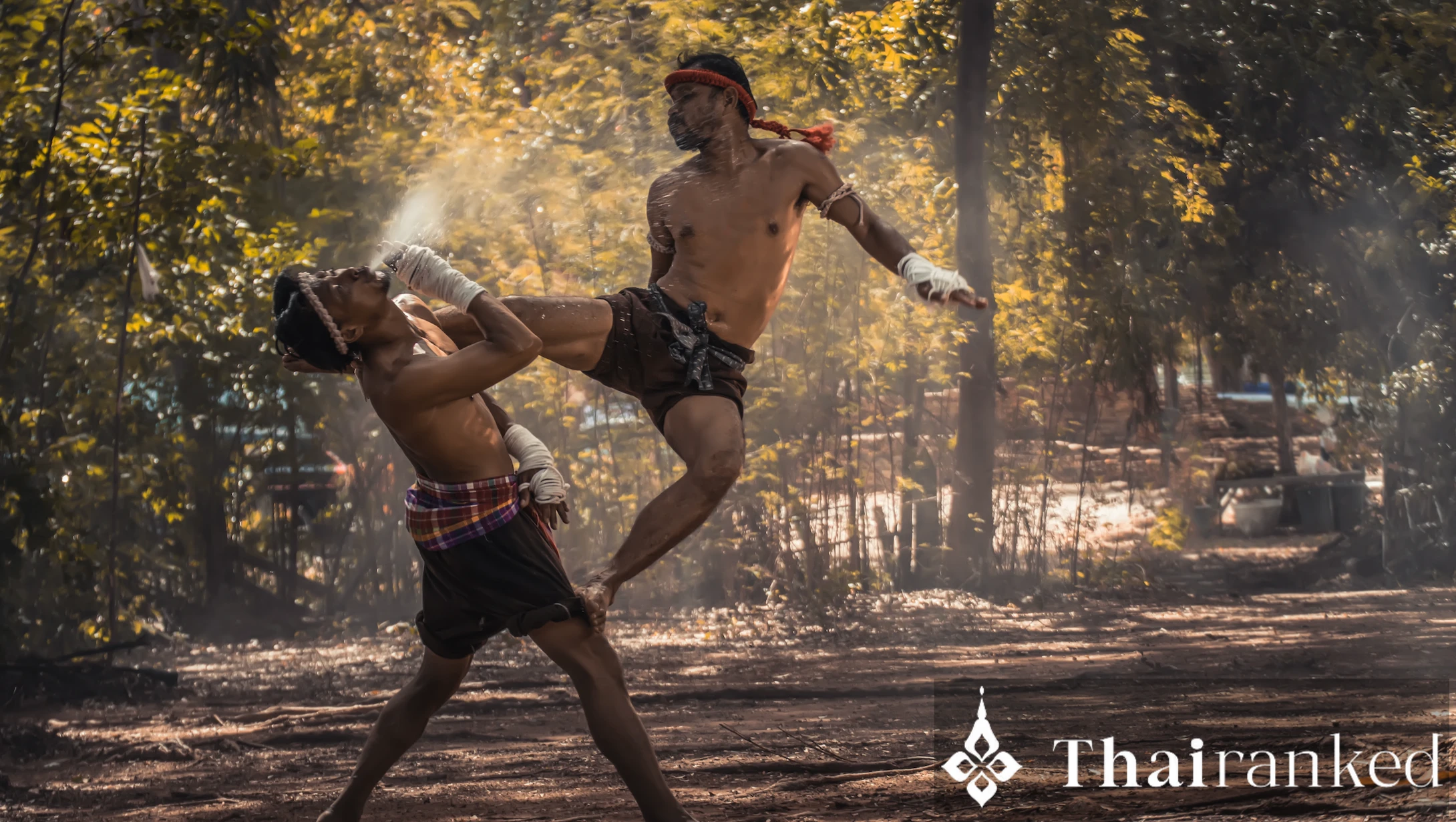
Discover the cultural heart of Muay Thai, the teacher tribute and sacred piphat music that move every fighter beyond the ring.
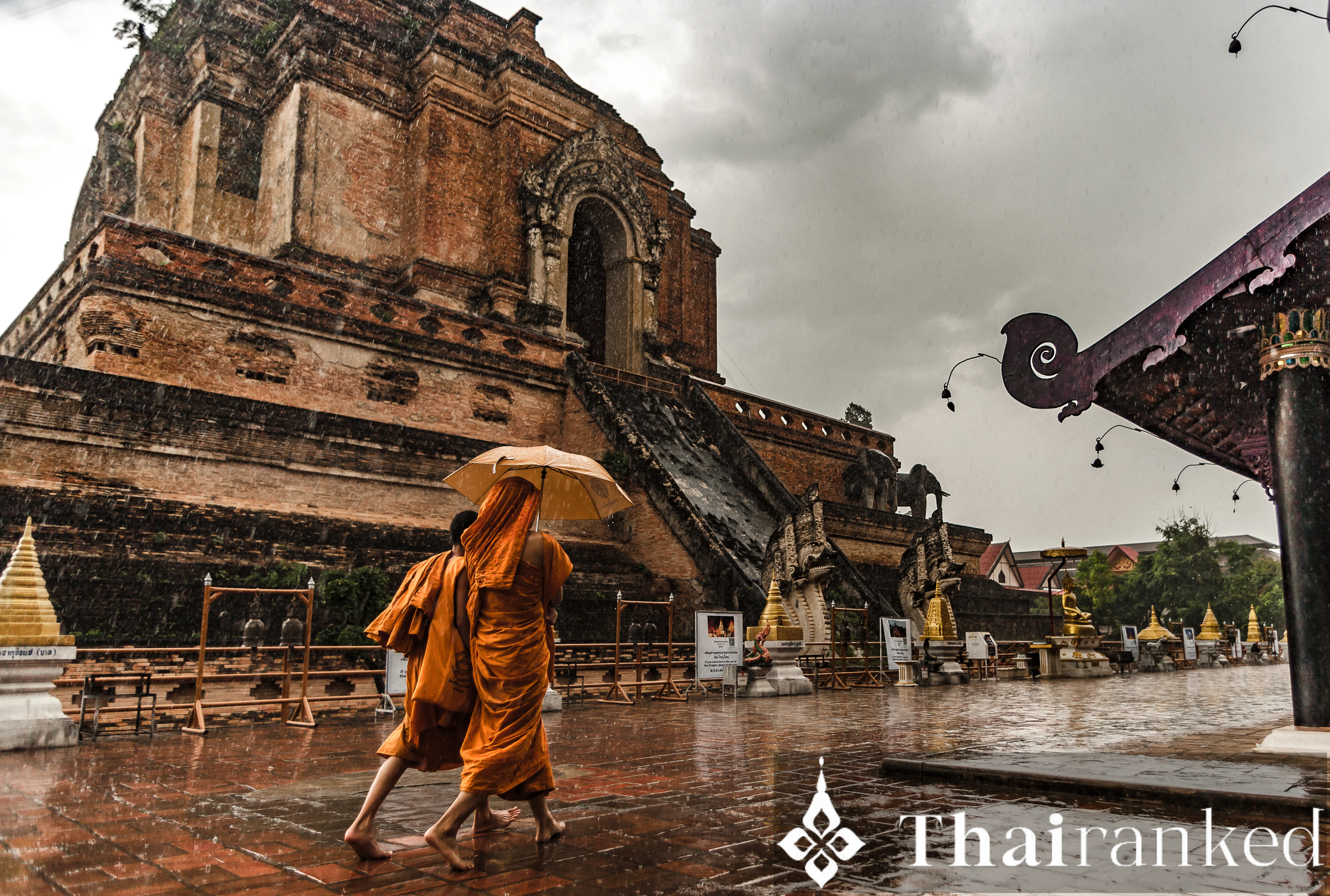
Explore Thailand’s ancient beliefs about rain and why people avoid certain acts on Buddhist holidays. Sunshowers, rituals, and rainy season customs.
Discover the fascinating legend and history behind Bun Bang Fai, Thailand’s explosive Rocket Festival that launches homemade rockets to awaken the rain gods.
Attending your first Thai wedding? Learn etiquette, customs, dress code, ceremonies, gifts, and more in this essential guide for expats and travelers.
What people ask about
"Dos and Don’ts for Chinese New Year in Thailand (Start 17 February 2026)"
Here you will find answer to the most popular questions.