The Concept of "Kreng Jai": Why Thais Say Yes When They Mean No
February 10, 2026 02:55 AM
Last edited: February 05, 2026

by Thairanked Guide
Thairanked helps you discover great places in Thailand!
Search Hotels & Flights
Related Insights
Understanding "Kreng Jai" in Thai Culture
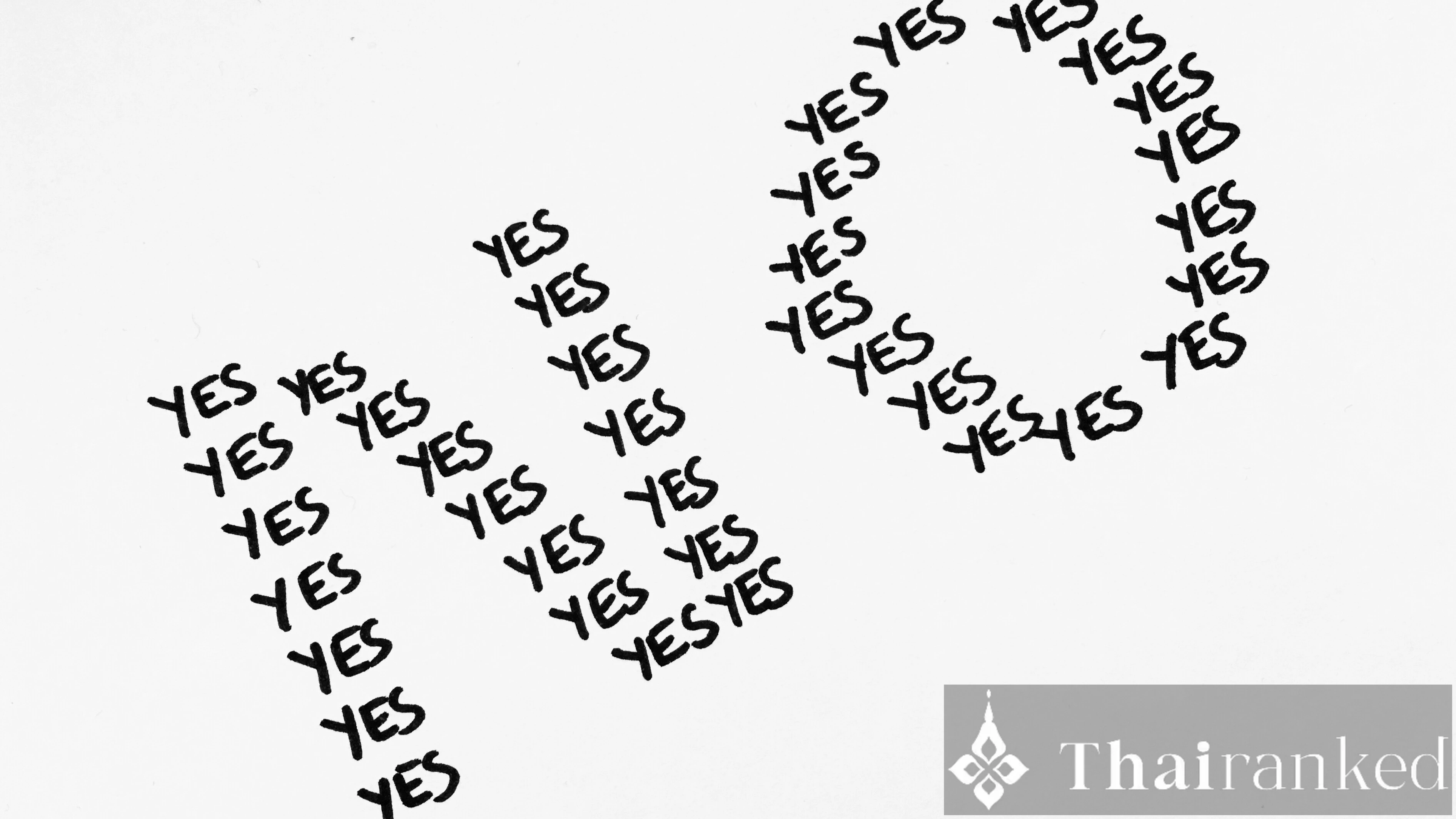
If you’ve spent any time in Thailand, you may have come across situations where a Thai friend, colleague, or even a shop assistant smiles and says yes, but you have a hunch they really mean no. This phenomenon often baffles visitors and expats, who misread politeness for willingness. At the heart of this cultural puzzle is the concept of "kreng jai" (เกรงใจ), a deeply-rooted Thai value that often gets lost in translation.
What Does "Kreng Jai" (เกรงใจ) Mean?
"Kreng jai" is an untranslatable Thai phrase, yet it’s one of the most important forces shaping Thai social behavior. In simple terms, kreng jai means being considerate, respectful, and reluctant to impose on others. But it runs much deeper than that. Thais with kreng jai try to avoid making anyone feel uncomfortable, burdened, or obligated. It’s about putting others first, even if it means holding back your own needs or opinions.
The literal meaning hints at its emotional roots: "kreng" implies "awe," "fear," or "hesitation," while "jai" means "heart" or "mind." So, kreng jai is to have a heart that hesitates out of consideration for others. In many contexts, saying “no” directly is seen as too blunt or even rude, it can disrupt group harmony, embarrass someone, or highlight a power imbalance.
How Does Kreng Jai Look in Daily Life?
If you’ve noticed Thais smiling politely, giving a carefully worded response, or hesitating when asked for honest feedback, you might be witnessing kreng jai in action. Here are some typical scenarios:
- Workplace: An employee agrees to work overtime or take on extra tasks, despite being exhausted, because they don’t want to inconvenience their boss or colleagues.
- Dining Out: A Thai friend is hungry but denies it when asked, not wanting to inconvenience the host with another order.
- Visiting a Home: Guests refuse refreshments or decline to use the bathroom, not wanting to cause the host extra trouble.
- Group Decisions: People suppress their own opinions about where to eat or what to do, preferring to go along with the group so as not to stand out.
The most common outward signs are forced smiles, evasive answers, or vague gestures that hint at discomfort but fall short of directly refusing a request.
Why Thais Say Yes When They Mean No
Confrontation or refusal can be embarrassing in Thai culture, for both the giver and the receiver. To maintain face (known as rak sa naa) and protect relationships, Thais rely on indirect communication. Saying yes, even if they mean no, helps avoid uncomfortable situations or causing disappointment.
This doesn’t mean Thais are insincere. Rather, it’s a polite strategy to keep interactions smooth and pleasant. If a Thai friend says "It’s okay" or "Up to you," but hesitates or gives a half-hearted nod, they may be exercising kreng jai instead of being truly enthusiastic.
Kreng Jai vs. Western Directness: A Source of Confusion
Foreigners often interpret kreng jai as indecision, passivity, or even dishonesty. In many Western cultures, saying what you think, even criticism or refusal, is considered honest and respectful. But in Thailand, respect is often shown by softening your response, not by absolute truthfulness.
Misunderstandings can arise when expats take a Thai person at their word, only to find later that the agreement was half-hearted or that the person wasn’t entirely comfortable. This is especially common in business or social settings, where directness can feel aggressive or tactless to Thais.
How to Navigate Kreng Jai Gracefully
If you want to communicate effectively and build good relationships in Thailand, it’s useful to recognize the signals of kreng jai and respond appropriately:
- Be attentive to nonverbal cues: Is the yes accompanied by hesitation, awkward laughter, or a lack of eye contact?
- Offer multiple chances to say no: Rather than asking yes/no questions, give the other person an easy way to politely decline.
- Show appreciation for their effort: Expressing gratitude (“khop khun krap/ka”) for someone’s time and help affirms you value their comfort.
- Avoid putting people on the spot: Frame requests gently, especially with those less senior or whom you don’t know well.
- Use indirect language: Asking "Are you sure it’s not inconvenient?" or "Only if you really have time" shows sensitivity to kreng jai.
By tuning into this aspect of Thai communication, you’ll soon avoid the pitfalls of accidental misunderstanding. For more on local etiquette, check out our guide to taking your shoes off in Thai shops and temples, or dive deeper into cultural taboos in this post about Thai nighttime beliefs.
Where Kreng Jai Shapes Society
Kreng jai isn’t just about individual politeness; it’s a glue binding Thai society. It prevents open conflict, keeps everyday life harmonious, and smooths over potentially tense situations. However, excessive kreng jai can also mean important issues get brushed under the carpet, or people don’t get the help they need because they’re afraid to ask. Thais often joke about “too much kreng jai” leading to avoidable misunderstandings.
In professional settings, kreng jai is one reason feedback is delivered oh-so-gently, and why office politics in Thailand can sometimes be an art form. If you’re managing Thai staff, learning to read between the lines is a vital skill. See our guide to navigating Thai systems for practical examples.
Is Kreng Jai Always Positive?
Like many cultural values, kreng jai can be a double-edged sword. On the one hand, it builds empathy and cooperation, helping Thailand stay famously hospitable. On the other hand, it can create barriers to honest communication, particularly with foreigners who value directness. Striking the right balance—where everyone feels respected and heard is an ongoing process in Thai society.
Kreng Jai in Modern Thailand
With globalization and changes sparked by younger generations, some Thais are becoming more comfortable asserting themselves. Yet, kreng jai remains a venerated virtue, especially in rural communities, family life, and formal environments. As you explore and settle in Thailand, understanding kreng jai will open doors to deeper connections and fewer social faux pas.
Key takeaways
- "Kreng jai" (เกรงใจ) means being considerate and not wanting to impose on others.
- It shapes Thai communication: Thais avoid saying no directly to prevent discomfort.
- Foreigners often mistake politeness for genuine agreement.
- Learning to spot and work with kreng jai helps you build stronger relationships in Thailand.
- Excessive kreng jai can lead to misunderstandings or unspoken problems, so be gentle but persistent when necessary.
by Thairanked Guide
Thairanked helps you discover great places in Thailand!
Search Hotels & Flights
Related Insights

Learn how constituency and party-list voting works in Thailand's 2026 election, including step-by-step explanations, invalid ballots, and common myths.

Why do Thais remove shoes at homes, shops, or clinics? Learn shoe etiquette in Thailand, places where it's a must, and how to spot signs you should take them off.

Discover Thailand's 'bum gun' culture! Learn what a sup spray hose is, why Thais love it, how to use it effectively, and why travelers rarely look back.
Discover the unique national anthem tradition in Thailand, why everyone freezes in public at 8AM and 6PM, and tips on what to do if you’re caught by surprise.

Discover why Thai people put ice in beer, the roots of this cool custom, and how scorching hot weather changes your drinking experience in Thailand.
What people ask about
"The Concept of "Kreng Jai": Why Thais Say Yes When They Mean No"
Here you will find answer to the most popular questions.