Taking Shoes Off in Thailand: Shops, Clinics & Cultural Tips
February 03, 2026 05:00 AM
Last edited: April 30, 2026

by Thairanked Guide
Thairanked helps you discover great places in Thailand!
Search Hotels & Flights
Related Insights


Thai Shoe Removal: The Custom Explained
If you’ve spent any time in Thailand, you’ve noticed piles of shoes in front of homes, temples, and even some shops or clinics. Taking your shoes off before entering runs deep in Thai tradition, grounded in both cleanliness and respect. New arrivals often find the unspoken etiquette confusing, since it applies beyond the home, including businesses and public spaces.
Thailand’s tropical climate and easygoing way of life mean people go barefoot or wear sandals year-round. Which places ask you to leave shoes at the door? How can you avoid missteps? This guide breaks it down for expats, travelers, and long-term residents.
Shoe Removal Spots in Thailand
All Thai homes, temples (wats), and Buddhist shrines ask for bare feet or socks inside. This act shows respect for cleanliness and for the spiritual space. The tradition carries into daily life at places including:
- Clinics and some hospitals
- Massage parlors and spas
- Traditional pharmacies and certain salons
- Some restaurants or street food stalls
- Small shops, especially those with a raised platform or wooden floors
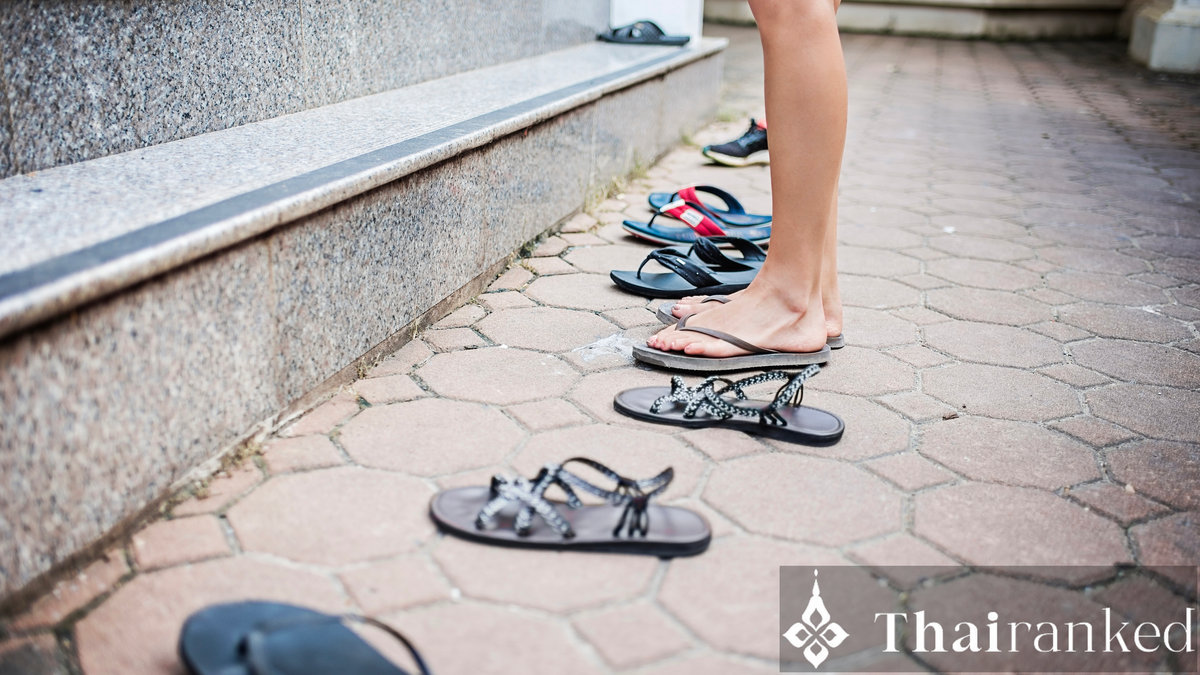
Rows or piles of slip-on shoes or sandals at the entrance provide a clear signal. Shops in buildings called “shophouses”,whose owners often live above or behind the shop,often require shoe removal as well.
Street food lovers run into shoe removal at some of the best stalls and traditional eateries. If you spot a line of sandals, follow suit.
Shoe Removal at Shops and Clinics: The Reasoning
Many assume shoe removal applies only to private homes or sacred spaces. In Thailand, businesses,especially those catering to locals,extend the custom too. Good reasons exist, including:
- Owners keep floors spotless, often with polished wood or tile
- Children or staff sit, play, or work on the floor
- The space functions as the family's living area outside business hours
- Traditional medicine or massage occurs on the premises, for hygiene
Clinics want exam rooms clean, so shoes stay at the entrance (sometimes with flip-flops provided for you). Pharmacies ask for shoe removal to show respect and avoid bringing in grime. Look for signs such as “Please take your shoes off,” or a row of rubber flip-flops by the door.
The Unwritten Rules: Sensing If You Should Remove Your Shoes
Unsure when to take off your shoes? Check for:
- Piles or rows of shoes/sandals at the entrance
- Signs (in English or Thai) such as “No shoes inside” or “Please remove your shoes”
- Shoe racks or shelves at the front
- A raised threshold or step up from the street
- The spotless appearance of the floor, or customers already barefoot
If you’re uncertain, ask with a smile: “ถอดรองเท้าไหมคะ/ครับ?” (“Thot rong-thao mai kha/khrap?” – Do I take my shoes off?). Thais appreciate it, and erring on the safe side always helps. For more language tips and etiquette essentials, read about the concept of 'Kreng Jai' and how it shapes daily interactions.
Tips for Shoe Etiquette in Thailand
- Wear easy-on, easy-off shoes: Flip-flops, sandals, or slip-ons keep things quick and simple.
- Arrange your shoes: Place them neatly, toes pointing away from the entrance. Avoid messy piles.
- Keep your feet tidy: Most go barefoot, so keep your feet clean or carry socks.
- Socks not required: You can go barefoot unless visiting a temple or formal home where you want to cover up.
- Look for house slippers: Shoeless businesses, especially clinics or spas, may offer simple slippers to wear inside.
Shoes go missing at busy clinics or markets. Thais mix them up too. Mark your sandals or pick a unique pair if you worry about swaps. Find more Thailand survival tips in the Dry Weekend guide for visitors.
Handling Awkward Shoe Situations
Everyone forgets this rule at some point. If you do, apologize, remove shoes right away, and smile. If someone’s shoes block your pair or touch yours, no big deal,touching shoes isn’t taboo in Thailand.
Do not point your bare feet at people or Buddha images inside. In Thai culture, people consider feet the lowest part of the body. Never nudge, wave, or point with them. Curious about other cultural gestures? Learn about temple rituals for more context.
Modern Spaces: Where Shoe Removal Doesn’t Happen
Chain stores, malls, most offices, and air-conditioned shops don’t expect shoe removal. Restaurants catering to foreigners rarely require it. Still, in local markets, family-run businesses, and rural or island towns, keep your slip-ons ready.
Heading to local markets? Check out our guide to Korat night markets. You’ll spot another mountain of shoes outside the best stalls. For inspiration on travel and daily life, browse our Thailand backpacking guide.
Respecting Culture: The Expat and Traveler Way
Thoughtful shoe etiquette signals respect and helps you fit in. This small gesture shows Thai hosts, shopkeepers, and passersby that you value their customs. Discover more Thai quirks in our look at Thailand’s three New Years and why everyone stops for the national anthem.
Key Takeaways
- Shoe removal in Thailand spreads beyond homes to shops, clinics, and pharmacies, framed by respect and cleanliness.
- Piles of shoes, door signs, and spotless interiors signal the custom.
- Slip-on shoes make following tradition easier. Place them neatly at the door.
- Modern malls, offices, and tourist restaurants don’t require shoe removal.
- If unsure, ask the staff or mirror what locals do.
Search Hotels & Flights
Related Insights
Learn Thai business dining rules for 2026, how to behave at lunches and dinners, toast properly, handle the bill, and read sabai cues to win trust and respect.
Everything expats need to know about Thailand's alcohol sales ban on Visakha Bucha Day: timing, rules, exceptions, and practical survival tips.
Learn how constituency and party-list voting works in Thailand's 2026 election, including step-by-step explanations, invalid ballots, and common myths.

Discover why Thailand enforces an alcohol ban on election days, how it prevents vote buying, and what travelers should know about this cultural law shock.

Discover tuition, housing, and living costs for students in Bangkok, Chiang Mai, Phuket, and more. Real budgets for Thai and international students in 2026.
What people ask about
"Taking Shoes Off in Thailand: Shops, Clinics & Cultural Tips"
Here you will find answers to the most popular questions about Thailand.