Why Thais Honk at Curves & Shrines
April 10, 2026 02:36 AM
Last edited: April 10, 2026

by Thairanked Guide
Thairanked helps you discover great places in Thailand!
Search Hotels & Flights
Related Insights




Honking in Thailand: More Than a Warning Signal
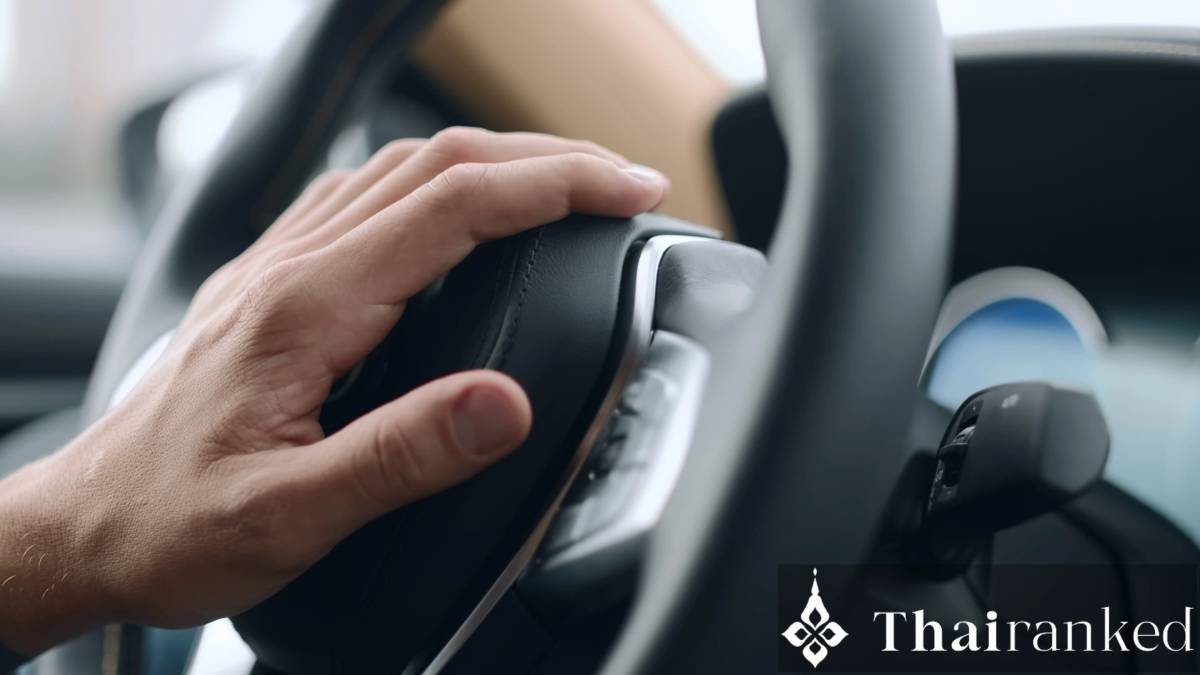
Drivers in Thailand face ribbons of mountain roads and winding highways. If you have hitched a ride for any length of time, you will hear the driver honk, sometimes at curves, sometimes while approaching a shrine or spirit house by the roadside. The ritual seems automatic. Thai drivers offer a quick tap or two, even on empty rural paths. This habit confuses visitors, but it has deep cultural and spiritual roots.
Spirit Shrines and the Ghosts of the Road
Thailand’s roads often snake through mountains, forests, and places locals consider haunted. Roadside shrines, known as "San Phra Phum" or "San Chao Thong," appear at the foot of steep hills, before sharp curves, or where accidents have occurred. Older Thais whisper stories of spirits or mishaps at these sites. Some shrines honor particular deities for safe travel. Others, known as "San Phra Chao Tani" or “banana ghost” shrines, calm restless spirits in places where people have died or experienced tragedy.
A honk acts as a greeting to the resident spirits. Drivers ask for permission to pass safely, and some believe their respect keeps hungry or mischievous ghosts away. It is a moment of mindfulness before entering another realm.
Dangerous Curves and Echoes of Accidents
Thailand’s winding routes, especially in the North or the mountains around Chumphon and Kanchanaburi, claim lives every year. Sharp blind curves pose real danger. In folklore, these bends attract spirits, especially where serious accidents have occurred. The honk serves double duty. First, it alerts oncoming drivers at blind spots, a practical safety step. But in folk belief, it signals respect and acts as a protective measure.
If you notice a dilapidated white shrine, faded garlands, or even offerings of red soda bottles beside a curve, drivers will honk every time they pass. This has become a learned response, regardless of the hour or amount of traffic. Newer shrines often look freshly painted, with incense sticks poking from the sand and lai-see envelopes with coins inside, a sign that the site still feels active in local memory.
“Ramayana Curves” and National Myths
Some of the most famous haunted roads connect to Thailand’s epics. In the old kingdom capitals, you find bends and bridges named after figures from the Ramayana, Thotsakan curves, Hanuman bridges, each tied to wild tales. Locals believe spirits of these legendary battles still linger and that ignoring the custom invites bad luck.
Even long-haul bus drivers, who gain a reputation for skepticism or speed, participate in these rituals. Honking at a spirit shrine or revered curve functions as both tradition and practical insurance, especially when ferrying passengers through night fog.
The Science of Superstition and Road Safety
Thai superstition blends with practical safety. Studies from the Department of Highways show that sound alerts help reduce collisions on blind curves. Although the original motivation may be spiritual, the honk has saved lives and lowered accident rates in risky stretches. The Thai language word "bun," meaning merit, connects paying respect, whether for blessings or for protection, with small acts like this daily.
Other Roadside Rituals: What You Might See
- Spirit houses covered in garlands: Drivers may honk, wai, or even pull over to light incense.
- Red Fanta or soda bottles: Popular offerings at dangerous spots and shrines where children or playful “phi” are said to dwell.
- Piles of helmets or shoes: At some dangerous intersections or curves, you will notice odd piles. These mark sites of fatalities, honoring the dead and warning the living.
- Street food stands and souvenir stalls: These set up next to famous haunted sites, where locals pause to "reset" before journeying on.
If you want to understand more ways Thais interact with the spirit world, check out our guide to Thai ghost beliefs and nighttime taboos.
Honking Rituals by Region
Every region practices slightly distinct road rituals. In Isaan, villagers sometimes throw rice grains or flower petals out the window at tricky bends, a further ask for protection. Southern Thais are most likely to see shrines relating to local legends, naga serpents, or even sea spirits, especially where coastal roads curve at the edge of a cliff. In Lanna culture up north, the relationship with spirits is particularly strong. Here, honking before a bend often coincides with the annual Yi Peng lantern festival, when spirits believed to roam the hills get honored more openly. Read more about this deep-rooted festival at the Yi Peng Festival in Chiang Mai.
Guidelines for Foreign Drivers and Passengers
Travelers in Thailand should know that honking persists even when no other car seems near. If you drive or rent a car, join in the custom at obvious shrines and all blind mountain curves. Locals appreciate it when visitors honor their beliefs, and it can break the ice when traveling with Thai friends or family. Some villages also believe that a foreigner’s respect brings "bun" to the whole car.
When traveling by bus or minivan, watch for these customs and share your observations. Travelers love stories about odd superstitions on the road, and this is a Thai tradition with both mystical and practical roots. Sometimes, you witness drivers, especially older uncles, placing flower garlands around the dashboard before the first honk of the day. That’s not for show; many Thais remember loved ones lost to dangerous highways.
If you are planning a Northern Thailand road trip, check our guide on getting to Chiang Mai from Bangkok. Curious about unique Thai festivals and superstitions? Browse our Ultimate Guide to Thai Temple Fairs for a deep dive into local beliefs near the roadways.
The Enduring Spell of Roadside Rituals
Modernization hasn’t swept aside these ancient customs. Thailand’s road culture still mixes terror and reverence for the land, especially where danger feels close. Next time you hear a sudden honk in the middle of nowhere, watch for the tiny shrine just ahead, or the ghost stories your driver might whisper. Every sound signals both a warning and a wish.
Key takeaways
- Honking at curves and shrines blends safety with deep spiritual belief in Thailand.
- Drivers greet or appease roadside spirits, especially at sites of previous accidents or perfectly placed shrines.
- Roadside rituals extend beyond honking, watch for offerings, flower garlands, red soda bottles, and local legends pinned to dangerous bends.
- Respecting these customs brings both goodwill and practical benefit, especially on winding mountain roads.
- Foreigners are welcome to join the ritual, participation signals cultural awareness, and earns local respect.
Search Hotels & Flights
Related Insights

Learn Thai business dining rules for 2026, how to behave at lunches and dinners, toast properly, handle the bill, and read sabai cues to win trust and respect.
Everything expats need to know about Thailand's alcohol sales ban on Visakha Bucha Day: timing, rules, exceptions, and practical survival tips.
Learn how constituency and party-list voting works in Thailand's 2026 election, including step-by-step explanations, invalid ballots, and common myths.

Discover why Thailand enforces an alcohol ban on election days, how it prevents vote buying, and what travelers should know about this cultural law shock.

Discover tuition, housing, and living costs for students in Bangkok, Chiang Mai, Phuket, and more. Real budgets for Thai and international students in 2026.