Is “Farang” a Bad Word? The Truth About Thailand’s Foreigner Term
February 12, 2026 06:00 AM
Last edited: February 05, 2026


by Thairanked Guide
Thairanked helps you discover great places in Thailand!
Search Hotels & Flights
Related Insights
What Does “Farang” Mean?
If you've spent even a day in Thailand, you've probably heard the word "farang" tossed around in conversation, shouted in markets, or even used by smiling tuk-tuk drivers. For many travelers and expats, "farang" is one of the first Thai words they learn. But is it just an innocent label for foreigners, or is there more beneath the surface? Let's unpack the real meaning, connotations, and origin stories behind "farang", and whether you should feel insulted (or charmed) when you hear it.
Origin of the Word “Farang”
The most common theory of the word’s origin traces back to the time when French traders (“français”) reached the Siamese kingdom in the 17th century. Locals adjusted the pronunciation to "farang," and over time, it became the default label for white Westerners. There are other theories too, some link it to the Persian word "farang," which was used across the region to refer to Europeans, while others note its use for the exotic guava fruit (which arrived with the foreigners, and is still called "farang" today in Thai supermarkets!).
How Thais Use “Farang” Today
In modern Thailand, "farang" is used widely and typically without malice. It most commonly refers to people of European descent (white or Western-appearing foreigners), though you’ll occasionally hear it used for all non-Asian visitors. You’ll hear aunties use it when selling fruit at the market, taxi drivers explaining traffic (“so many farang at this hour!”), or even within families discussing a foreign son-in-law (“my daughter married a farang”).
There’s no equivalent term in Thai for "foreigner" that distinguishes between different Western nationalities, so whether you’re American, German, Australian, or Swiss, you’ll be “farang." For other ethnic backgrounds, there are different words (such as "khon jin" for Chinese, or "khon india" for Indian), but "farang" stands alone as the cheerful catch-all for Westerners.
Is “Farang” Offensive or Racist?
This is the big question that worries many newcomers. Most Thais do not use "farang" as a slur. In fact, it’s generally a neutral (and sometimes affectionate) term, especially when compared to obviously derogatory terms in other languages. The tone, body language, and context matter the most. If a street vendor greets you with a big smile, "Farang! Where are you going?", it’s just a friendly call-out, not an insult.
Of course, context always matters. The word “farang kee nok" (ฝรั่งขี้นก), translated as “bird-dropping foreigner,” is definitely derogatory, roughly equivalent to "trailer trash" or "riff-raff," and you won’t hear it in polite company. But standard “farang” is usually just that, a straightforward label.
No one wants to be reduced to their ethnic background, but in Thailand, "farang" is far less loaded than terms like “gringo” (in the Americas) or “gwailo” (in Hong Kong). If you’re curious about more surprising quirks of the Thai language, don’t miss our guide to Thai nicknames like Beer, Golf, or Pancake. It’s a fun read and reveals even more about how the Thai language adapts foreign terms playfully.
Attitudes Toward “Farang” in Thai Society
Thailand is generally welcoming toward outsiders and has a complex relationship with foreigners. While there’s no denying that some stereotypes about farang exist, usually involving sunburn, fruitless attempts to speak Thai, or unexpected culinary habits, they're often delivered with good-natured humor rather than malice.
In urban expat hubs like Bangkok or Chiang Mai, both locals and expats have adopted “farang” as shorthand. You’ll hear it in workplaces, bars, and even between non-Thai residents (“He’s a farang teacher at my school"). Sometimes, expats refer to themselves with the word, too.
How to Respond When Called a “Farang”
If you’re new to Thailand and hear someone calling you "farang," take it as an opportunity to smile and start a conversation. Learning to laugh it off is part of the expat journey. Of course, if the context feels harsh or derogatory, you can politely ask the speaker about their meaning; most Thais will be happy to clarify and, more often than not, will be mortified if they’ve given offense.
Try surprising your new acquaintances by responding with a bit of Thai (even a cheerful “sawasdee krub/ka!”). And if you want to stand out, browse our guides on understanding temple customs or the cultural idea of “kreng jai”; these small insights will help you go from “farang” to (almost) “local.”
Other Curious Uses of “Farang” in the Thai Language
“Farang” isn’t just used for people. That green guava you see sliced up at Thai street stalls? It’s called “fruit farang.” Some local sayings use "farang" to mean “foreign-style” or to reference imported things. For example:
- Man farang: potato (the “foreign tuber”)
- Moo farang: a joking (and slightly old-fashioned) term for white pork breeds
Embracing the word’s quirkiness is half the fun of being here!
A Word on Identity & Accepting Local Terms
Identity terms are always a touchy issue. If you’re a long-term expat, you’ll likely get used to “farang” as just another label, sometimes you’ll even introduce yourself with it. But if you ever feel uncomfortable, remember you can always redirect the conversation or share a little about your background. Teaching Thais to say your nationality (“yeh-man” for German, “frung” for French) is a friendly icebreaker and often sparks smiles.
Want to Learn More About Thailand?
If you’re fascinated by cultural quirks, why not explore more? Check out our deeper dives on why Thais take off their shoes everywhere or get ready for festival season with our guide to Thailand’s top festivals.
Key takeaways
- “Farang” is a mostly neutral, sometimes affectionate label for Westerners in Thailand.
- The word originated from “français” and spread across the region through trade and colonial contacts.
- Context and tone matter; rarely is “farang” used with malice, but watch out for variations like “farang kee nok.”
- It’s common for expats and even locals to use the term informally and good-naturedly.
- If you’re unsure, just ask. Thais appreciate curiosity and cultural exchange!
by Thairanked Guide
Thairanked helps you discover great places in Thailand!
Search Hotels & Flights
Related Insights

Discover the cultural heart of Muay Thai, the teacher tribute and sacred piphat music that move every fighter beyond the ring.
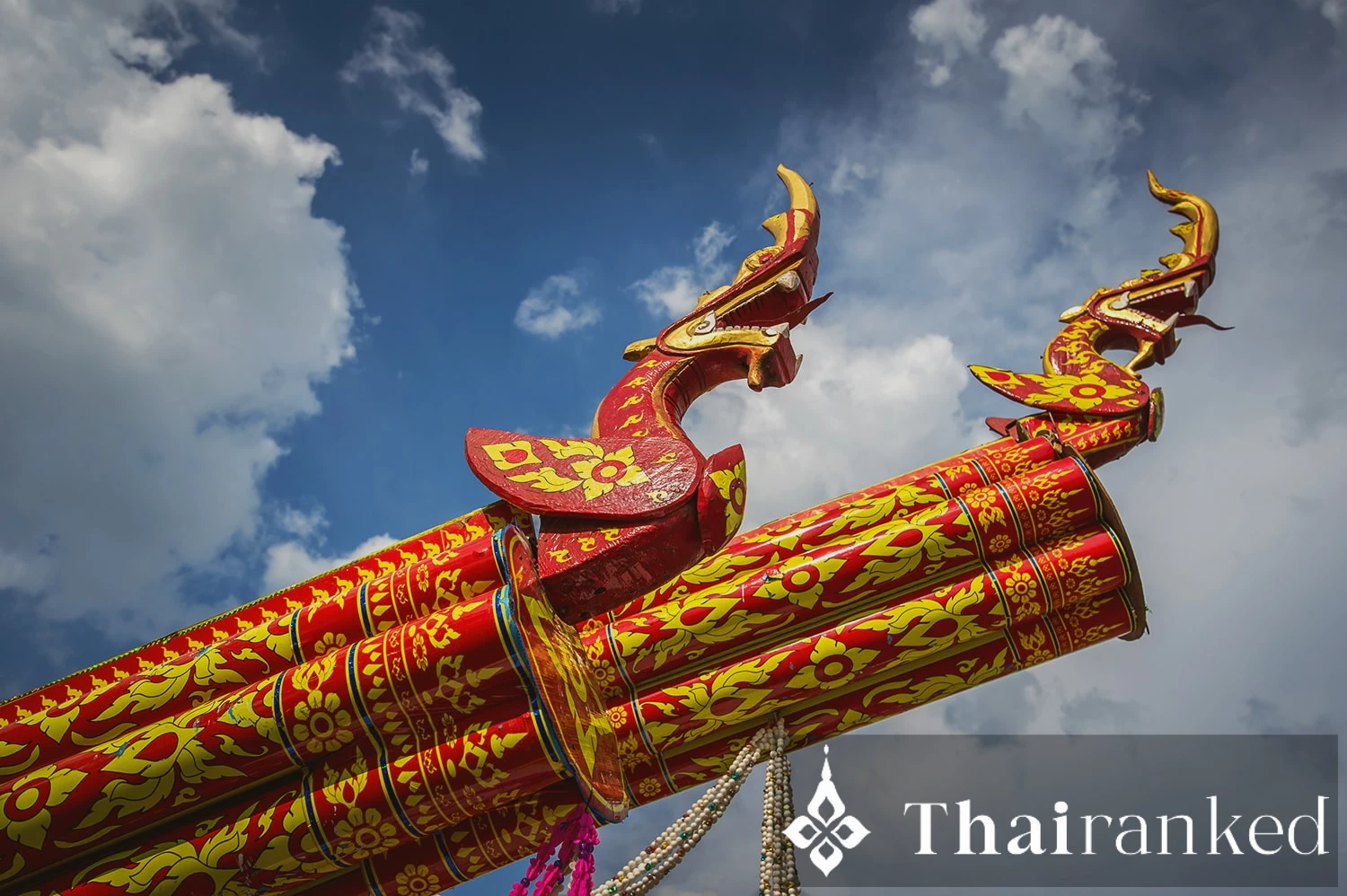
Discover the fascinating legend and history behind Bun Bang Fai, Thailand’s explosive Rocket Festival that launches homemade rockets to awaken the rain gods.
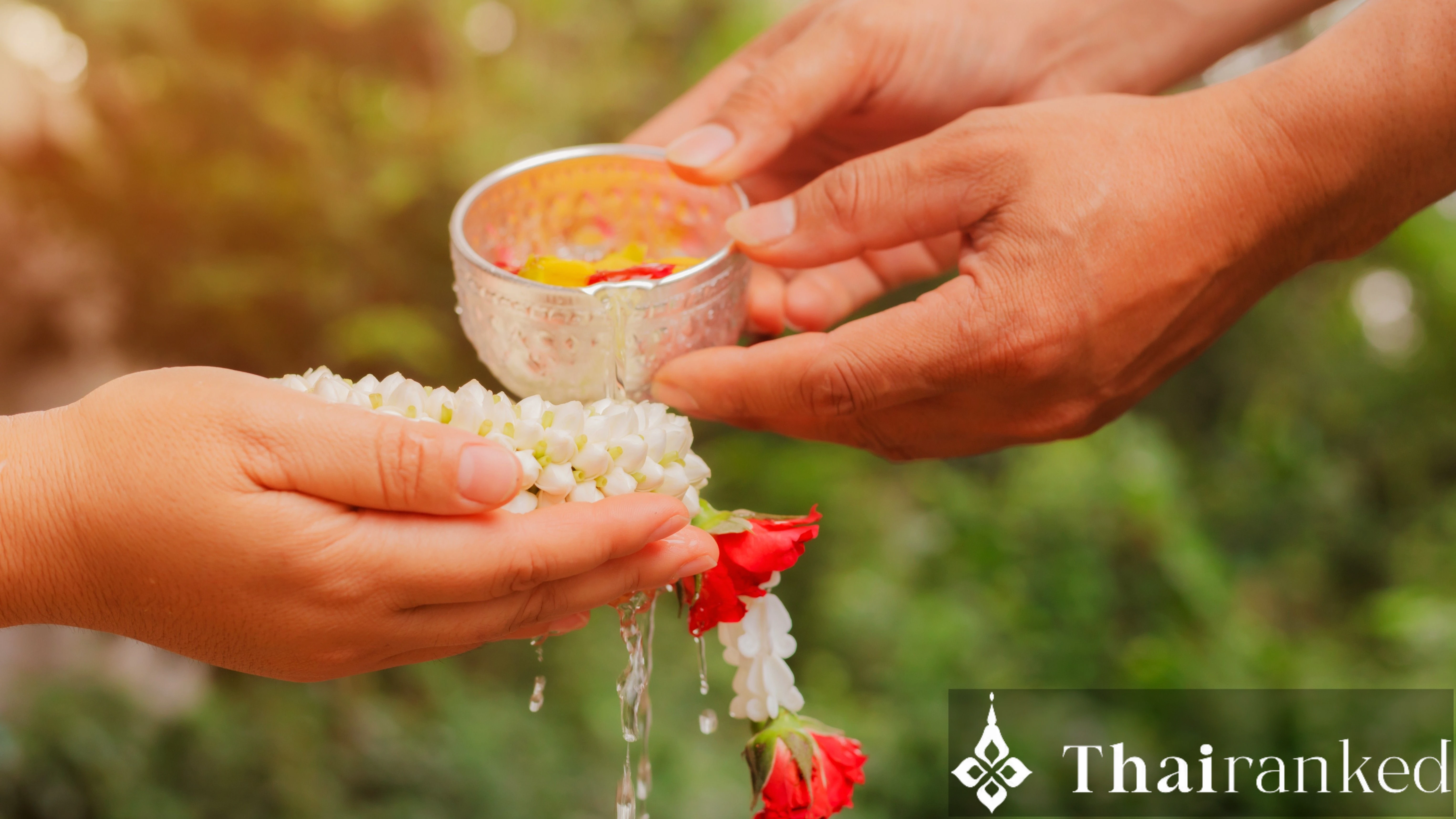
Discover how to celebrate Songkran the traditional way: Buddhist blessings, merit-making, and customs, no water fights required!
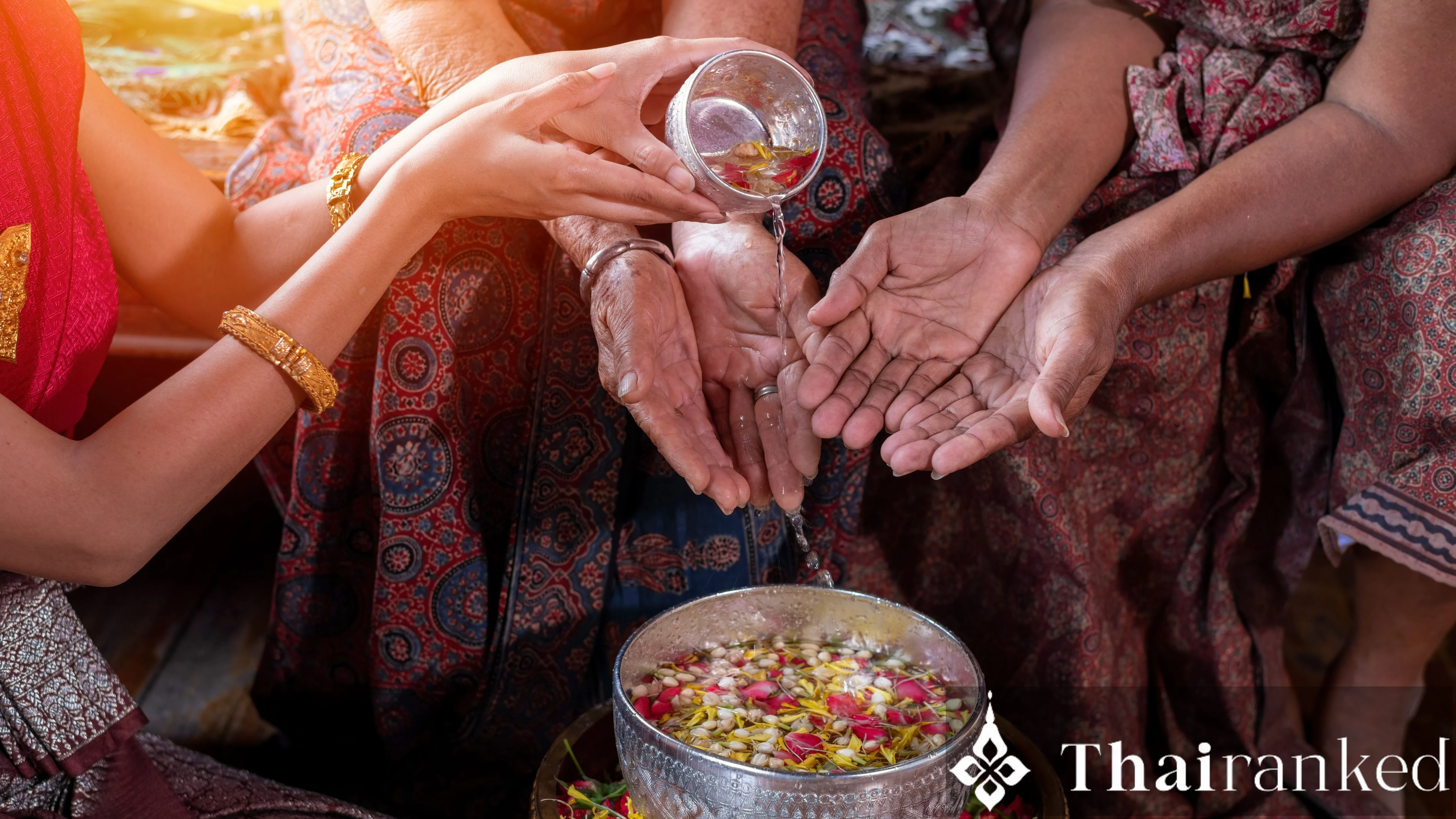
Discover the true history of Songkran, Thailand's New Year. Uncover the origins, rituals, and the deep meaning behind all the splashing water.
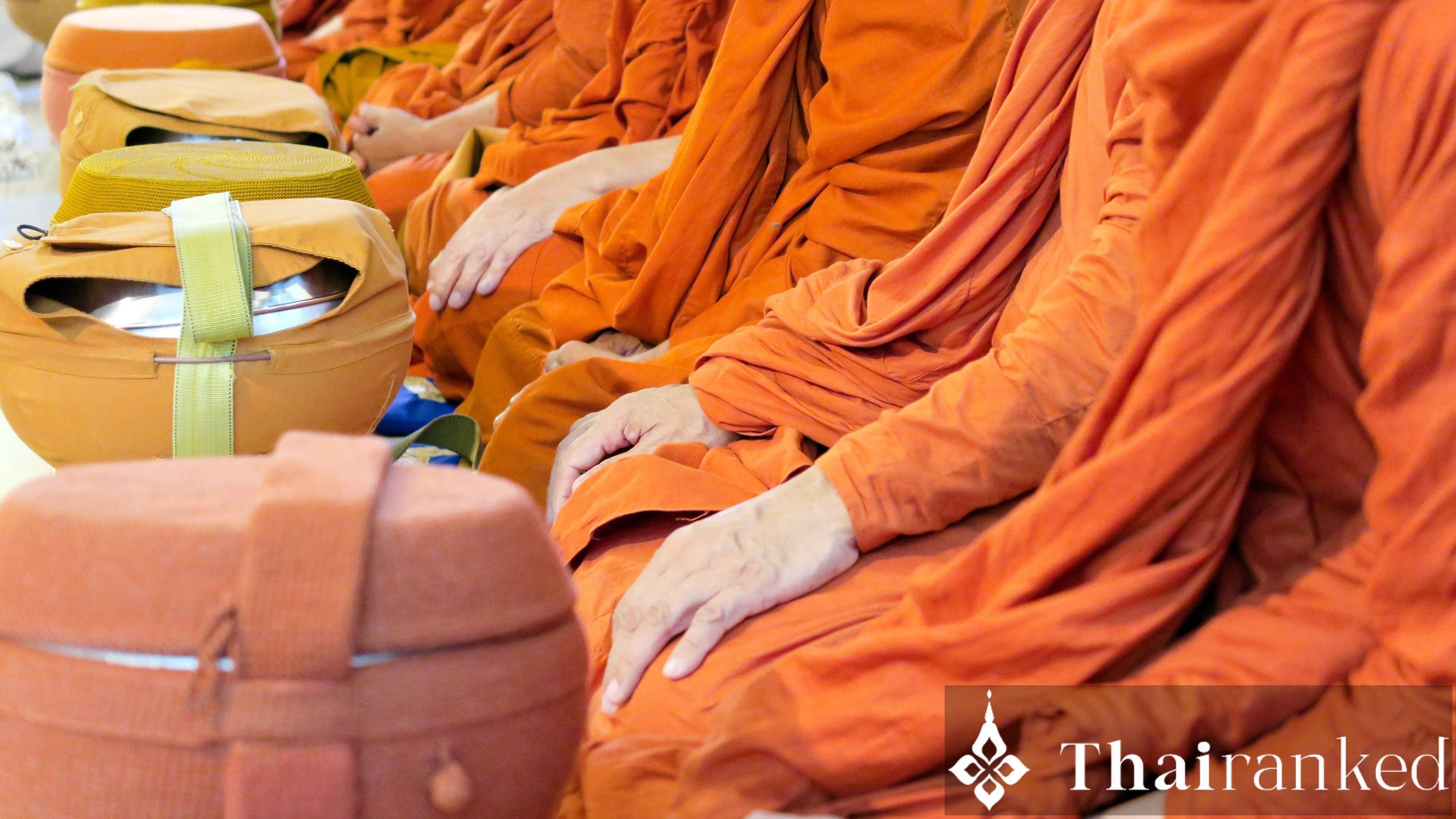
Discover Makha Bucha, Thailand’s first major Buddhist holiday, its miracle story, teachings, and essential Thai traditions, making merit and candle processions.
What people ask about
"Is “Farang” a Bad Word? The Truth About Thailand’s Foreigner Term"
Here you will find answers to the most popular questions about Thailand.