Khao San Road De marché de “riz moulu” à hub de routards
January 27, 2026 04:00 AM
Dernière modification : April 30, 2026

by Thairanked Guide
Thairanked helps you discover great places in Thailand!
Rechercher hôtels & vols
Aperçus liés
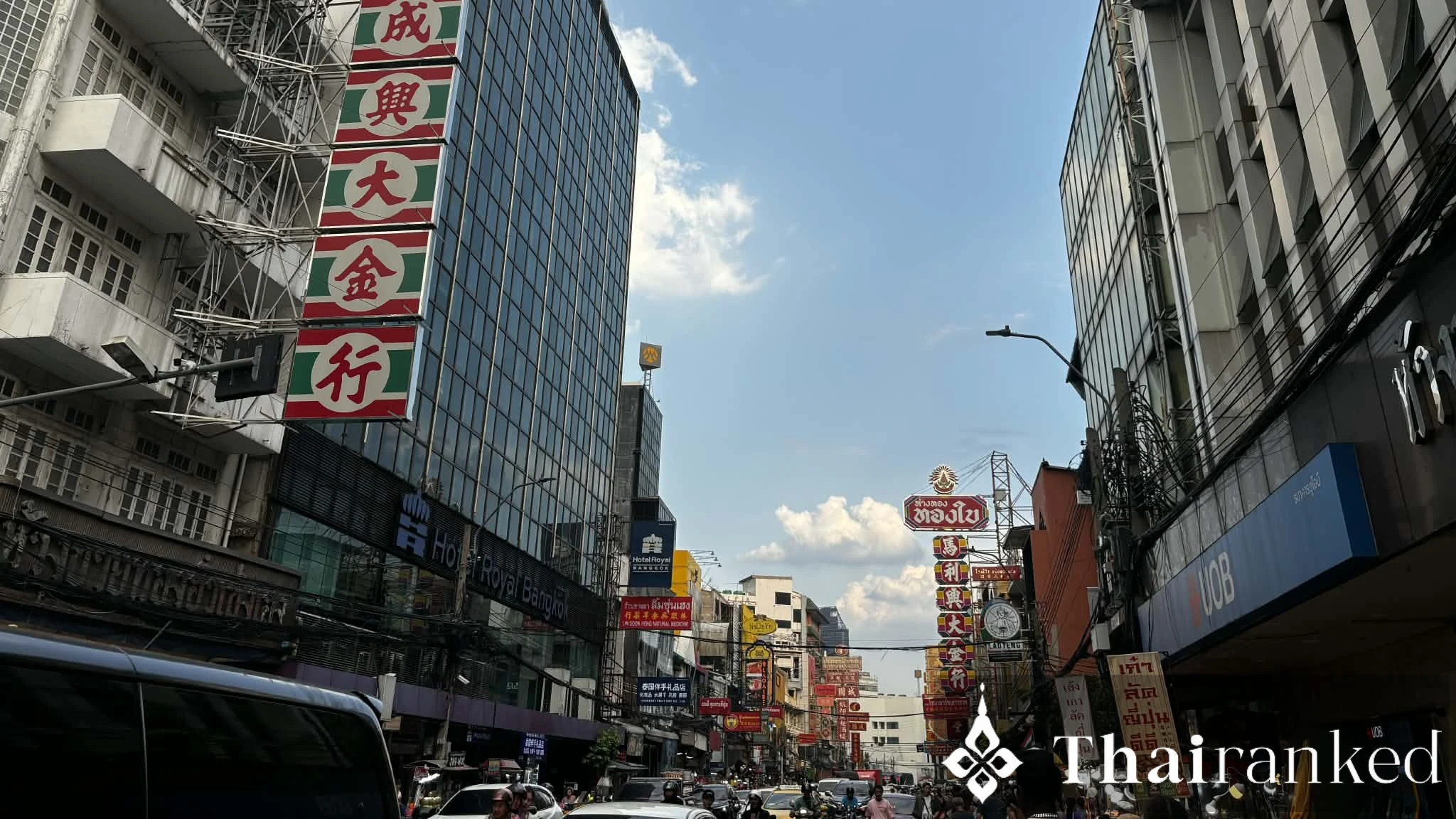
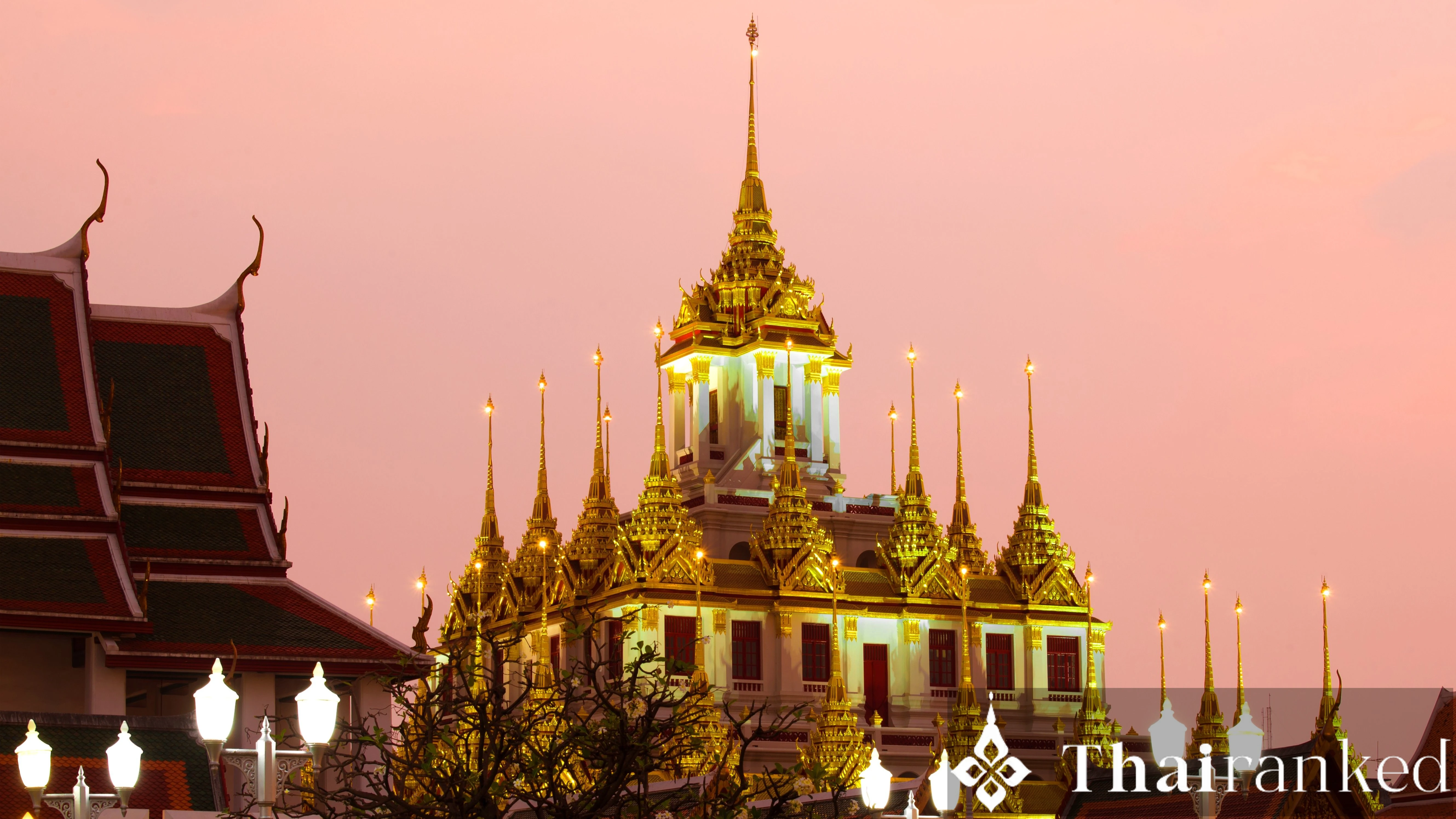
Les Origines de Khao San Road : Plus Qu'une Rue de Fête
La plupart des gens pensent à Khao San Road et voient des enseignes au néon, des auberges animées, des bars à bas prix et des routards se bousculant pour de la nourriture de rue. L'histoire de Khao San Road est plus riche et plus profonde que son image de boulevard pour routards en Asie du Sud-Est. Le nom “Khao San” signifie “riz moulu” en thaï, faisant référence à une époque où ce quartier faisait de Bangkok un centre pour l'un des aliments essentiels au monde.
Les Racines du Marché du Riz de Khao San Road
Avant que les guides Lonely Planet et les marchés de nuit ne suscitent l'attention, Khao San Road pulsait avec une énergie différente. Établie il y a plus d'un siècle pendant le règne du roi Rama V, cette rue servait de marché pour le meulage et le négoce du riz. À la fin du 19ème et au début du 20ème siècle, des commerçants affluaient ici pour le plus grand marché du riz de Bangkok et, à certaines périodes, du pays. Les expéditions de riz arrivaient par canal ou chariot, et les marchands concluaient des accords pour le riz de jasmin et le riz gluant. Des entrepôts et des maisons commerciales abritaient du riz moulu pour l'exportation ou pour des cuisines locales. “Khao San”, la route du riz moulu, fait référence à la fois au produit et au processus qui a défini le but initial de ce quartier.
Khao San Road en tant que Pôle Commercial
La localisation de Khao San au nord du Grand Palais et près des routes Maritimes fluviales la plaçait parfaitement pour les commerçants. Le quartier mêlait l’animation commerciale et le charme d’antan, avec des entreprises locales, des restaurants familiaux et des maisons d'hôtes pour les marchands de riz et leurs familles. Alors que la Thaïlande se modernisait et que le commerce des matières premières évoluait, le commerce de riz s’estompa ici, et l'histoire de Khao San a changé de cap.
La Naissance d'une Révolution des Routards
La transformation a commencé à la fin des années 1970. Le voyage à sac à dos international a gagné en popularité grâce à des voyages aériens moins chers, au mouvement des auberges de jeunesse et à la croissance du tourisme en Thaïlande. Les propriétaires d’hôtels et de maisons d’hôtes ont adapté des chambres vides au-dessus d’entrepôts de riz silencieux. Les guides de voyage mettaient en avant ce quartier abordable près des temples, de la rivière et des monuments. Les aventuriers sur le “sentier des crêpes à la banane” de Népal à Bali ont vite découvert Khao San Road pour ses lits à prix réduit, ses agences de voyage et une galerie de nomades. Des bars, des cafés et des librairies ont ouvert alors que le commerce du riz tombait dans l’histoire, et Khao San se transformait en un carrefour de culture de voyage. Vous pouvez en savoir plus sur des routes uniques et leur histoire en parcourant Bangkok : Le Nom de Ville le Plus Long du Monde.
L'Ambiance Moderne : Khao San Road Aujourd'hui
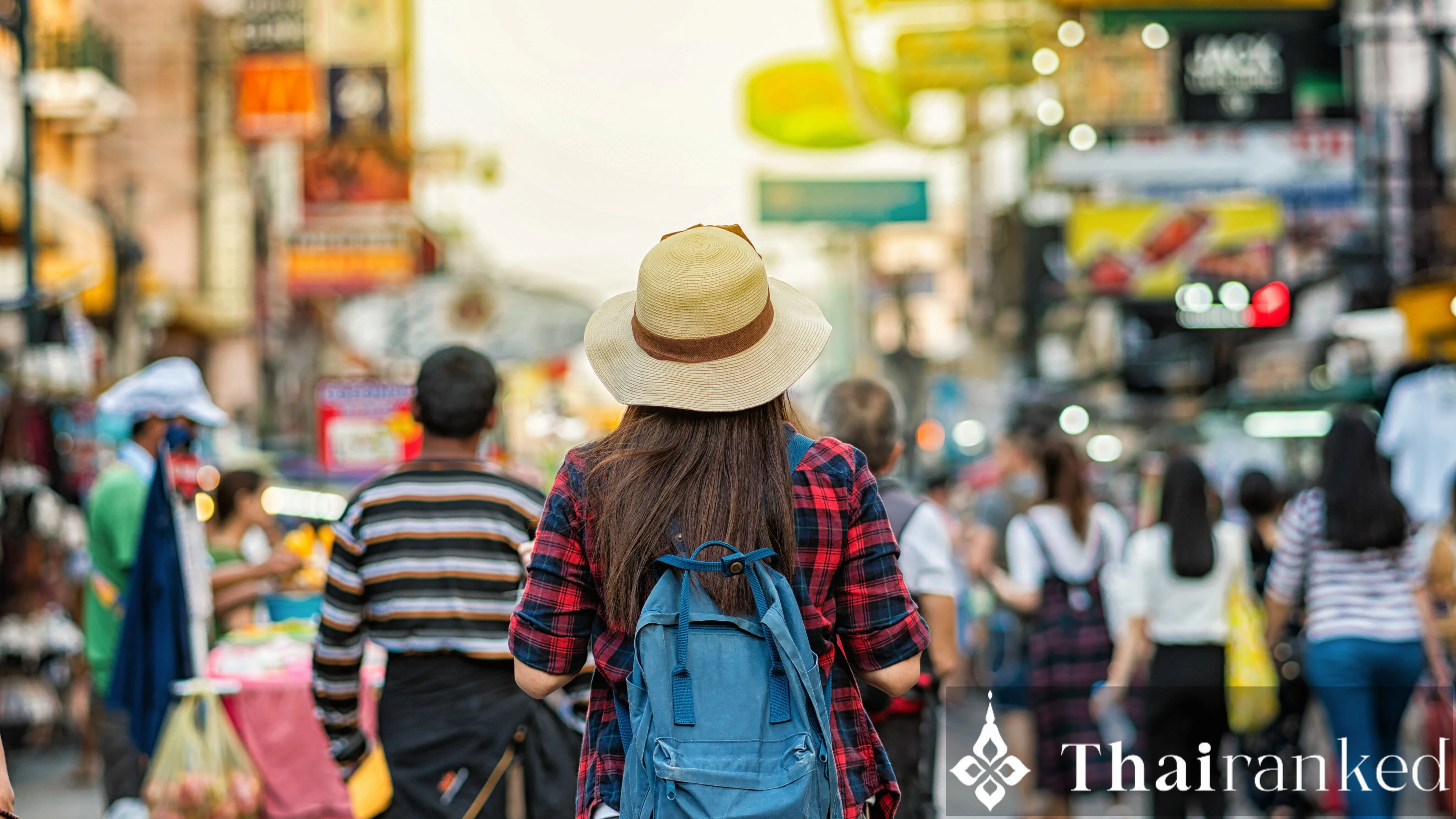
Khao San vibre maintenant avec des routards, des vendeurs de nourriture, des musiciens de rue et des Thaïlandais se mêlant à la foule. Des studios de tatouage, des stands de t-shirts, des bars à chicha sur les toits et des boulangeries véganes peuplent la scène. Ici, le voyage mondial se mêle à un esprit thaï vivant. Des moines collectant des aumônes le matin, un DJ techno à deux heures du matin, Khao San rassemble tous les types ensemble.
Des rues latérales comme Rambuttri et Soi Chana Songkhram offrent une atmosphère plus calme et bohémienne pour ceux qui veulent éviter le chaos de Khao San. Utilisez Khao San comme point de départ pour des bus de nuit vers les îles, des courses de visa ou des circuits économiques autour de la Thaïlande et de l'Asie du Sud-Est. L'ascension des prix et la réglementation jouent maintenant un rôle plus important, mais la rue attire les voyageurs curieux en quête de leur propre histoire à Bangkok.
Se Souvenir de l'Héritage du “Riz Moulu”
Le “Khao San” de Khao San Road représente un lien avec l'identité de Bangkok en tant que capitale du riz. Pendant des générations, le négoce du riz a amené de nouvelles personnes et de nouvelles histoires dans cette région. Le Khao San d'aujourd'hui porte encore cet héritage dans son énergie, même si la foule change chaque nuit. Le nom vous rappelle les familles travaillant et les commerçants qui ont construit les fondations sous les lumières de fête d'aujourd'hui.
Le Vieux Rencontre le Neuf à Khao San
Observez de près et repérez des maisons commerciales d'origine, des volets en bois anciens ou la rare relique du commerce du riz coincée entre des auberges et des bars. Certaines familles thaïes gèrent encore des entreprises ici, transmettant des histoires à travers les générations. Ce mélange d’ancien et de nouveau donne à Khao San sa saveur enracinée et indéniable. Si vous voulez trouver d'autres endroits où l'histoire et le présent se rencontrent, consultez notre verdict de voyage Ayutthaya vs. Sukhothai.
Explorer Au-delà de Khao San Road
Khao San attire des routards, mais la culture et le calme se cachent à distance de marche. Des temples comme Wat Bowonniwet et Wat Chana Songkhram montrent le Bangkok historique. La route Phra Athit se dirige vers la rivière Chao Phraya, où vous trouverez des cafés au bord de l'eau et des parcs tranquilles. Pour en savoir plus sur l'étiquette des temples, parcourez notre guide des rituels des temples thaïs.
Vous pourriez repérer d'autres foyers de vie nocturne à Bangkok à proximité, comme ceux de nos classements de bars à Thonglor. Rechargez-vous après le chaos de Khao San avec des promenades matinales, visitez l’un des meilleurs gymnases de Bangkok. Si vous souhaitez vivre une expérience culinaire à Khao San, consultez les 5 meilleurs restaurants de Khaosan Road.
Conseils pour Visiter Khao San Road
- Restez prudent : Khao San offre une visite sûre, mais gardez un œil sur vos objets personnels, surtout la nuit.
- Mangez local : Évitez les menus touristiques et choisissez des vendeurs avec pad thaï, glace à la noix de coco ou riz gluant à la mangue.
- Négociez poliment : La négociation fonctionne aux stands de marché ; utilisez un sourire avec votre offre.
- Faites attention au bruit : Le sommeil est plus facile si vous réservez une maison d'hôtes à un ou deux blocs des sections les plus animées.
- Habillez-vous modestement pour les visites de temples : Les sites majeurs jonchent la région, donc couvrez vos épaules et genoux lors de vos promenades pendant la journée.
- Essayez les rues latérales : Explorez Rambuttri ou Phra Athit pour une scène plus douce et des bars au bord de la rivière.
Points Clés à Retenir
- L'héritage de “riz moulu” de Khao San Road a façonné son identité initiale en tant que pôle majeur du marché du riz à Bangkok.
- Des décennies l'ont transformée d'une rue commerciale locale en centre pour routards du monde entier en Thaïlande.
- Cette rue mélange aujourd'hui la vie locale, les voyageurs du monde, la vie nocturne et les échos de son passé commercial.
- Le quartier regorge de culture, de temples et d'évasions au bord de la rivière.
- Les voyageurs curieux qui explorent les rues latérales gagnent l'expérience Khao San la plus satisfaisante.
Planifiez votre exploration de Khao San et au-delà avec des activités de Get Your Guide - Bangkok.
by Thairanked Guide
Thairanked helps you discover great places in Thailand!
Rechercher hôtels & vols
Aperçus liés
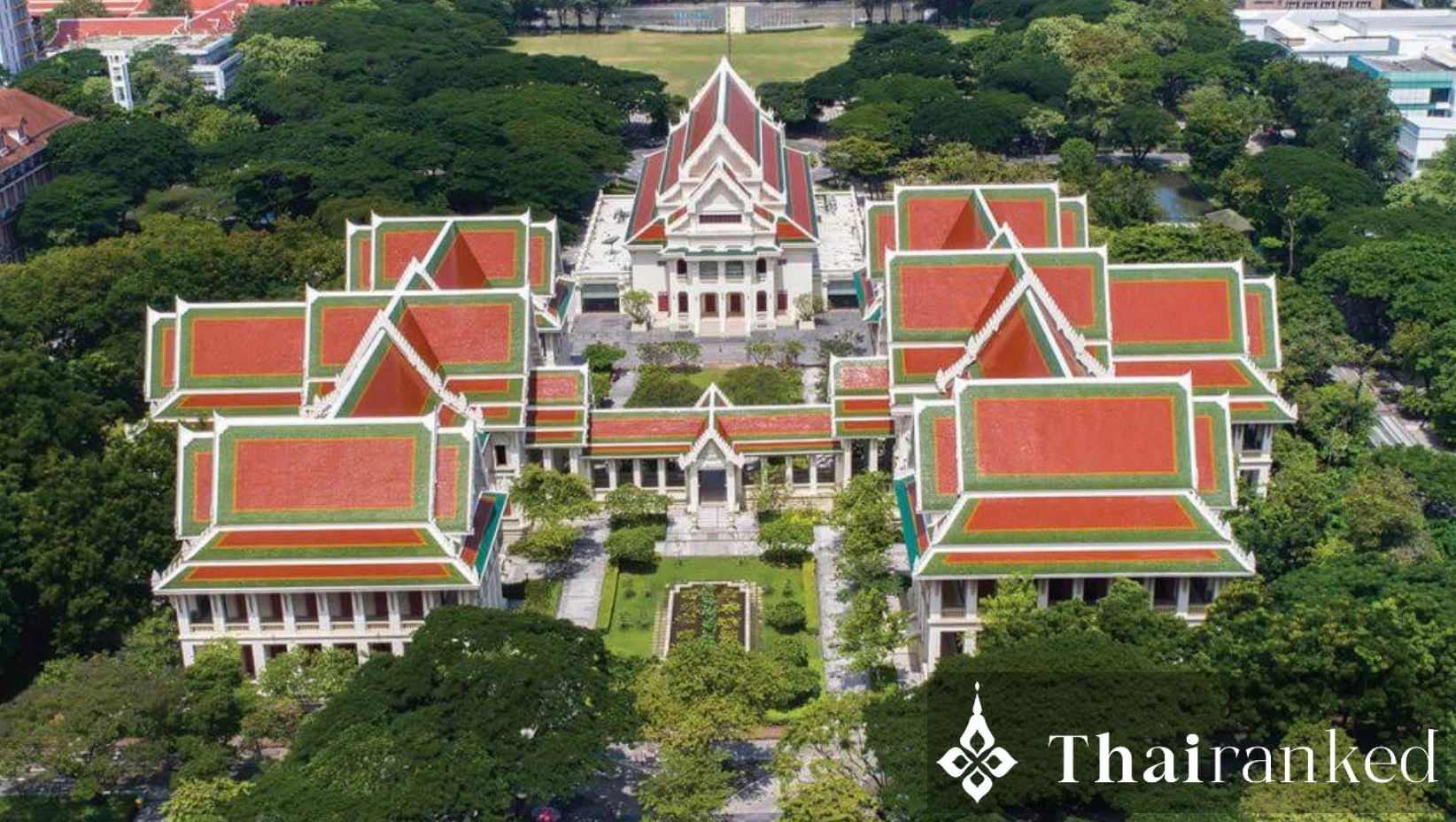
Tracez l'histoire de l'Université Chulalongkorn depuis sa fondation en 1917 par le roi Vajiravudh jusqu'à son centenaire en 2017, la croissance du campus, l'héritage académique et son rôle moderne.
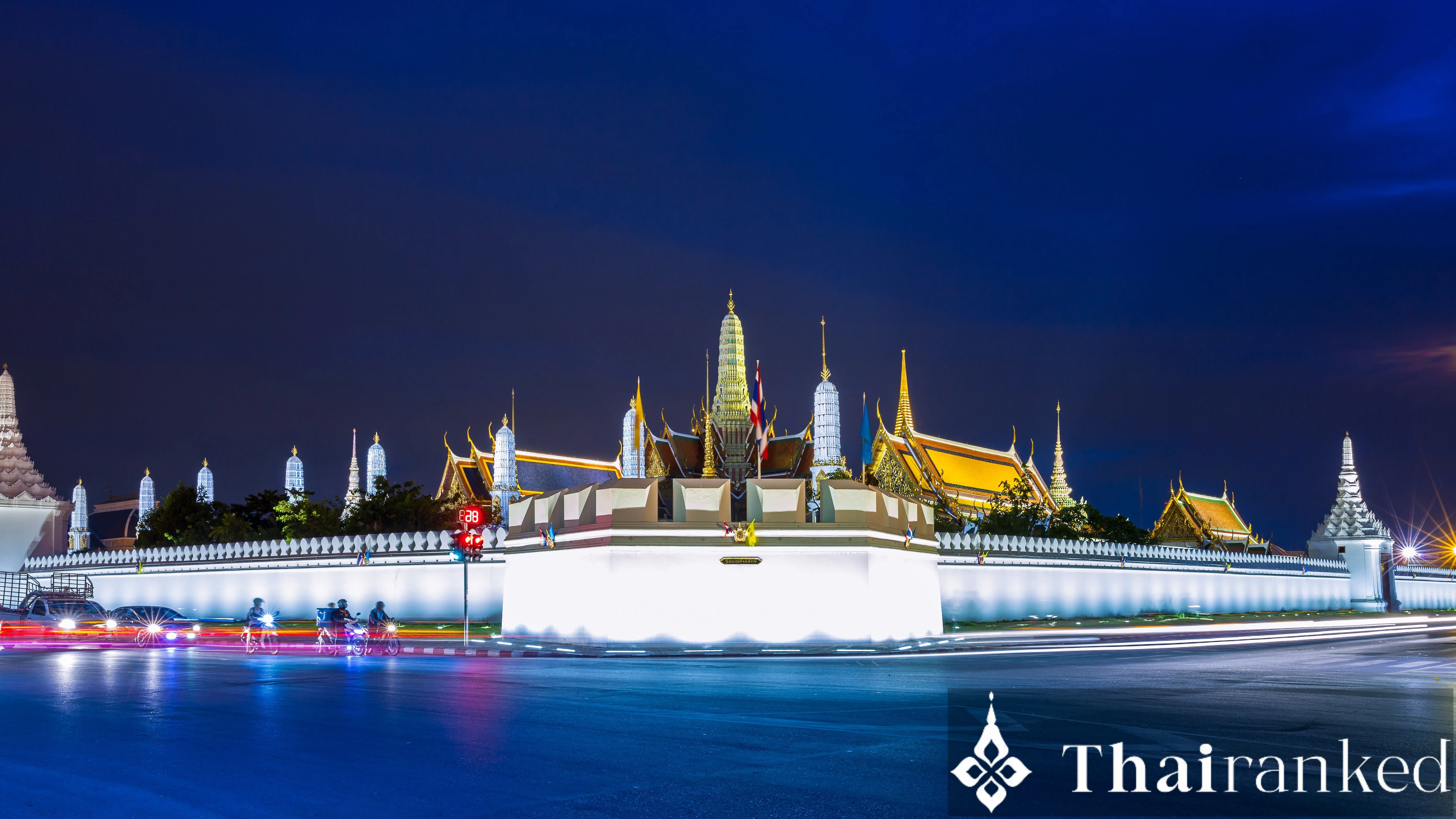
Découvrez le nom officiel complet de Bangkok, la traduction, l'histoire et la signification culturelle, ainsi que des conseils pour les visiteurs curieux de la célèbre capitale de la Thaïlande.
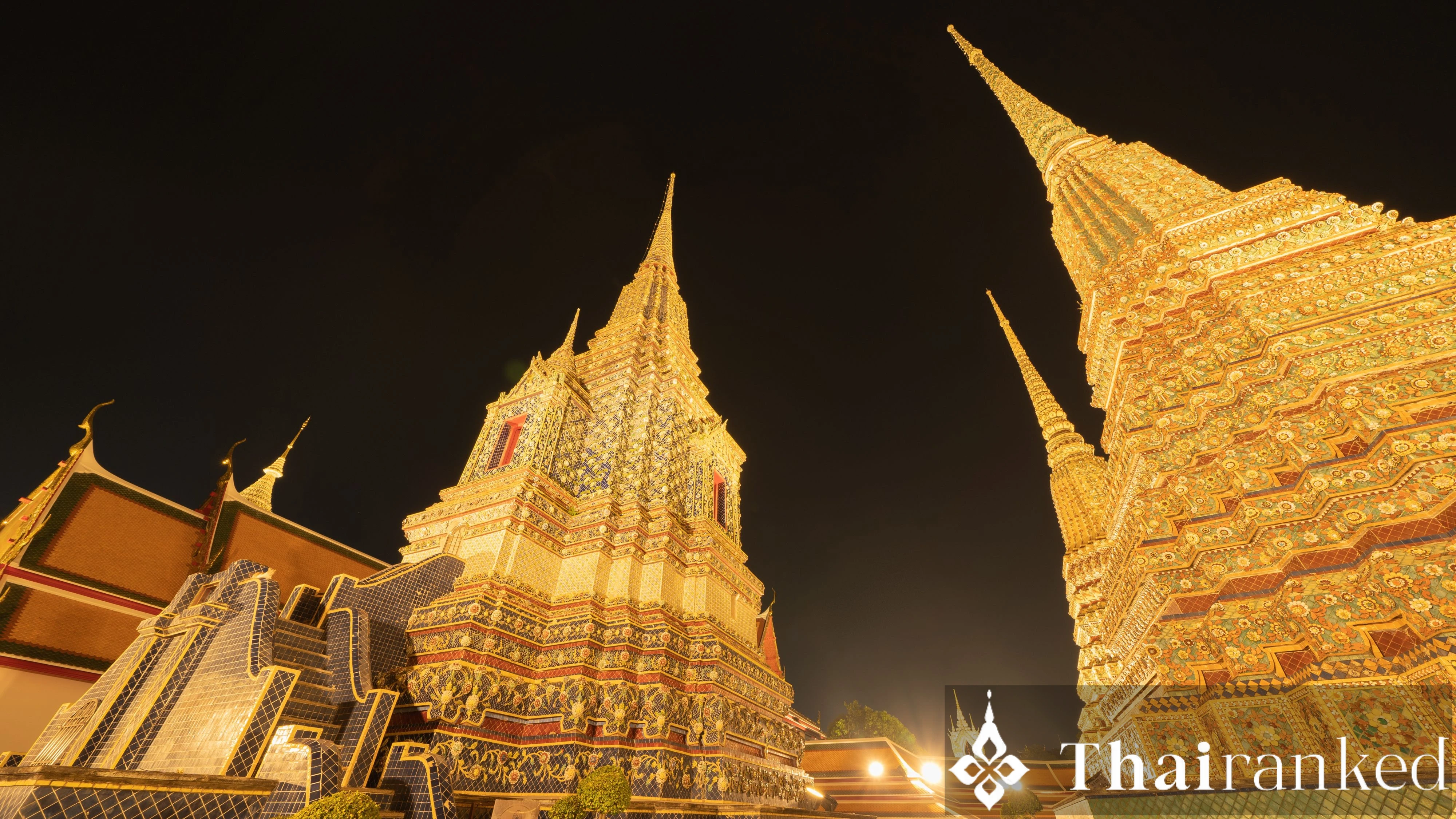
Découvrez le grand Bouddha couché au Wat Pho, la vision du roi Rama III, et le lieu historique de naissance de l'éducation thaïlandaise à travers les inscriptions uniques de Wat Pho.
Explorez l'histoire du Chinatown de Bangkok, Sampeng et Yaowarat, du commerce maritime, des enveloppes rouges et de la culture commerciale vibrante façonnée par les premières communautés chinoises.
Découvrez le Loha Prasat au Wat Ratchanadda, le château de métal unique de Bangkok. Plongez dans son histoire, son architecture et découvrez pourquoi c'est un site photo incontournable.
Ce que les gens demandent à propos de
"Khao San Road De marché de “riz moulu” à hub de routards"
Vous trouverez ici des réponses aux questions les plus populaires sur la Thaïlande.