Why Is Thai Tea Orange? The Story Behind the Color
August 25, 2026 07:49 AM
Last edited: August 25, 2026

by Thairanked Guide
Thairanked helps you discover great places in Thailand!
Search Hotels & Flights


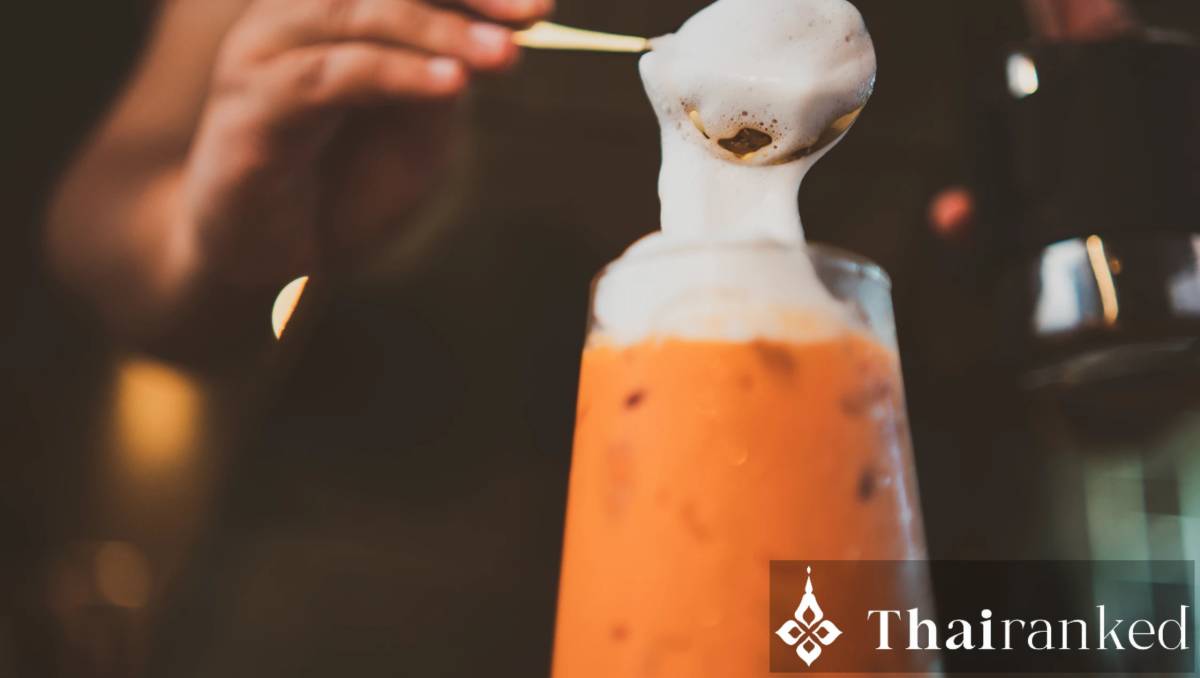
Thai iced tea, called cha yen by locals, grabs attention with a bright orange colour that stands out in Bangkok markets and Phuket beach kiosks. You will notice the colour before the aroma, and you will ask the same question many visitors ask, why does Thai tea look orange?
Short answer
Street vendors and commercial mixes add an orange dye to the brewed tea to create the vivid colour. Strong black tea and spices give the base a deep, amber tone, and vendors add colour to create a signature look and to cut through the drink's brown shade when mixed with condensed milk.
Where the orange colour comes from
Vendors do three things that create the final orange cup. First, they brew a strong black tea base, often an Assam-style or robust black blend, to produce a deep, tannic liquid that stands up to sweetened condensed milk. Second, they add spices and aromatics to the leaves, often star anise and other warm spices that produce brown and orange hues when steeped. Third, they add a commercial colourant, often a yellow or red food dye that combines with the tea's amber to make the familiar orange.
Why vendors add dye
Vendors use colour for branding, shelf recognition, and consistency. A bright orange cup signals "Thai iced tea" at a glance. The dye keeps the drink looking the same from stall to stall, even when vendors use different tea blends or milk ratios. Manufacturers of ready-mix Thai tea add dye inside the powder to give a reproducible colour when customers brew at home.
What dyes appear in Thai tea
Manufacturers vary ingredients by brand and by year. Some commercial mixes list synthetic colourants, including sunset yellow and tartrazine, on their packaging. Food regulators changed labelling rules in many countries, and bigger brands adjusted formulas to meet those rules. Vendors in Thailand purchase mix powders that already contain the dye, or they add food colour themselves.
Natural alternatives to orange dye
You can recreate the orange hue without synthetic dye with several kitchen ingredients. Two options work well.
- Annatto extract, called achiote in some cuisines, releases a red-orange oil when steeped in warm water or oil, and it gives a similar tone without synthetic dye. Use a small amount of annatto seeds simmered in water, then strain and add to the tea.
- Turmeric produces a vivid golden colour. Use a pinch of turmeric powder or a short simmer of fresh turmeric root. Turmeric creates a yellow shade that shifts toward orange when mixed with darker tea.
Both options change flavour. Annatto offers a neutral, slightly earthy note that blends with milk and sugar. Turmeric adds an earthy, peppered edge, and you will want less of it than you would synthetic dye. Test small batches until you find the balance you like.
How to make authentic cha yen at home
This recipe keeps ingredients simple, and it avoids synthetic food colouring. Measure ingredients by taste, and adjust sugar and milk to match the sweetness you prefer.
- 3 tablespoons strong black tea leaves, or 3 tea bags of a robust black blend
- 2 star anise pods, optional for aroma
- 1 cup boiling water per serving
- 1 tablespoon sweetened condensed milk per serving
- 1 tablespoon evaporated milk or whole milk per serving
- 1 teaspoon annatto oil or a pinch of turmeric, optional for colour
- Ice
Steps:
- Place tea leaves and star anise in a heatproof jar, pour boiling water, and steep five to ten minutes. Taste the brew, and steep longer if you want more strength.
- Strain the tea into a pitcher. Add sugar while the tea remains hot, stirring until dissolved.
- Cool the sweetened tea, then fill a glass with ice. Pour the tea over ice until the glass is three quarters full.
- Swirl condensed milk into the tea, top with evaporated milk, and finish with a small spoon of annatto oil or a pinch of turmeric if you want a brighter orange colour. Stir and serve.
Variations and modern twists
Cafes and bubble-tea shops craft versions that highlight texture and presentation. Boba cafes add tapioca pearls and serve less sweet bases so the milk and pearls balance the sugar. Some high-end cafes swap condensed milk for coconut cream, and other operators use barista-grade black tea blends with vanilla or orange peel for extra fragrance.
Health and taste notes
Thai iced tea contains more sugar than typical brewed milk teas. Sweetened condensed milk adds significant calories. Order "less sweet" or ask for evaporated milk or a plant milk alternative to reduce sugar and fat. If you want the orange look without synthetic dye, ask vendors in Bangkok, Chiang Mai, or Phuket if they will use annatto or no colour. Vendors respond when you ask for your drink with fewer additives.
Where to try Thai iced tea in Thailand
Street stalls serve classic cha yen across Bangkok markets and near tourist sites. You will find modern takes in coffee shops and boba stores in Sukhumvit and Thonglor. If you plan travels, consult local guides on neighbourhood food options and safety. For context on travelling in Thailand, read our overview of why Thailand attracts visitors at Why Thailand Is a Top Destination in 2026, and our practical safety advice at Thailand Boosts Tourism Safety: What Travelers Need to Know. Solo travellers will find guidance at Is Thailand Safe for Solo Travelers?, and if you travel for medical care, our overview explains how medical tourism works at How Medical Tourism in Thailand Actually Works.
Final note
Orange colour does not define the taste. The combination of strong tea, fragrant spices, condensed milk, and ice creates the cha yen profile. Vendors use dye to create an iconic look, but you can make a bright, appealing cup without synthetic colourants by using annatto or turmeric. You will enjoy the tea for its balance of sweet, creamy, and aromatic notes, whether the colour appears neon orange, golden, or classic amber.
Key takeaways
- Vendors and commercial mixes add orange dye to create the signature colour.
- Strong black tea and warm spices form the flavour base.
- Annatto or turmeric offer natural colour alternatives that change flavour, choose amounts carefully.
- You can ask vendors for less sugar or no synthetic colour to make a cleaner cup.
- Try cha yen at street stalls and specialty cafes to find your preferred balance of sweetness and colour.
Search Hotels & Flights
Related Insights

Learn Thai business dining rules for 2026, how to behave at lunches and dinners, toast properly, handle the bill, and read sabai cues to win trust and respect.
Confused between mayongchid (marian plum) and maprang (plum mango)? Learn how to spot the real thing, avoid throat irritation, and shop smart in Thailand.
Discover Ma-Yong-Chid (Marian plum), Thailand’s sweet and sour fruit that’s in season only in February. Learn how to eat it, where to find it, and why you must try it.
How papaya salad went from Isan staple to national star. Explore migration, affordability, flavor trends, and regional som tam variations you should try.
Pad Thai wasn’t born in a street stall but shaped by politics, migration and national identity. Discover the full history of Pad Thai, from Chinese noodle traditions to 1930s nation-building and global fame, plus fun facts to impress anyone at dinner.
What people ask about
"Why Is Thai Tea Orange? The Story Behind the Color"
Here you will find answers to the most popular questions about Thailand.
 Chat with us