Mayongchid vs. Maprang: Don’t Buy the Wrong Orange Fruit!
February 23, 2026 04:45 AM
Last edited: February 23, 2026
by Nam Thairanked
I love traveling and eating Thai food.
Search Hotels & Flights
Mayongchid vs. Maprang: Thailand’s Lookalike Orange Fruits Explained
If you’re in Thailand during fruit season, chances are you’ll see two small, oval, orange fruits on market stalls: mayongchid (มะยงชิด), also known as the marian plum, and maprang (มะปราง), also called the plum mango. Many travelers and even some locals struggle to tell them apart. Not knowing the difference can lead to disappointment, or worse, that scratchy throat sensation! Let’s break down the differences so you get the sweet treat you want.
What are Mayongchid and Maprang?
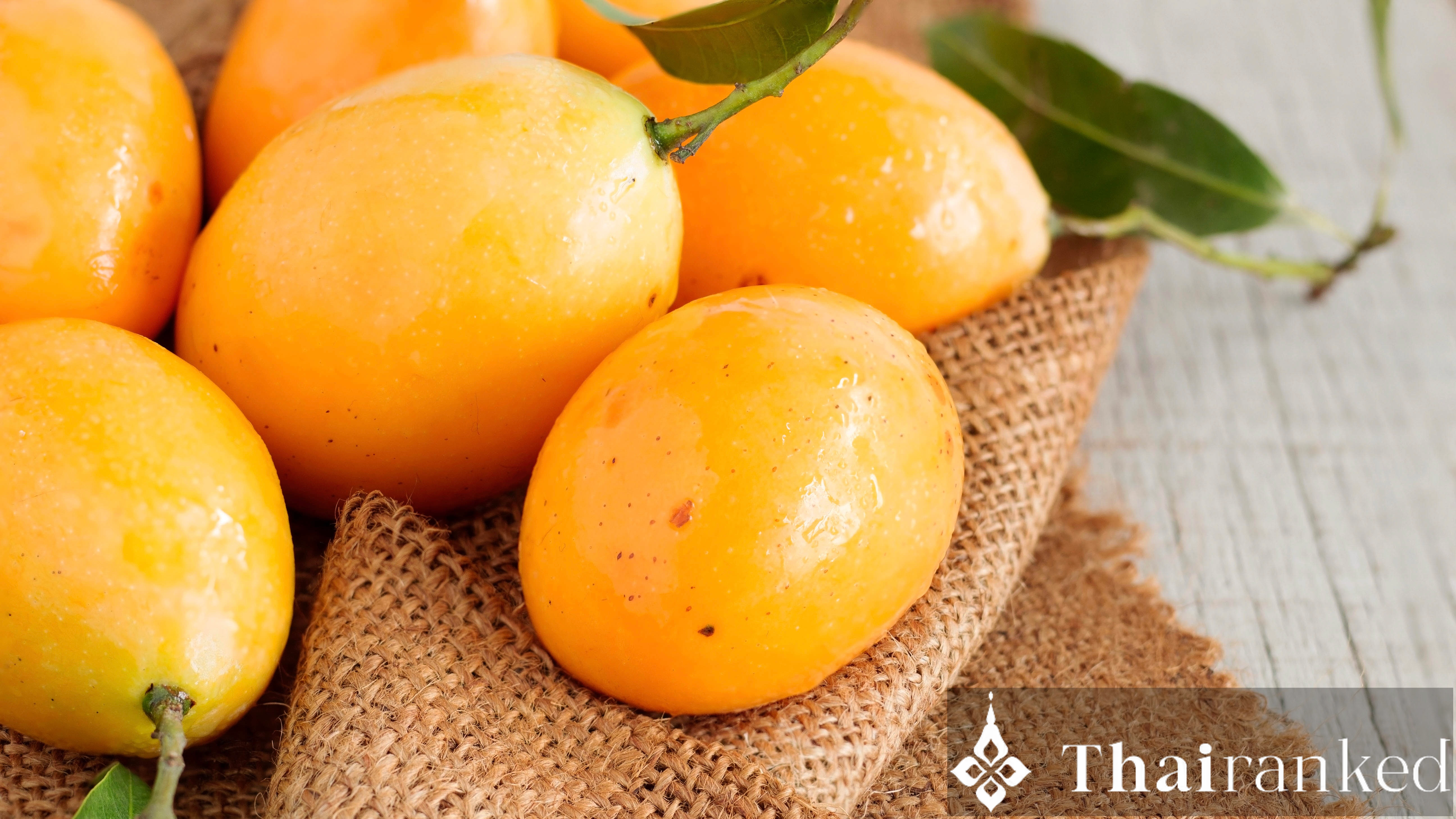
Both mayongchid and maprang belong to the mango family and look strikingly similar at first glance, about the size and shape of a large grape or plum, with a beautiful apricot-orange color. But appearances can be deceiving, and the eating experience is not the same!
- Mayongchid (Marian Plum): Large, vibrant orange, delightfully sweet, with smooth flesh and a thin, edible peel that does not irritate the throat. Considered a delicacy and usually pricier.
- Maprang (Plum Mango): Smaller, paler orange or yellow, often sour or astringent, and the peel’s sap can cause throat irritation or even a spicy sensation, especially for sensitive eaters. Much cheaper and common at roadside markets.
How to Tell Mayongchid from Maprang
If you want to make sure you’re getting the ultra-sweet, throat-friendly mayongchid, here’s what to look for:
- Size: Mayongchid are noticeably larger, close to the size of an egg. Maprang are smaller and plumper, sometimes almost round.
- Color: Mayongchid tend to have a uniform, deep orange color. Maprang are more likely pale yellow or light orange.
- Texture: Mayongchid skin is silky smooth, while maprang might feel rough or slightly waxy.
- Price: Mayongchid can be two to five times as expensive per kilo as maprang. If the price seems cheap (40-80 THB/kg), it’s likely maprang. If it’s premium (150-350 THB/kg), you’re in mayongchid territory.
For more on Thailand’s vibrant seasonal fruit offerings, see our Thai Fruits Calendar: Best Seasonal Fruits in February.
Do All Markets Label the Fruit Clearly?
The short answer: not always! Fruit vendors at Thai supermarkets usually label fruits, using Thai names: “มะยงชิด” (mayongchid) vs. “มะปราง” (maprang). Street stalls and markets may not have signs, or may use “mayongchid” as a catch-all term. When in doubt, check the price, look at the size and shade, and ask to taste a sample.
How to Read the Labels (in Thai):
- มะยงชิด (Mayongchid): Marian plum, usually handwritten or printed with a high price-tag.
- มะปราง (Maprang): Plum mango, can sometimes be labeled as “มะปรางเปรี้ยว” (sour maprang) or “มะปรางหวาน” (sweet maprang, but less sweet than mayongchid).
Pro tip: If you see the English word “marian plum,” that’s almost always mayongchid.
Why Does Maprang Irritate the Throat?
This comes from sap in the peel, similar to mango sap. Many Thais avoid eating the skin of maprang, especially if you’re sensitive. If you’ve already bought the fruit and aren’t sure which is which, peel one and give it a smell, maprang has a slightly pungent, green-mango scent. Or take a tiny nibble. The difference is obvious!
When Is Each Fruit in Season?
Both fruits make their way to markets from February to May, with a peak in March and April. Premium mayongchid is only available for a few short weeks, making it one of Thailand’s most anticipated fruits each year.
Curious about more seasonal specialties? Don’t miss our in-depth look at mayongchid for February and what other fruits to try.
Mayongchid vs. Maprang: The Taste Test
- Mayongchid: Imagine the luxurious sweetness of a ripe mango with a punch of apricot and citrus, but lighter. The entire fruit is edible (peel and all) and juicy. It’s often given as a high-end gift.
- Maprang: Prepare for tartness! Even the sweet varieties are more tangy than mayongchid. Most people peel them. If you eat the peel, you might feel an itch or mild burn in your throat.
If you’re hunting for the best place to buy or try mayongchid, high-end supermarkets in Bangkok and Chiang Mai, as well as premium fruit stalls at festivals, will list it by name. Street markets and rural stalls are more likely to offer maprang or "mixed" stock, so check carefully!
Mayongchid, Maprang, and Thai Fruit Gifting Culture
It’s common during Thai fruit season to give gift baskets of mayongchid. Don’t be tricked into gifting maprang by mistake! If the basket is suspiciously affordable, always ask the seller to confirm.
If you’re looking for more unique ways to experience local culture, or tasty gifts, check out our guide to Chinese New Year hampers and Thai gifting customs.
Where to Buy the Real Thing?
To make sure you’re bringing home mayongchid, aim for:
- Premium supermarkets: Tops, Gourmet Market, Villa Market
- Specialty fruit stores: Usually in central Bangkok (and at Chiang Mai weekend markets)
- Reputable street vendors: Ask questions, inspect the fruit, and see if they let you try before you buy
For tips on exploring local markets, see “Where to Eat at Korat Night Markets?”
Quick Shopping Tips for Mayongchid and Maprang
- Check for the Thai name and ask if unsure
- Judge by price, expensive is almost always mayongchid
- Bigger and deeper orange fruit = sweet mayongchid
- When in doubt, peel one and taste test
- For gifting or eating whole, choose mayongchid
- For budget snacking or pickling, maprang is fine, but peel it!
Key takeaways
- Mayongchid (marian plum) is sweet, large, and safe to eat whole, is usually tart, small, and may irritate your throat if you eat the peel.
- Check labels and price: high price and big size points to mayongchid.
- When in doubt, ask vendors or taste a sample before buying.
- If gifting fruit, be extra sure you’re choosing mayongchid, not maprang!
- See our full mayongchid guide for more details on the best places and time to buy.
by Nam Thairanked
I love traveling and eating Thai food.
Search Hotels & Flights
Related Insights
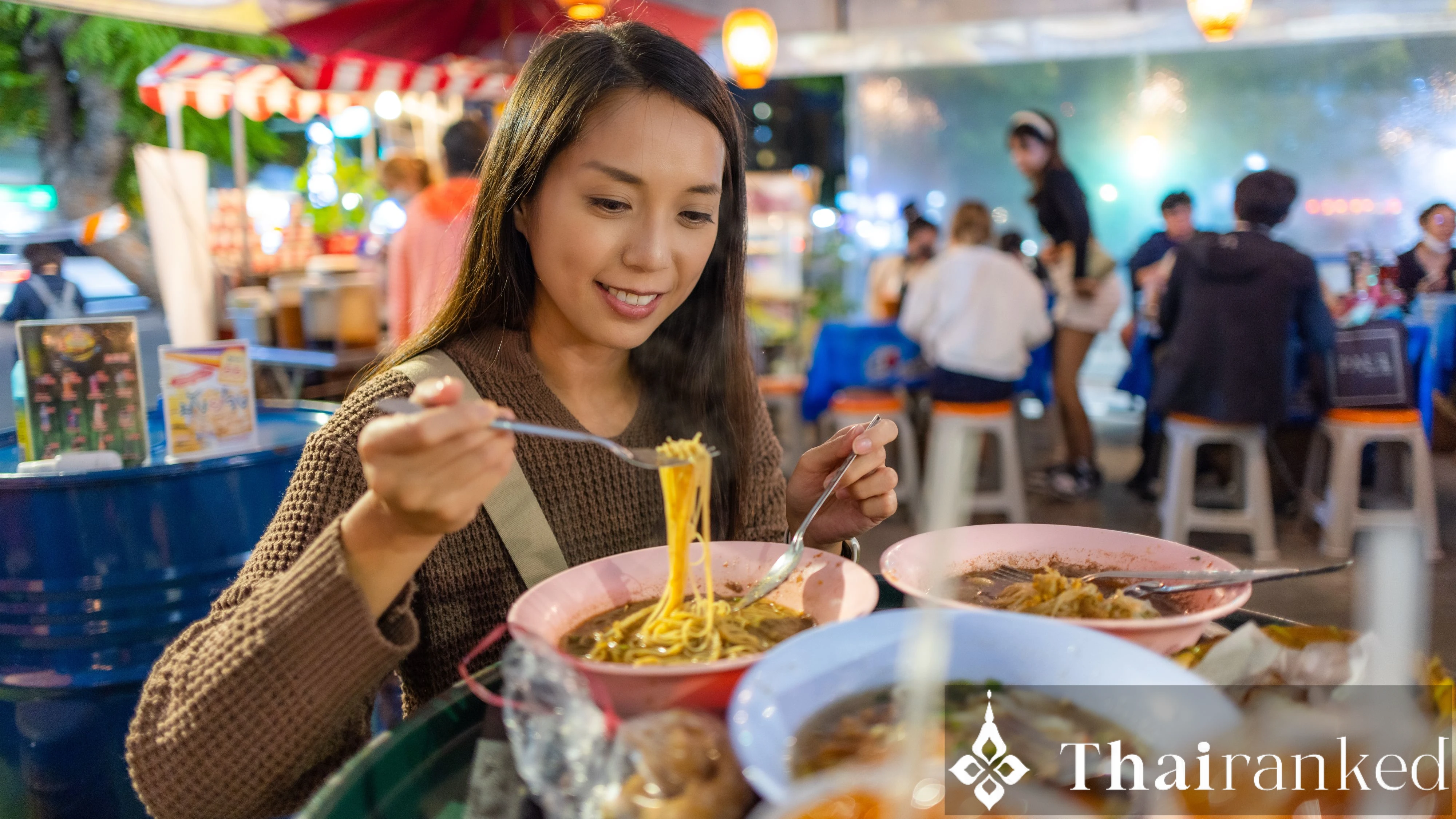
Discover why Thai street food beats fine dining: taste, culture, price, and local experience. A guide for travelers and expats seeking authentic flavors.
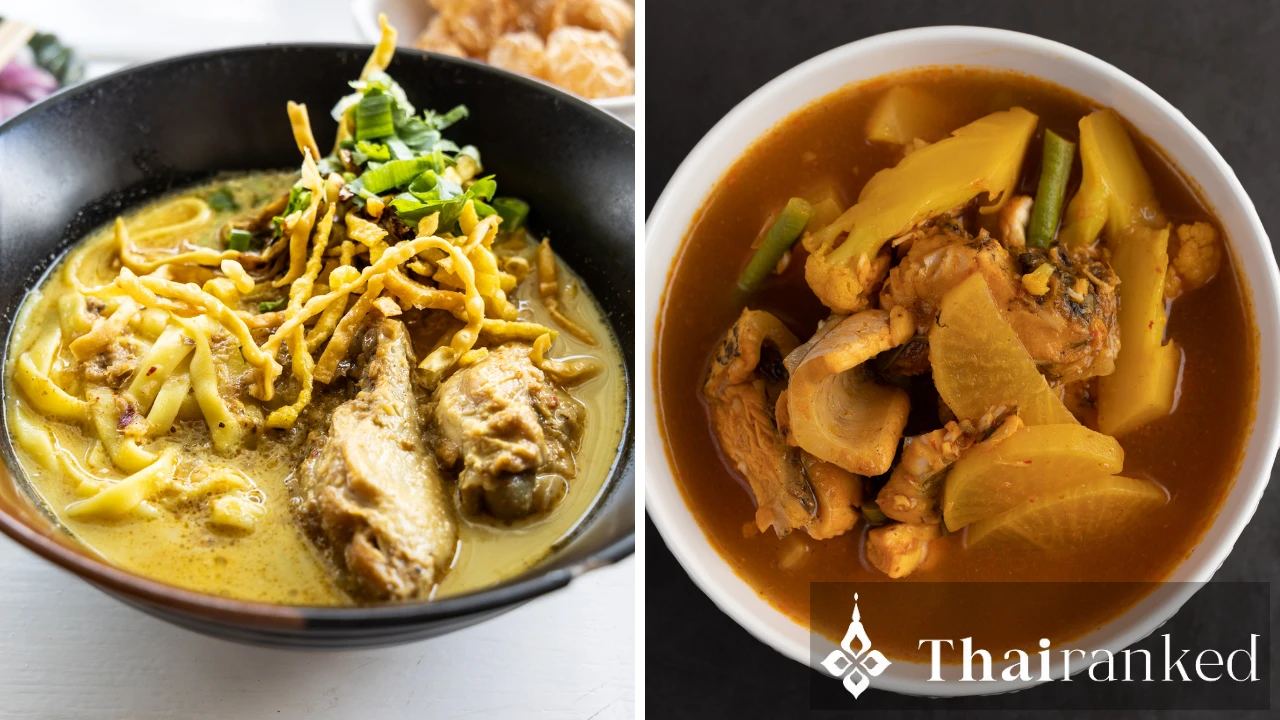
Explore Northern and Southern Thai cuisine. Discover the unique flavors, essential dishes, and what sets these regions apart in Thailand’s vibrant food culture.
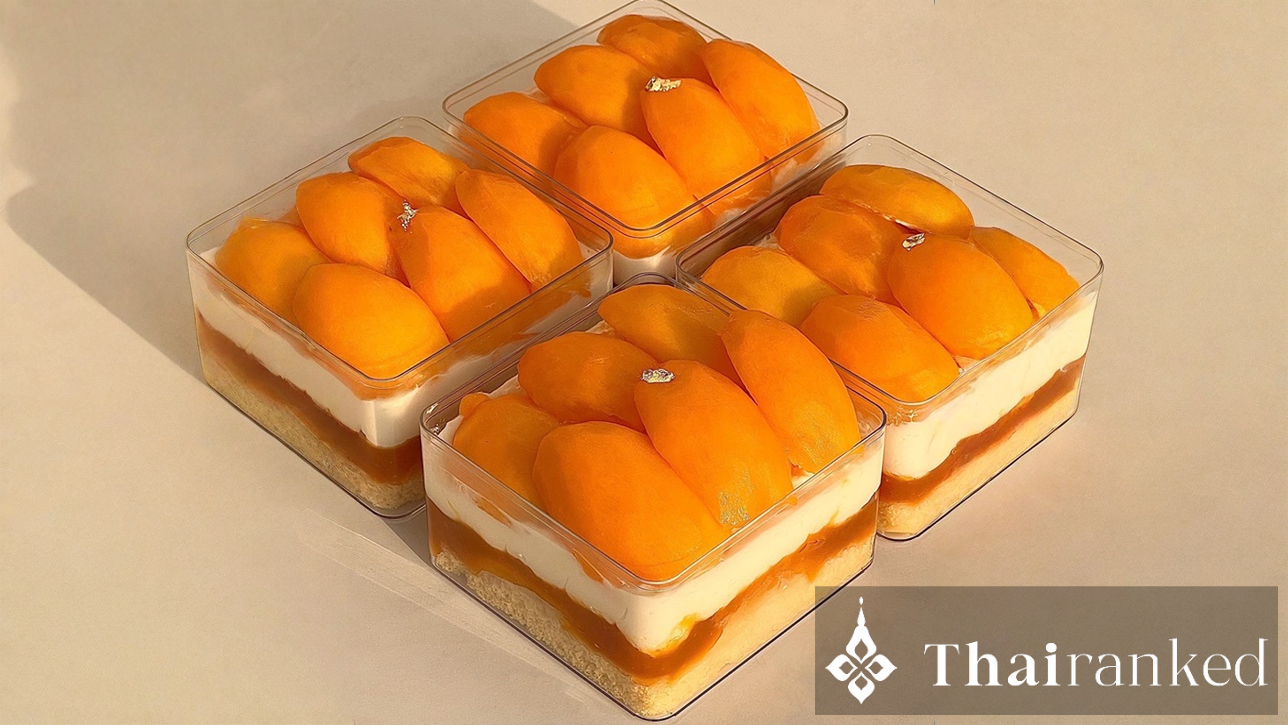
Discover the irresistible layers and flavor of Mayongchid cheese pie with Thailand’s Marian plum, unmissable February treat for foodies and travelers.
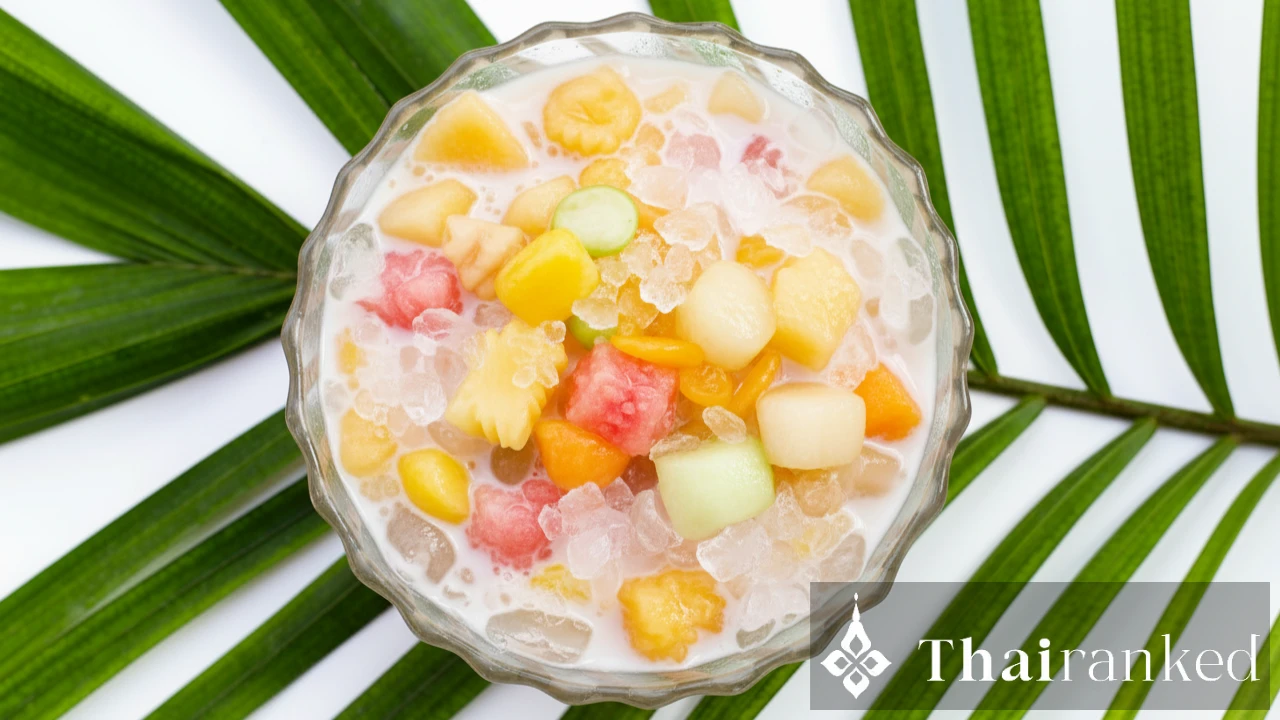
Discover Loy Kaew, Thailand’s refreshing iced dessert. Learn about its unique fruit carving process, syrup-soaking, and the tradition behind this cooling treat.
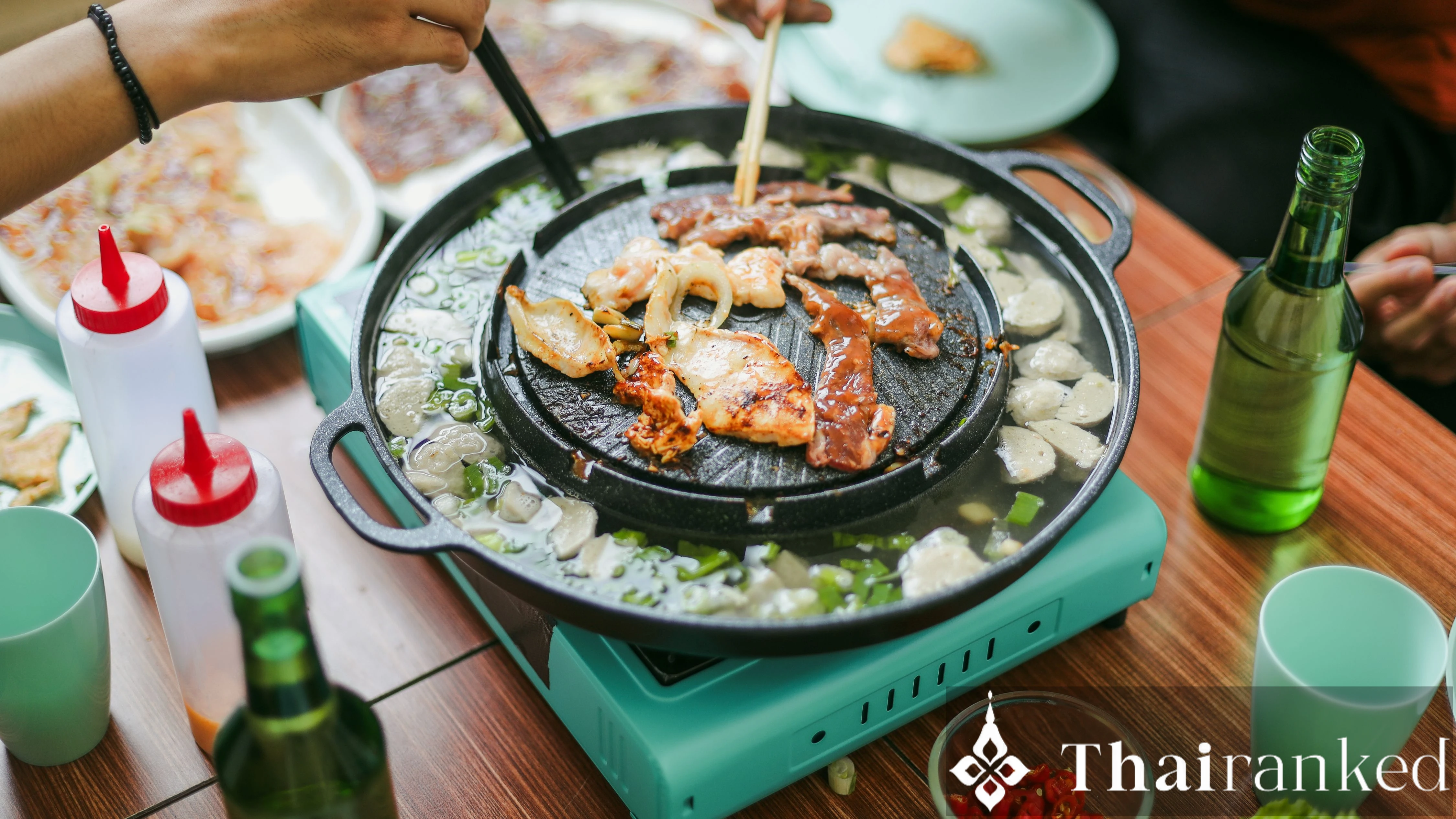
Learn how to eat Moo Kata (Thai BBQ) like a local! Discover authentic grilling tips, sauce-making tricks, and etiquette for a perfect Thai dining experience.
What people ask about
"Mayongchid vs. Maprang: Don’t Buy the Wrong Orange Fruit!"
Here you will find answer to the most popular questions.