Loy Kaew: Thailand’s Artisanal Iced Dessert of Carved Fruit
February 18, 2026 06:30 AM
Last edited: February 18, 2026

by Thairanked Guide
Thairanked helps you discover great places in Thailand!
Search Hotels & Flights
Related Insights
What Is Loy Kaew?
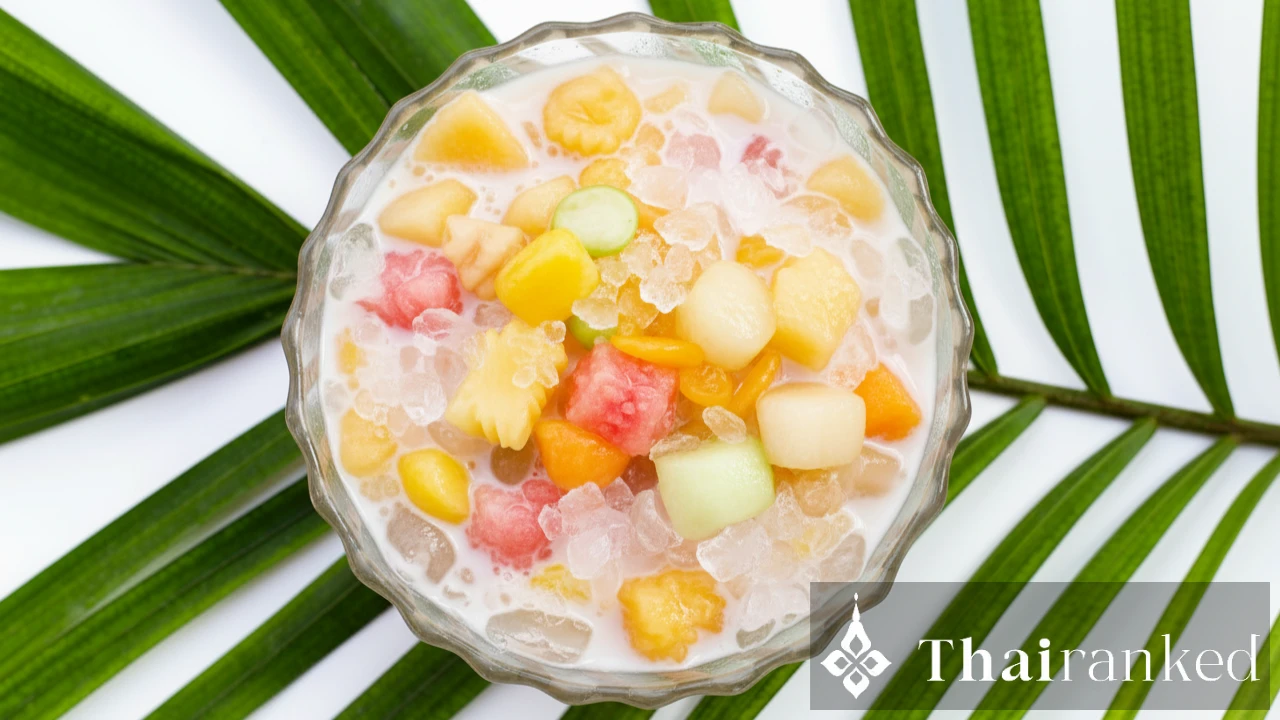
For many travelers and expats in Thailand, the world of traditional Thai desserts holds plenty of tasty secrets. However, few treats are as visually appealing or as delicate in technique as Loy Kaew (ลอยแก้ว). At first glance, this iced fruit dessert might look simple: sweet, ripe fruit pieces floating in syrup and topped with a mountain of shaved ice. But behind its humble presentation, Loy Kaew hides a story of patience, skillful carving, and refreshing tradition, especially in the hot months.
The Art of Carving the Fruit
The heart of Loy Kaew isn’t just about picking the right fruit, but mastering the age-old Thai technique of seed removal or fruit carving. In Thailand, making Loy Kaew properly means each fruit gets carefully prepared to keep its shape, color, and freshness.
- Skillful Seed Removal: Certain fruits used for Loy Kaew, such as longan, lychee, and santol, have tough seeds that are tricky to remove. The goal is to extract seeds cleanly, without bruising or breaking the delicate flesh. A special tool, often a small blade or pointed stick, is used. It’s a meditative process that can take hours when making large batches!
- Maintaining the Fruit’s Integrity: Bruised or crushed fruit quickly loses visual appeal and can become mushy when soaked in syrup. A skilled hand removes only what’s necessary, resulting in near-perfect orbs or segments that float gracefully in the dessert bowl.
- Aesthetic Touch: Some home cooks and dessert vendors will even score, notch, or pattern the fruit for extra beauty, in line with Thailand’s culture of decorative food presentation (learn more about how aesthetics shape Thai habits).
Which Fruits Are Used in Loy Kaew?
The classic Loy Kaew often stars longan or lychee, but regional and seasonal variations use anything from mango, toddy palm, or rambutan to indigenous berries and wild fruits. What’s common is the strict requirement: ripe, firm fruit that stands up to soaking and chilling. Some favorites include:
- Longan (lamyai): The translucent globe-shaped fruit is prized for its texture and natural sweetness. Removing the inedible black seed inside without tearing the shell is a mark of culinary finesse.
- Lychee: Similar to longan, lychee needs gentle de-seeding to keep the ruby-red outer skin and the crisp, white flesh intact for a stunning effect in the bowl.
- Mango: Firm but ripe mango can be cubed and used for seasonal twists on Loy Kaew, especially popular in February and March (check out Thailand’s fruit calendar for what’s in season).
- Santol (krathon): A less common but tangy, aromatic addition. The seed has to be spiraled out with a sharp tool.
- Toddy palm (look tan): Its jelly-like, translucent texture makes for a uniquely soft bite.
Creativity is welcome; some cooks even add pieces of rose apple (chomphu), watermelon, or pineapple for color. Street vendors and high-end dessert houses alike take pride in their fruit selection.
Sweet Syrup & The Ice-Cold Finish
The foundation of Loy Kaew is its syrup. Simmered from white or palm sugar and subtly perfumed with a few drops of jasmine or screwpine (pandan) essence, the syrup is cooled completely before it meets the fruit. The carved fruit gets immersed in syrup, soaking up sweetness and sometimes serving as an edible centerpiece.
Just before serving, a heap of freshly shaved ice gets piled on top. This transforms Loy Kaew into a craveable antidote for Thailand’s hotter months, combining flavor, texture, and coldness that can only be described as pure relief. The contrast of the syrup-drenched fruit, delicate sweetness, and freezing cold ice creates a dessert that’s both refreshing and satisfying, not unlike the famous beaches in Thailand in February that offer a cool escape from the heat.
The Significance and Occasions of Loy Kaew
Loy Kaew is more than just a treat; it’s often served during family gatherings, temple fairs, and traditional summer festivals. In the past, making Loy Kaew was a communal affair, with elders demonstrating their deftness in carving and children helping to pile on mountains of ice. You might see Loy Kaew featured as a highlight in special menus or dessert buffets at top hotels and during the hotter Thai festivals.
This dessert also embodies the Thai value of keun jai, caring for others, by showing the effort and attention given to each serving. There’s something special about knowing your Loy Kaew has been prepared with such patience and care!
How to Enjoy Loy Kaew (and Where to Find It)
If you’re new to Thailand, keep an eye out for Loy Kaew at:
- Street markets: Especially old-school neighborhoods, where grandmas still hand-carve fruit at their stalls.
- Dessert shops: Trendy chains and retro cafes sometimes feature seasonal fruit, Loy Kaew as a signature item.
- Hotel buffets: Upscale hotels often showcase Loy Kaew, sometimes with rare fruit, during summer or festival promotions (see our Bangkok hotel recommendations).
- Home kitchens: For those wanting to DIY, Thai home cooks may share family recipes, celebrating the ritual of carving together.
Want to try your hand at making Loy Kaew? Start with firm, seasonal fruit; longan is beginner-friendly. Chill the fruit after removing seeds, make a simple syrup, and serve with crushed or shaved ice. The trick isn’t complexity, but patience and care!
Loy Kaew and the Broader World of Thai Desserts
Loy Kaew is just one piece of the puzzle that makes up Thailand’s dessert culture, which goes far beyond sticky rice and mango. From coconut-milk jellies to banana roti, Thai sweets have developed regional variations and inventive takes over the years. If you love exploring desserts, be sure to check out some lesser-known options next time you’re at a market or festival, and don’t miss the seasonal Marian plum (ma-yong-chid) when in season!
Key takeaways
- Loy Kaew is a refreshing Thai iced dessert featuring delicately carved fruit in syrup and shaved ice.
- The carving process makes it both visually stunning and a test of patience and skill.
- Popular fruits include longan, lychee, mango, and toddy palm, with creative versions using local, seasonal produce.
- Find Loy Kaew in street markets, dessert cafes, hotels, or even try carving and making it at home.
- The dessert highlights Thai hospitality, aesthetics, and the communal joy of summer treats.
by Thairanked Guide
Thairanked helps you discover great places in Thailand!
Search Hotels & Flights
Related Insights
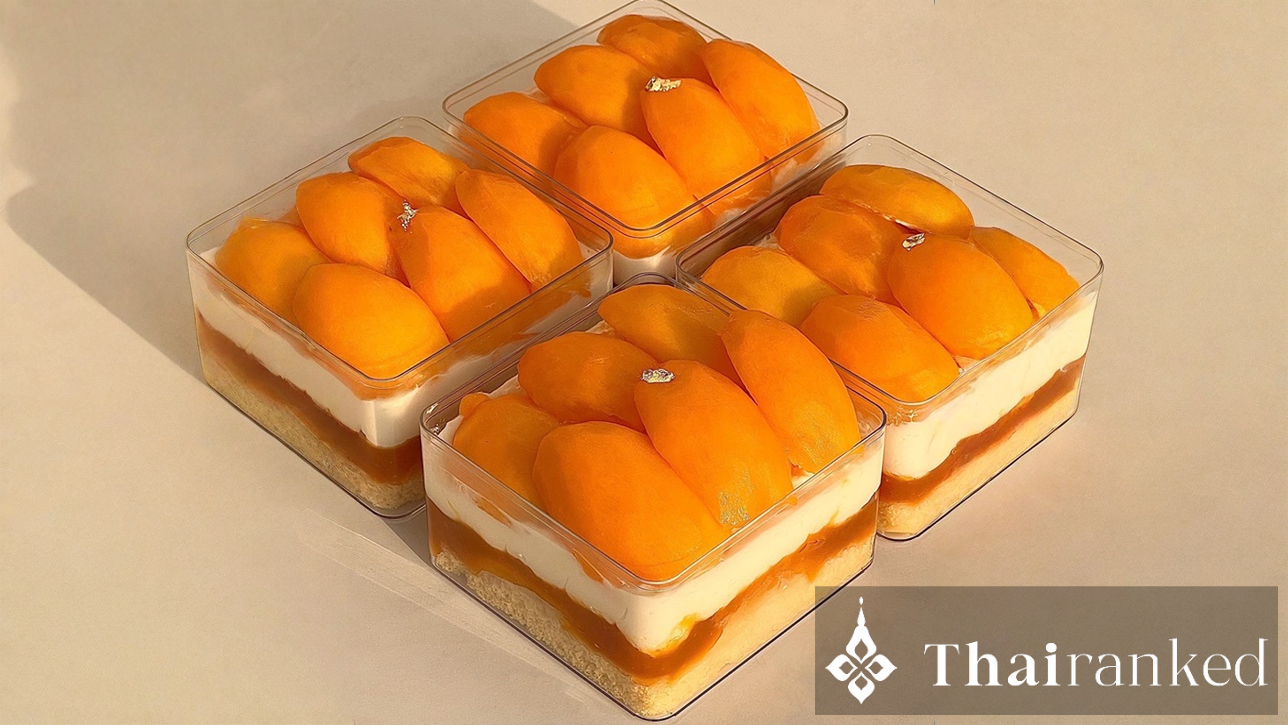
Discover the irresistible layers and flavor of Mayongchid cheese pie with Thailand’s Marian plum, unmissable February treat for foodies and travelers.
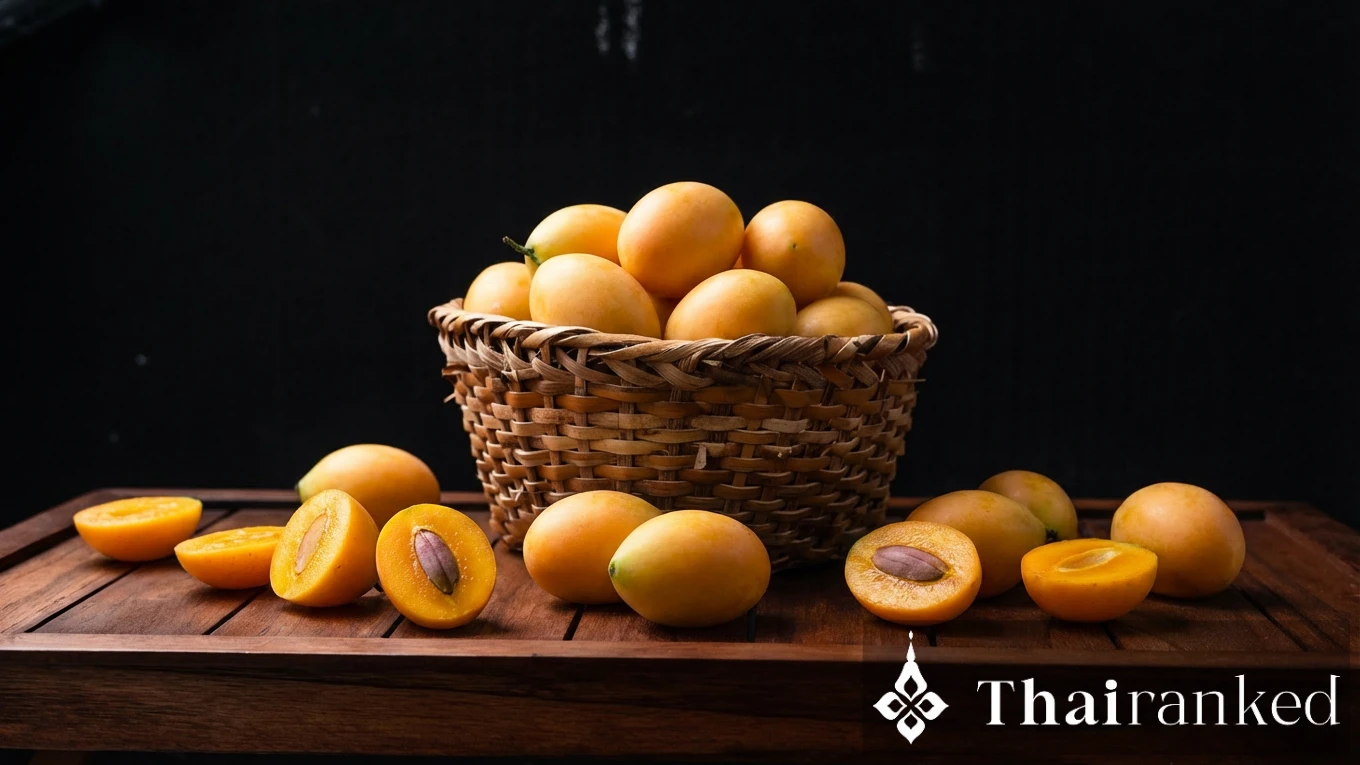
Discover Ma-Yong-Chid (Marian plum), Thailand’s sweet and sour fruit that’s in season only in February. Learn how to eat it, where to find it, and why you must try it.
Discover why Thai street food beats fine dining: taste, culture, price, and local experience. A guide for travelers and expats seeking authentic flavors.
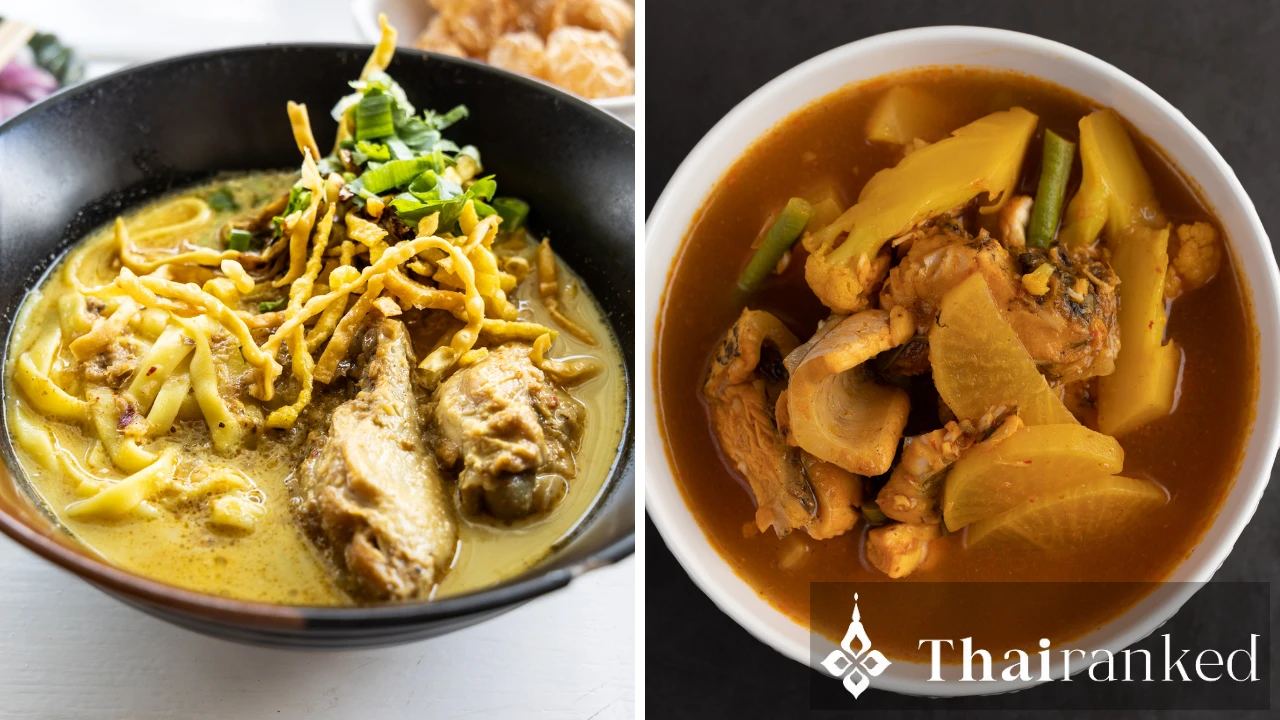
Explore Northern and Southern Thai cuisine. Discover the unique flavors, essential dishes, and what sets these regions apart in Thailand’s vibrant food culture.
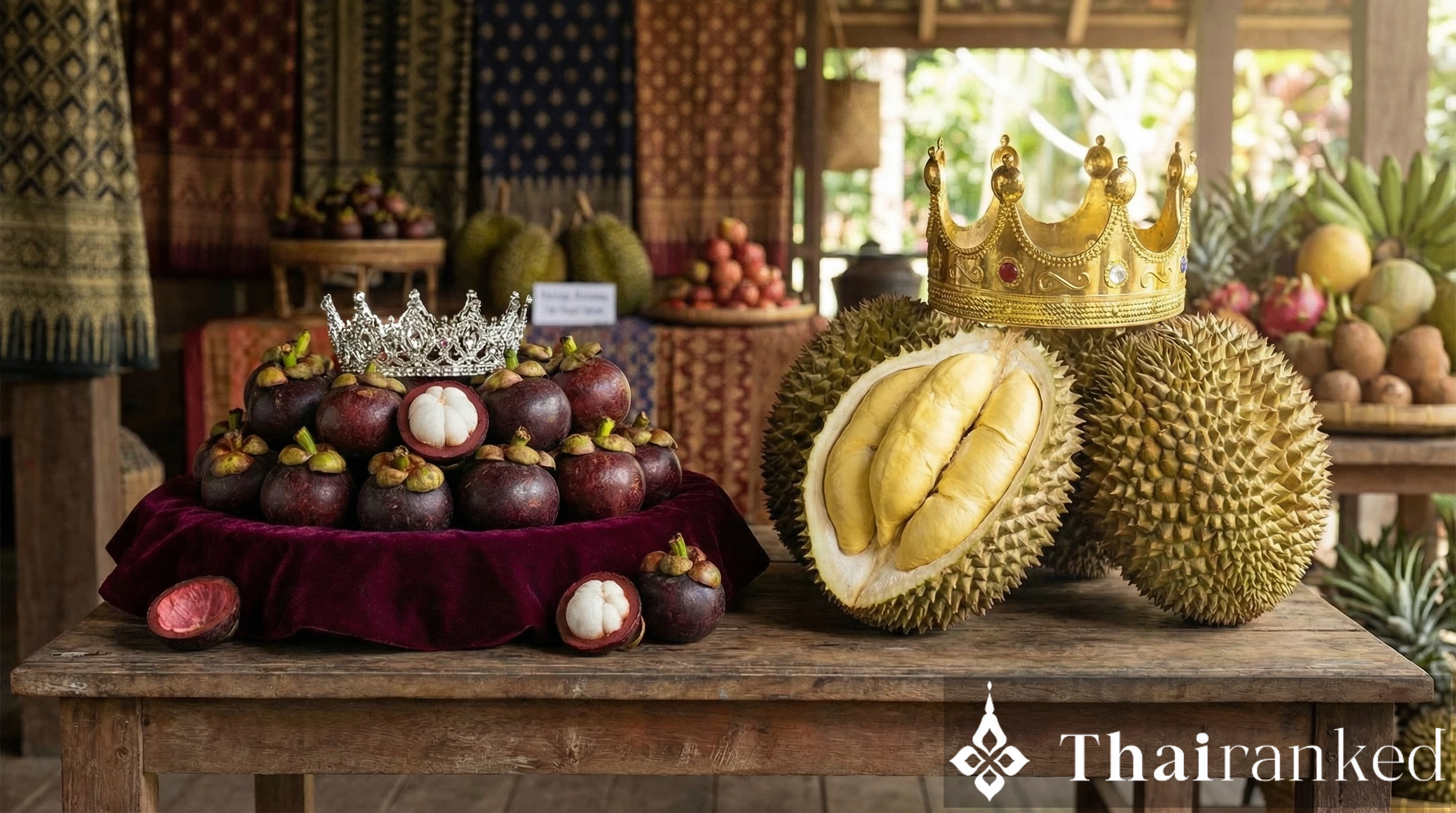
Discover why mangosteen is called the Queen of Fruits and durian the King in Thailand, exploring their history, culture, taste, and fascinating contrasts.