What is Ma-Yong-Chid? The Thai Fruit You Must Try in February
January 28, 2026 03:45 AM
Last edited: January 26, 2026

by Nam Thairanked
I love traveling and eating Thai food.
Search Hotels & Flights
Related Insights


Meet Ma-Yong-Chid: Thailand’s Golden February Fruit
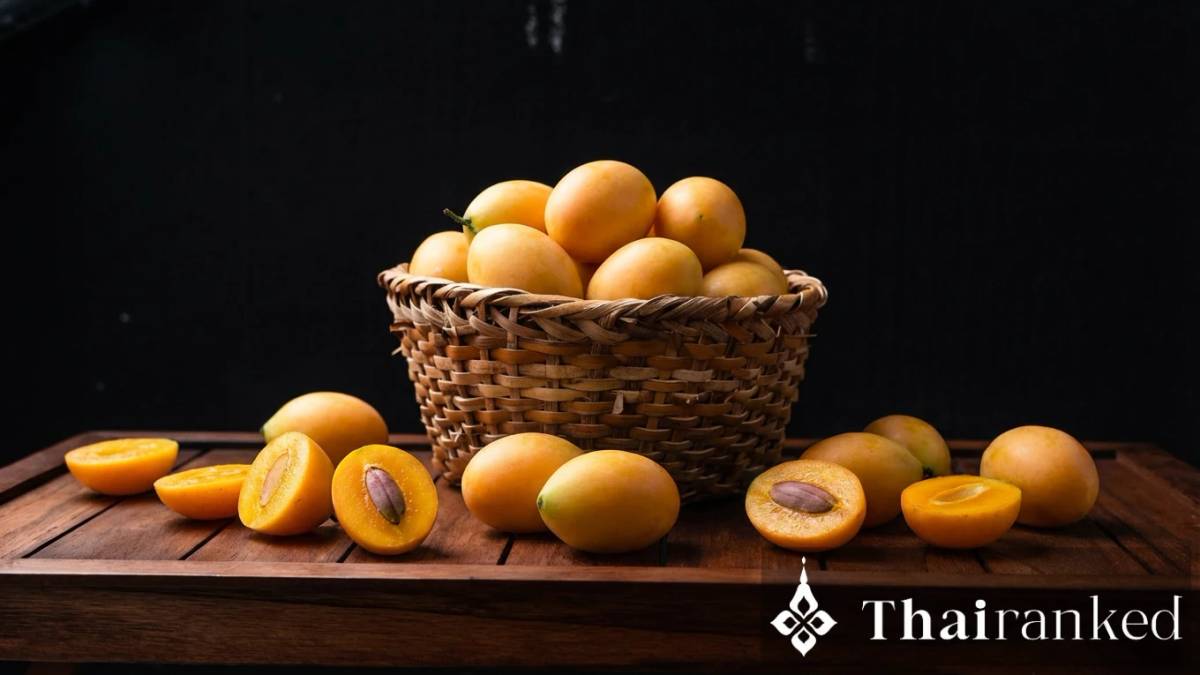
If you’ve ever wandered through a bustling Thai market in February, you might have spotted piles of golden, oval-shaped fruits gleaming like little eggs nestled on green leaves. This is Ma-Yong-Chid, also known as the Marian plum. For locals, it’s a nostalgic treat that signals the peak of the cool season and the coming of summer. For travelers or expats living in Thailand, tasting Ma-Yong-Chid is a rare, delicious ritual; you only get one chance each year!
What Exactly is Ma-Yong-Chid (Marian Plum)?
Ma-Yong-Chid (มะยงชิด, pronounced “ma-yong-chid”) is a tropical fruit native to Southeast Asia, most famously grown in Thailand. It’s a member of the mango family, but looks more like a miniature apricot or a golden plum. Its botanical name is Bouea macrophylla, but in Thailand, everyone knows it by its common names: Ma-Yong-Chid or Maprang. These two names are used somewhat interchangeably, but with a subtle difference (more on that in a minute).
The appeal is in the taste: Ma-Yong-Chid balances sweet and tart flavors with soft, juicy flesh. Eat one, and you’ll get a rush of tropical sunshine. Imagine mango, apricot, and a squeeze of citrus all in a single bite.
Ma-Yong-Chid vs Maprang: What’s the Difference?
You’ll hear both names used at fruit stalls. Generally, Maprang refers to the wilder, tangier version, which is smaller and has a crisper, more tart flesh. Ma-Yong-Chid is the hybrid cultivated for its sweetness, larger size, and juicy, succulent bite. The two look almost identical, but if you want the sweeter, less astringent version, always ask for Ma-Yong-Chid.
Why is Ma-Yong-Chid So Special?
This fruit appears for just a fleeting moment: the harvest happens for only a few short weeks each year, usually between late January and early March (with February being peak season). Unlike bananas or mangoes, you can’t find Marian plums year-round, which gives them almost cult status among Thai fruit lovers.
For locals, the arrival of Ma-Yong-Chid brings childhood memories of snacking on them in schoolyards, dipping them in chili sugar, or turning them into creative desserts. Restaurants and dessert shops will even create limited-edition dishes, from Ma-Yong-Chid bingsu to cakes and preserves.
What Does Ma-Yong-Chid Taste Like?
Ma-Yong-Chid is beloved for its flavor profile:
- Sweet and Sour: Often described as a cross between mango, apricot, and plum, with a tropical tang
- Juicy: Ripe fruits are bursting with sunny, fragrant juice
- Soft Texture: The skin is thin and edible; the flesh is smooth and melts in your mouth
- Aromatic: You’ll notice a delicate, almost perfumed scent
The balance of flavors depends on ripeness. Unripe fruits are more tart; when fully ripe, they’re sugary-sweet with just a hint of tang.
How to Eat Ma-Yong-Chid
Wondering how to enjoy this seasonal delight like a local? Here’s how:
- Eat Fresh: Simply wash and eat the fruit with its whole skin and all. Spit out the seed inside.
- Dipped in Chili Sugar: For a classic Thai twist, dip Ma-Yong-Chid slices in a mix of sugar, salt, and ground chili.
- Desserts & Drinks: You might find Ma-Yong-Chid bingsu (Korean-style shaved ice), ice cream, or even cocktails during the season.
- Jam & Preserves: Locals sometimes cook them down to a fragrant, golden jam, fantastic on toast or with scones.
Where to Find Ma-Yong-Chid in Thailand
Because the fruit is so seasonal, you’ll need to be in the right place at the right time. Your best bet is:
- Fresh Markets: Search major city markets like Or Tor Kor (Bangkok), Warorot (Chiang Mai), or Talad Thai fruit market (Pathum Thani).
- Supermarkets: Tops, Gourmet Market, and Villa Market may sell premium Ma-Yong-Chid, but expect higher prices for the prettiest fruits.
- Roadside Stalls: In rural or suburban areas, keep an eye out for local sellers offering fresh-harvested bundles at great prices.
- Online Delivery: Bangkok-based produce delivery apps may feature Ma-Yong-Chid as a limited-time highlight, especially on weekends.
Curious about food delivery apps in Thailand? You might find Ma-Yong-Chid during February as a seasonal special!
How Much Does Ma-Yong-Chid Cost?
Because of its short season, prices for Ma-Yong-Chid can range widely. On average, expect to pay:
- 60-120 THB per kilogram at markets
- More at premium grocery stores or for perfectly uniform, gift-quality fruit
- Higher prices for home delivery, or off-season preserved Marian plums
It’s definitely worth splurging at least once to try the top-rated sweet variety!
Health Benefits of Ma-Yong-Chid
Beyond its taste, Ma-Yong-Chid is packed with nutrition. The fruit is rich in vitamin C, beta-carotene, and fiber. It’s known for being hydrating, energizing, and antioxidant-rich–all helpful if you’re traveling in Thailand’s late dry season heat.
Fun Facts About Ma-Yong-Chid
- The name “Ma-Yong” is from Malay; “Maprang” is Thai. “Chid” means “close” or “attached,” referring to the seed inside.
- The fruit is closely related to both the mango and canistel (eggfruit).
- Thai fruit lovers will sometimes drive out of Bangkok to Nakhon Nayok or Nakorn Pathom just to buy farm-fresh bundles in February.
- Ma-Yong-Chid season overlaps with the Chiang Mai Flower Festival, making it a great time to visit the North!
- Some see it as a symbol of prosperity for the coming hot season.
How to Enjoy More Unique Thai Fruits
If you love trying local produce, Thailand is a paradise for fruit fans. Beyond Ma-Yong-Chid, keep an eye out for other seasonal rarities:
- Mangosteen (summer)
- Salak (snake fruit)
- Rose apple (chompoo)
- Dragonfruit
- The famous durian, the controversial “king of fruit.”
Not sure where to find these and other tropical treats near you? Here’s how to travel Thailand efficiently without missing produce markets!
Where to Try Ma-Yong-Chid-Inspired Desserts
During February, pop-up dessert carts and trendy cafes in Bangkok, Chiang Mai, and major tourist cities will often offer special Marian plum menu items. Look for:
- Ma-Yong-Chid bingsu (shaved ice dessert)
- Ma-Yong-Chid smoothies or bubble tea
- Fruit tarts and cakes featuring the golden plums
- Homemade ice cream flavored with Marian plum
If you’re hunting for a memorable sweet treat, check out our Thonglor bar guide. Many upscale bars and cafes offer festive and seasonal twists during Ma-Yong-Chid’s peak!
Tips for Picking the Best Ma-Yong-Chid
- Look for vivid golden to orange skin
- Fruits should yield slightly to gentle pressure but not be mushy
- Avoid any shriveled or cracked skins
- Larger fruits are generally sweeter (ask for Ma-Yong-Chid, not Maprang if you want sweet!)
Travel Guide: Pair Ma-Yong-Chid With a Thai Market Adventure
If you’re visiting Thailand in February, make it a point to stop by a local fruit market to hunt down Ma-Yong-Chid. Besides being a culinary adventure, it’s a cultural experience—chat with fruit vendors, try a chili sugar dip, and explore the vibrant local scene.
Bangkok is full of great hotels and markets. If you want to plan a visit, check out Bangkok hotels on Trip.com for the most convenient stays near traditional markets.
Key takeaways
- Ma-Yong-Chid (Marian plum) is a rare, delightfully sweet-and-tart fruit available in Thailand only in February
- The fruit is best enjoyed fresh, but also shines in desserts and jams
- Find it in local markets, premium supermarkets, or roadside stalls during the short season
- Look for the larger, golden varieties for the sweetest flavors
- Trying Ma-Yong-Chid is a travel memory you won’t forget
- Pair your fruit hunt with a market tour for the ultimate Thai cultural experience
Search Hotels & Flights
Related Insights
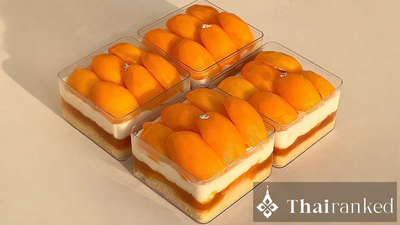
Discover the irresistible layers and flavor of Mayongchid cheese pie with Thailand’s Marian plum, unmissable February treat for foodies and travelers.
Discover Loy Kaew, Thailand’s refreshing iced dessert. Learn about its unique fruit carving process, syrup-soaking, and the tradition behind this cooling treat.

Learn Thai business dining rules for 2026, how to behave at lunches and dinners, toast properly, handle the bill, and read sabai cues to win trust and respect.
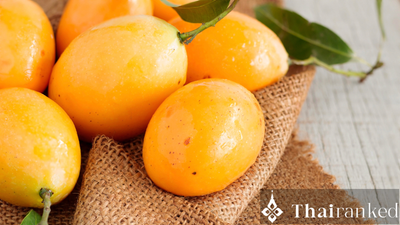
Confused between mayongchid (marian plum) and maprang (plum mango)? Learn how to spot the real thing, avoid throat irritation, and shop smart in Thailand.

How papaya salad went from Isan staple to national star. Explore migration, affordability, flavor trends, and regional som tam variations you should try.