Som Tam’s Rise: How an Isan Classic Went Mainstream
January 02, 2026 08:51 AM
Last edited: January 02, 2026
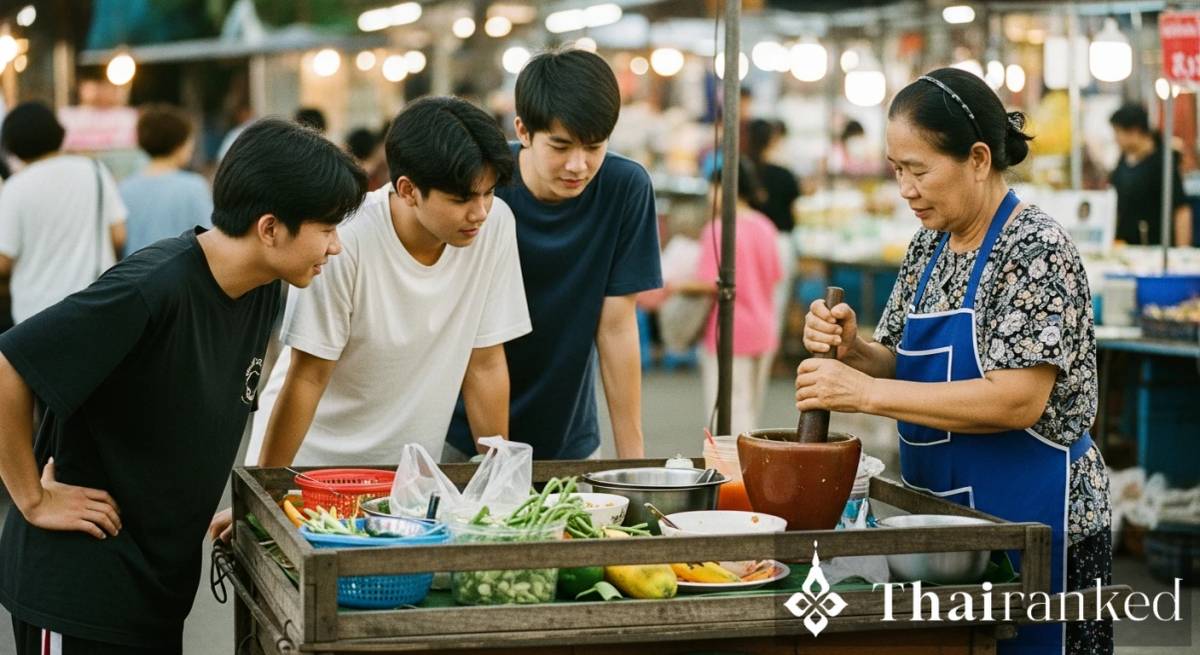

by Thairanked Guide
Thairanked helps you discover great places in Thailand!
Search Hotels & Flights
Related Insights





Som Tam’s Rise to Stardom
If there is one Thai dish that sums up the country’s love for bold flavor, affordability, and a bit of friendly heat, it is som tam, the green papaya salad that started in the fields and markets of Isan and became a superstar across Thailand. Today you can order it everywhere, from office food courts in Bangkok to beachside stalls in Phuket, paired with sticky rice, grilled chicken, and an ice cold drink. But how did this humble Isan classic go mainstream? The answer is a mix of migration, price, and a trend toward food that is fresh, punchy, and customizable.
What Exactly Is Som Tam?
Som tam is a pounded salad made by lightly bruising shredded green papaya in a mortar with garlic, chilies, lime juice, fish sauce, palm sugar, and crunchy long beans. Depending on the style, it may include dried shrimp, tomatoes, peanuts, fermented fish sauce, salted egg, raw field crab, or rice noodles. The core magic lies in balance, the interplay of spicy, sour, salty, and sweet, with a crisp bite and a refreshing finish that begs for another spoonful of sticky rice.
From Isan to Everywhere, The Power of Migration
Isan, Thailand’s northeastern region, has long shaped the national palate. As workers from Isan moved to Bangkok and other cities in search of opportunity, they brought their food with them, including som tam, laab, and gai yang. The rise of construction sites, factory zones, and service industry jobs created demand for quick, tasty, inexpensive meals, and mobile som tam carts answered the call. A pestle, a mortar, and a plastic basket of ingredients was all a vendor needed to set up near a bus stop or office entrance.
Through the 1980s and 1990s, this migration intensified and Isan food slowly became the default lunch for millions. By the 2000s, som tam was so entrenched that it appeared in air conditioned malls and became a regular in food courts and mid range restaurants. Workplace canteens hired Isan cooks, university neighborhoods sprouted papaya salad shophouses, and Bangkok’s street food identity shifted toward the flavors of the northeast. Som tam’s rise mirrored the story of its people, a proud regional dish becoming national comfort food.
Affordability, The Everyday Superpower
Som tam nailed the office lunch brief long before food trends came and went. It is fast, freshly made to order, and crucially, easy on the wallet. Green papaya is inexpensive and keeps well, the seasoning pantry is simple, and portion sizes can be scaled. Even with add ons, a plate typically costs less than many stir fries, and it is filling when paired with sticky rice.
Affordability also created endless customization. Want a budget friendly bowl? Go for tam thai with no premium toppings. Feeling indulgent? Add salted egg or freshwater crab. Eating light? Ask for less sugar and fewer peanuts. Because it is assembled in the moment, som tam adapts to budgets, diets, and cravings, a key edge over fixed recipe dishes.
Flavor Trends That Made Som Tam a Star
Hyper customizable heat
Thai diners love control over spiciness, and som tam is the poster child for dialing it in. From mai phet for no spice to phet mak for fiery, everyone can find a level they love. The mortar helps sauces cling to every shred, delivering big flavor even in mild versions.
Fresh, crunchy, and light
As wellness trends grew, so did dishes that feel fresh and balanced. Som tam hits the sweet spot, lots of vegetables, lean proteins if you add shrimp or egg, and a lively dressing that wakes you up without a heavy sauce. It became the go to for hot days, gym nights, and late lunches when you still need to stay alert.
Instagram friendly colors
The salad’s mix of green papaya, red chilies, bright tomatoes, yellow limes, and golden peanuts looks fantastic on camera. On social media, som tam shines in closeups and slow motion tosses. Spicy challenge videos also helped, giving it a place in pop culture alongside other beloved Thai hits like pad thai. If you enjoy the backstory of another Thai icon, check out our deep dive into the history of pad thai.
Regional Styles You Should Try
Ask three vendors for som tam and you might get three different salads. Here are the most common regional and style based variations, each with its own fan club.
- Som Tam Thai, The crowd pleaser. Made without fermented fish sauce, usually a bit sweeter, with dried shrimp and peanuts. Popular in Bangkok and tourist friendly areas.
- Som Tam Pla Ra or Tam Lao, The Isan favorite. Uses pla ra, a fermented fish sauce that adds deep funk and umami. Often less sweet, more rustic, and very aromatic.
- Som Tam Sua, Tosses in rice noodles, making it a heartier dish. Great with grilled chicken or pork neck.
- Som Tam Khai Khem, Adds wedges of salted egg for richness and a creamy contrast to the crunch.
- Som Tam Poo or Poo Pla Ra, Includes raw or pickled field crab. Intensely savory, beloved by traditionalists. If you are sensitive, you can ask for the flavor without the crab meat.
- Som Tam Mamuang, Swaps papaya for green mango, tangier and a touch fruitier. Excellent in southern markets where green mango is abundant.
- Som Tam Taeng, Uses cucumber instead of papaya, extra juicy and refreshing.
- Som Tam Phonlamai, A mixed fruit take that appeared as som tam hit upscale markets. Pineapple, apple, pomelo, and even corn show up in playful versions.
In northern cities, you might find a cleaner dressing similar to Som Tam Thai with less sugar, while in the deep south, heat levels spike and dried shrimp flavor is more pronounced. Bangkok remains a melting pot, where you will spot all styles side by side, often in the same stall.
What To Eat With Som Tam
Som tam is rarely a solo act. Make it a proper Isan style meal by pairing it with these classics:
- Khao Niao sticky rice, Tear off a bite, pinch the salad, and enjoy the bounce against the crunch.
- Gai Yang grilled chicken, Smoky, slightly sweet, and perfect for dunking in jaew dip.
- Kor Moo Yang grilled pork neck, Rich and charred, balances the salad’s brightness.
- Laab or Nam Tok minced meat salads, Herby, citrusy, and an Isan essential.
For drinks, cooling is the name of the game. Thai iced tea, lime soda, or grass jelly drinks are great companions. Explore more refreshing pairings in our guide to the top Thai drinks you must try.
How To Order Like A Local
Ordering som tam is all about clear preferences and a smile. Vendors will ask how spicy and what style. Try these phrases:
- Som tam thai, mai phet, Thai style som tam, not spicy.
- Som tam pla ra, phet nit noi, Fermented fish sauce style, just a little spicy.
- Mai sai pla ra, No fermented fish sauce.
- Sai khai khem, Add salted egg.
- Mai waan, Less sweet, a helpful tweak in Bangkok style stalls.
Want to expand your Thai and Isan vocabulary before you hit the market? Our quick primer on 10 useful Isan phrases will have you ordering like a pro.
Where Som Tam Lives, From Street Stalls to Food Courts
One reason som tam went mainstream is that it fits everywhere. You will find it at roadside carts, in local wet markets, in night markets, on university streets, and in shiny shopping malls. In Bangkok, look around office blocks late morning, vendors set up just before lunch. In Chiang Mai, old town food courts and weekend markets have multiple stalls ladling out different regional takes. In Pattaya and Phuket, beachside clusters usually include an Isan cart with a mortar rhythm you can hear from down the sand.
If you prefer ordering in, Thailand’s delivery scene has made som tam a sofa staple. Browse our roundup of food delivery apps in Thailand, then search for som tam or Isan food. Most stalls list spice levels, add ons, and extras like sticky rice or grilled meats. Delivery is also a great way to compare styles, order Som Tam Thai and Som Tam Pla Ra side by side and taste the difference.
When you are eating out and want a broader Thai feast, balanced menus with grilled meats, curries, and stir fries usually include at least one som tam. For sit down dining in the capital, our picks for the best places for traditional Thai food in Bangkok are a helpful starting point.
Safety, Spice, and Pla Ra
Som tam is a fresh salad, so a few smart choices will keep your experience delicious and comfortable:
- Spice management, If you are new to Thai chilies, start with mai phet or phet nit noi. You can always ask for extra chilies on the side.
- Fermented fish sauce, Pla ra is beloved for deep umami, but its flavor is strong. If you are unsure, start with Som Tam Thai, then graduate to tam pla ra when ready.
- Field crab, Raw crab styles are intensely savory, but people with sensitive stomachs may want to avoid them or try pickled versions.
- Allergies, Peanuts and dried shrimp are common. Always say mai sai thuua for no peanuts or mai sai kung haeng for no dried shrimp if needed.
- Cleanliness, Pick busy stalls with steady turnover. Freshly shredded papaya and a well rinsed mortar are good signs.
How Much Does Som Tam Cost?
Prices vary by city and setting, but a handy rule of thumb helps:
- Street stalls and markets, around 40 to 70 THB for basic Som Tam Thai, 50 to 90 THB for pla ra or salted egg versions.
- Food courts, typically 60 to 100 THB, consistent portions and cleaner seating.
- Tourist zones and beach areas, expect a bump, 80 to 150 THB depending on toppings and location.
Add ons like salted egg, noodles, or extra dried shrimp usually tack on 10 to 30 THB. Sticky rice is commonly 10 to 20 THB per basket. Grilled meats can double the total cost, but they turn a salad into a feast.
Why Som Tam Won Thailand’s Heart
Step back and the reasons become clear. Som tam is fast, fresh, and flexible. It travels well, fits every budget, and welcomes personal preferences. As Isan workers moved through the country, the mortar followed, showing up wherever people flocked for work, study, and play. Thai diners also appreciate the control, especially over heat, sweetness, and funk, so som tam’s made to order format felt personal long before the fast casual trend.
Finally, som tam represents Thai balance at its best. In a single bite, you get crunch, zing, savoriness, and a little fire. It pairs with grilled meats, noodles, and rice, works at lunch or late night, and tastes even better in a group. It is the social, shareable heart of many Thai meals.
Som Tam in the Age of Trends
The dish continues to evolve. Some vendors use wild herbs, toasted rice powder, or grilled chilies for extra depth. Wellness minded stalls reduce sugar and use roasted peanuts, while plant based kitchens experiment with vegetarian som tam without fish sauce or with seaweed based umami. Premium restaurants play with fruit versions, introduce soft shell crab instead of field crab, or add house fermented condiments for nuanced funk.
Yet the foundation remains the same, a few simple ingredients and a mortar. Whether you try it from a roadside cart with plastic stools or a sleek bistro with pretty plating, the pounding, tossing, and tasting ritual is timeless.
Make It a Delicious Day Out
Turn your som tam hunt into a mini food tour. Start with Som Tam Thai to calibrate your palate, then move to a mild tam pla ra, then a noodle packed tam sua. Pair with sticky rice and grilled chicken, finish with a Thai iced tea or lime soda. If you need inspiration for a full Thai lineup, restaurants on our list of classic Thai eateries in Bangkok are a great launch pad.
Staying in or working from home? Grab your phone, open one of the popular delivery apps, and order a mixed set. It is a fun, affordable tasting flight that shows why this Isan classic became a nationwide favorite.
The Takeaway
Som tam is more than a salad. It is the story of Isan communities shaping urban Thailand, the triumph of affordable, flavorful food in a fast moving country, and the joy of eating to your own taste. Whether you like it sweet and mild or funky and fiery, there is a version waiting for you. Next time you hear the rhythmic thud of a wooden pestle against a clay mortar, follow it, your new favorite bowl of papaya salad might be just around the corner.
If this journey into food culture has you hungry for more, try our history of Thailand’s most famous noodle, pad thai, brush up on handy Isan phrases for ordering, explore the best Thai drinks to cool your palate, or get your fix at home using Thailand’s top delivery apps. For a sit down feast in the capital, our picks of the best traditional Thai restaurants in Bangkok are waiting.
Search Hotels & Flights
Related Insights
Pad Thai wasn’t born in a street stall but shaped by politics, migration and national identity. Discover the full history of Pad Thai, from Chinese noodle traditions to 1930s nation-building and global fame, plus fun facts to impress anyone at dinner.

Discover the fascinating legend and history behind Bun Bang Fai, Thailand’s explosive Rocket Festival that launches homemade rockets to awaken the rain gods.

Discover the story behind the 12 giant Yaksha statues at Suvarnabhumi Airport. Learn about their Ramakien roots, Ravana, and Thai mythology.

Explore the romantic legend behind Koh Samui’s Hin Ta Hin Yai rocks, rooted in Lanna tradition and Thai folklore. Discover their meaning and traveler tips.

Discover the history of Wan Dek, Thailand's National Children's Day. Learn why it is celebrated on the second Saturday of January.
 Chat with us