Kin Khao Over Getting Drunk: Thai Business Meal Etiquette
August 20, 2026 09:28 AM
Last edited: August 20, 2026
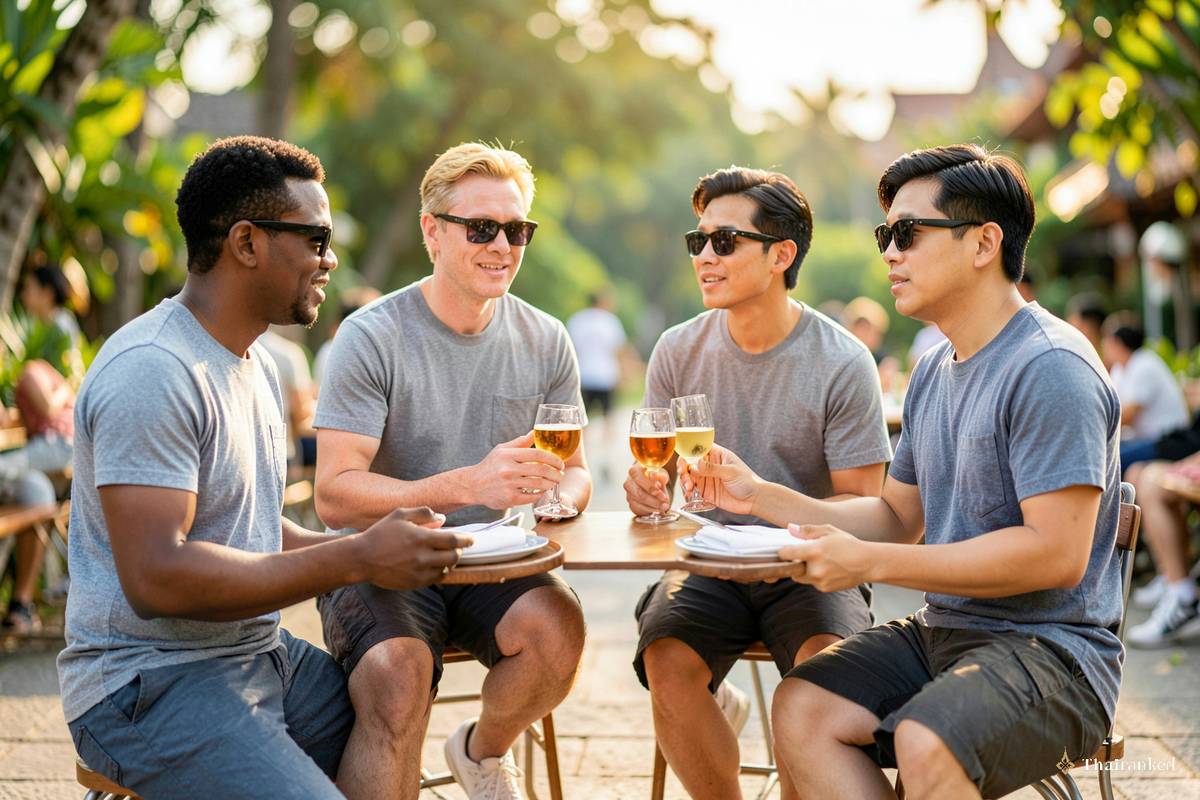

by Nam Thairanked
I love traveling and eating Thai food.
Search Hotels & Flights
Related Insights




Thai businesspeople prove trust at the table, not at the bar. The phrase "kin khao" means eat, and Thai hosts use shared meals to measure your sabai, the calm, polite presence that signals you will behave the same way in negotiations and meetings. You will negotiate fewer deals when you act aggressive over food, and you will win more partners when you handle the meal with grace.
Why kin khao matters more than getting drunk
Thai businesspeople vet partners during lunch and dinner. They look for how you treat servers, how you respond to offer of food, and how you accept gestures that smooth group dynamics. Hosts want a guest who stays composed, respects hierarchies, and makes room for consensus. A guest who drinks too much, interrupts others, or eats in a grabby way creates doubt about future conduct in meetings.
The table shows your social skills, not your capacity to drink. Thai culture values indirect coordination, and a polite, easy-going presence electrifies that system. You will gain trust when you share plates, let senior people pick first, and decline a second round of hard liquor if the host does not press.
Before the meal: invitations, timings and dress
Invitations arrive by phone, chat app, or email. Reply within a day, and include a clear yes or no. Arrive on time, or up to ten minutes early for a lunch. For formal dinners, aim to arrive five minutes early. Dress smart casual for most business meals, and wear a suit for high-level events. Avoid loud colors or excessive jewelry, you want to attract attention to your manner, not your clothes.
Bring a small gift only if the host expects one, for instance a token from your home country. If unsure, ask your local contact. A wrong gift can complicate social balance.
At the table: seating, ordering and serving
Hosts assign seats to reflect rank. Let them seat you. If a senior person sits to your right, accept that placement. Use the spoon for rice, the fork to push food onto the spoon, as Thais do. For soups and noodle dishes, use chopsticks or the provided utensil. Avoid using your hands except for street-style dishes served with paper wrappers.
Thai hosts often order a spread of shared dishes. Wait for elders to start eating. Pass dishes across the table instead of reaching over heads. If someone offers a plate, accept with two hands. When hosts serve you, say khop khun krap/ka for thanks. Those small moves show you understand table rules.
Street food and market stalls teach Thai eating culture. If you want to experience local favourites before a business meal, read our guide to Bangkok’s Best Night Markets and Where to Eat at Korat Night Markets?
Drinking and toasts, rules you should follow
Hosts control the pouring of alcohol. Let your host pour your drink, and pour for others when the host indicates. Toasting happens, but avoid starting to drink before a senior person raises their glass. If someone says chok dee or proposes a toast, take one sip to show respect. You do not need to finish a glass with each toast, and you can set your glass down to pace yourself.
If the group drinks beer or wine, match the pace of the table. If someone offers hard liquor, decline gently with a smile if you prefer not to drink. Offer a harmless medical or early meeting excuse, and then direct attention to the food. Hosts expect a guest to balance politeness with personal limits. For guidance on alcohol rules that affect public life, consult the article about the "dry weekend" in February 2026, which explains temporary bans and how they influence dining plans.
Conversation topics that win trust
Start with light, positive topics. Compliment the food and the choice of venue. Ask about local flavours and cooking methods. Show curiosity about Thai regional dishes, and listen when others tell stories about family recipes. Employers will value that curiosity because it demonstrates respect for local culture.
Avoid politics, religion, and personal finances. If someone steers conversation toward sensitive topics, listen politely, and move discussion back to neutral ground with a question about travel or food trends. When you share your perspective, frame it as personal experience instead of broad claims. For example, describe a meal you enjoyed in your country, not a sweeping judgment about Thai business customs.
Signals that matter: reading sabai and hierarchy
Pay attention to silence and small gestures. A senior person who smiles and nods after you speak invites you to continue. A senior person who remains quiet cues you to yield the floor. Offer opinions sparingly, and place them as contributions, not commands. Share credit when you reference joint work, and praise local colleagues for their role in outcomes.
When the host repeats an offer, accept the second offer rather than the first. This ritual shows you value generosity while deferring to hospitality. When a colleague removes your plate, thank them. These moves communicate social intelligence, which matters for future cooperation.
Paying the bill, follow-up and next steps
Hosts expect to pay for business meals, and they will do so unless they invite you to split. Offer to contribute, but allow the host to refuse. If you want to repay the gesture, invite the host to a meal at a reasonable time that suits them, and arrange a venue they like. Pay attention to timing for reciprocal invitations; wait before offering a return meal so it appears thoughtful rather than transactional.
After the meal, send a short message that thanks the host, mentions one highlighted dish, and confirms any next meeting details. That follow-up cements goodwill and clarifies professional intent. If the dinner included contract talk, outline the agreed steps and deadlines in the message, and copy local partners when appropriate.
Common mistakes for foreign guests
- Drinking too much and dominating conversation, which raises doubt about your meeting conduct.
- Blocking senior people from serving themselves, which signals disrespect.
- Arguing loudly about food or service, which breaks the calm environment Thais expect.
- Forcing a tip, which can offend hosts who prefer to manage payment.
- Insisting on a split bill after being hosted, which can read as transactional and rude.
Practical checklist before your next business meal
Follow this checklist to arrive prepared, and to earn trust without drama.
- Confirm attendance within a day of invitation, and note dietary restrictions.
- Arrive on time, with smart casual or formal attire depending on the host.
- Let the host seat you, and wait for seniors to start eating.
- Let your host pour drinks, match the group pace, and take small sips when toasting.
- Offer thanks after the meal by message, mention a dish you enjoyed, and confirm next steps.
Extra reading and resources
Expand your local knowledge by reading our guides on food and safety. Learn where to find the best market food in Bangkok with Bangkok’s Best Night Markets. Discover regional variations in Korat with Where to Eat at Korat Night Markets? Read the dry weekend guide for February 2026 to plan around occasional alcohol restrictions. If you travel alone to meet clients, review Is Thailand Safe for Solo Travelers? for safety tips that apply to business trips.
Key takeaways
- Thai business relationships strengthen at shared meals, not at the bar.
- Respect hierarchy, accept host seating, and let elders start eating.
- Match the group’s drinking pace, accept toasts with small sips, and decline hard liquor politely.
- Send a brief thank-you message after the meal, and arrange reciprocal hospitality later.
- Read sabai cues, share food, and keep conversation positive to build trust for future deals.
Search Hotels & Flights
Related Insights
Everything expats need to know about Thailand's alcohol sales ban on Visakha Bucha Day: timing, rules, exceptions, and practical survival tips.
Learn how constituency and party-list voting works in Thailand's 2026 election, including step-by-step explanations, invalid ballots, and common myths.

Discover the unique national anthem tradition in Thailand, why everyone freezes in public at 8AM and 6PM, and tips on what to do if you’re caught by surprise.

Discover why Thailand enforces an alcohol ban on election days, how it prevents vote buying, and what travelers should know about this cultural law shock.

Discover tuition, housing, and living costs for students in Bangkok, Chiang Mai, Phuket, and more. Real budgets for Thai and international students in 2026.
 Chat with us