The Real Cost of Studying in Thailand in 2026: Tuition, Housing & Living
January 06, 2026 08:54 AM
Last edited: January 04, 2026
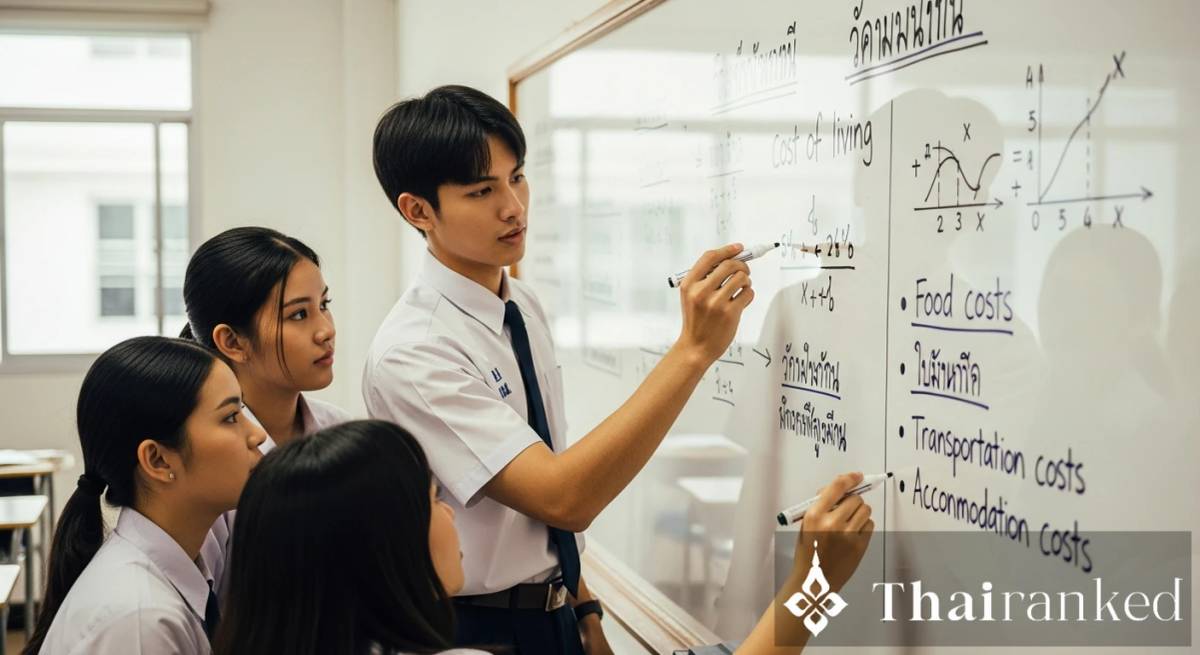

by Thairanked Guide
Thairanked helps you discover great places in Thailand!
Search Hotels & Flights
Related Insights




The Real Cost of Studying in Thailand in 2026
Thinking about studying in Thailand? Whether you're a local student or coming from overseas, Thailand offers excellent higher education opportunities—plus a famously rich culture and world-class travel experiences. But how much does it actually cost to study in Thailand in 2026? Let’s break down everything: tuition fees, housing, and the real monthly costs for international and Thai students in top cities like Bangkok, Chiang Mai, Khon Kaen, Phuket, and beyond.
Tuition Fees in Thailand: Public vs Private Universities
Tuition costs vary widely based on your program, institution, and nationality. Here’s an overview:
- Public universities (Thai students): 15,000–40,000 THB/year (undergraduate); some high-demand majors higher.
- Public universities (International students): 50,000–200,000 THB/year; medical/engineering programs up to 500,000 THB/year.
- Private universities: 70,000–180,000 THB/year (Thai students); 120,000–400,000 THB/year (international programs).
Specialized programs (like international business or medicine) will cost more whether you're local or foreign. Always check directly with your university, as fees rise yearly and some add-on costs (like English placement tests, lab fees, or special facility charges) are common.
Popular Universities with International Programs
- Chulalongkorn University (Bangkok)
- Mahidol University (Bangkok/Nakhon Pathom)
- Chiang Mai University (Chiang Mai)
- Khon Kaen University (Khon Kaen)
- Prince of Songkla University (Phuket, Hat Yai)
Some top universities also offer scholarships for high-performing or needy students.
Student Housing Costs by City
Accommodation is the biggest expense for most students. Costs depend on city size, location, and room type.
- Bangkok: University-hostel dorms cost 2,500–7,000 THB/month (shared). Studio apartments off-campus go for 6,000–18,000 THB/month. Luxury condos and international-style serviced apartments are much higher—20,000 THB/month+, but sharing with friends can halve costs.
- Chiang Mai: 2,000–6,500 THB/month (dorm or Thai-style apartment). Modern condos start from 7,000 THB/month. Less pricy than Bangkok, but central or Nimman-area condos cost more.
- Khon Kaen: 1,500–5,000 THB/month for rooms near Khon Kaen University. Modern condos or serviced apartments 6,000–9,000 THB/month.
- Phuket: 4,000–10,000 THB/month (shared/older buildings). Modern condos—especially near beaches—easily 12,000–20,000 THB/month. Prince of Songkla University area is more affordable than Patong or central Phuket.
- Other cities (Hat Yai, Nakhon Ratchasima): Often 1,500–4,000 THB/month for student rooms, up to 7,000+ for modern apartments.
If you want the full breakdown, check our Thailand cool season packing guide to get extra details on student life essentials.
Living Expenses for Students in 2026: Food, Transport, and Life
- Food: Campus canteens and street food—35–50 THB/meal. Eating out (mid-range restaurant) is 120–300 THB per person. Western food or imported groceries cost more.
- Utilities & Internet: 400–1,000 THB/month (water, electricity); internet 300–800 THB/month.
- Transport: Bangkok BTS/MRT journeys 16–60 THB; motorbike taxis 30–80 THB/trip. Many students buy or rent motorbikes—see this detailed motorbike rental guide for typical costs and safety advice.
- Personal expenses: 1,500–3,000 THB/month for mobile plans, laundry, supplies.
- Leisure/entertainment: Nightlife, shopping, and trips vary—budget 1,000–4,000 THB/month (will go further upcountry).
Sample Monthly Budgets for Students (by city)
These are average budgets for a single student, living simply but comfortably. All figures in Thai Baht (THB) and per month:
Bangkok
- Room (shared dorm): 3,500
- Food & groceries: 4,500
- Transport: 1,200
- Utilities & Internet: 800
- Other (phone, activities): 2,000
- Total: 12,000–16,000 THB (higher if sharing a condo, eating out, or living closer to Siam or Thonglor)
Chiang Mai
- Room: 3,000
- Food & groceries: 4,000
- Transport: 900
- Utilities & Internet: 600
- Other: 1,500
- Total: 9,000–12,000 THB
Khon Kaen
- Room: 2,200
- Food & groceries: 3,500
- Transport: 600
- Utilities & Internet: 600
- Other: 1,200
- Total: 7,500–10,000 THB
Phuket
- Room: 5,500
- Food & groceries: 4,800
- Transport: 1,200
- Utilities & Internet: 1,000
- Other: 2,000
- Total: 12,000–17,000 THB (can be higher if you want to live near the beach or party areas)
Local vs International Student Costs
- Locals: Usually spend 15–35% less thanks to family connections, local food, low cost of living, and ability to live at home.
- International students: Add extra for visa fees (1,900–3,900 THB/year), yearly health insurance (3,000–12,000 THB) and possible language courses.
The biggest variable is your lifestyle: do you cook, take public transport, and focus on studies, or do you love exploring nightlife, Western food, and travel? Your budget can scale accordingly.
Sneaky Extra Costs You Should Know
- Textbooks are often not included: 3,000–7,000 THB/semester, especially in medicine, engineering, or English programs.
- Uniforms or club fees (required at many universities): 1,000–2,500 THB/year
- Visa renewal trips if you need to exit and re-enter; see our updated guide for all you need to know.
Can You Work While Studying in Thailand?
Officially, those on a student visa can’t work without special permission, though internships (often unpaid or for course credit) are possible. Some students take freelance or online gigs, but always check your visa status before earning income locally—as regulations are strict and frequently enforced.
Savings Tips for Students in Thailand
- Eat local, use university canteens.
- Rent motorbikes for flexibility—but stay safe!
- Watch for student deals: gyms, transport, and even tourist attractions often offer big discounts.
- Cut international roaming costs with a local SIM or eSIM.
- Group travel or club activities can save money and add to your experience.
Is Studying in Thailand Worth It?
Thailand offers tremendous value: relatively low living costs, a vibrant student scene, and access to beautiful nature and culture. Whether you want city adventures in Bangkok, peaceful living in Chiang Mai, a taste of university life in upcountry cities like Khon Kaen, or tropical life in Phuket, there’s an option for every budget and lifestyle.
Want to learn more about Thai campus and city life? Check out our guide to cheap travel in Thailand, or browse Bangkok’s best hotels for when family or friends visit.
Enjoy your adventure—Thailand is waiting for you in 2026!
Search Hotels & Flights
Related Insights

Learn Thai business dining rules for 2026, how to behave at lunches and dinners, toast properly, handle the bill, and read sabai cues to win trust and respect.
Everything expats need to know about Thailand's alcohol sales ban on Visakha Bucha Day: timing, rules, exceptions, and practical survival tips.

Learn how constituency and party-list voting works in Thailand's 2026 election, including step-by-step explanations, invalid ballots, and common myths.

Discover the unique national anthem tradition in Thailand, why everyone freezes in public at 8AM and 6PM, and tips on what to do if you’re caught by surprise.

Discover why Thailand enforces an alcohol ban on election days, how it prevents vote buying, and what travelers should know about this cultural law shock.