enthdeesfrnlruhijakozh

2026年にタイのエクスパットのための7つの予算リセット:請求書、銀行業務、コスト削減の交換

2026年のタイの生活費を削減しましょう。モバイルプランから銀行、交通機関、公共料金、市場、サブスクリプションまで、外国人向けの7つの実用的な予算リセット。

2026年にタイのエクスパットのための7つの予算リセット:請求書、銀行業務、コスト削減の交換 - thumbnail

新年、新しい予算。タイに長期滞在する場合は、小さな月々の調整が2026年には数千バーツの節約につながります。このガイドは、バンコク、チェンマイ、プーケット、パタヤなどのエクスパットライフにフィットする現実的な交換に焦点を当てており、快適さを犠牲にすることなく再発生する請求書を削減するのに役立ちます。最初に大きなレバー、すなわちモバイルプランと銀行業務を取り上げ、その後は交通機関、公共料金、食料品、サブスクリプションなどの毎日の使用での勝利に移ります。各「リセット」は実行可能で、タイ特有であり、都市生活と地方生活の両方に優しいものです。

モバイルデータは、多くのエクスパットが静かに過剰支出している場所であり、特に従来のポストペイドプランで顕著です。最も安い勝利の多くは、実際の使用量を再確認し、より適したSIMまたはeSIMバンドルに移動することで得られます。どこから始めればよいかわからない場合は、当社の簡単なプライマーが数分でオプションを比較するのに役立ちます: タイにおけるSIMカードまたはeSIMのガイド(2025年更新)。そこから、他の節約を積み重ねてください:QRを通じて国内の請求書を支払い、隠れた銀行手数料を避け、いくつかの電車移動をバスや運河ボートに置き換え、市場での優先購入で買い物のルーチンをリフレッシュします。最も多く使用するものを優先することで、すぐに節約の実感を得られ、その後も一年中それを維持することができます。

Pikul

1. Switch to a smarter mobile plan or eSIM

Stop overpaying for data you don’t use

Editor’s Pick
Switch to a smarter mobile plan or eSIM

注目ポイント

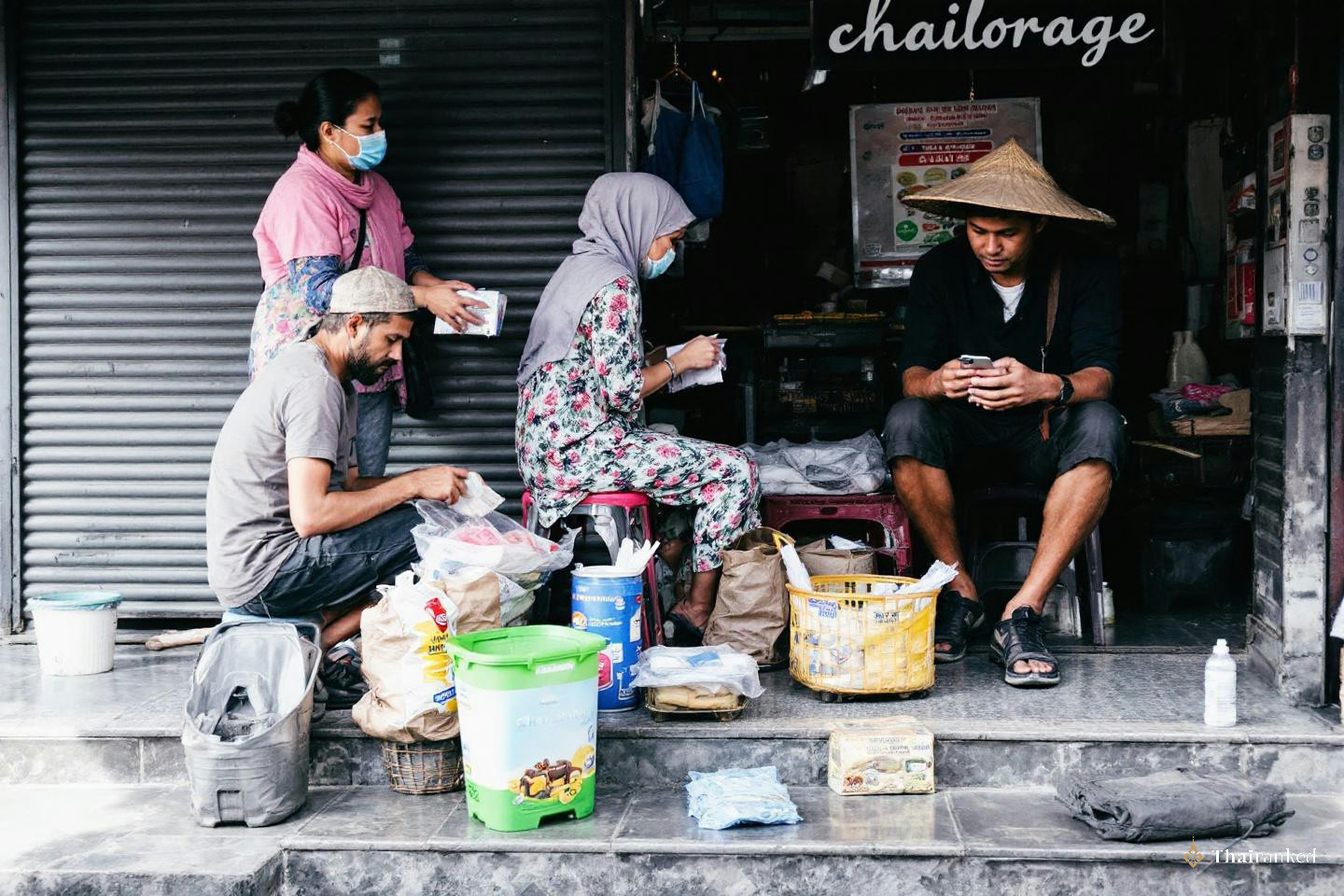
Many expats inherit overpriced postpaid plans they no longer need. Audit your real monthly usage in your carrier app, then drop to a better-fit bundle. Prepaid “unlimited at 4–10 Mbps” packages are often enough for maps, messaging, and streaming at SD, at a fraction of postpaid rates. If you need bursts of speed, look for plans with daytime speed caps and higher night/weekend data. Data-only eSIMs are great for frequent travelers, pairing with VoIP or app calling to cut voice costs. Turn off auto-renew promos that crept up in price, and set a calendar reminder to re-check promos every 90 days. Tethering from your phone can replace a backup home line during outages. Keep your Thai number active for banking OTPs, but don’t overpay for data you never use.
Pikul

2. Fix your banking stack and kill fees

Make PromptPay your default, avoid DCC and ATM hits

Most Impact
Fix your banking stack and kill fees

注目ポイント

Trim the friction between foreign income and Thai spending. Use a Thai bank account as your daily hub for rent, utilities, and QR payments. Domestic transfers and PromptPay QR are usually free or very low-cost, so pay bills digitally and avoid cash handling or ATM trips. When moving money from overseas, compare total cost (FX + fees), and batch transfers to reduce per-transfer charges. Avoid dynamic currency conversion at card terminals by choosing to pay in THB. If you must withdraw cash, use your own bank’s ATMs to dodge out-of-network fees. Keep one low-fee multi-currency account for travel and online purchases, and disable international card usage by default for security. A few setup hours here can save you hundreds of baht monthly, every month.
Pikul

3. Rethink your rent: location, lease, and inclusions

Move one stop out, negotiate, and bundle smart

Best Value
Rethink your rent: location, lease, and inclusions

注目ポイント

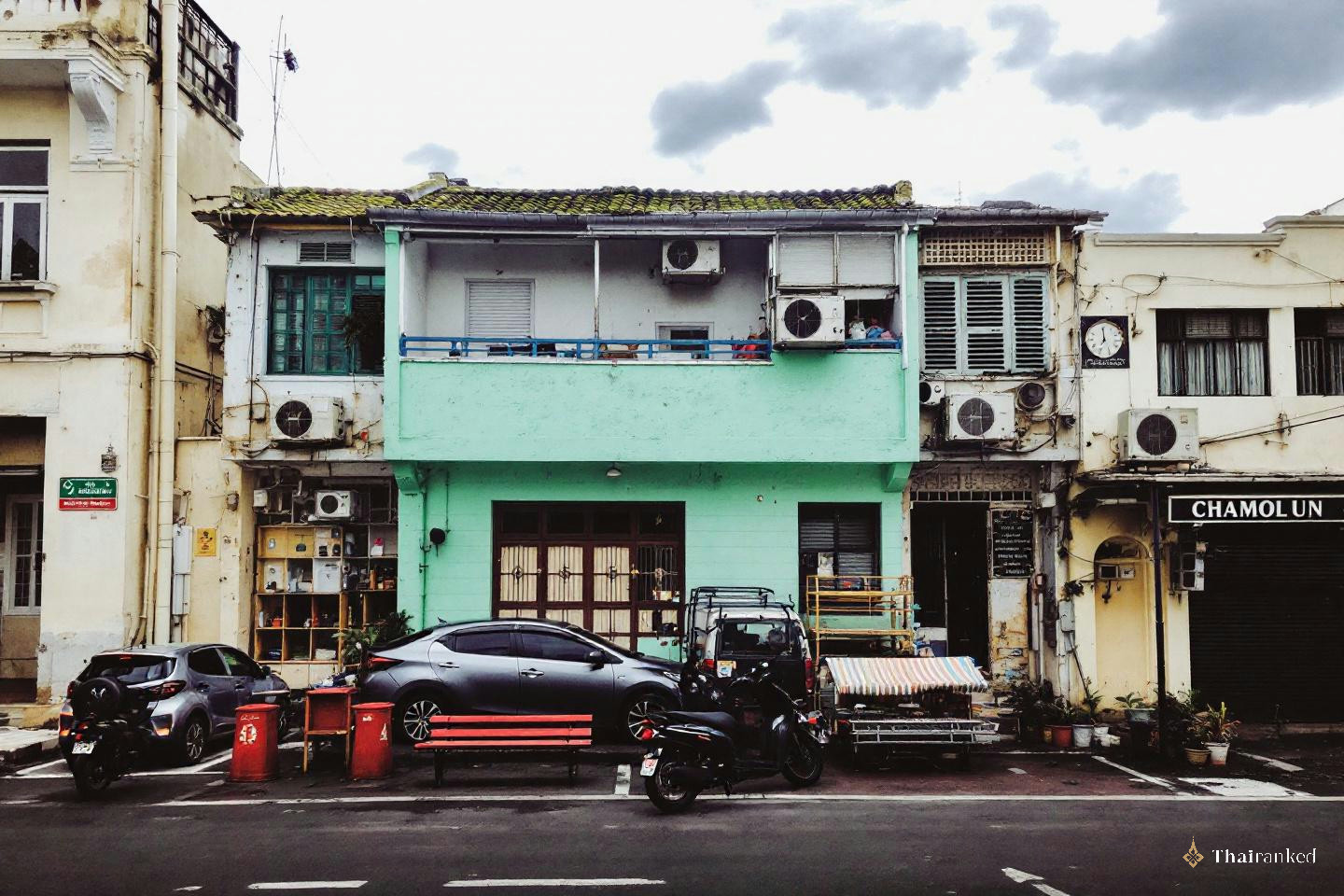
Rent is often your biggest lever. Consider moving one train stop farther from the core, or into an older, well-maintained low-rise. You’ll often get more space, lower rents, and friendlier management. When viewing units, ask what’s included: some buildings bundle basic internet, water, or gym access. Compare electricity billing: direct utility billing is usually cheaper than building markups. Negotiate a 12-month rate, ask about move-in promos, or offer a slightly longer commitment for a lower monthly price. If you work hybrid, prioritize commute days and choose an area that’s cheap for errands on the others. Take fresh photos and videos of condition at handover to protect your deposit. Small trade-offs in location can free thousands of baht a month without reducing quality of life.
Pikul
こちらも見る
Pikul

4. Slash home internet and utility waste

Retention deals, right-size speeds, and AC discipline

Slash home internet and utility waste

注目ポイント

Home fiber is hyper-competitive. Call your provider’s retention line once a year and ask for current promo pricing; entry-level fiber speeds commonly cost far less than legacy plans. Avoid paying for redundant speed if you mostly browse, stream HD, and video call. Place your router centrally and on a shelf for better Wi‑Fi, reducing the temptation to upgrade speed. For electricity, set air-con to 26–27°C, clean filters monthly, use fans to spread cool air, and shut doors in unused rooms. Switch to LED bulbs and unplug idle electronics to cut phantom loads. Wash clothes in cold water and line-dry when possible. These tweaks are boring but reliable, and unlike one-off discounts, they compound on every bill.
Pikul

5. Commute smarter with multi-modal choices

Use rail when fastest, buses and boats when cheapest

Commute smarter with multi-modal choices

注目ポイント

Match the mode to the trip, not habit. Use stored-value cards for BTS/MRT convenience, but don’t ignore cheaper options: BMTA city buses cost a fraction of rail fares on many routes, canal boats bypass gridlock, and the Airport Rail Link can beat taxis in both price and time. For regular commutes, map two or three go-to routes that mix walking, buses, and rail depending on traffic and weather. Watch ride-hailing promos for off-peak discounts, and share rides on weekends. If you ride a motorbike, compare monthly rentals to daily ride-hails for your pattern, and budget for safety gear. For intercity trips, price night buses and standard-class trains before defaulting to budget flights, especially when baggage fees apply.
Pikul

6. Eat like a local: markets, bulk staples, and water refills

Market-first shopping beats supermarket impulse buys

Eat like a local: markets, bulk staples, and water refills

注目ポイント

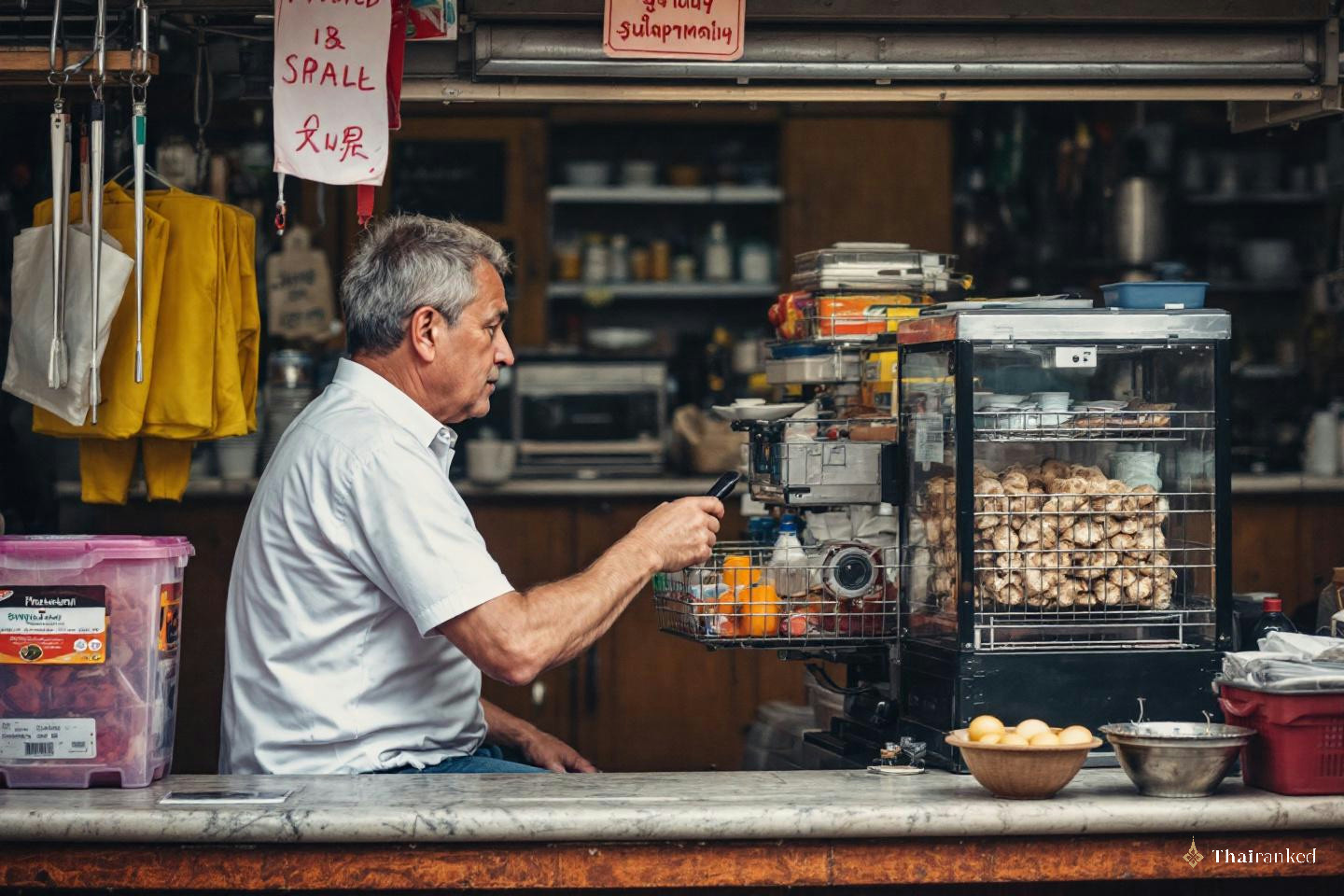
Shift your grocery baseline to fresh markets for produce and herbs, then stock bulk staples like rice, eggs, tofu, and noodles from wholesalers or hypermarkets. Build a short rotation of Thai dishes you can cook fast—stir-fries, soups, and one-pan rice bowls—so eating at home is cheaper than delivery. Street stalls remain great value for single-portion meals; look for places with steady turnover. Carry a reusable bottle and use neighborhood refill stations to cut bottled-water costs drastically. Buy fruit in season and by the kilo, and reduce cafe spend by making coffee at home or picking simpler options. These habit changes can trim hundreds of baht per week, without feeling like a downgrade.
Pikul

7. Audit subscriptions, insurance, and lifestyle extras

Cancel, consolidate, and choose cheaper defaults

Audit subscriptions, insurance, and lifestyle extras

注目ポイント

Do a quarterly sweep of recurring charges. Cancel rarely used streaming apps, switch to annual billing when you’re sure you’ll use the service, and avoid overlapping platforms. Revisit gym memberships—community centers, condo gyms, and public parks with workout stations can cover most routines. Look for bundle discounts on mobile + home internet if you’ll truly use both. For health, comparison-shop private clinics for routine checkups and ask about packages, and keep a small pharmacy kit with basics to avoid pricey last-minute purchases. Finally, set app alerts for fare sales and supermarket promos, but mute push notifications from services that provoke impulse spending. A few hours of pruning can lower your baseline spend all year long.
Pikul

これらの7つの動きを、タイでの生活のための年に1度の調整として考えてください。最も影響力の高い項目から始めましょう - モバイル、銀行、家賃 - その後、公共料金の調整、多モード交通、マーケット優先の食料品習慣、そしてサブスクリプションの春の掃除を取り入れます。もし自転車を好むなら、切り替える前に安全、保険、公正な料金を学んでください;私たちの入門書、オートバイレンタルの究極ガイドでは、主要なリスクと節約をカバーしています。そして、2026年により良いアパートの取引を探しているなら、アプリがあなたの検索を加速できます;予算の層や地域ごとのオプションについてはタイにおけるトップ6コンドミニアムレンタルアプリを参照してください。

ポイントは欠乏ではなく、整合性です:実際に使用するものに対してのみ支払い、各ルーチンのために最も安価な信頼できるチャネルを選び、年に1回再交渉します。それを行えば、タイの生活費は自然に下がり、旅行、語学クラス、またはビーチでの週末のためにより多くのバーツが残るでしょう。

by Thairanked Guide

January 04, 2026 03:33 AM

"2026年にタイのエクスパットのための7つの予算リセット:請求書、銀行業務、コスト削減の交換"

についてよく聞かれること

ここでは、タイに関する最も多い質問への回答をご覧いただけます。