Principales destinos de ecoturismo en Tailandia para 2026
April 21, 2026 08:19 AM
Última edición: April 21, 2026
Explora los principales destinos de ecoturismo en Tailandia, parques nacionales, islas de bajo impacto, alojamientos ecológicos y santuarios de vida silvestre que protegen la cultura local.
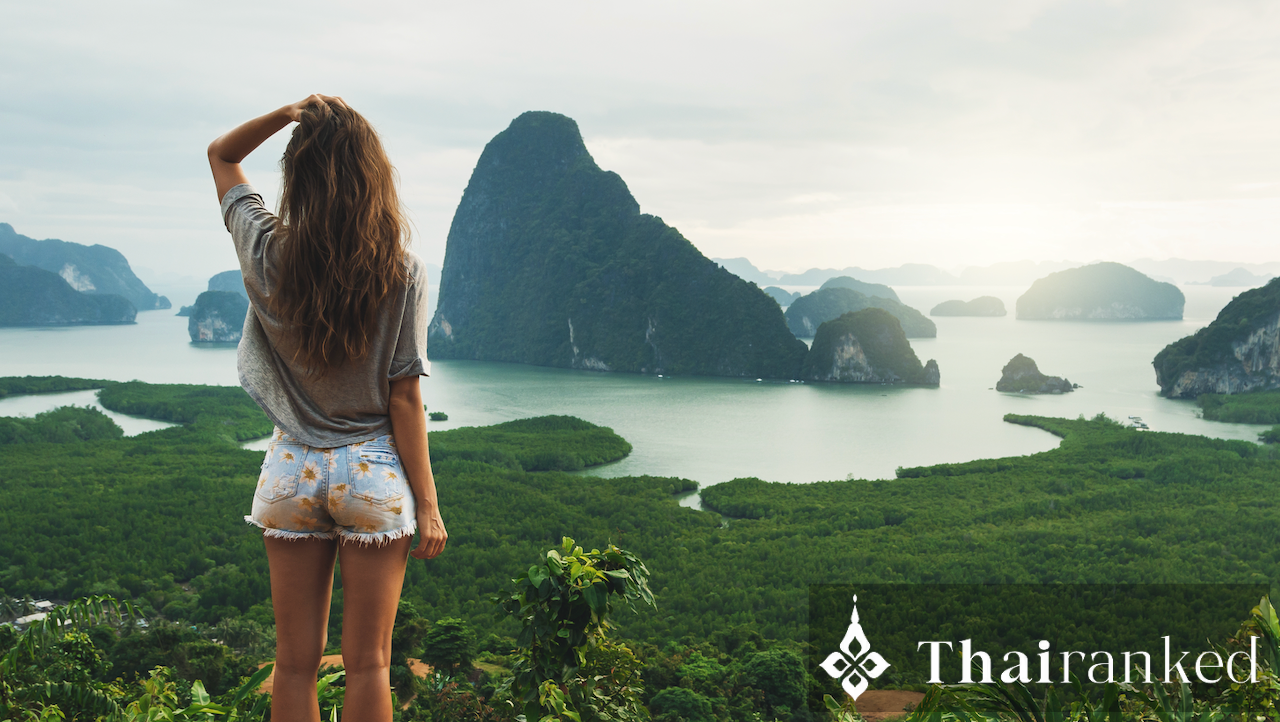

by Thairanked Guide
Thairanked helps you discover great places in Thailand!
Tabla de contenidos
1. Khao Sok National Park & Cheow Lan Lake
2. Koh Yao Noi, Phang Nga Bay
3. Mae Kampong Village Homestays
4. Nan Province Slow Routes
5. Laem Sak Community Tourism, Krabi
6. Ban Talae Nok Homestay, Andaman Coast
7. Koh Phra Thong, Phang Nga
8. Huai Kha Khaeng Wildlife Sanctuary
9. Doi Inthanon Villages and Trails
Buscar hoteles y vuelos
También te puede gustar
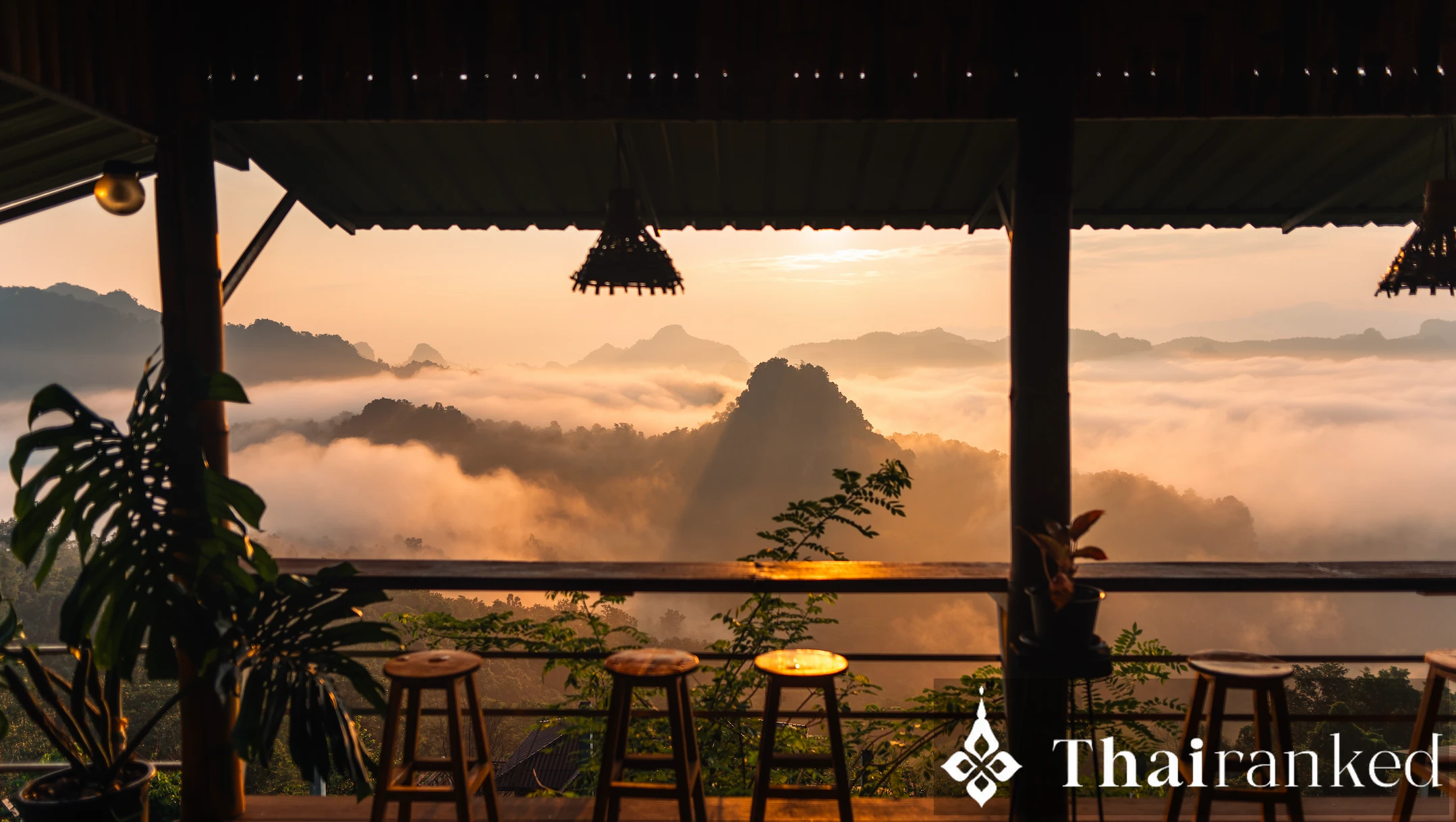


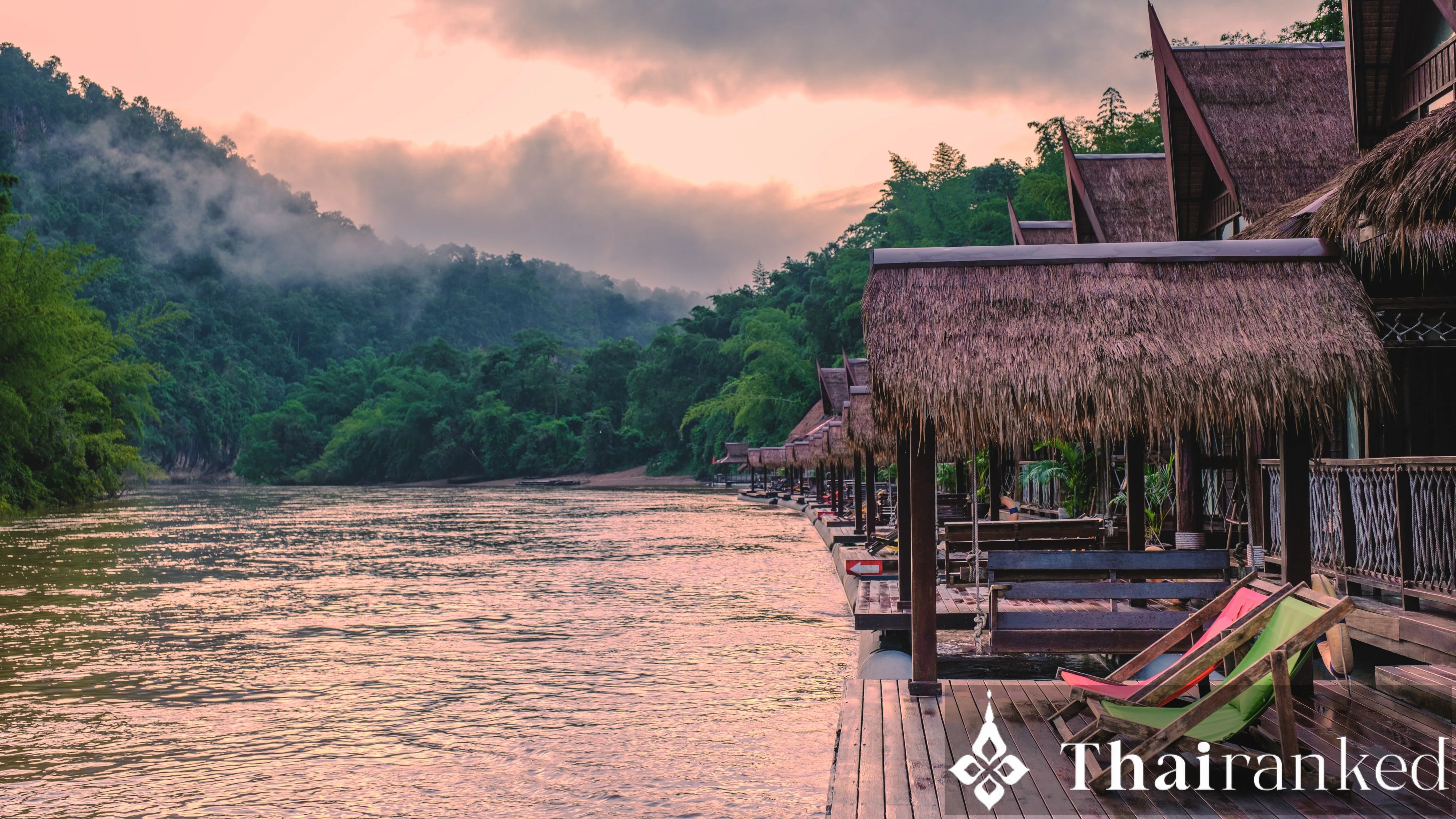



Tabla de contenidos
1. Khao Sok National Park & Cheow Lan Lake
2. Koh Yao Noi, Phang Nga Bay
3. Mae Kampong Village Homestays
4. Nan Province Slow Routes
5. Laem Sak Community Tourism, Krabi
6. Ban Talae Nok Homestay, Andaman Coast
7. Koh Phra Thong, Phang Nga
8. Huai Kha Khaeng Wildlife Sanctuary
9. Doi Inthanon Villages and Trails
Tailandia recompensa a los viajeros que se preocupan por la naturaleza y la cultura.
Puedes dormir en alojamientos rurales, remar a través de los manglares y hacer senderismo con guías que protegen sus bosques. Esta guía destaca destinos de ecoturismo que mantienen el dinero en manos locales, reducen residuos y apoyan la conservación. Espera alojamientos simples, aire limpio y reglas estrictas que protegen la vida silvestre y las aguas. Empaca una botella reutilizable, evita el plástico de un solo uso y reserva excursiones en grupos pequeños dirigidas por residentes.
Los parques nacionales establecen el estándar de protección en Tailandia, y anclan muchas rutas en esta lista. Los guardaparques limitan el número de visitantes, guían a los turistas y hacen cumplir las reglas de no tocar la vida silvestre. Debes caminar por senderos marcados, viajar en botes con licencia y mantener el ruido bajo. Khao Sok, Kaeng Krachan y Huai Kha Khaeng muestran cómo una protección sólida devuelve la vida silvestre. Si planeas un viaje durante la temporada fresca, consulta nuestras recomendaciones en los mejores parques nacionales para visitar en febrero para combinar tu ruta con cielos despejados y mares más tranquilos.
El turismo comunitario completa el resto. Los aldeanos guían paseos por granjas, viajes de arrecifes y talleres de artesanía, luego dividen los ingresos a través de un fondo para escuelas, manglares y agua limpia. Aprendes de dónde proviene la comida, tuestas café con los cultivadores y remas junto a las praderas marinas donde se alimentan las tortugas. Muévete despacio, utiliza el transporte público donde exista y contrata guías que vivan en la tierra. Te irás con mejores fotos y una huella más ligera.

1. Khao Sok National Park & Cheow Lan Lake
Rainforest, raft houses, and ranger-led adventures
Destacado
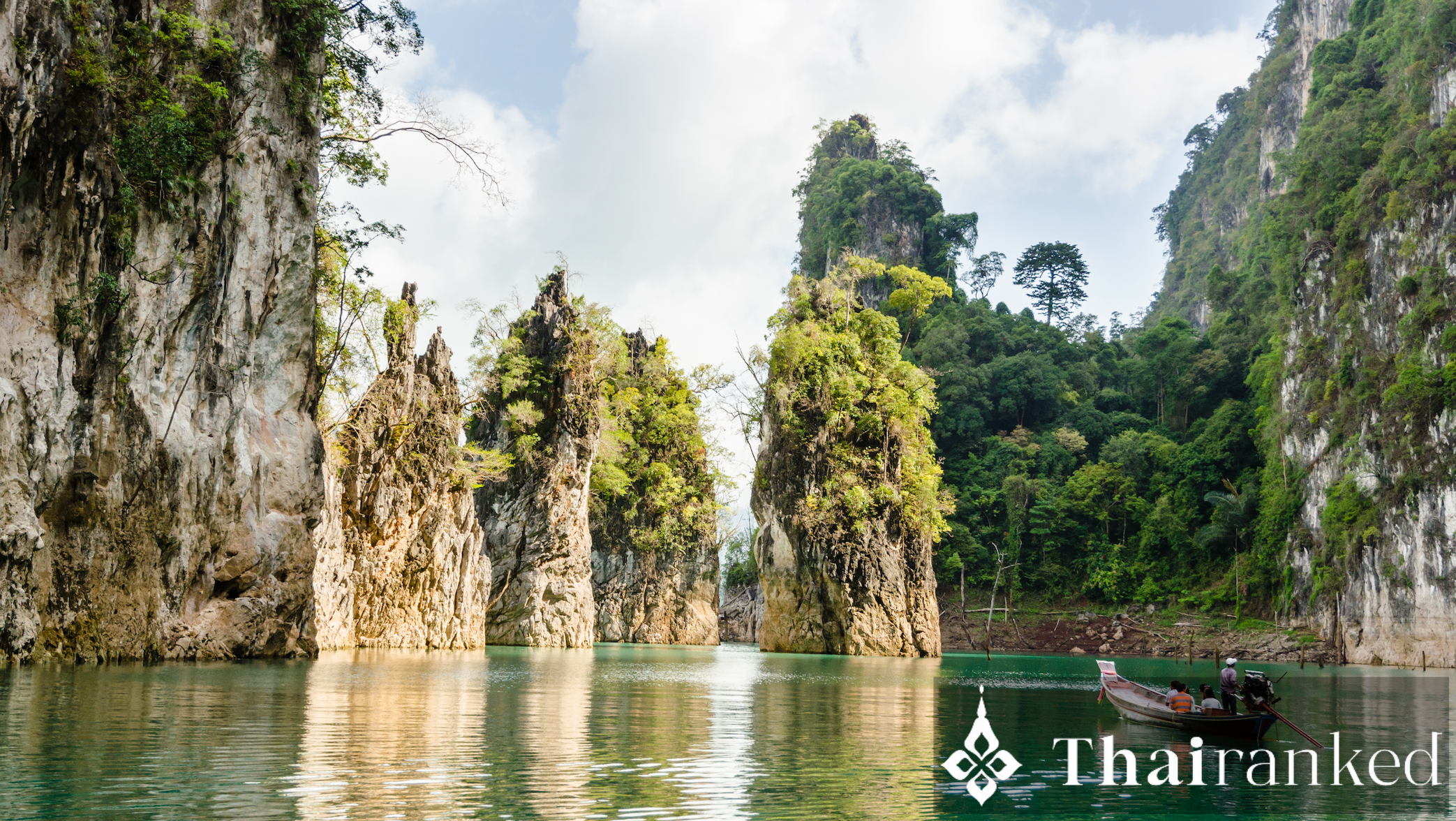
Jungle-clad limestone cliffs, deep evergreen forest, and a vast lake set the scene in Khao Sok. Stay in simple raft houses, then join guided canoe trips at dawn when gibbons call and mist lifts off the water. Park guides keep boats to set routes and keep noise low near nesting areas. Hike with a licensed guide who knows fruiting trees, salt licks, and safe routes during rain. Skip wildlife baiting and never feed fish at cave mouths. Many raft houses run solar at night, so bring a headlamp and a power bank. Buy food from pier markets to cut waste, refill water at your stay, and carry trash out on return boats. Khlong Saeng and smaller inlets feel wilder and reward patient visitors with hornbills, serow, and rare blooms.
Información esencial
Surat Thani
2. Koh Yao Noi, Phang Nga Bay
Low-impact island life with village-led tours
Destacado
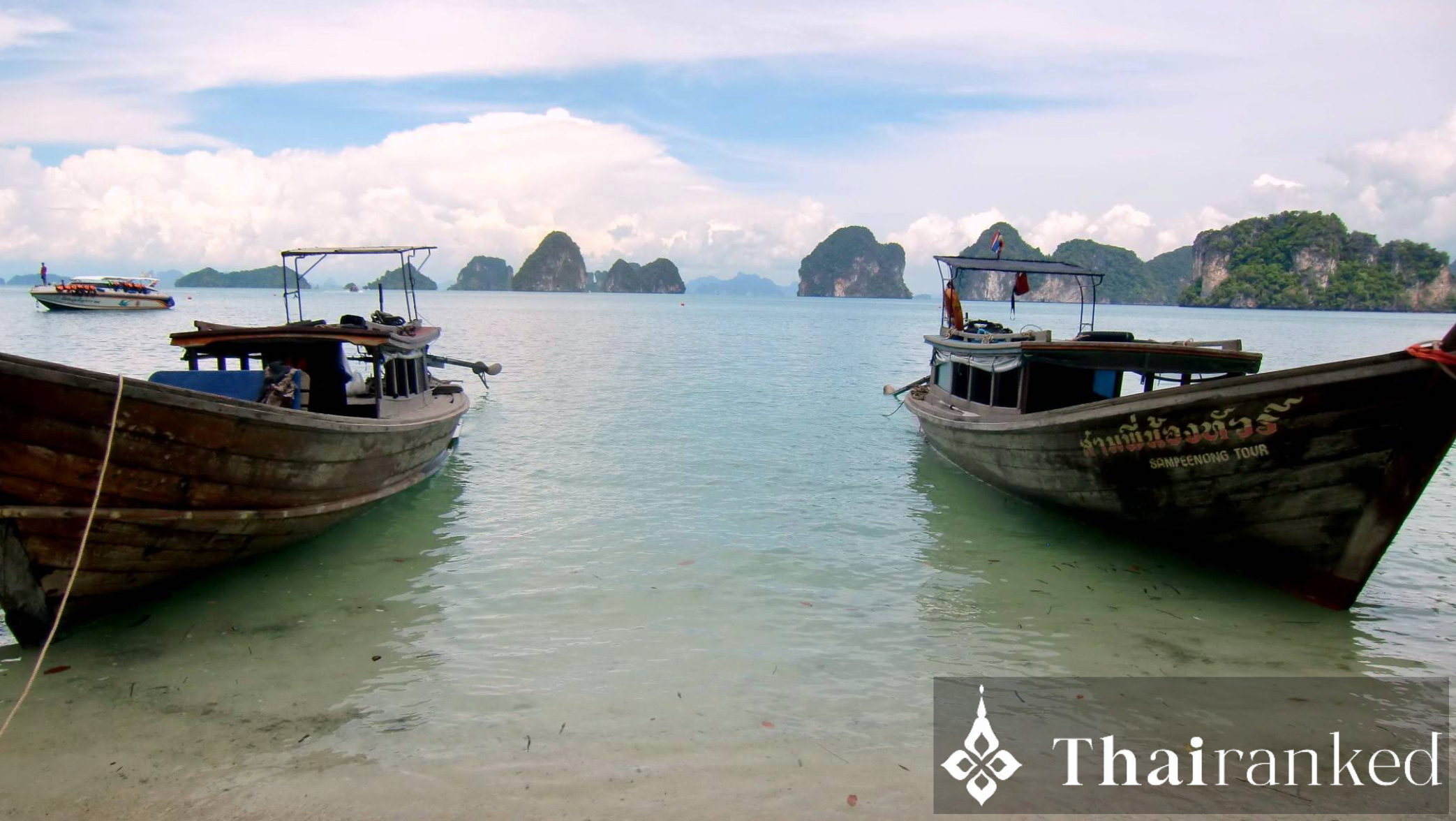
Koh Yao Noi balances low-key island life with firm community rules. Sleep in small bungalows run by island families, ride bikes through rice fields, and paddle through mangrove tunnels with village guides. Fisherfolk set longtail limits near seagrass beds and nesting sites, so tours avoid turtle zones and bird roosts. Join a batik class, visit a rubber plot, or help plant mangrove seedlings during the wet months. Plastic reduction sits at the heart of island life, so carry a bottle and say no to foam boxes. Ferries run from Phuket and Krabi piers, and bike hire keeps transport light on arrival. Views across the bay feel vast, yet the pace stays calm thanks to a cap on party venues and loud boats.
Información esencial
Phang Nga
3. Mae Kampong Village Homestays
Northern homestays that protect a living forest
Destacado
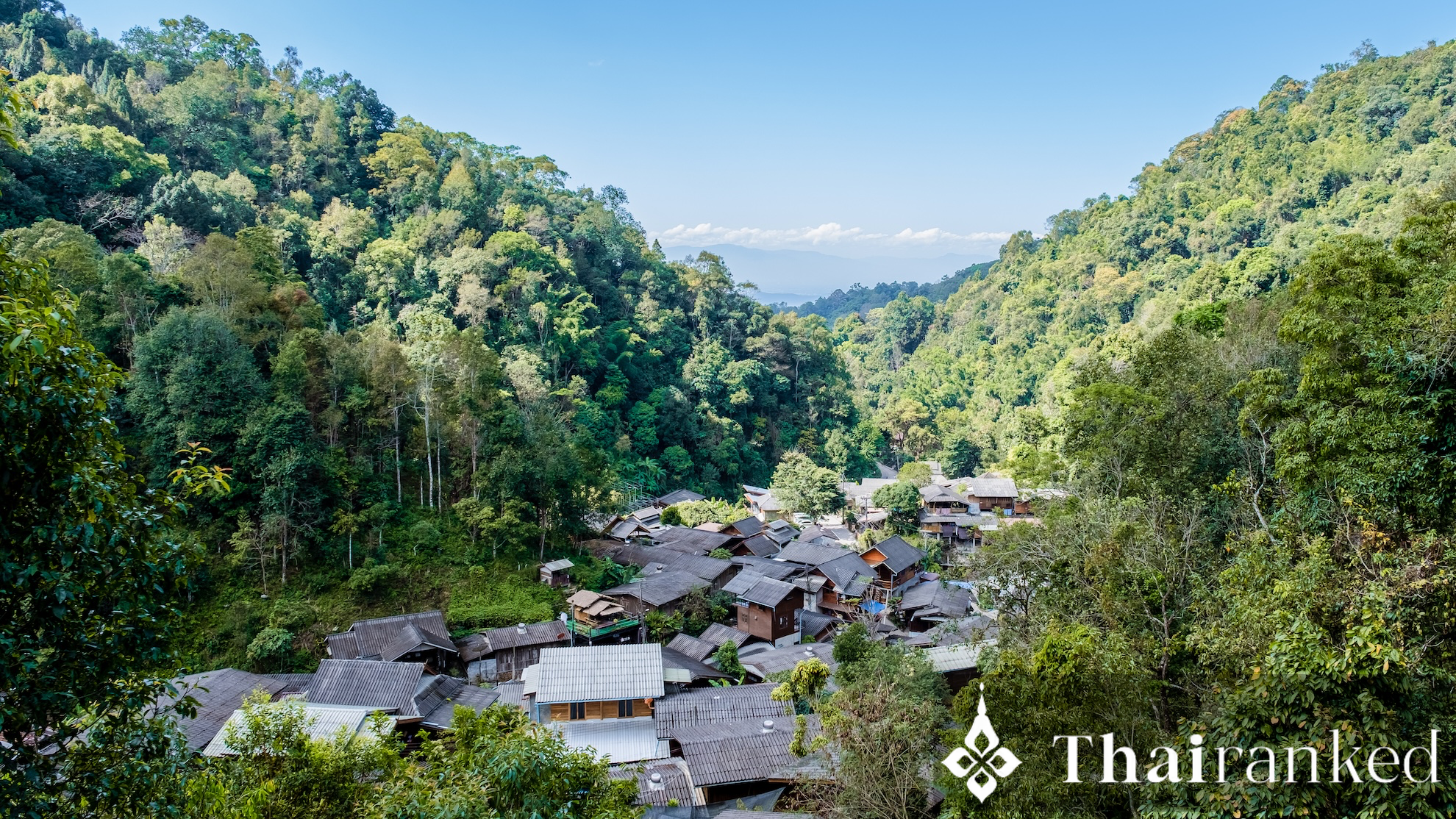
Tucked in a cool valley near Chiang Mai, Mae Kampong runs one of Thailand’s most respected homestay networks. Families open spare rooms, cook with herbs from backyard gardens, and guide short hikes to tea groves and the village waterfall. A shared fund supports trail upkeep, waste sorting, and local school projects. You can roast and grind coffee with growers, weave with artisans, and join a forest walk that explains watershed protection. The village limits car access on weekends, so plan shared transfers from Chiang Mai or arrive on a songthaew. Nights grow chilly in the cool season, so pack a layer and enjoy quiet evenings on wooden porches instead of screens.
Información esencial
Chiang Mai
Ver también
4. Nan Province Slow Routes
Forest parks, village funds, and starry skies
Destacado
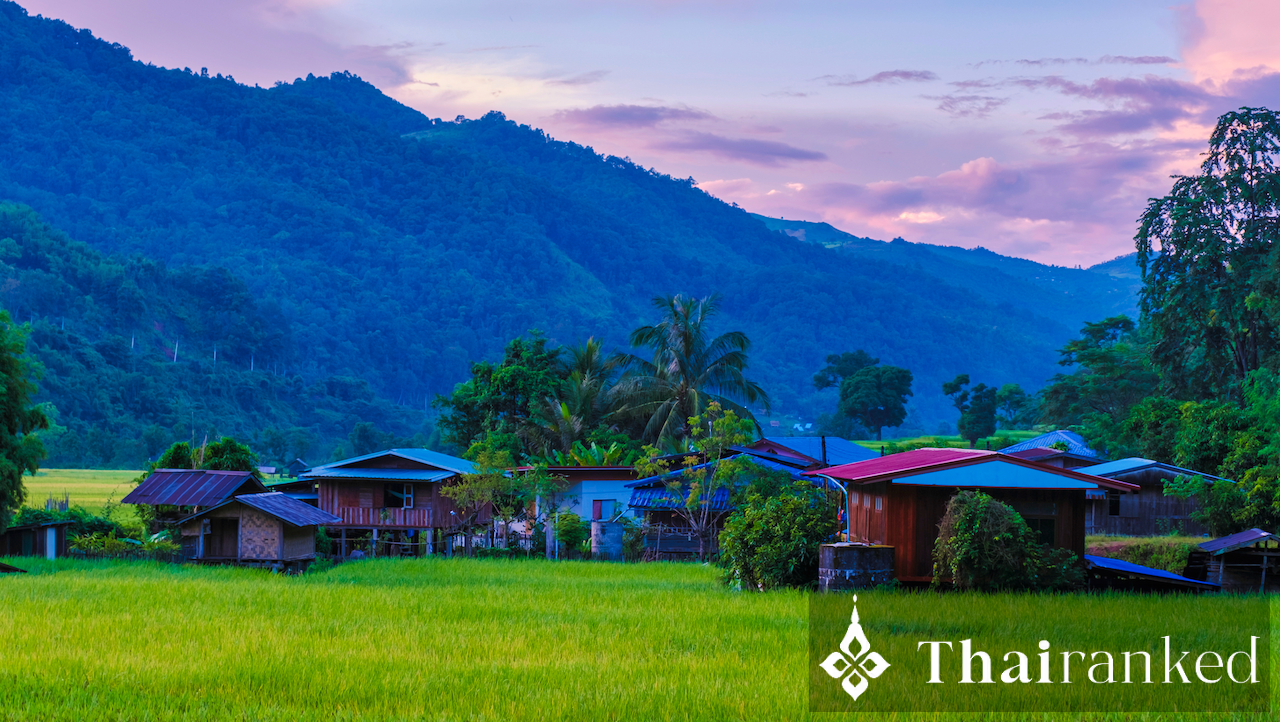
Nan offers river valleys, forest parks, and village culture with far fewer crowds. Base yourself in Pua or Bo Kluea, then explore Doi Phu Kha’s viewpoints and cycads with park guides. Salt wells in Bo Kluea show an old craft that funds conservation and local schools. Homestays channel visitor fees into replanting and firebreak work each dry season. Ride a rented bike between rice fields, stop at community coffee stalls, and buy produce from weekend markets that avoid plastic bags. Roads twist over forested ridges, so share vans and avoid night drives. The reward comes in clear air, starry nights, and quiet mornings when fog pockets sit in the valleys.
Información esencial
Nan
5. Laem Sak Community Tourism, Krabi
Kayak mangroves and fund seagrass protection
Destacado
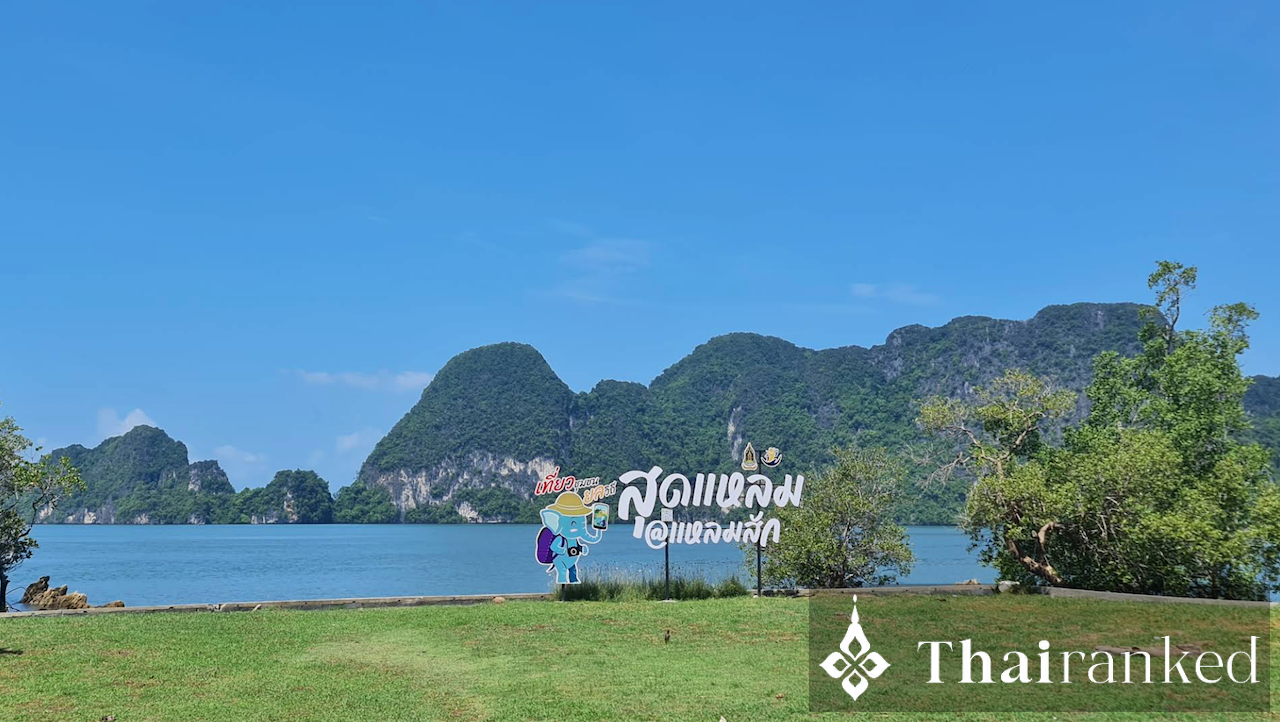
On a quiet cape near Ao Luk, Laem Sak invites visitors to join village-run trips that support seagrass beds and limestone karst. Paddle sea kayaks with local guides who point out nursery fish, oysters, and birdlife on the cliffs. Workshops cover tie-dye with natural dyes, net mending, and seaweed snacks. Income flows into mangrove planting, mooring buoys, and waste pickup along the estuary. Homestays serve seafood from small traps and line fishing, with strict size rules for blue crabs and squid. Longtail pilots use set routes to avoid prop scarring and turtle grass damage. Pair Laem Sak with a stop in Krabi Town and skip single-use plastic at the weekend market.
Información esencial
Krabi
6. Ban Talae Nok Homestay, Andaman Coast
Homestays that rebuild coast and culture
Destacado
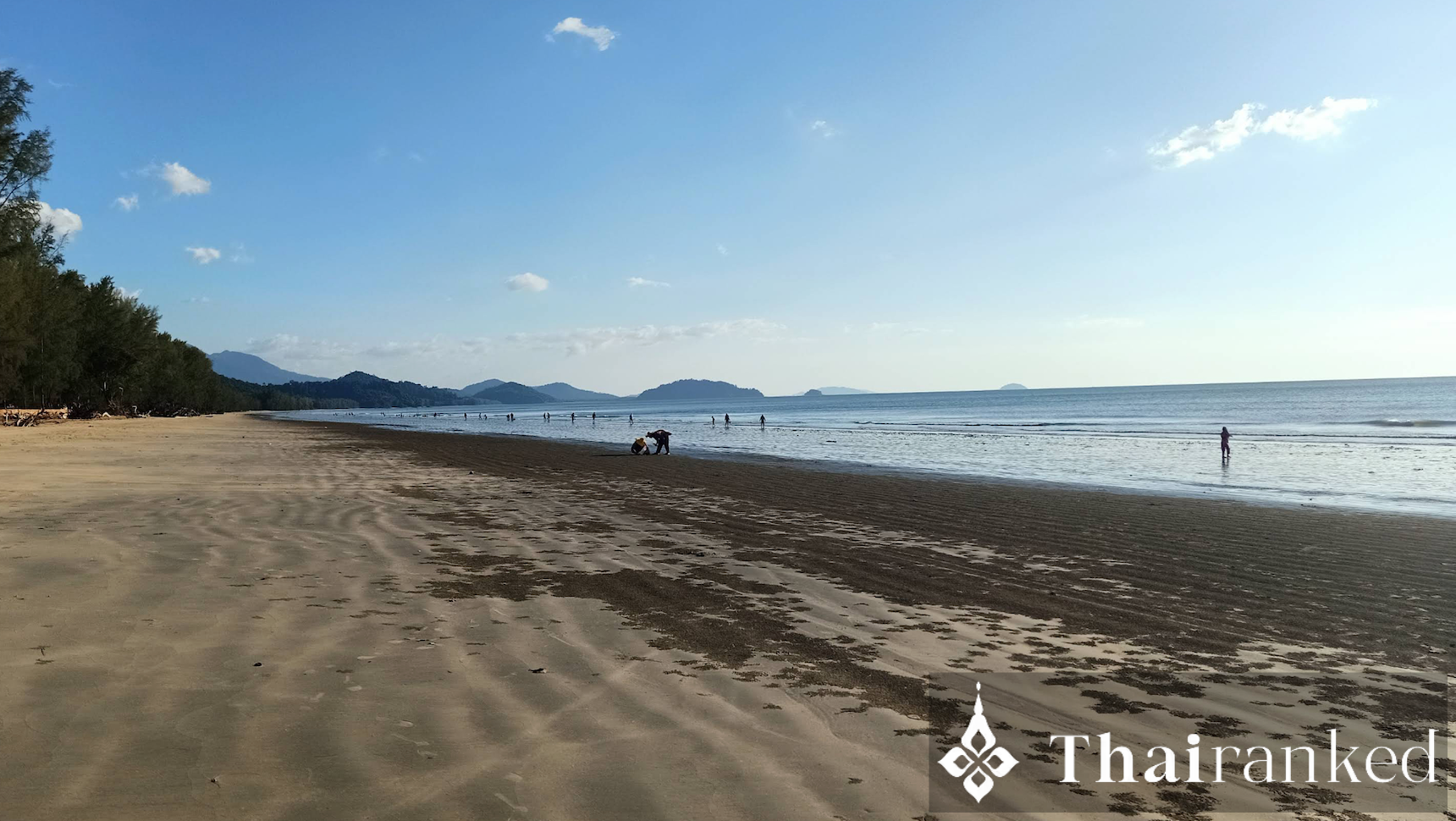
South of Ranong, this coastal village rebuilt after the 2004 tsunami and set a model for community tourism. Stay in stilt houses, learn to weave nipa palm roofs, and cook curry with fisher families. Guides lead mangrove walks that show crab nurseries and bird roosts, then take guests to plant seedlings in damaged zones. A village fund pays for waste sorting, water filters, and school projects. Boat trips follow set seasons for calm water and avoid nesting months for turtles. Night skies glow with stars, and mornings bring soft light over mudflats where waders feed. Your visit supports long-term recovery and keeps younger residents engaged in conservation work at home.
Información esencial
Ranong
7. Koh Phra Thong, Phang Nga
Savannah island, turtles, and pure quiet
Destacado
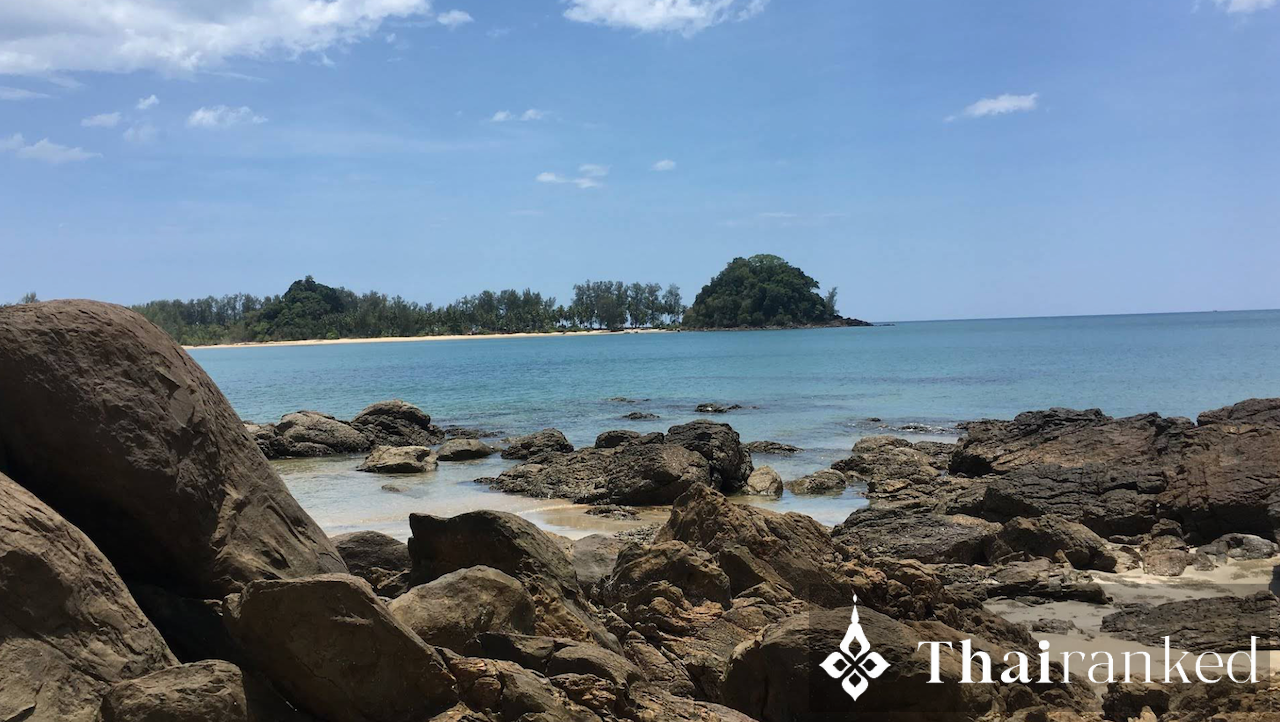
Koh Phra Thong feels like nowhere else in Thailand, with a savannah interior, quiet beaches, and turtle nests on remote stretches. Small eco lodges run on solar and rainwater, and guides take guests on bird walks across palm savannah, then on longtail trips to reef flats with strong conservation rules. The island sits off the main routes, so arrivals pass through Khuraburi with limited transfers each week. Bring cash, a headlamp, and a dry bag. Waste leaves the island on set boats, so pack out what you bring. During nesting months, join night patrols that monitor tracks under ranger supervision. The sense of space and silence rewards patient walkers and careful snorkelers.
Información esencial
Phang Nga
8. Huai Kha Khaeng Wildlife Sanctuary
UNESCO forest with ranger-led wildlife walks
Destacado
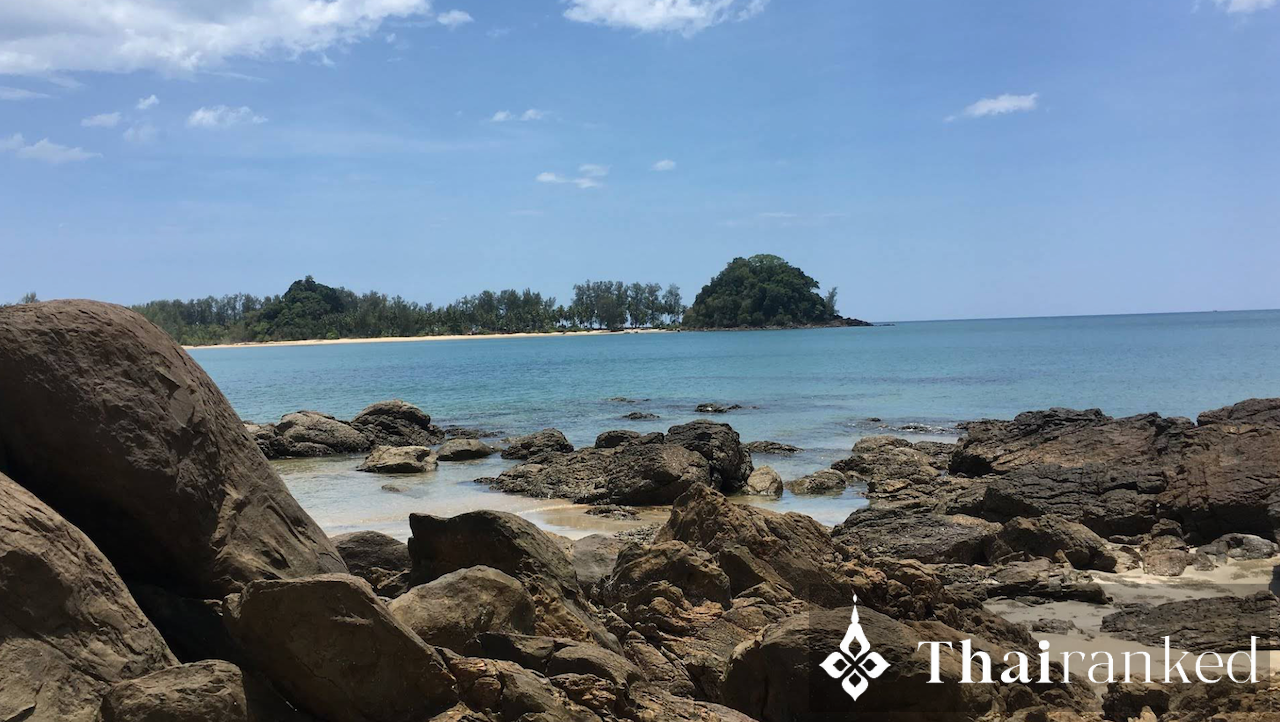
A UNESCO World Heritage site, Huai Kha Khaeng protects one of Southeast Asia’s richest forests. Visitors base at headquarters and join ranger-led visits to observation towers and salt licks. You move on set tracks, limit noise, and keep distance from wildlife. The goal is not selfies with deer, but long, calm scans over ridges and waterholes. Guides explain fire control, patrol work, and how funds support corridors for elephants and tigers. Simple stays near the gate keep impact low. Bring binoculars, a torch, and neutral clothing. With patience you can spot banteng, dhole, hornbills, and rare raptors. This is serious conservation, and your fees help keep it that way.
Información esencial
Uthai Thani
Daily, 8:00–16:00
9. Doi Inthanon Villages and Trails
Coffee farms, cloud forest, and guided hikes

Destacado
Thailand’s highest peak holds terraced fields, cloud forest, and villages that now lead much of the guiding. Karen and Hmong hosts roast coffee, teach dyeing with plants, and guide hikes that link farms and waterfalls. Park rules set trail hours, cap numbers, and keep hikers with licensed guides on popular routes like Kew Mae Pan. Homestays share rice and greens from kitchen plots, and funds maintain trails and bridges before the wet season. Bring a layer for cold nights and mornings, and plan shared transfers from Chiang Mai to cut emissions. The mix of summit views, cool air, and village culture makes a strong finale to any northern route.
Información esencial
¿Falta un negocio que recomendarías?
Cuéntanos quién debería estar en esta lista y nuestros editores lo revisarán.
El ecoturismo en Tailandia funciona mejor cuando te mueves despacio, eliges alojamientos administrados por locales y sigues las reglas del parque sin atajos. Comienza con una base, luego añade una estancia en una casa del pueblo o una caminata guiada por un guardabosques. Lleva una botella con filtro, protector solar seguro para los arrecifes y una bolsa pequeña de basura para los envoltorios de snacks. Comparte furgonetas o trenes, y paga tarifas justas a los guías que protegen los lugares que viniste a ver.
Construye una ruta centrada en la naturaleza alrededor de parques e islas de bajo impacto, luego añade cultura en el norte. Para playas vírgenes y bahías de karst, combina Krabi con un día en Laem Sak, visita la guía de viaje de Krabi para detalles sobre transporte ecológico y comida local. Para caminatas por el bosque, granjas de café y estancias en pequeños pueblos, usa Chiang Mai como tu centro y revisa nuestra lista de parques nacionales para las mejores condiciones de senderismo. Para más inspiración fuera de lo común, mira nuevas rutas en Tailandia Increíble 2026: La 'Ruta Lisa' Oficial a 10 Destinos Ocultos, lugares ecológicos únicos fuera del circuito turístico. Viaja con respeto, retribuye a través de fondos para el pueblo, y ayudas a mantener estos lugares salvajes para tu próxima visita.
by Thairanked Guide
Thairanked helps you discover great places in Thailand!
Lo que la gente pregunta sobre
"Principales destinos de ecoturismo en Tailandia para 2026"
Aquí encontrarás respuestas a las preguntas más populares sobre Tailandia.