Top-Ökotourismusziele in Thailand für 2026
April 21, 2026 08:19 AM
Zuletzt bearbeitet: April 21, 2026
Entdecken Sie Thailands besten Ökotourismus, Nationalparks, umweltschonende Inseln, grüne Unterkünfte und Wildtierschutzgebiete, die die lokale Kultur bewahren.
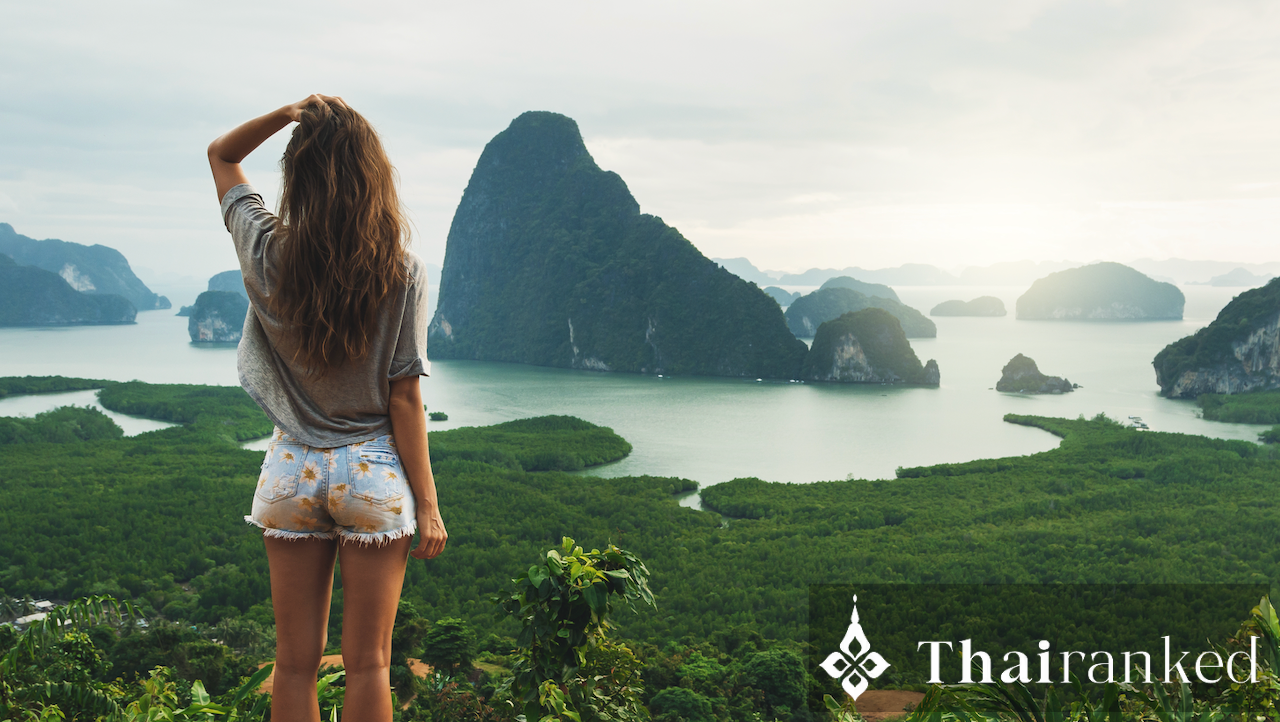

by Thairanked Guide
Thairanked helps you discover great places in Thailand!
Inhaltsverzeichnis
1. Khao Sok National Park & Cheow Lan Lake
2. Koh Yao Noi, Phang Nga Bay
3. Mae Kampong Village Homestays
4. Nan Province Slow Routes
5. Laem Sak Community Tourism, Krabi
6. Ban Talae Nok Homestay, Andaman Coast
7. Koh Phra Thong, Phang Nga
8. Huai Kha Khaeng Wildlife Sanctuary
9. Doi Inthanon Villages and Trails
Hotels & Flüge suchen
Das könnte Ihnen gefallen





Inhaltsverzeichnis
1. Khao Sok National Park & Cheow Lan Lake
2. Koh Yao Noi, Phang Nga Bay
3. Mae Kampong Village Homestays
4. Nan Province Slow Routes
5. Laem Sak Community Tourism, Krabi
6. Ban Talae Nok Homestay, Andaman Coast
7. Koh Phra Thong, Phang Nga
8. Huai Kha Khaeng Wildlife Sanctuary
9. Doi Inthanon Villages and Trails
Thailand belohnt Reisende, die sich um Natur und Kultur kümmern.
Sie können in Dorfbetrieben schlafen, durch Mangroven paddeln und mit Führern wandern, die ihre Wälder schützen. Dieser Leitfaden hebt Reiseziele für Ökotourismus hervor, die Geld in lokale Hände bringen, Abfall reduzieren und den Naturschutz unterstützen. Erwarten Sie einfache Unterkünfte, saubere Luft und strenge Regeln, die Wildtiere und Gewässer schützen. Packen Sie eine nachfüllbare Flasche ein, verzichten Sie auf Einwegplastik und buchen Sie von Einheimischen geführte Kleingruppentouren.
Nationalparks setzen den Standard für den Schutz in Thailand und sind eine Basis vieler Routen auf dieser Liste. Ranger begrenzen die Anzahl der Besucher, führen die Gäste und setzen Regeln für den Kontakt mit Wildtieren durch. Sie betreten markierte Pfade, fahren in lizenzierten Booten und halten den Lärm gering. Khao Sok, Kaeng Krachan und Huai Kha Khaeng zeigen, wie starker Schutz Wildtiere zurückbringt. Wenn Sie eine Reise während der kühlen Jahreszeit planen, werfen Sie einen Blick auf unsere Auswahl in den besten Nationalparks, die man im Februar besuchen kann, um Ihre Route mit klarem Himmel und ruhigeren Meeren zu kombinieren.
Gemeindebasierter Tourismus füllt den Rest. Dorfbewohner führen zu Bauernhofwanderungen, Rifffahrten und Kunstwerkstätten und teilen dann die Einnahmen durch einen Fonds für Schulen, Mangroven und sauberes Wasser. Sie erfahren, woher das Essen kommt, rösten Kaffee mit den Anbauern und paddeln an Seegras vorbei, wo Meeresschildkröten fressen. Bewegen Sie sich langsam, nutzen Sie öffentliche Verkehrsmittel, wo es sie gibt, und engagieren Sie Führer, die vor Ort leben. Sie gehen mit besseren Fotos und einem leichteren Fußabdruck.

1. Khao Sok National Park & Cheow Lan Lake
Rainforest, raft houses, and ranger-led adventures
Highlight
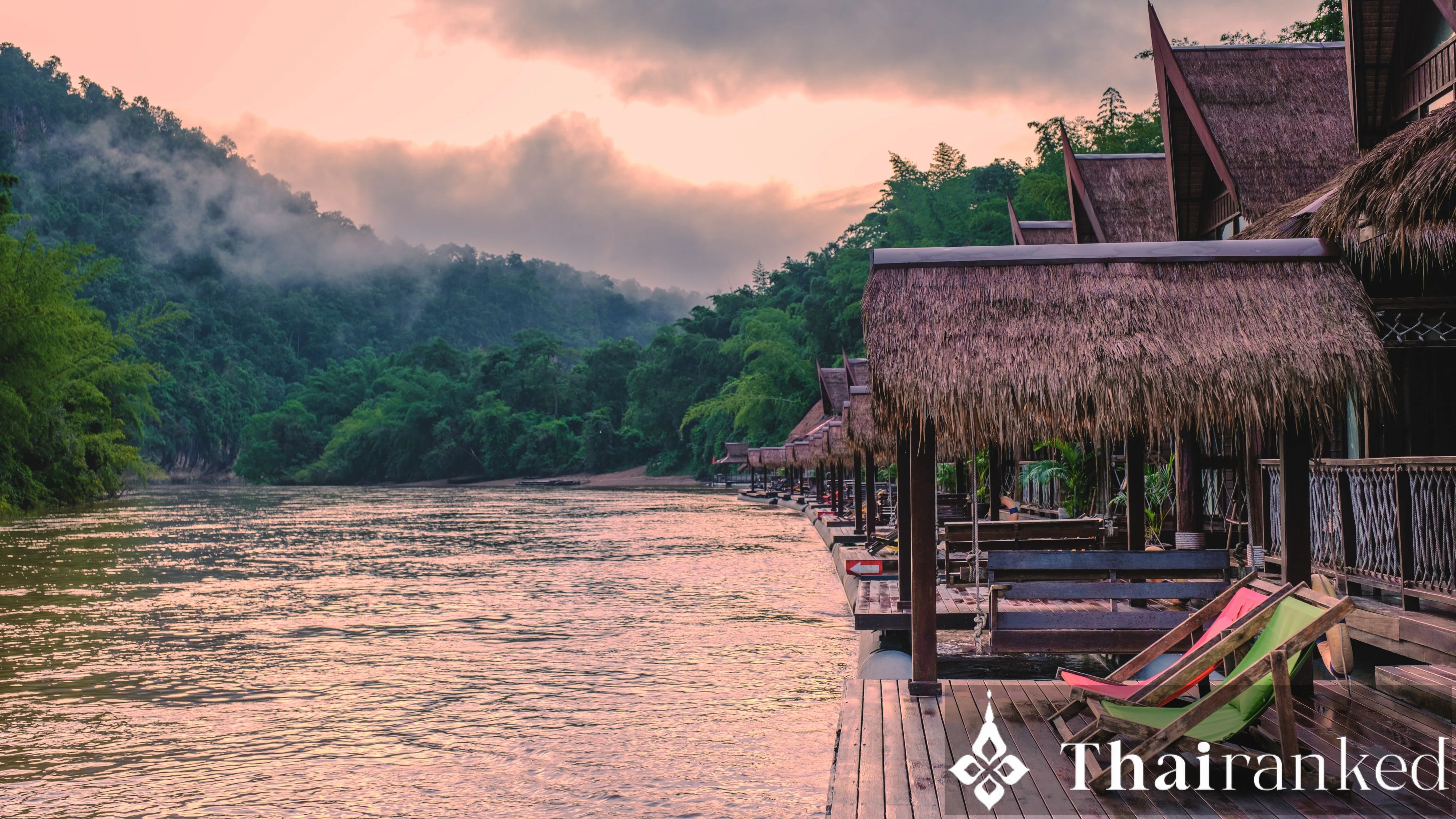
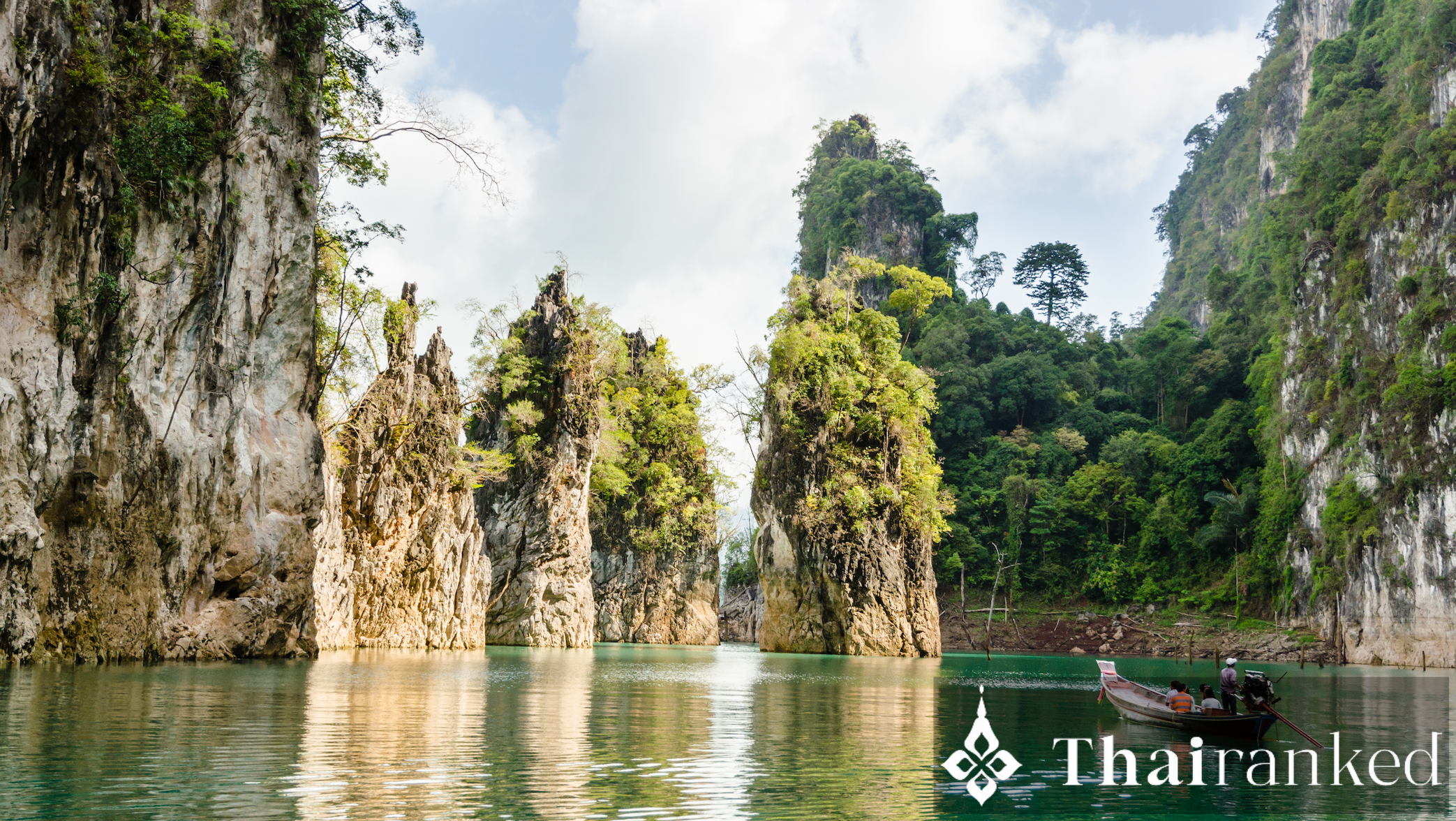
Jungle-clad limestone cliffs, deep evergreen forest, and a vast lake set the scene in Khao Sok. Stay in simple raft houses, then join guided canoe trips at dawn when gibbons call and mist lifts off the water. Park guides keep boats to set routes and keep noise low near nesting areas. Hike with a licensed guide who knows fruiting trees, salt licks, and safe routes during rain. Skip wildlife baiting and never feed fish at cave mouths. Many raft houses run solar at night, so bring a headlamp and a power bank. Buy food from pier markets to cut waste, refill water at your stay, and carry trash out on return boats. Khlong Saeng and smaller inlets feel wilder and reward patient visitors with hornbills, serow, and rare blooms.
Wichtige Informationen
Surat Thani
2. Koh Yao Noi, Phang Nga Bay
Low-impact island life with village-led tours
Highlight
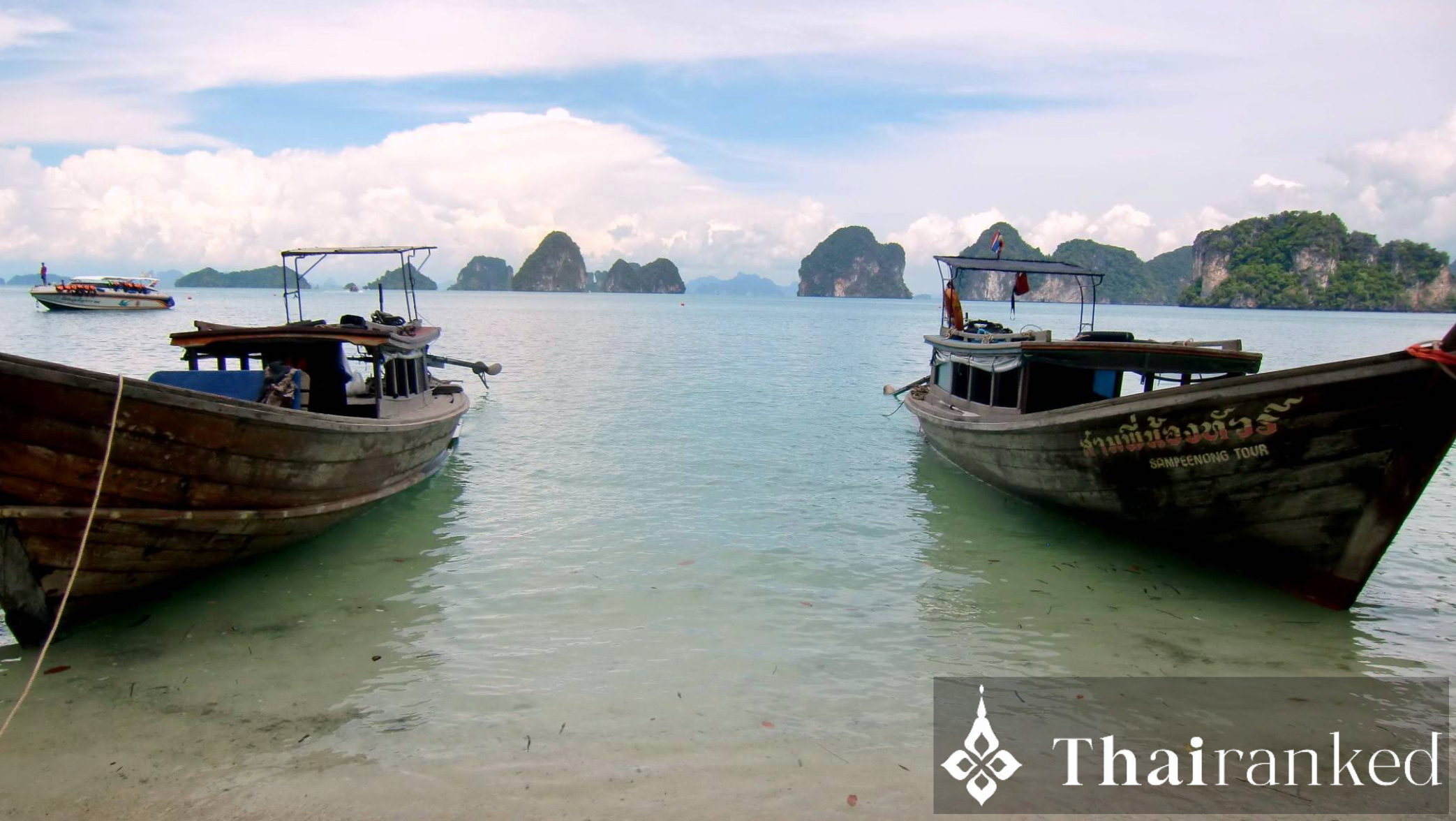
Koh Yao Noi balances low-key island life with firm community rules. Sleep in small bungalows run by island families, ride bikes through rice fields, and paddle through mangrove tunnels with village guides. Fisherfolk set longtail limits near seagrass beds and nesting sites, so tours avoid turtle zones and bird roosts. Join a batik class, visit a rubber plot, or help plant mangrove seedlings during the wet months. Plastic reduction sits at the heart of island life, so carry a bottle and say no to foam boxes. Ferries run from Phuket and Krabi piers, and bike hire keeps transport light on arrival. Views across the bay feel vast, yet the pace stays calm thanks to a cap on party venues and loud boats.
Wichtige Informationen
Phang Nga
3. Mae Kampong Village Homestays
Northern homestays that protect a living forest
Highlight
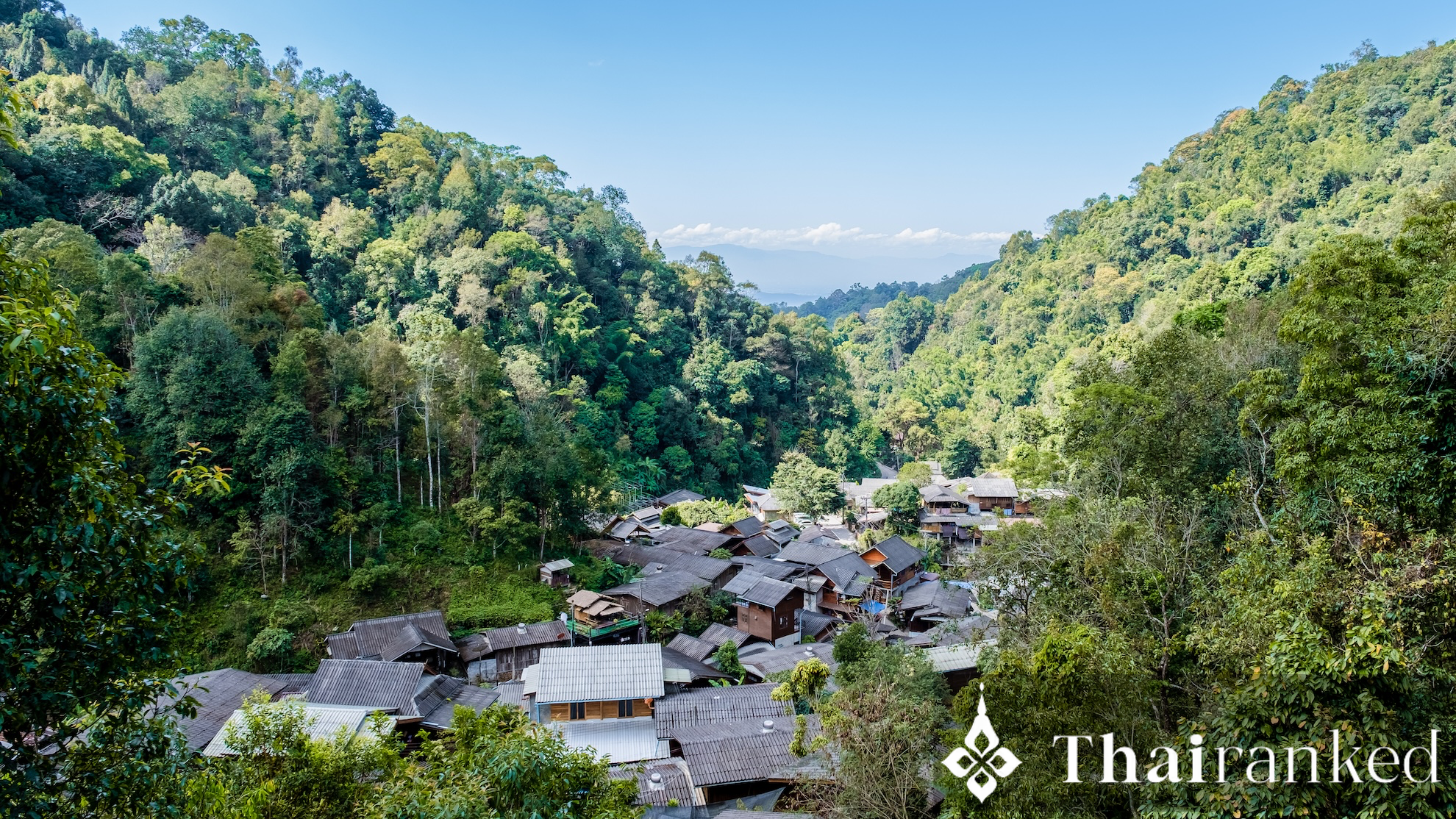
Tucked in a cool valley near Chiang Mai, Mae Kampong runs one of Thailand’s most respected homestay networks. Families open spare rooms, cook with herbs from backyard gardens, and guide short hikes to tea groves and the village waterfall. A shared fund supports trail upkeep, waste sorting, and local school projects. You can roast and grind coffee with growers, weave with artisans, and join a forest walk that explains watershed protection. The village limits car access on weekends, so plan shared transfers from Chiang Mai or arrive on a songthaew. Nights grow chilly in the cool season, so pack a layer and enjoy quiet evenings on wooden porches instead of screens.
Wichtige Informationen
Chiang Mai
Siehe auch
4. Nan Province Slow Routes
Forest parks, village funds, and starry skies
Highlight
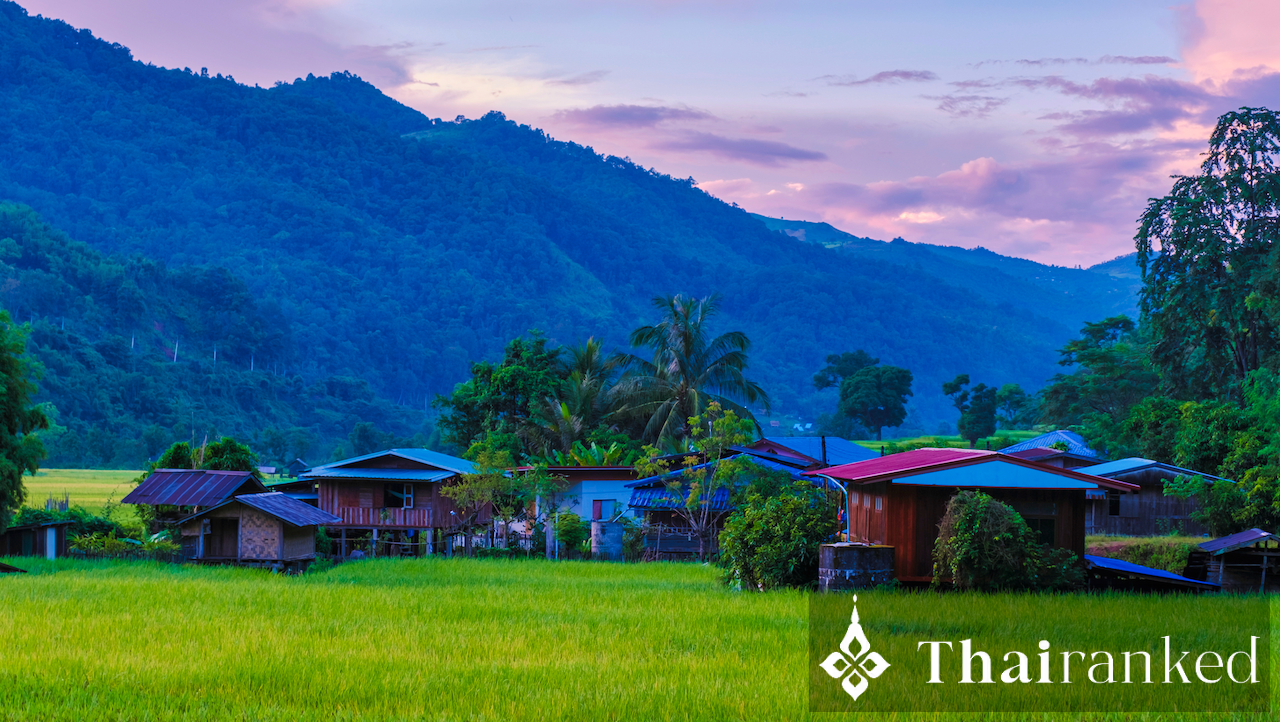
Nan offers river valleys, forest parks, and village culture with far fewer crowds. Base yourself in Pua or Bo Kluea, then explore Doi Phu Kha’s viewpoints and cycads with park guides. Salt wells in Bo Kluea show an old craft that funds conservation and local schools. Homestays channel visitor fees into replanting and firebreak work each dry season. Ride a rented bike between rice fields, stop at community coffee stalls, and buy produce from weekend markets that avoid plastic bags. Roads twist over forested ridges, so share vans and avoid night drives. The reward comes in clear air, starry nights, and quiet mornings when fog pockets sit in the valleys.
Wichtige Informationen
Nan
5. Laem Sak Community Tourism, Krabi
Kayak mangroves and fund seagrass protection
Highlight
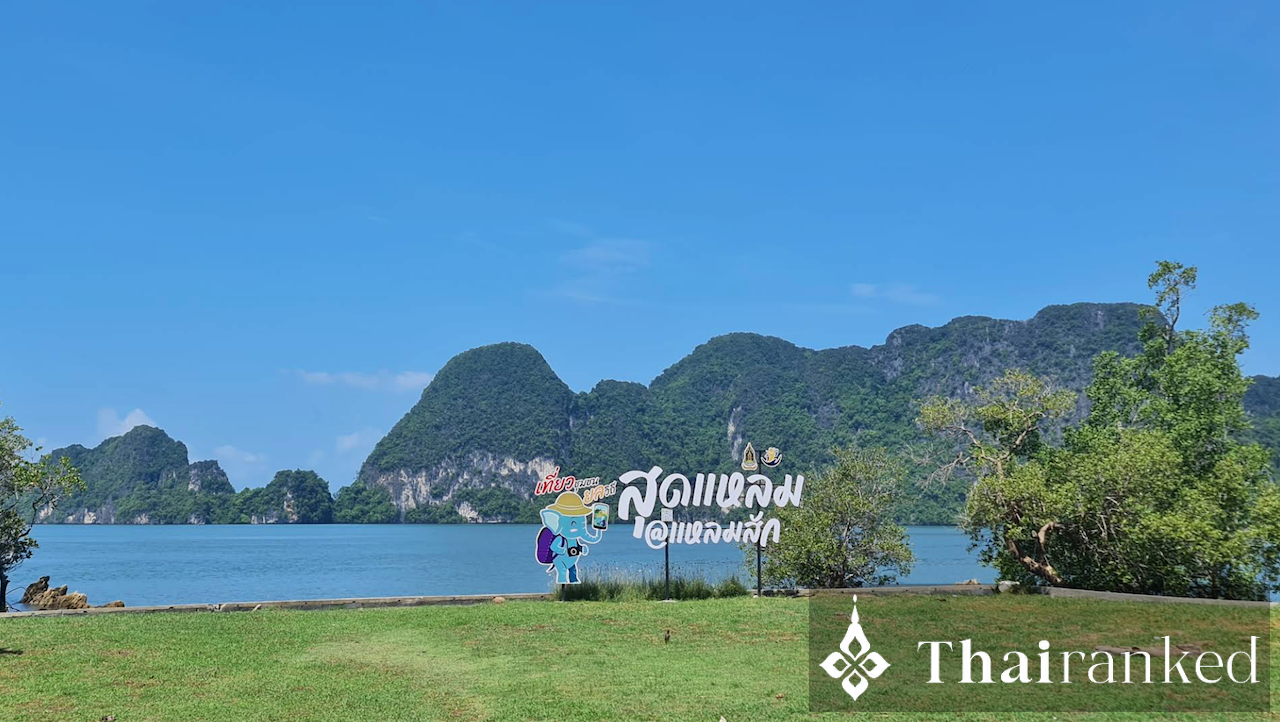
On a quiet cape near Ao Luk, Laem Sak invites visitors to join village-run trips that support seagrass beds and limestone karst. Paddle sea kayaks with local guides who point out nursery fish, oysters, and birdlife on the cliffs. Workshops cover tie-dye with natural dyes, net mending, and seaweed snacks. Income flows into mangrove planting, mooring buoys, and waste pickup along the estuary. Homestays serve seafood from small traps and line fishing, with strict size rules for blue crabs and squid. Longtail pilots use set routes to avoid prop scarring and turtle grass damage. Pair Laem Sak with a stop in Krabi Town and skip single-use plastic at the weekend market.
Wichtige Informationen
Krabi
6. Ban Talae Nok Homestay, Andaman Coast
Homestays that rebuild coast and culture
Highlight
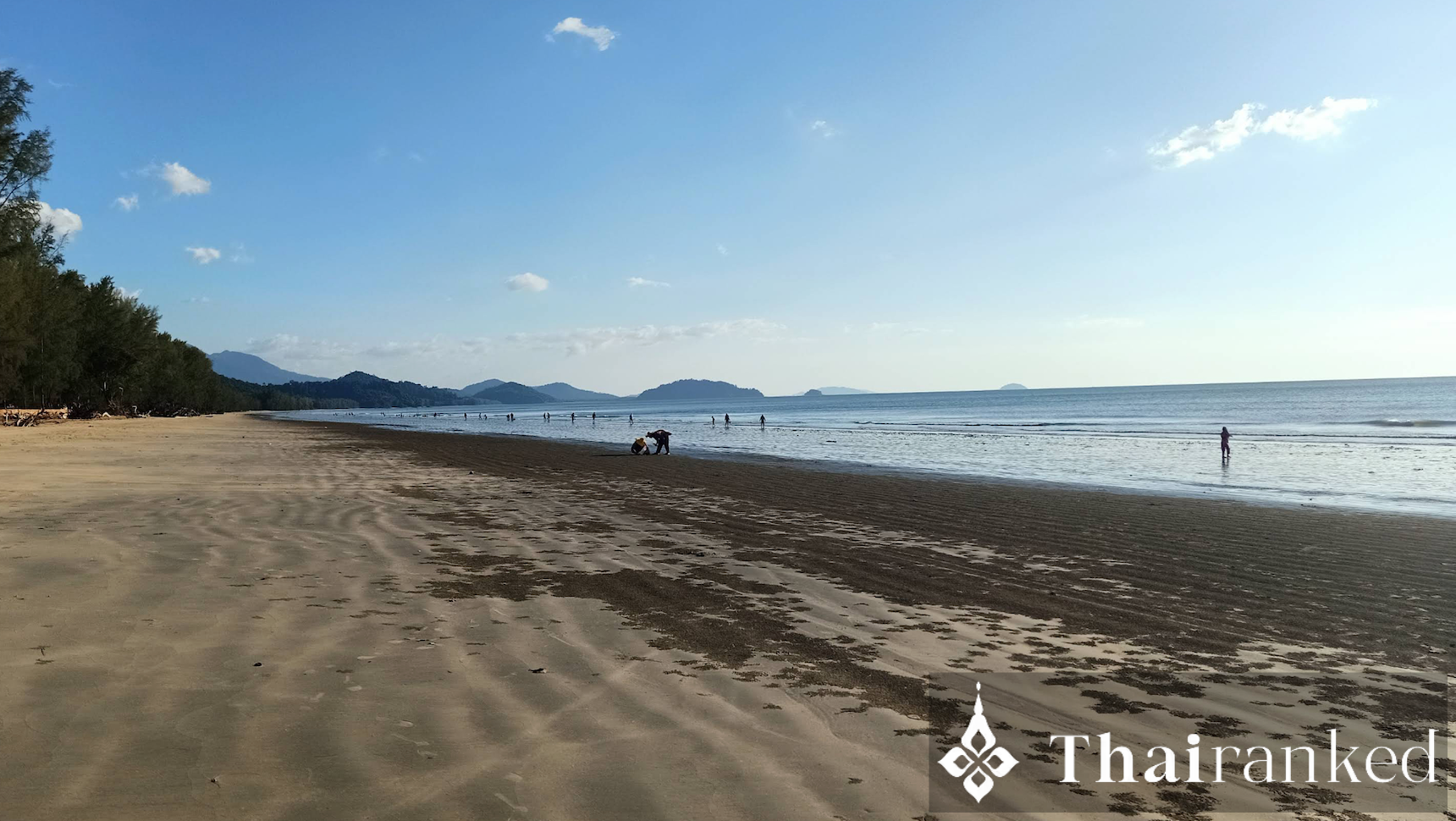
South of Ranong, this coastal village rebuilt after the 2004 tsunami and set a model for community tourism. Stay in stilt houses, learn to weave nipa palm roofs, and cook curry with fisher families. Guides lead mangrove walks that show crab nurseries and bird roosts, then take guests to plant seedlings in damaged zones. A village fund pays for waste sorting, water filters, and school projects. Boat trips follow set seasons for calm water and avoid nesting months for turtles. Night skies glow with stars, and mornings bring soft light over mudflats where waders feed. Your visit supports long-term recovery and keeps younger residents engaged in conservation work at home.
Wichtige Informationen
Ranong
7. Koh Phra Thong, Phang Nga
Savannah island, turtles, and pure quiet
Highlight
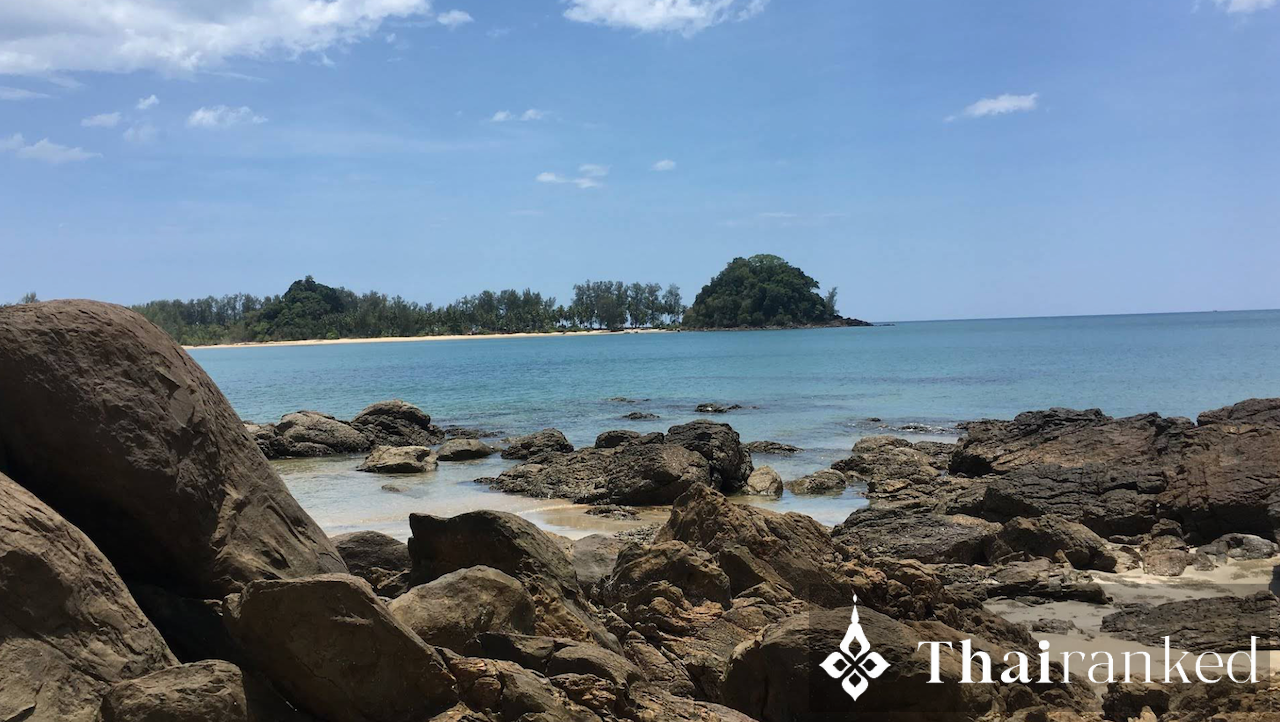
Koh Phra Thong feels like nowhere else in Thailand, with a savannah interior, quiet beaches, and turtle nests on remote stretches. Small eco lodges run on solar and rainwater, and guides take guests on bird walks across palm savannah, then on longtail trips to reef flats with strong conservation rules. The island sits off the main routes, so arrivals pass through Khuraburi with limited transfers each week. Bring cash, a headlamp, and a dry bag. Waste leaves the island on set boats, so pack out what you bring. During nesting months, join night patrols that monitor tracks under ranger supervision. The sense of space and silence rewards patient walkers and careful snorkelers.
Wichtige Informationen
Phang Nga
8. Huai Kha Khaeng Wildlife Sanctuary
UNESCO forest with ranger-led wildlife walks
Highlight
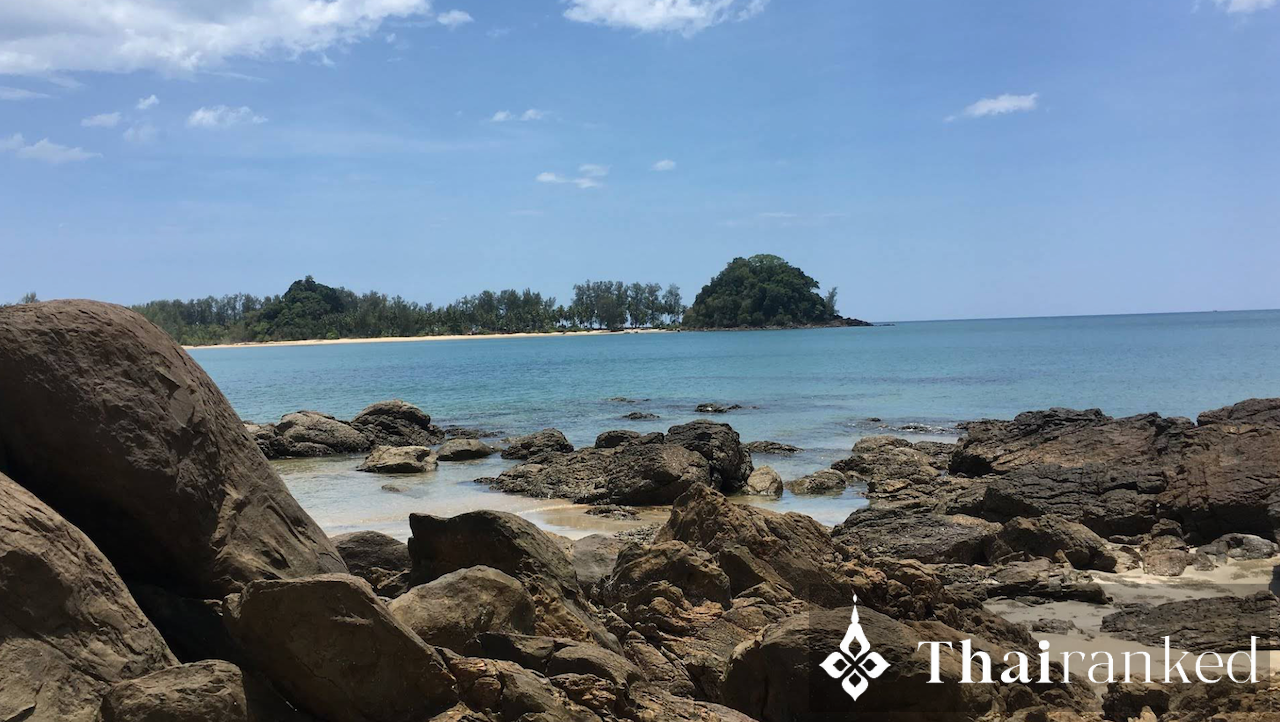
A UNESCO World Heritage site, Huai Kha Khaeng protects one of Southeast Asia’s richest forests. Visitors base at headquarters and join ranger-led visits to observation towers and salt licks. You move on set tracks, limit noise, and keep distance from wildlife. The goal is not selfies with deer, but long, calm scans over ridges and waterholes. Guides explain fire control, patrol work, and how funds support corridors for elephants and tigers. Simple stays near the gate keep impact low. Bring binoculars, a torch, and neutral clothing. With patience you can spot banteng, dhole, hornbills, and rare raptors. This is serious conservation, and your fees help keep it that way.
Wichtige Informationen
Uthai Thani
Daily, 8:00–16:00
9. Doi Inthanon Villages and Trails
Coffee farms, cloud forest, and guided hikes

Highlight
Thailand’s highest peak holds terraced fields, cloud forest, and villages that now lead much of the guiding. Karen and Hmong hosts roast coffee, teach dyeing with plants, and guide hikes that link farms and waterfalls. Park rules set trail hours, cap numbers, and keep hikers with licensed guides on popular routes like Kew Mae Pan. Homestays share rice and greens from kitchen plots, and funds maintain trails and bridges before the wet season. Bring a layer for cold nights and mornings, and plan shared transfers from Chiang Mai to cut emissions. The mix of summit views, cool air, and village culture makes a strong finale to any northern route.
Wichtige Informationen
Fehlt ein Unternehmen, das Sie empfehlen würden?
Sagen Sie uns, wer in diese Liste gehört, und unsere Redaktion wird es prüfen.
Ökotourismus in Thailand funktioniert am besten, wenn man langsam unterwegs ist, lokale Unterkünfte wählt und die Parkregeln ohne Abkürzungen befolgt. Beginnen Sie mit einem Standort, fügen Sie dann eine Dorfunterkunft oder eine von Rangern geleitete Wanderung hinzu. Packen Sie eine Filterflasche, reef-freundliche Sonnencreme und eine kleine Mülltüte für Snackverpackungen ein. Teilen Sie sich Vans oder Züge und zahlen Sie faire Preise an die Guides, die die Orte schützen, die Sie besuchen möchten.
Erstellen Sie eine naturorientierte Route rund um Parks und umweltfreundliche Inseln und fügen Sie dann Kultur im Norden hinzu. Um unberührte Strände und Karstbuchten zu erleben, kombinieren Sie Krabi mit einem Tag in Laem Sak, besuchen Sie den Krabi-Reiseführer für Details zu umweltfreundlichem Transport und lokaler Küche. Für Waldwanderungen, Kaffeeplantagen und kleine Dorfbewohnungen nutzen Sie Chiang Mai als Ihr Drehkreuz und überprüfen Sie unsere Liste der Nationalparks für die besten Wanderbedingungen. Für weitere inspirierende Abstecher sehen Sie sich neue Routen in Amazing Thailand 2026: Der offizielle 'Lisa Route' zu 10 versteckten Zielen an, einzigartige ökologische Orte abseits der Touristenströme. Reisen Sie mit Respekt, geben Sie durch Dorffonds zurück und helfen Sie, diese Orte wild für Ihren nächsten Besuch zu erhalten.
by Thairanked Guide
Thairanked helps you discover great places in Thailand!
Was Menschen fragen über
"Top-Ökotourismusziele in Thailand für 2026"
Hier findest du Antworten auf die beliebtesten Fragen über Thailand.