The Story of Green Curry: Origins, Recipe, Culture
July 28, 2026 03:31 AM
Last edited: July 28, 2026

by Thairanked Guide
Thairanked helps you discover great places in Thailand!
Search Hotels & Flights




The Story of Green Curry
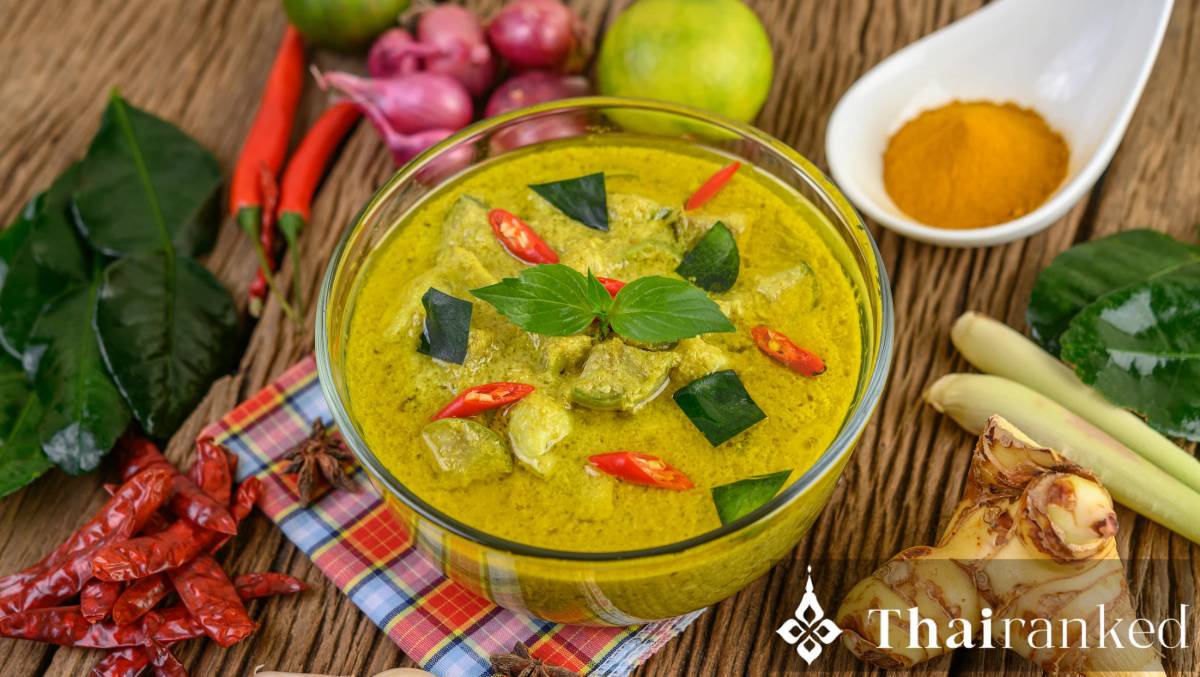
Green curry, known in Thai as gaeng kiew wan, ranks among the world’s most distinctive curries. The dish balances heat, sweet, salt, and herb notes, and it carries a clear green color that signals fresh green chilies and herbs. This guide traces how green curry evolved, lists the ingredients that give it its voice, explains regional variations, and offers practical tips for finding and ordering the best bowls while you travel in Thailand.
Where green curry came from
Histories of Thai food link green curry to central Thai cooking, where cooks mixed aromatic pastes with coconut milk, meat, and local vegetables. Traders brought new chilies and spices from abroad, and Thai cooks blended those arrivals with existing ingredients, including galangal, kaffir lime, and fresh basil. Royal kitchens in Bangkok helped shape many curries into the versions served in restaurants. Experiencing green curry gives you a sense of Thailand’s culinary exchanges between households, markets, and palace kitchens.
Why the name means "sweet green"
The Thai name contains two parts, gaeng, which means curry, and kiew wan, which means green and sweet. The sweetness comes from coconut milk and a touch of palm sugar, while the green color comes from fresh green chilies and a paste made from herbs. Diners in Thailand order gaeng kiew wan and expect a curry that tastes green in both color and aroma, with an undercurrent of sweetness that offsets the spice.
Core ingredients that shape the flavor
Green curry keeps its identity through a handful of decisive ingredients. The list below explains what each part contributes to the final bowl.
- Green curry paste, the base, combines green chilies, garlic, shallots, galangal, lemongrass, coriander root, shrimp paste, and kaffir lime zest. Vendors in markets sell fresh paste, and cooks make their own at home.
- Coconut milk, rich and fatty, softens the heat and creates a creamy texture.
- Protein, chicken, pork, beef, fish, and tofu appear across Thailand. Each protein changes how the curry absorbs the paste and coconut milk.
- Vegetables, Thai eggplants, pea eggplants, bamboo shoots, and long beans offer texture contrasts.
- Herbs and aromatics, Thai sweet basil and kaffir lime leaves add fragrance at the last minute, signing each spoonful with freshness.
- Seasoning, fish sauce and palm sugar create the classic Thai balance of salt and sweet.
Regional twists and variants
Regional cooks adapt green curry to local tastes and ingredients. In the south, chefs add more heat and sometimes use southern aromatics that increase spice and tang. Home cooks in central Thailand keep the curry greener and sweeter, while northern kitchens sometimes swap in seasonal vegetables. Street stalls and night markets often serve simpler versions, with fewer herbs and a thinner coconut base. If you travel with a backpack, consult the Ultimate Backpacking Guide Across Thailand to plan where to try authentic versions of green curry across provinces.
How restaurants and home cooks make it
Cooks start by frying the green curry paste in a little coconut cream until the oil separates, which releases the aromatics. Cooks add protein and enough coconut milk or coconut cream to form a sauce, then simmer until the protein absorbs flavor. Cooks add vegetables that cook fast, like pea eggplants and long beans, and finish with torn basil leaves and sliced kaffir lime leaves. Diners in Thailand expect a bowl with a clear separation between the light green oil and the thicker sauce, which signals correct frying of the paste and good ingredient balance.
How to order green curry in Thailand
Ordering green curry requires two choices, the protein and the heat level. Ask for gai for chicken, moo for pork, nuea for beef, or pla for fish. If you want tofu or vegetables, ask for "jay" to get vegetarian or vegan substitutions. Tell the server your spice preference with the phrase "phet phet" for extra heat, or "mai phet" for mild. Street vendors and market stalls usually follow customer requests. If you travel to Bangkok and want to find night stalls and small restaurants, check our guide to Bangkok’s Best Night Markets for recommended areas where cooks make green curry at high volume and low prices.
How to taste and pair green curry
Green curry pairs with steamed jasmine rice, which soaks the sauce while keeping the balance of flavors. Serve with a small side of fresh cucumber or pickled vegetables to refresh the palate. Drinks that cut fat, such as Thai iced tea or a crisp lager, work. Spicy southern dishes create a contrast with green curry, so bring a friend who likes heat and order a plate from our list of 5 Insanely Spicy Southern Thai Dishes You Must Try to compare heat profiles across regions.
How to make a simple green curry at home
Start by buying or making green curry paste. If you buy paste, read the ingredient list, and choose a brand with visible herb flecks. Heat two tablespoons of coconut cream in a skillet, then add two to three tablespoons of paste, and fry until you smell the herbs. Add 300 to 400 grams of your chosen protein, sear, then pour in 400 milliliters of coconut milk. Simmer until the protein cooks through, add a handful of sliced Thai eggplants or bamboo shoots, and simmer for three to five minutes. Finish with two teaspoons of fish sauce, one teaspoon of palm sugar, and a handful of torn Thai basil leaves. Taste, then adjust salt and sweet. Serve with steamed rice.
Where to try the best green curry while traveling
Bangkok restaurants deliver polished versions, with consistent paste and premium proteins. Small restaurants in Chiang Mai highlight local vegetables and milder heat, and markets in the south deliver a hotter, more assertive take. Consult the Chiang Mai Travel Guide when planning a food-focused trip to northern Thailand. Backpackers often find memorable bowls at roadside eateries listed in the Ultimate Backpacking Guide Across Thailand.
Common mistakes to avoid
- Boiling the curry, which flattens aroma, instead of simmering, which preserves herbs.
- Adding herbs too early, which causes them to lose fragrance.
- Overloading with coconut milk, which masks the paste.
- Ordering "very spicy" without specifying a protein, which can overwhelm milder dishes like tofu curry.
Green curry in Thai food culture
Families serve green curry on weekdays and at small celebrations. Restaurants add green curry to their regular menus because it works for different diners, from children to adults. The dish anchors communal meals, and cooks adjust it for guests with different spice preferences, which makes it an early choice for groups who do not share identical tastes. If you want to learn more about Thai food culture and festival menus, our guide to A Guide to the 10 Most Popular Festivals in Thailand explains how curries and rice appear across seasonal events.
Final taste test
Green curry rewards attention to balance. A successful bowl tastes green, with chile heat, herb fragrance, and a gentle sweetness from coconut and palm sugar. Cooks who fry the paste first produce a brighter curry, and fresh herbs at the finish maintain aroma. Try green curry in street stalls and fine dining kitchens, and compare versions to learn what you like. You will notice differences in heat, herb presence, and texture. Travel with that curiosity, and you will find bowls that match your taste.
Key takeaways
- Gaeng kiew wan means green sweet curry, named for its color and mild sweetness.
- Green curry depends on green paste, coconut milk, and fresh herbs for its identity.
- Regional variations change heat, vegetables, and finishing herbs.
- Order green curry by protein and spice level, and ask for "mai phet" to reduce heat.
- Try versions in markets, Bangkok restaurants, and Chiang Mai eateries to compare styles.
Search Hotels & Flights
Related Insights

Learn Thai business dining rules for 2026, how to behave at lunches and dinners, toast properly, handle the bill, and read sabai cues to win trust and respect.
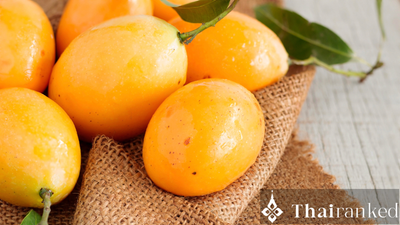
Confused between mayongchid (marian plum) and maprang (plum mango)? Learn how to spot the real thing, avoid throat irritation, and shop smart in Thailand.
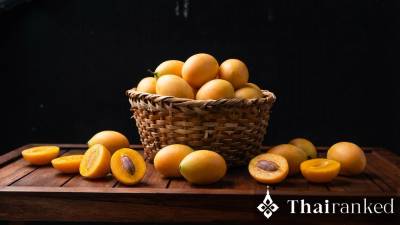
Discover Ma-Yong-Chid (Marian plum), Thailand’s sweet and sour fruit that’s in season only in February. Learn how to eat it, where to find it, and why you must try it.
How papaya salad went from Isan staple to national star. Explore migration, affordability, flavor trends, and regional som tam variations you should try.

Pad Thai wasn’t born in a street stall but shaped by politics, migration and national identity. Discover the full history of Pad Thai, from Chinese noodle traditions to 1930s nation-building and global fame, plus fun facts to impress anyone at dinner.
What people ask about
"The Story of Green Curry: Origins, Recipe, Culture"
Here you will find answers to the most popular questions about Thailand.