Snake Safety in Thailand: Recognize Venomous Species & Emergency Steps
January 05, 2026 08:49 AM

by Thairanked Guide
Thairanked helps you discover great places in Thailand!
Search Hotels & Flights
Related Insights




Why Snake Safety Is Essential in Thailand
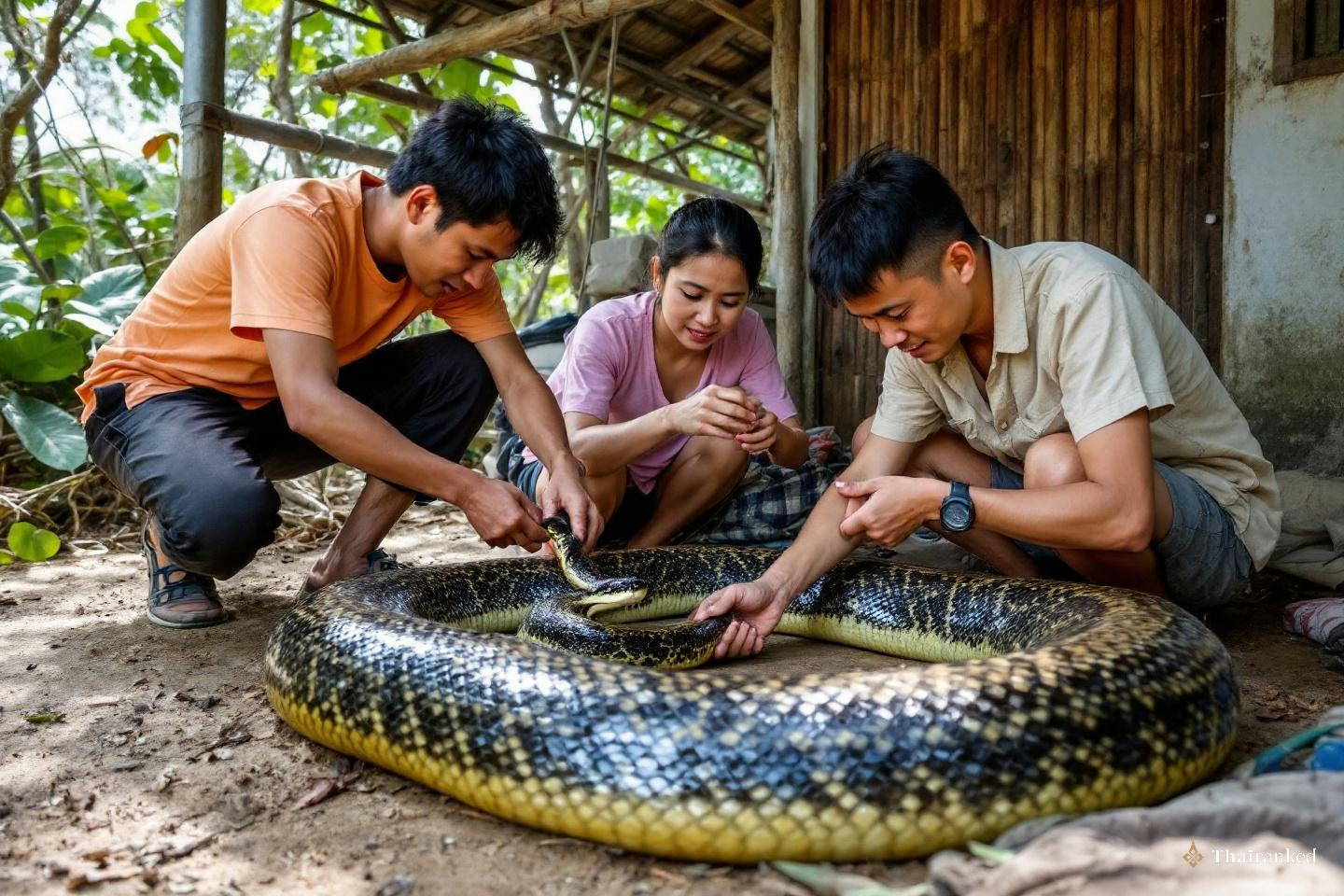
Thailand’s lush landscapes, warm climate, and diverse wildlife mean encounters with snakes are a real possibility, whether you’re living in Bangkok, hiking a remote trail, or relaxing at a resort. While most snakes are harmless, the country hosts some of Asia’s most venomous species. Being able to identify dangerous snakes, knowing what to do in an emergency, and taking common-sense precautions can save lives.
Venomous Snakes in Thailand: Visual ID Guide
Thailand has dozens of snake species, but a handful pose serious risks due to potent venom. Here’s how to spot the most dangerous types:
Cobras
- Appearance: Hooded, usually brown, black, or olive. When threatened, they spread their neck ribs to form a hood.
- Notable species: Monocled cobra (Naja kaouthia), King cobra (Ophiophagus hannah)
- Behavior: Will stand upright and display hood when disturbed. King cobras are much larger (up to 5 meters) and rare, found in forests.
Kraits
- Appearance: Distinctive black and white or yellow bands along the body. Slender, glossy scales, head only slightly wider than neck.
- Notable species: Banded krait (Bungarus fasciatus), Malayan krait (Bungarus candidus)
- Behavior: Nocturnal, shy, prefers to hide. Bites often occur at night, especially in rural areas or poorly sealed homes.
Vipers
- Appearance: Stocky, triangular head, short tail. Color varies: green (white-lipped pit viper), brown or rust (Malayan pit viper).
- Behavior: Ambush predators, often found in foliage or on the ground. Some tree-dwelling vipers may drop onto passersby.
- Warning: Camouflage makes vipers hard to spot, so use a flashlight at night and stick to clear paths.
Sea Snakes
- Appearance: Flattened paddle-like tail, contrasting dark and light bands.
- Zone: Coastal waters, diving/snorkeling areas.
- Risk: Bites are rare, but potential for severe envenomation if handled or stepped on.
Other Venomous Species
- Keelbacks: Mildly venomous, rear-fanged. Usually not dangerous to humans but should still be avoided.
How to Prevent Snake Encounters
The best way to avoid snake bites is to reduce your risk of crossing paths with them:
- Wear boots and long pants while hiking, especially through grass, leaf litter, or near water.
- Use a flashlight when walking outside at night.
- Keep campsites tidy and avoid sleeping directly on the ground if you’re camping. Elevate bedding if possible.
- Shake out shoes and bedding before use, especially in rural or jungle areas.
- Seal holes and gaps in doors/windows, and keep food stored securely to avoid attracting rodents (which attract snakes).
- Keep your garden trimmed and avoid stacking wood or debris piles close to your house.
For advice on outdoor adventure safety near Bangkok and other top destinations, check out our Ultimate Guide to Outdoor Adventure Sports Near Bangkok.
What To Do If You See a Snake
- Do not attempt to catch or kill the snake. Most bites occur when people try to handle them.
- Give the snake space to escape. Back away slowly.
- If indoors, keep pets and children away. Open doors/windows to let it find its way out, or call local animal control or emergency services for assistance.
First Aid for Snake Bites: Step-by-Step Guide
If bitten, act fast but stay calm. Here’s what to do:
- Move away from the snake to avoid a second bite.
- Keep the victim still and calm. Limit movement as venom spreads faster with activity.
- Remove jewelry and tight clothing near the bite site before swelling starts.
- Immobilize the bitten limb using a splint or sling but do not apply a tourniquet or cut/suck the wound.
- Keep the affected limb at or slightly below heart level.
- Call emergency services (1669) or go directly to the hospital. Do not wait for symptoms to appear.
- Do not give the victim anything to eat or drink, especially alcohol.
- Take note of the snake’s appearance but do not try to catch it.
For a list of emergency numbers every resident and visitor should know, read Emergency Numbers in Thailand: What Every Foreigner Should Know.
Hospitals with Snakebite Resources in Thailand
Major hospitals in Bangkok, Chiang Mai, Phuket, and other cities keep snake antivenom on hand and can treat bites effectively. Recommended hospitals include:
- Bangkok Hospital and Bumrungrad International (Bangkok)
- Chiang Mai Ram Hospital (Chiang Mai)
- Vachira Phuket Hospital (Phuket)
- Provincial or district hospitals in rural areas – always your first port of call in remote locations
Thailand’s medical system is well-equipped; speedy treatment is key. Antivenoms are species-specific, so identification (photo, description) helps doctors choose the right one.
Snake Safety Tips for Homes & Hikes
For Homes:
- Install screens on doors/windows.
- Keep yards tidy, trim grass, and remove clutter.
- Seal cracks in floors, walls, and roofing.
- Store food securely, clean up spills—deterring rodents means fewer snake visitors.
For Hikes & Exploring Nature:
- Stay on marked trails.
- Tap logs or rocks before stepping over or sitting.
- Avoid reaching into holes or dense foliage blindly.
- Campsites: keep food raised, trash sealed, and check surroundings each morning.
Love exploring off-the-beaten-path? You might also enjoy our curated list of The Most Local Islands in Thailand for a more authentic (and safe) adventure.
What About Pets and Children?
- Teach children not to approach snakes and what to do if they see one.
- Keep dogs on a leash when hiking or playing outdoors, especially in new areas.
- Check outdoor play areas regularly for snakes, especially after rain.
Thai Snake Safety: Quick Reference Chart
- If you see a snake: Back away, do not provoke.
- Bite occurs: Stay calm, immobilize, go to hospital immediately.
- Cobras and kraits: Often fatal without quick medical help; stay extra vigilant in their habitats.
- Vipers: Pain and swelling common; rare for bites to be fatal with modern care, but prompt assistance is crucial.
Further Reading & Responsible Travel
- Want to learn more about animal conservation? See the Top 5 Ethical Elephant Sanctuaries in Thailand.
- For information on travel health, including disease prevention tips, check out our Seasonal Diseases in Thailand resource.
Stay safe, stay curious, and enjoy the natural beauty of Thailand—armed with knowledge, not fear!
by Thairanked Guide
Thairanked helps you discover great places in Thailand!
Search Hotels & Flights
Related Insights
Explore a detailed comparison between Nan and Loei’s Chiang Khan for an unforgettable, authentic northern Thailand adventure. Road trip or riverside retreat? Discover your best fit.
Get the scoop on Pattaya Music Festival 2026! Discover when to visit Central Beach or Jomtien, lineup highlights, festival tips, and how to plan the ultimate March getaway.
Debating Koh Tao vs. Koh Lanta for your next Thailand trip? Compare diving, nightlife, and laid-back atmosphere to choose your perfect Thai island escape.
Comparing Koh Samui and Koh Phangan: Which Thai island is right for you? Find out about luxury resorts, beach parties, wellness escapes, and travel tips.
Compare Chiang Mai and Chiang Rai for temples, art scene, and living conditions, including smog season insights. Find your perfect northern Thai destination!