The History and Significance of Constitution Day
December 08, 2025 11:13 PM
Last edited: December 09, 2025

by Thairanked Guide
Thairanked helps you discover great places in Thailand!
Search Hotels & Flights
Every year on December 10th, Thailand observes a significant public holiday known as Wan Ratthathammanun, or Constitution Day. While for many it serves as a welcome respite and a time for family, its historical roots run deep. This day commemorates a turning point in the nation's history: the moment Siam (now Thailand) formally transitioned from an absolute monarchy to a constitutional monarchy.
The Winds of Change: 1932
To understand Constitution Day, we must look back to the early 20th century. By 1932, the world was in the grip of the Great Depression, and Siam was feeling the economic strain. Internally, a growing group of Western-educated intellectuals and military officers, known as the Khana Ratsadon (People's Party), began calling for modernization and political reform.
On June 24, 1932, the People's Party staged a bloodless coup, seizing power and demanding a change in governance. The reigning monarch, King Prajadhipok (Rama VII), who was already in favor of reform, graciously accepted the terms to avoid bloodshed and ensure peace for his people.
Why December 10th?
You might wonder why we celebrate in December if the revolution happened in June.
- June 24, 1932: The actual date of the coup and the signing of a provisional charter.
- December 10, 1932: The date King Rama VII signed the first permanent constitution of Thailand.
This signing ceremony at the Ananta Samakhom Throne Hall symbolized a compromise and a new partnership between the monarchy and the new democratic government. It established that sovereign power belonged to the Thai people, with the King exercising power through the National Assembly, the Cabinet, and the Courts.
The Role of King Rama VII
King Prajadhipok is often remembered as the "Democratic King." His willingness to abdicate absolute power is immortalized in his famous statement:
"I am willing to surrender the powers I formerly exercised to the people as a whole, but I am unwilling to turn them over to any individual or any group to use in an autocratic manner without heeding the voice of the people."
Symbols of the Day
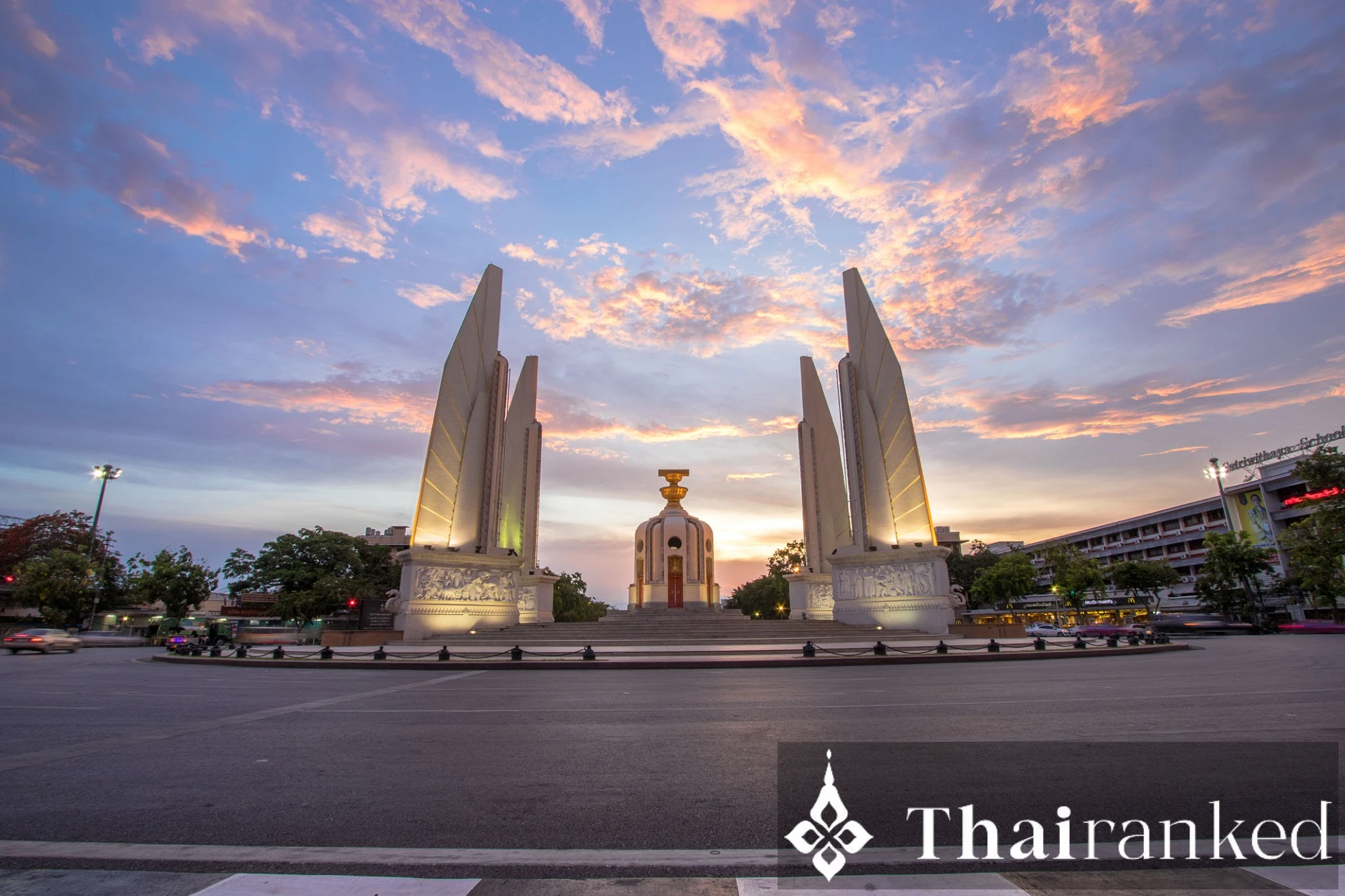
- The Democracy Monument: Located on Ratchadamnoen Avenue in Bangkok, this iconic structure was built to commemorate the 1932 revolution. The central turret holds a box representing the constitution, resting on two golden offering bowls.
- King Rama VII Statue: On this day, government officials and citizens often lay wreaths at the statue of King Rama VII in front of the Parliament Building to pay respects to the monarch who ushered in this new era.
For a deeper look at iconic sites such as Lumpini Park, which also play a role in the capital’s political history, check out Why Lumpini Park Exists: The History Behind Bangkok’s Green Heart.
Conclusion
Constitution Day is more than just a bank holiday; it is a reminder of Thailand’s enduring journey toward democracy. It honors the balance between tradition and progress, remembering the day the Kingdom took its first major step toward a government "of the people, by the people, and for the people." If you're interested in other key festivals and holidays in Thailand for 2026, be sure to see Thai Holidays in 2026: The Best Festivals for Travelers and Thai Public Holidays 2026 for the latest updates.
For the broader context of Thailand's modernization and monarchic reforms, you may also enjoy our piece on A History of the Sukhothai Kingdom as background to Thailand’s democratic evolution.
Alcohol & Entertainment Rules (2026)
Good news! December 10th (Constitution Day) is a public holiday, but it is NOT a 'No Alcohol Day' (unlike Buddhist holidays). To learn more about which days you can and can't buy alcohol, see What days you can't buy alcohol in 2026.
- Bars & Clubs: Open as usual.
- Buying Alcohol at Stores: You can buy alcohol during standard legal hours: 11:00–24:00.
by Thairanked Guide
Thairanked helps you discover great places in Thailand!
Search Hotels & Flights
Related Insights
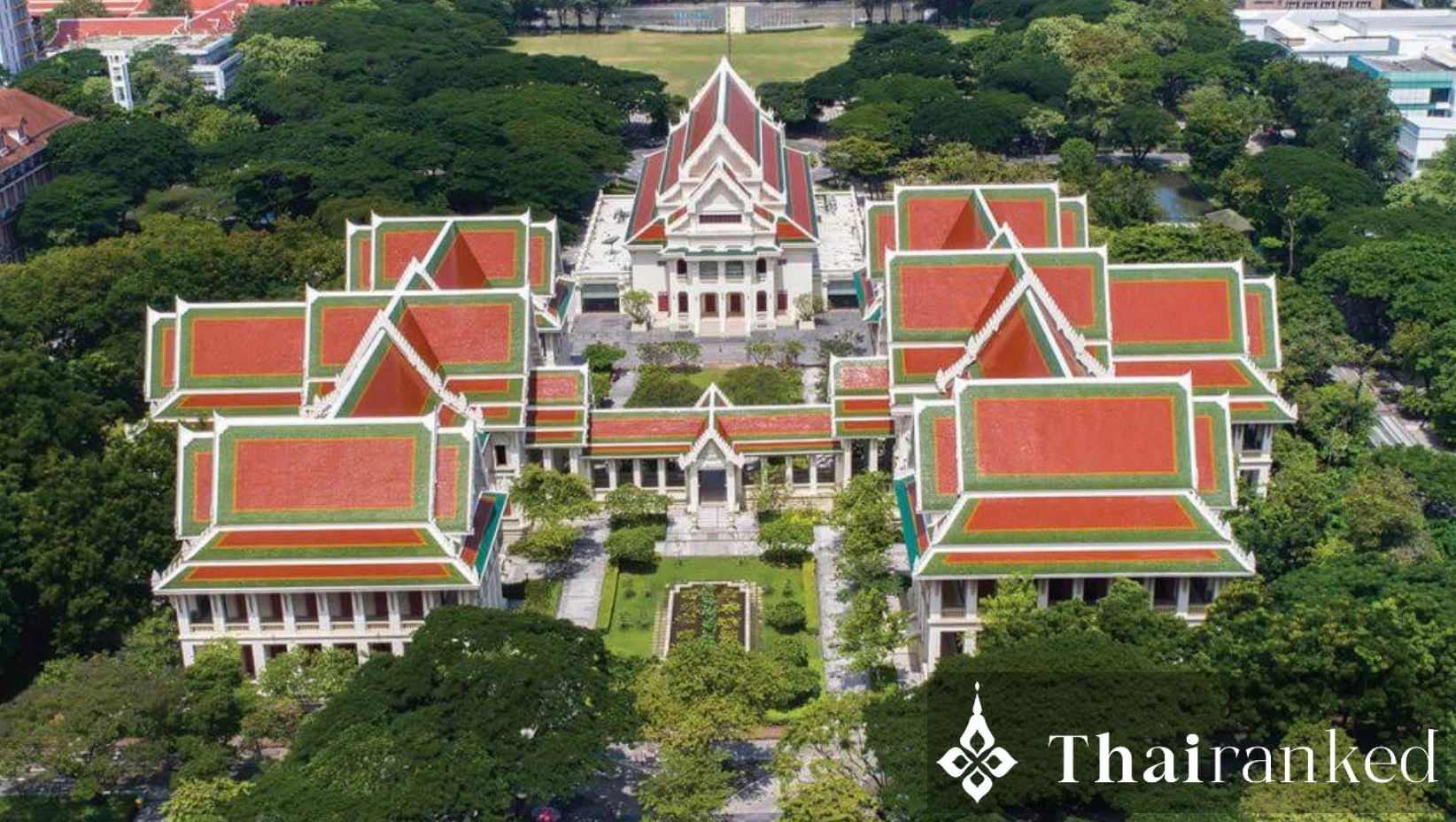
Trace Chulalongkorn University's story from its 1917 founding by King Vajiravudh to its centenary in 2017, campus growth, academic legacy, and modern role.
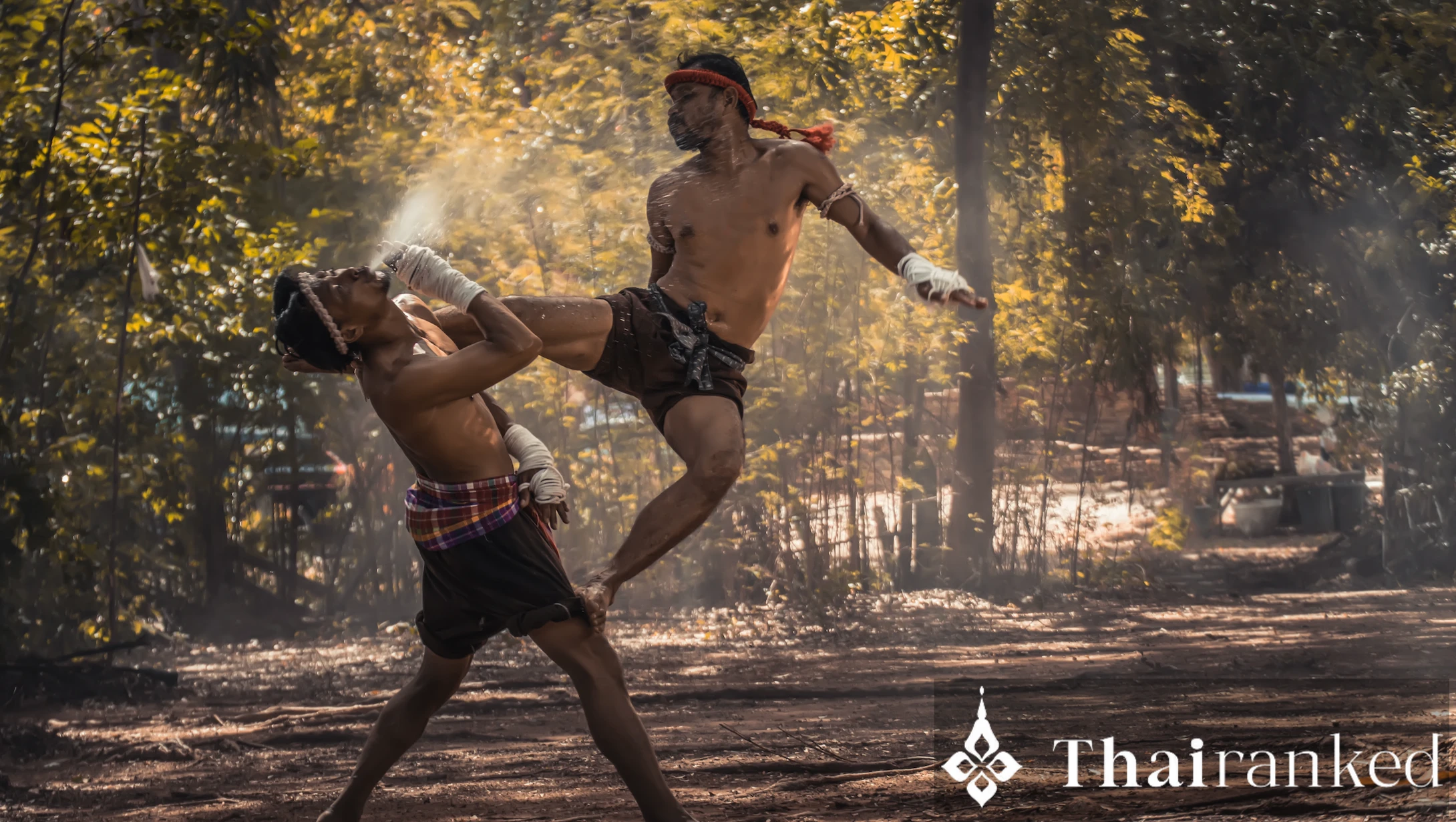
Discover the cultural heart of Muay Thai, the teacher tribute and sacred piphat music that move every fighter beyond the ring.
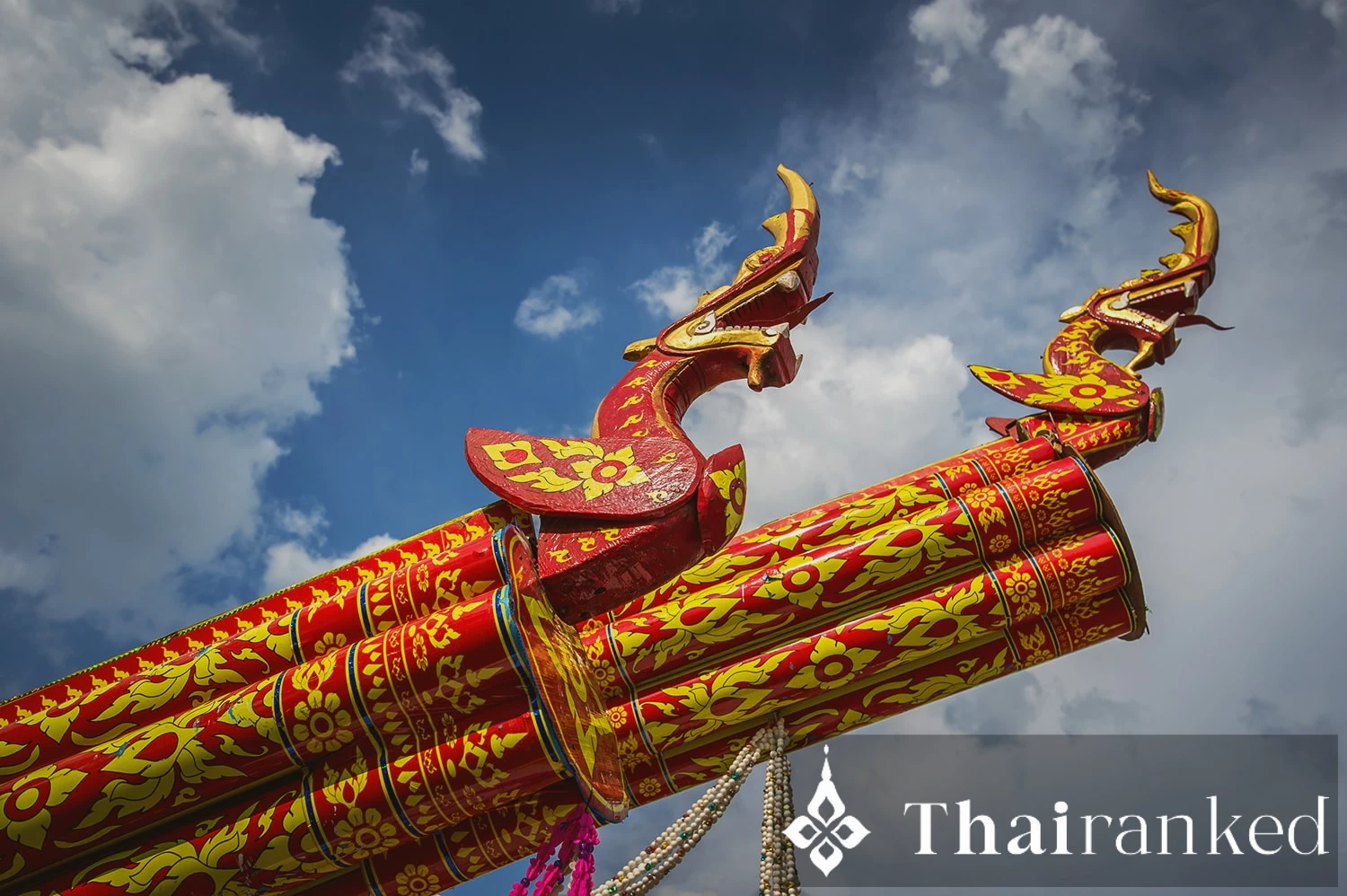
Discover the fascinating legend and history behind Bun Bang Fai, Thailand’s explosive Rocket Festival that launches homemade rockets to awaken the rain gods.
Discover how to celebrate Songkran the traditional way: Buddhist blessings, merit-making, and customs, no water fights required!
Discover the true history of Songkran, Thailand's New Year. Uncover the origins, rituals, and the deep meaning behind all the splashing water.