Red Bull (Krating Daeng) From Thai Truck Stops to Global Icon
January 29, 2026 02:00 AM
Last edited: January 27, 2026

by Thairanked Guide
Thairanked helps you discover great places in Thailand!
Search Hotels & Flights
The Humble Origins of Krating Daeng
Before Red Bull became synonymous with energy, adrenaline, and Formula 1 racing, it had an unassuming beginning on dusty highways in Thailand. The story of Krating Daeng (กระทิงแดง), the drink that would become Red Bull, is a tale of grassroots innovation and global ambition. Born out of the practical needs of Thai laborers and long-haul truck drivers, this energy tonic has rocketed to become one of the world’s most iconic brands.
Invented for Thai Working-Class Heroes
Krating Daeng, which literally means “Red Bull” in Thai, was the brainchild of Chaleo Yoovidhya, a son of poor Chinese immigrants. In the 1970s, Chaleo noticed that truck drivers and blue-collar workers in Thailand needed a boost to get through grueling night shifts. In response, he developed a sweet, syrupy, non-carbonated energy drink packed with caffeine, taurine, and B vitamins, sold in small brown bottles you can still buy throughout Thailand today.
Unlike Western energy drinks, Krating Daeng was tailored for practicality over style. Its modest price point and accessible taste quickly made it the go-to beverage not just for truck drivers, but also for construction workers, farmers, and late-night revelers across the country. Its image: a symbol of stamina and resilience.
The Branding: Strong and to the Point
Krating Daeng’s branding is as robust as its ingredient list. The logo, two red wild gaur (a type of large Thai bison, often mistaken as "bulls") charging at each other in front of a golden sun, became instantly recognizable. It’s a direct nod to strength, power, and energy, values that resonated deeply with its target Thai market.
From Thai Truck Stops to Austria: The Birth of Red Bull
The leap from a roadside drink in Thailand to a global energy drink empire came thanks to an unlikely partnership. In 1982, Austrian entrepreneur Dietrich Mateschitz discovered Krating Daeng while traveling in Asia. Suffering from jet lag, he found the drink worked wonders for his energy levels. Spotting an international opportunity, he approached Chaleo. Together, they formed a partnership and developed a new, carbonated version for the Western market.
This Westernized Red Bull debuted in Austria in 1987, tweaked for European palates, slicker packaging, and with a savvy marketing campaign that would set new standards for brand development. The rest, as they say, is history. Today, Red Bull is available in over 170 countries and has sold over 100 billion cans worldwide.
Krating Daeng and Red Bull: What’s the Difference?
If you wander into a Thai 7-Eleven, you’ll find Krating Daeng sold alongside familiar Red Bull cans. But they are not identical. Krating Daeng in Thailand remains a syrupy, sweet, non-carbonated drink sold in glass bottles, marketed mostly at local workers. The international Red Bull, by contrast, is carbonated and lighter in taste, with marketing that targets party-goers, athletes, and professionals.
Both drinks share core ingredients and, most importantly, the same founding DNA, right down to their iconic dueling red bull logo. But where Krating Daeng is still part of everyday working-class life in Thailand, global Red Bull has become a cultural shorthand for high-energy pursuits and a status symbol at clubs, bars, and on the racetrack.
Red Bull’s Sports Revolution and F1 Stardom
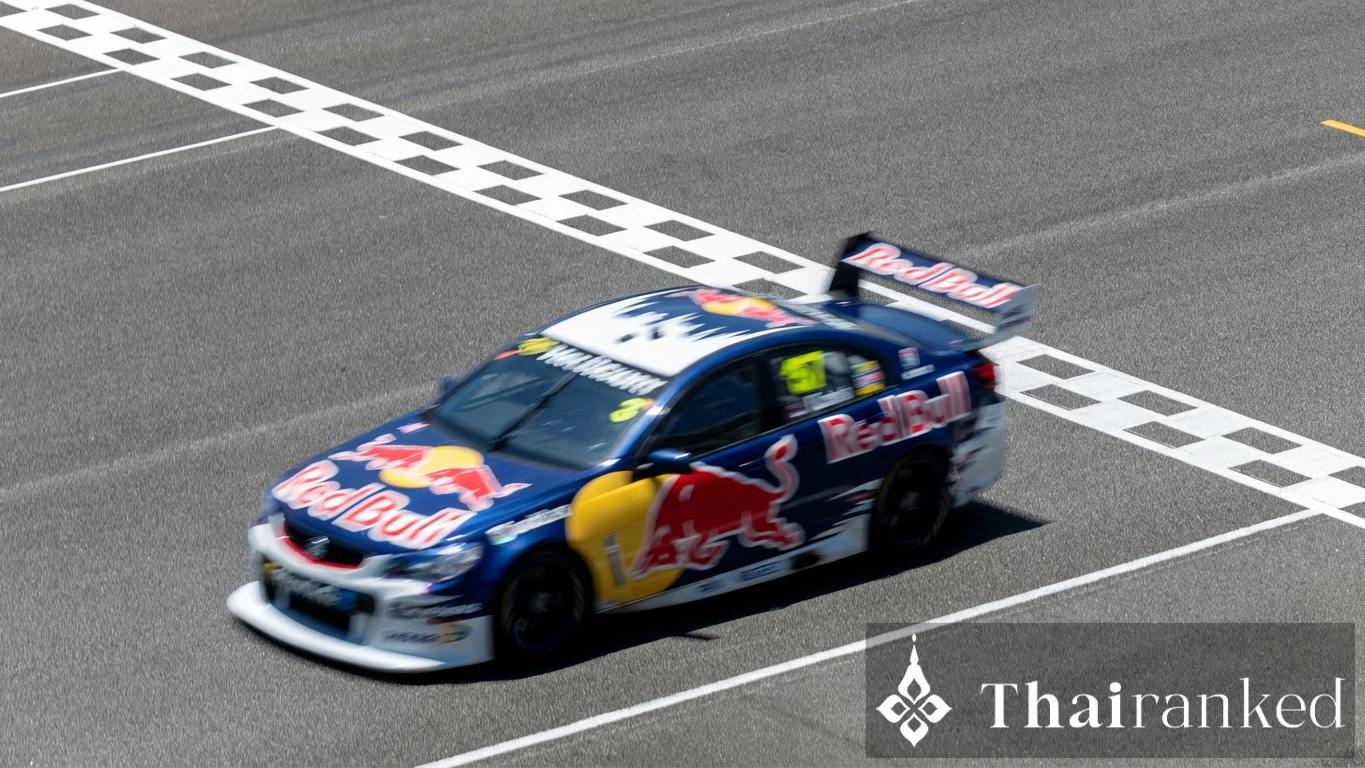
What truly sets Red Bull apart from all other energy drinks is its mastery of sports and lifestyle marketing. By aggressively sponsoring extreme sports, from snowboarding to cliff diving to breakdancing, Red Bull has built an energetic, aspirational image. The brand’s investment in sports reached its peak with the acquisition and transformation of the Red Bull Racing Formula 1 team. The team has since won multiple world championships, turning Red Bull into a motorsports powerhouse.
This leap from truck stops to must-watch televised events is fascinating. It is no exaggeration to say that the journey of Krating Daeng to Red Bull Racing F1 perfectly encapsulates Thailand’s underdog spirit, blended with slick international business acumen.
Thai Roots Remain Strong
Despite the meteoric rise of Red Bull internationally, the Yoovidhya family maintains a strong foothold in Thailand. The original Krating Daeng continues to support the nation’s workforce, and the family remains one of the wealthiest in Thailand, playing a significant role in both Thai and international business circles.
Finding Red Bull and Krating Daeng in Thailand Today
In Thailand, Krating Daeng is ubiquitous. You can grab a bottle for about 10 baht at every convenience store, fuel station, or street market, often accompanied by Thai snacks or cigarettes by night owl workers. Conversely, Red Bull (in the familiar silver-and-blue can) is pricier and more likely found in international supermarkets, bars, and clubs catering to expats and tourists.
If you’re curious about uniquely Thai drinks, check out our Thai Fruits Calendar for seasonal refreshment ideas, or if you’re fixing for a Bangkok night out, consider reading about the best bars in Thonglor, where Red Bull cocktails are often on the menu.
From Local Legend to Global Trendsetter
Red Bull’s Thai roots offer a fascinating case study for anyone interested in branding, international business, or Thai culture. Krating Daeng remains a staple among Thailand’s grassroots workers, while Red Bull soars on the wings of global pop culture and cutting-edge sports. Together, they tell a story of ingenuity, adaptability, and the enduring strength of a brand born to give you wings, whether at a Thai truck stop or the finish line of an F1 Grand Prix.
Key takeaways
- Krating Daeng was created in Thailand for truck drivers and manual workers.
- The drink’s powerful branding and accessible formula made it a local success.
- Red Bull’s F1 investments and global marketing have made it a worldwide powerhouse.
- Despite global fame, Krating Daeng is still enjoyed daily by Thai people.
- Red Bull’s story is a unique blend of Thai entrepreneurship and global strategy.
by Thairanked Guide
Thairanked helps you discover great places in Thailand!
Search Hotels & Flights
Related Insights
Trace Chulalongkorn University's story from its 1917 founding by King Vajiravudh to its centenary in 2017, campus growth, academic legacy, and modern role.
Discover the cultural heart of Muay Thai, the teacher tribute and sacred piphat music that move every fighter beyond the ring.
Discover the fascinating legend and history behind Bun Bang Fai, Thailand’s explosive Rocket Festival that launches homemade rockets to awaken the rain gods.
Discover how to celebrate Songkran the traditional way: Buddhist blessings, merit-making, and customs, no water fights required!
Discover the true history of Songkran, Thailand's New Year. Uncover the origins, rituals, and the deep meaning behind all the splashing water.