Why Hellfire Pass is Kanchanaburi’s Must-Visit Site?
January 29, 2026 02:00 AM
Last edited: January 28, 2026
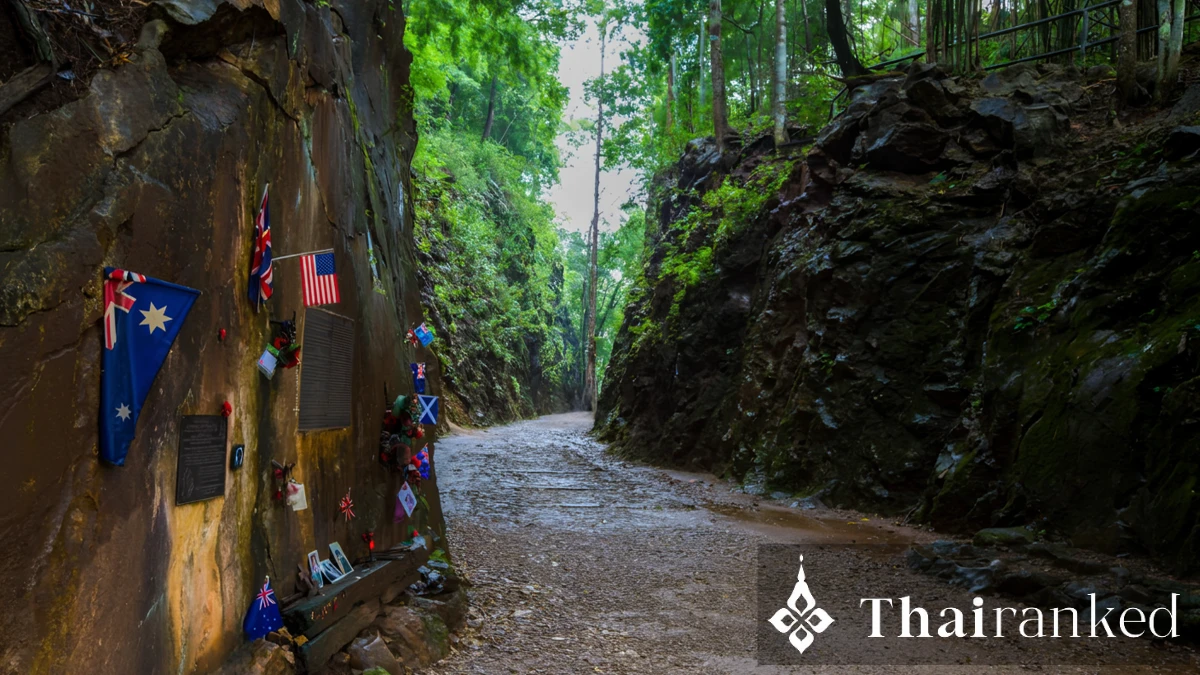

by Nam Thairanked
I love traveling and eating Thai food.
Search Hotels & Flights
Hellfire Pass: A Journey Through History
When you visit Hellfire Pass in Kanchanaburi, Thailand, you’re not just hiking along a scenic trail; you’re tracing the path carved with blood, sweat, and unfathomable human endurance. Known locally as Konyu Cutting, Hellfire Pass is a stark reminder of the suffering endured by Allied prisoners of war (POWs) and Asian laborers forced to construct the infamous Thai-Burma "Death Railway" during World War II. For many, this site represents the very heart of wartime suffering, especially for Australian and British soldiers.
The Story Behind Hellfire Pass
Hellfire Pass forms a crucial part of the Thai-Burma Railway, a 415-kilometer line built to supply Japanese forces in Burma. Its construction, between 1942 and 1943, became one of the war’s darkest chapters as over 60,000 Allied POWs and an estimated 200,000 Asian laborers were forced into backbreaking labor through dense jungle, treacherous cliffs, and remote mountains.
The name “Hellfire Pass” comes from POWs’ descriptions of the eerie scene at night. Under flickering torches, hunched shadows toiled away in the rocky cutting, resembling a scene from hell. Many men worked 18-hour days, using hand tools to slice through the mountain. Malnutrition, tropical diseases, exhaustion, and brutal treatment claimed thousands of lives on this stretch alone.
Why Hellfire Pass Is So Significant
While the entire Death Railway is notorious, Hellfire Pass is remembered as the site of maximum hardship. Here, the earth resisted every blow, and the human cost was staggering; more than 700 men died constructing this portion alone. The suffering here has come to symbolize the courage and resilience of those who endured, and those who never returned home.
Visiting Hellfire Pass Today
Walking the Hellfire Pass Memorial trail today is both sobering and inspiring. The cutting itself is striking, an open wound in the bedrock, preserved as a memorial to those who suffered and perished. Here’s what you can expect when you visit:
- Memorial Museum: Start at the Hellfire Pass Interpretive Centre. This museum offers first-hand accounts from survivors, photos, and artifacts. Exhibits are thoughtfully presented and available in English and Thai, providing a powerful contextual background before you embark on the trail.
- Audio Guides: The museum provides free audio guides (don’t skip them, they’re excellent), featuring interviews with POWs and detailed explanations at each key spot along the walk.
- The Walking Trail: The primary path leads through the infamous pass and extends into the jungle for several kilometers along the old railway bed. The main section is suitable for most visitors, though the extended trail is better tackled with proper shoes, water, and sun protection.
- Remains of the Death Railway: Along the path, you’ll see original sleepers, cuttings, and memorial plaques. Pause at the major viewpoints and commemorative markers to reflect.
- Anzac Day and Remembrance: If you visit in late April, you can experience the poignant Anzac Day dawn service, a powerful tribute attended by both Thais and travelers from around the world.
Reflecting on the POWs’ Experience
Hellfire Pass isn’t just a place to snap photos. It’s a site for deep reflection on the costs of war and the resilience of the human spirit. Many visitors leave with a greater appreciation for peace and a new understanding of history. While there, take a few moments at the memorial plaque, read the names, or just stand in silence at the base of the cutting; it's an experience that stays with you.
Tips for Your Journey
- Getting There: Hellfire Pass is about 80 km northwest of Kanchanaburi town. Private car or minivan tours are the easiest and quickest options, but you can also reach the area by public bus or on guided day tours from Bangkok.
- When to Go: The best time to visit is early in the morning before it gets too hot, and when the crowds are lightest. During the cool season (November-February), the weather is most comfortable.
- What to Bring: Sturdy shoes, a hat, sunscreen, plenty of water, and insect repellent will make the walk more pleasant. The trail can be rugged in parts and gets slippery after rain.
- Respect the Site: Hellfire Pass is a memorial, so dress respectfully and keep noise to a minimum. Many visitors come for personal reflection and remembrance.
Other Sights and Experiences Nearby
If you plan a day trip or overnight stay, the region around Kanchanaburi has several other sites connected with this chapter of history and excellent opportunities to experience Thailand’s natural beauty and hospitality:
- Bridge over the River Kwai: Visit the famous bridge and the Thai-Burma Railway Centre for more insight into the Death Railway and its stories.
- Kanchanaburi War Cemetery: The main resting place of nearly 7,000 POWs, maintained immaculately and a moving site of remembrance.
- Erawan National Park: If you want balance after a heavy day, hike to the stunning Erawan Waterfalls for a refreshing swim in turquoise pools.
- Local Night Markets: Sample delicious Thai street food and unwind in Kanchanaburi’s bustling yet laid-back markets. If you’re curious about regional night markets, check out Where to Eat at Korat Night Markets? for comparison to other provinces.
- Railway Adventures: Take a slow train ride over the surviving section of the Death Railway between Kanchanaburi and Nam Tok, crossing picturesque bridges and lush countryside. For tips on traveling around Thailand, see How to Travel in Thailand Cheaply and Efficiently.
Making the Most of Your Visit to Kanchanaburi
Kanchanaburi offers much more than its somber wartime past. Stay at a riverside bungalow, join a cooking class, or go for a kayak down the Kwai. For a full guide to attractions in the region, browse our Chonburi Travel Guide for ideas that can also be applied to the Kanchanaburi area.
If you’re looking for places to stay in Bangkok before or after your trip, consider booking through Trip.com Bangkok hotels for convenience and a wide price range.
Key takeaways
- Hellfire Pass is the most notorious section of the WWII Thai-Burma Death Railway.
- Visiting provides a powerful, immersive experience in wartime history.
- The walking trail and museum are informative and moving.
- The Kanchanaburi region offers history, nature, and relaxation for a rounded trip.
- Arrive early, dress appropriately, and take your time reflecting on the site’s meaning.
by Nam Thairanked
I love traveling and eating Thai food.
Search Hotels & Flights
Related Insights
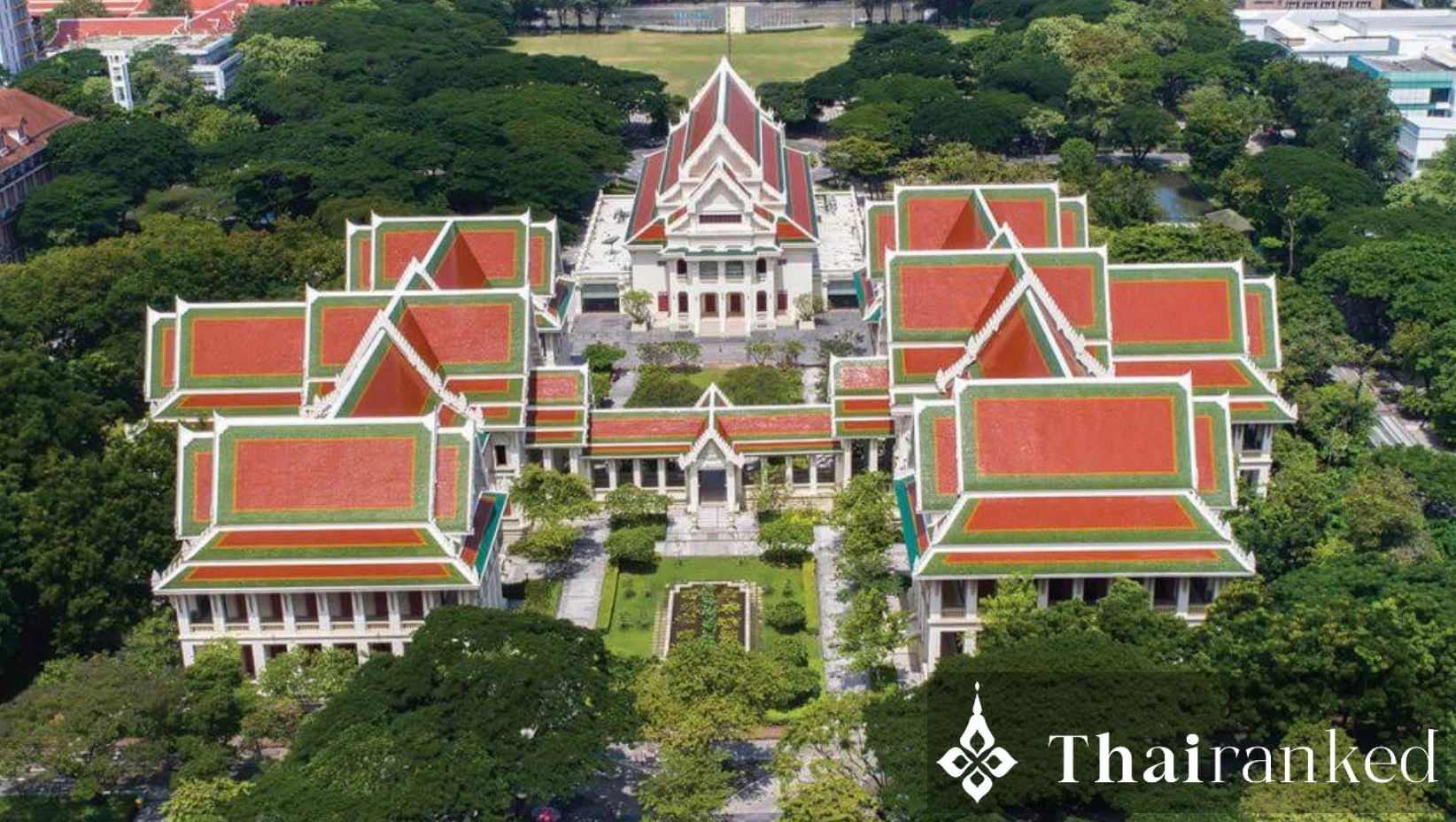
Trace Chulalongkorn University's story from its 1917 founding by King Vajiravudh to its centenary in 2017, campus growth, academic legacy, and modern role.
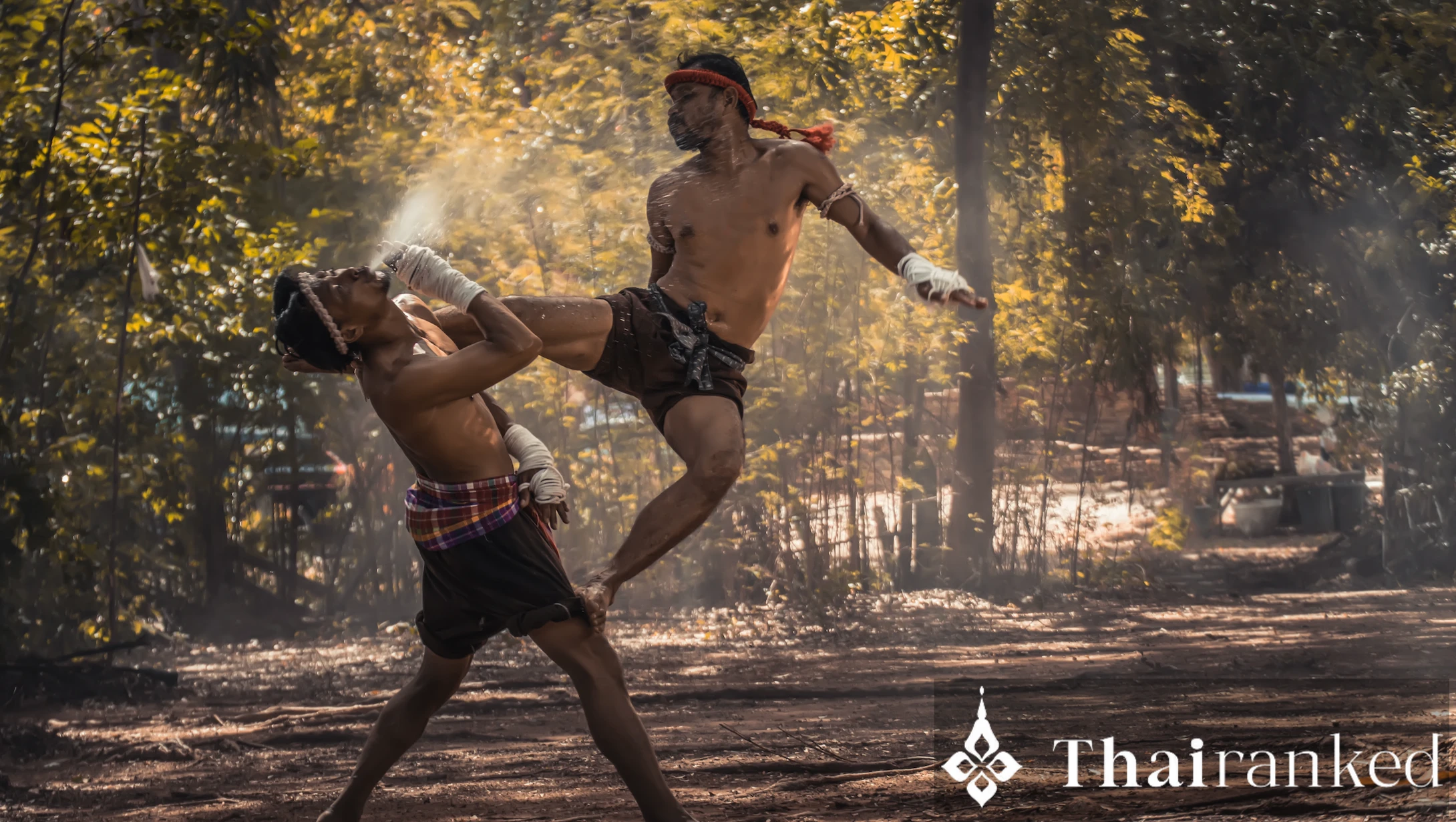
Discover the cultural heart of Muay Thai, the teacher tribute and sacred piphat music that move every fighter beyond the ring.
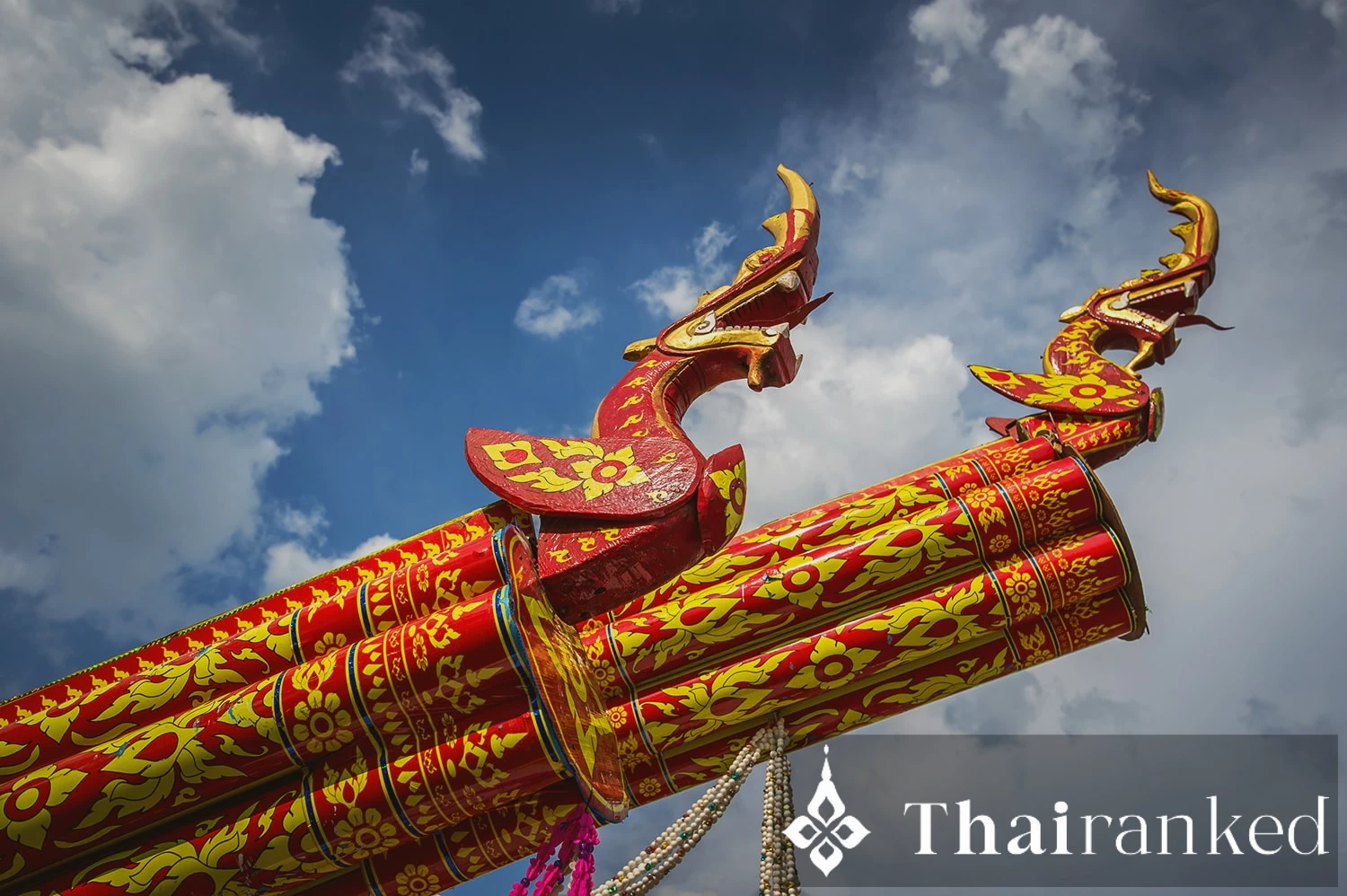
Discover the fascinating legend and history behind Bun Bang Fai, Thailand’s explosive Rocket Festival that launches homemade rockets to awaken the rain gods.

Discover how to celebrate Songkran the traditional way: Buddhist blessings, merit-making, and customs, no water fights required!

Discover the true history of Songkran, Thailand's New Year. Uncover the origins, rituals, and the deep meaning behind all the splashing water.
What people ask about
"Why Hellfire Pass is Kanchanaburi’s Must-Visit Site?"
Here you will find answers to the most popular questions about Thailand.