Chinese New Year Hampers in Thailand: Gifts to Avoid
January 28, 2026 08:01 AM
Last edited: March 16, 2026
Avoid gifting taboos this Lunar New Year in Thailand. See which hamper items to skip, from clocks and shoes to sharp objects and pears, plus safer swaps.

by Thairanked Guide
Thairanked helps you discover great places in Thailand!
Table of Contents
Search Hotels & Flights
You might like






Table of Contents
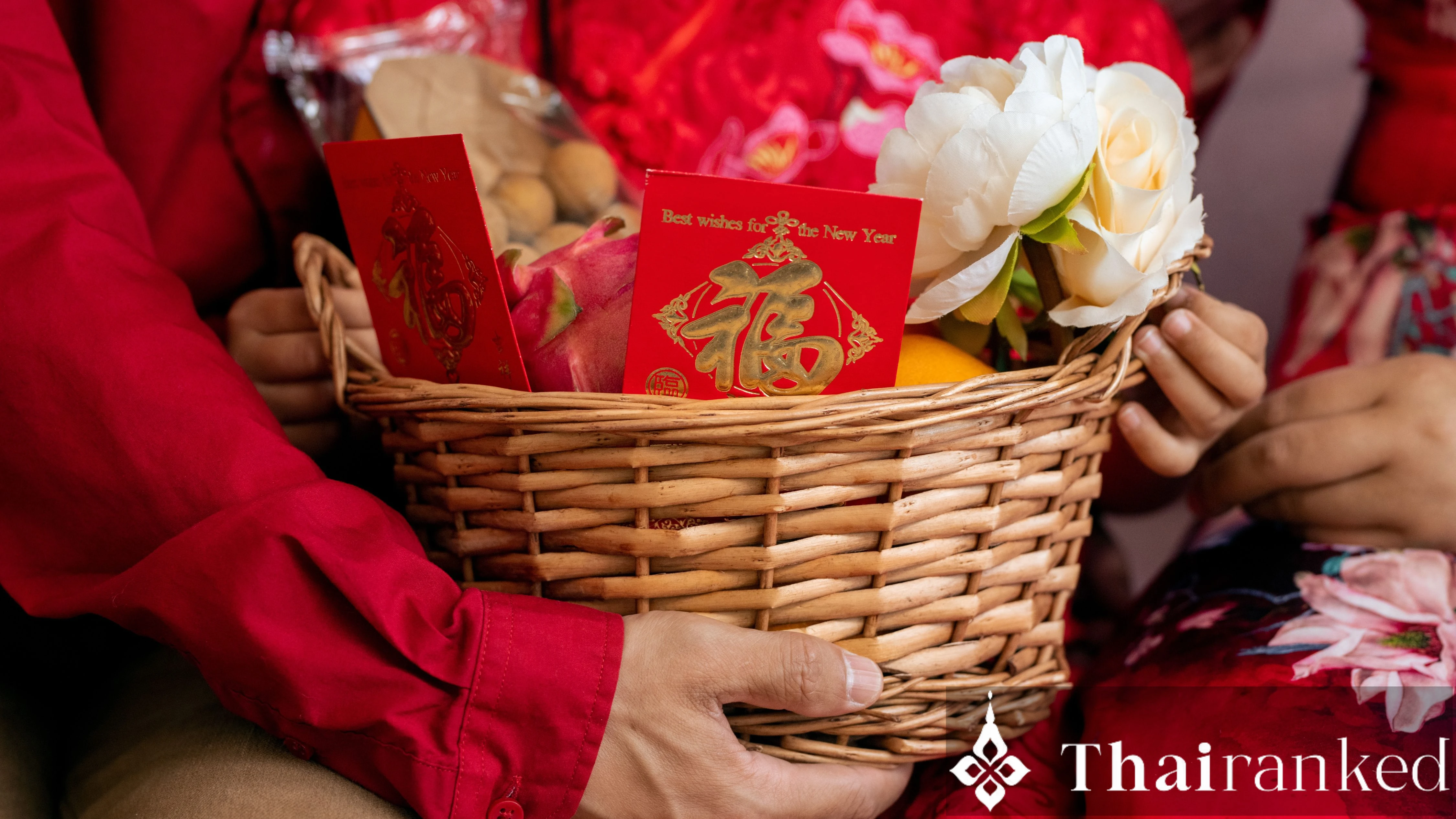
Chinese New Year hampers are everywhere in Thailand this season, from Bangkok supermarkets to boutique deli counters. They are a thoughtful way to wish family, colleagues, and neighbors good fortune. But in Thai-Chinese culture, some seemingly practical or pretty items carry unlucky meanings, usually through wordplay or traditional symbolism. Including them in a hamper can unintentionally send the wrong message, from parting ways to cutting ties. If you want your gift to feel genuinely auspicious, it pays to know what not to put in.
This guide breaks down the most common “forbidden” gifts to avoid in a Chinese New Year hamper in Thailand, plus simple, fortunate alternatives. You will see why watches can signal the end of time, why shoes hint at someone walking away, and why sharp objects are a hard no. We also cover subtle details like numbers, colors, and flower choices, which matter just as much as the items themselves.
When in doubt, keep things bright and bountiful: citrus fruits, quality teas, bird’s nest, abalone, premium snacks, honey, red packets with a token bill, and red-gold wrapping. These choices read clearly as prosperity, health, and longevity across Thai-Chinese households. Read on to avoid the pitfalls and curate a hamper that’s culturally respectful, well received, and full of good luck.

1. Clocks and Watches
Timepieces hint at ‘end of time’
Highlight
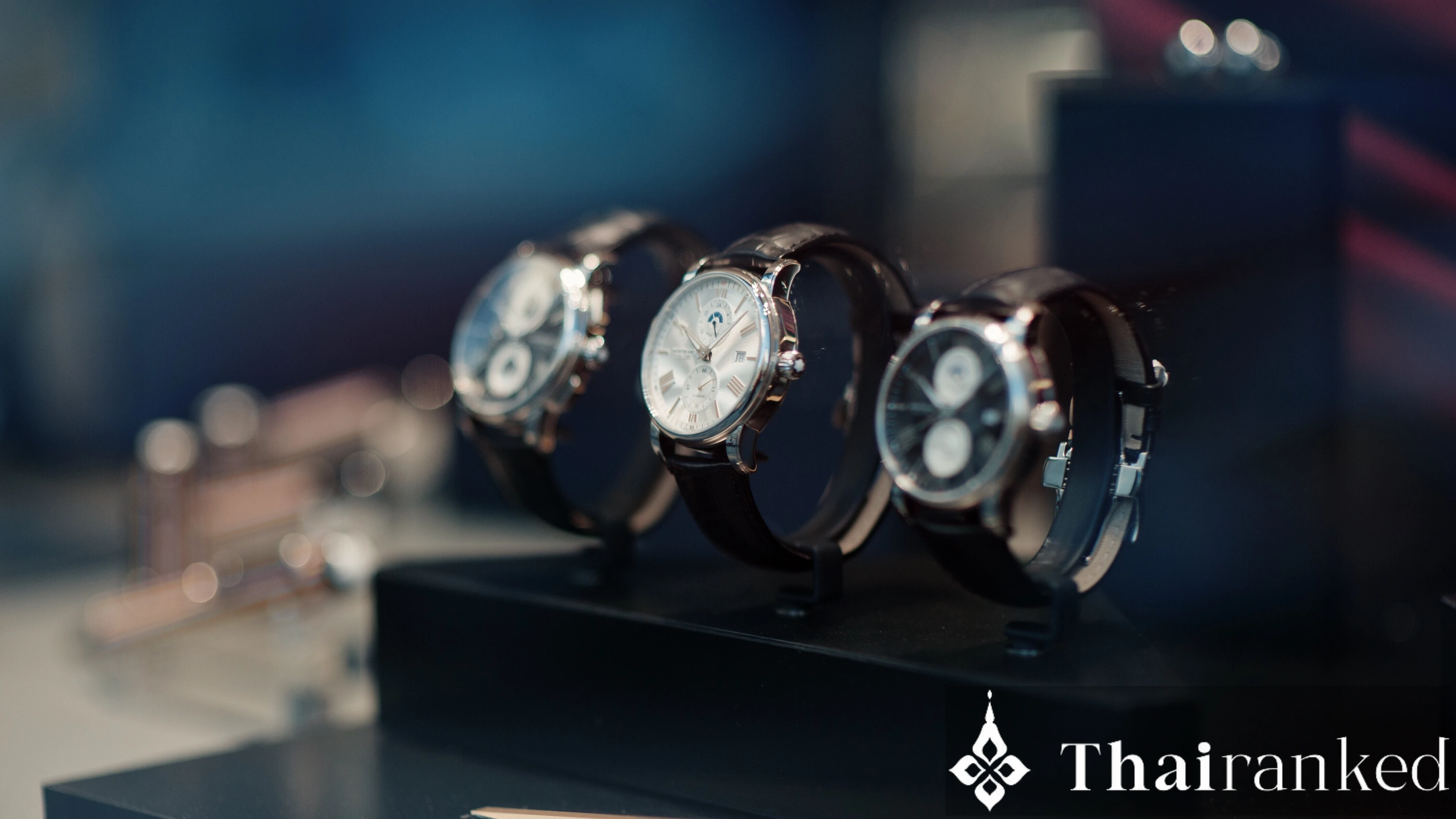
A clock or watch might feel like a classy, practical gift, but it is one of the most taboo items for Lunar New Year. In Chinese, “to gift a clock” sounds like attending a final farewell, implying the end of time or life. Thai-Chinese families usually avoid timepieces during New Year specifically because the phrase carries funeral overtones. Even luxury brands won’t soften the symbolism, so it is safer to skip them entirely. If you want something elegant, consider high-quality tea, bird’s nest, or a curated tin of festive sweets. Citrus fruits, especially tangerines and oranges, are clear winners and universally read as wealth and luck. Keep the packaging bright in red and gold, and group items in lucky numbers such as 6, 8, or 9 to underline your wishes for longevity without any awkward subtext.
2. Shoes and Slippers
Footwear suggests someone will walk away
Highlight
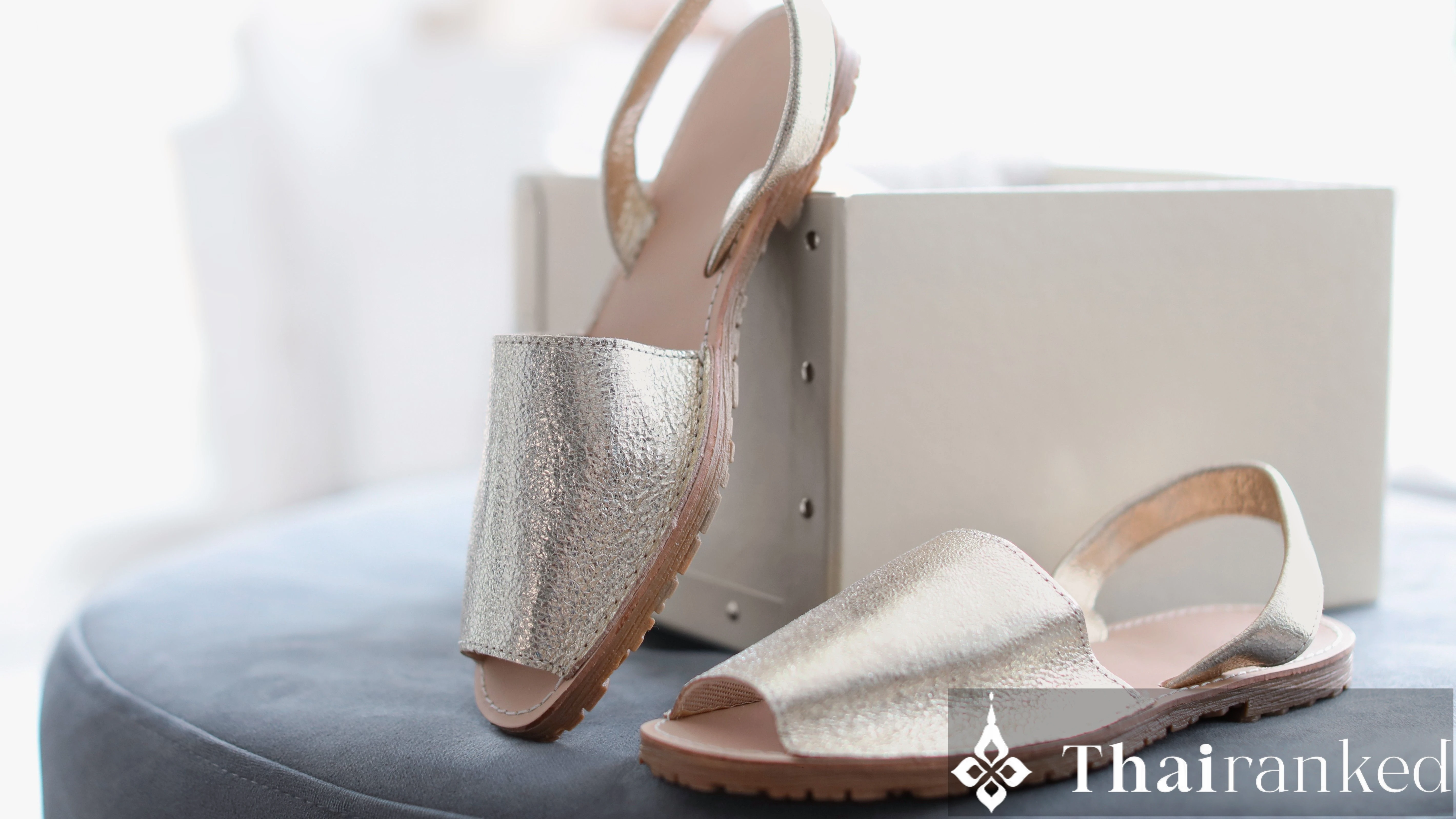
Shoes and slippers are another well-meaning gift that land badly during Chinese New Year. The symbolism is twofold: the sound of “shoes” can echo words for evil in some dialects, and more commonly, footwear implies someone will “walk away,” taking luck or the relationship with them. In Thailand’s mixed Thai-Chinese households, this is a widely understood no-no for festive gifting. Avoid anything you wear on the feet, including flip-flops and fancy house slippers. Better substitutes are edible and auspicious, such as premium cookies, dried fruits, or a selection of teas and honey. If you want to add something practical, choose a nice thermos or a red-gold hamper basket that can be reused, rather than any personal clothing or footwear that might hint at separation.
3. Umbrellas
Wordplay implies scattering or parting
Highlight
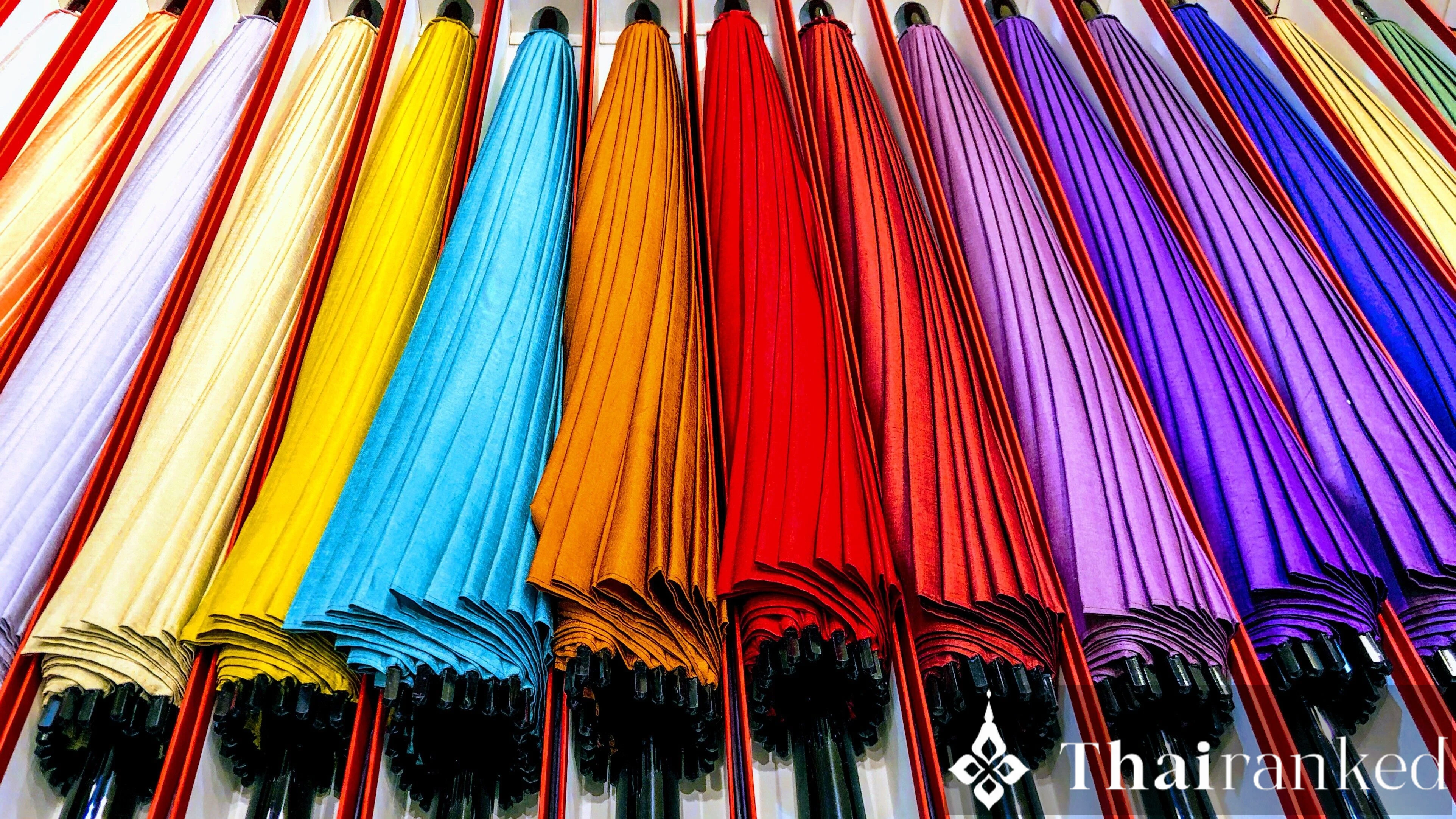
Umbrellas are best left out of New Year hampers because the word for umbrella can sound like the word for “to scatter” or “to part” in Chinese languages, suggesting relationships falling apart. The message is the opposite of the togetherness that families celebrate over the holiday. Some people also avoid gifting fans for similar reasons, since in a few dialects the word for fan resembles “to disperse.” Instead of anything that signals separation, choose items that represent gathering and abundance: boxes of assorted nuts, festive candies, citrus fruits, or a tea set. If you want a practical non-food gift, a lidded food container or insulated bottle reads as warm and family-friendly, without the unlucky wordplay attached to umbrellas or fans.
See also
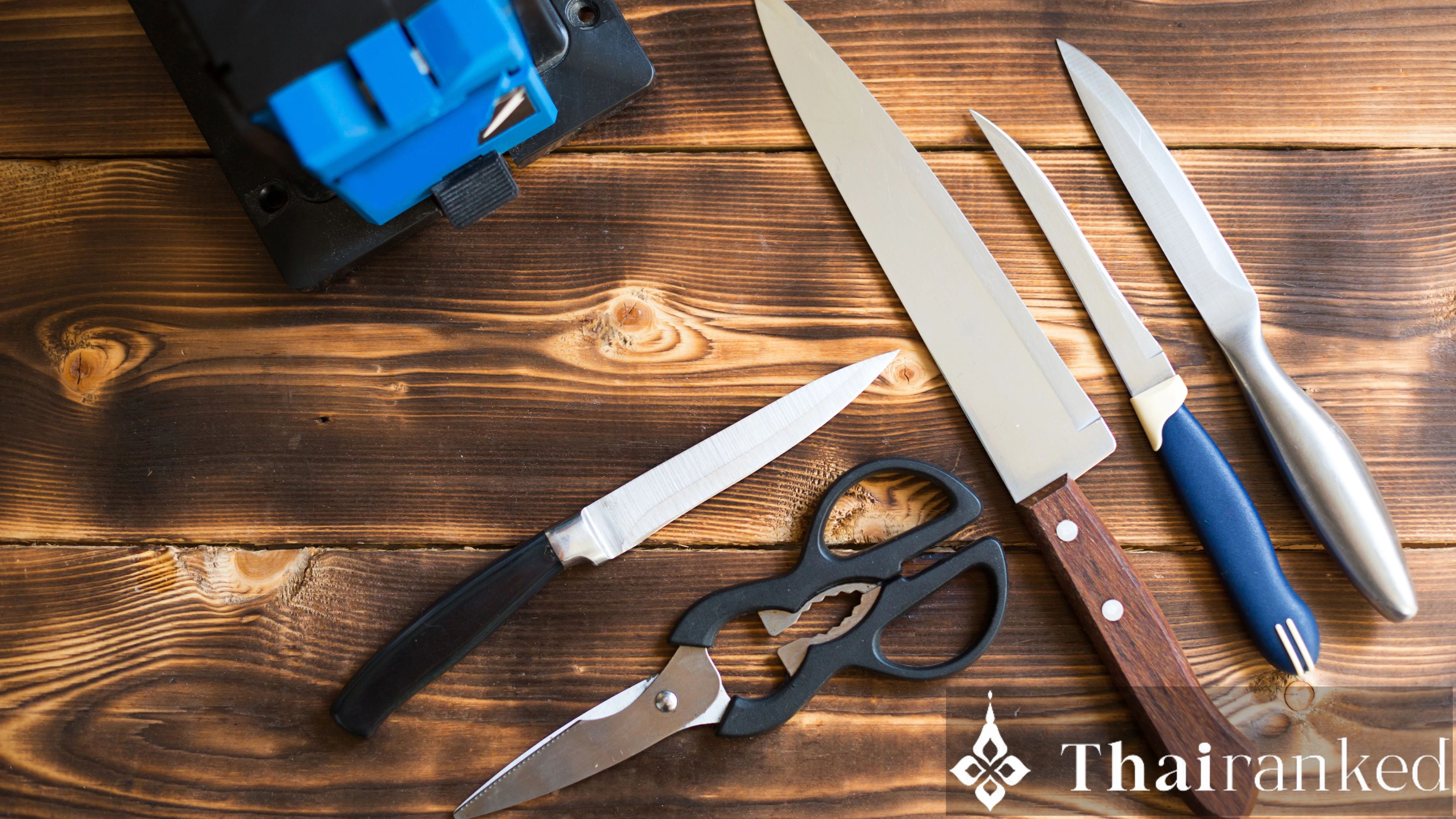
4. Knives, Scissors, and Sharp Tools
‘Cutting’ luck and ties is a no
Highlight
Sharp objects of any kind are considered inauspicious at Lunar New Year because they symbolically “cut” luck or sever relationships. That includes kitchen knives, scissors, letter openers, and even nail clippers in some households. In Thai-Chinese communities that value smooth, continuous fortune into the new year, anything with a blade feels jarringly out of place. If you are buying a gourmet-themed hamper, keep the focus on rounded, wholesome items: whole fruits, jars of honey, artisanal snacks, tea leaves, and perhaps a bottle of quality cooking oil. These convey nourishment, sweetness, and continuity. For presentation, avoid ribbon trims shaped like blades or pointed ornaments, and stick to soft curves and red-gold tones to keep the message warmly auspicious.
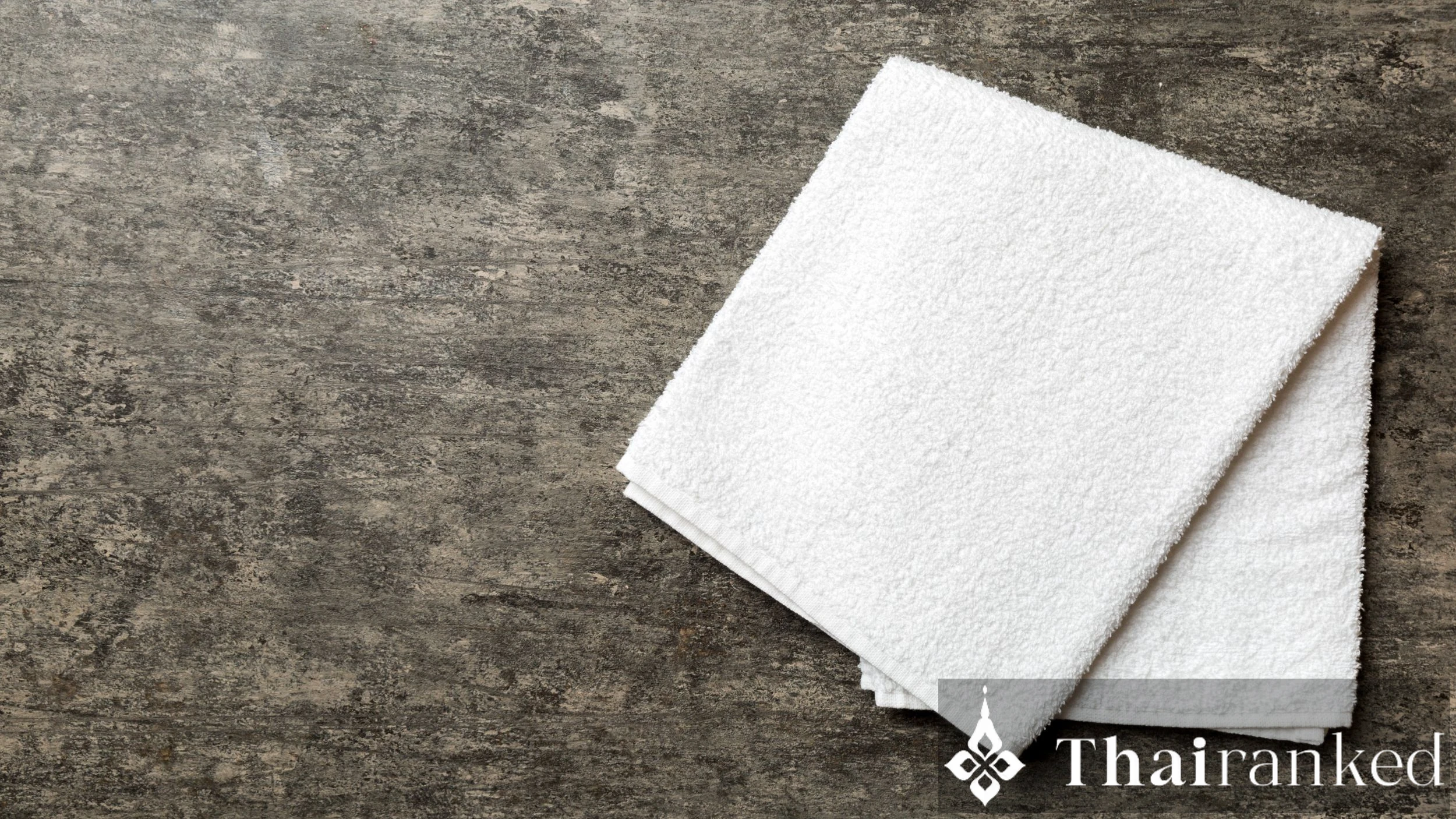
5. Handkerchiefs and White Towels
Signals parting and funeral overtones
Highlight
Handkerchiefs traditionally signal parting, and in Thailand white towels are associated with funerals, where they are often handed out to attendees. Putting either into a New Year hamper invites unintended grief symbolism at exactly the wrong time of year. The same caution extends to sets of plain white napkins or tissues, which can read as somber. If you love the idea of something soft in the basket, choose festive-colored kitchen towels as part of a cooking theme, but only if you are confident the family will not read them as funereal. Safer yet, replace textiles with premium pantry items, sweet treats, or dried mushrooms and abalone, which are widely seen as prosperity foods. The goal is bright, nourishing abundance, not tearful farewells.
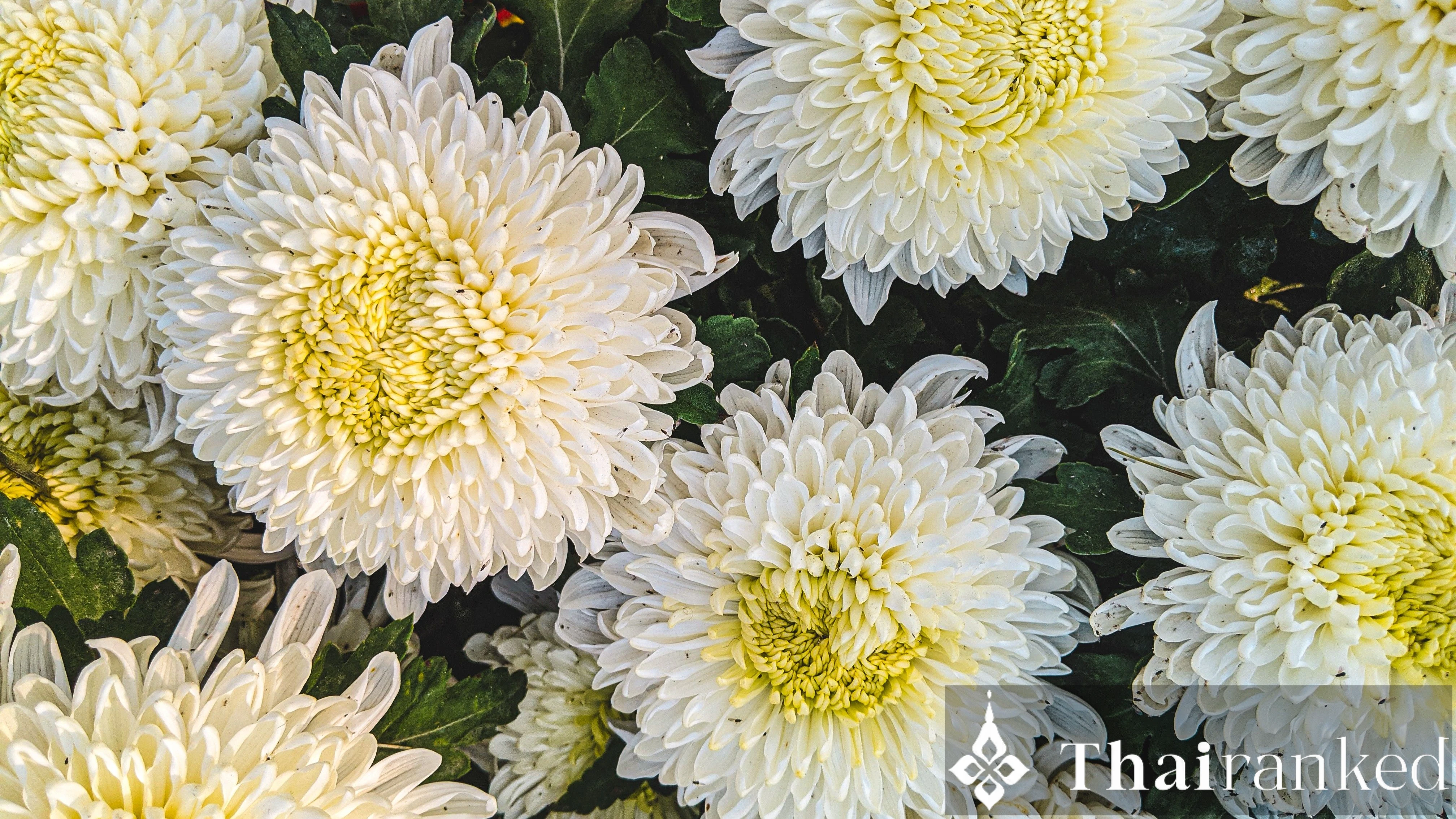
6. White Flowers, Especially Chrysanthemums
Funeral associations dampen festivity
Highlight
Fresh flowers are beautiful, but some varieties and colors are tightly linked to mourning in Chinese culture. White chrysanthemums, white lilies, and plain white bouquets are commonly used at funerals, so they are inappropriate for a Chinese New Year hamper. In Thai-Chinese households, a white floral arrangement can cloud the festive mood, even if your intention was purity or elegance. If you want a botanical touch, consider lucky bamboo or a small orchid presented with red ribbons, or include dried floral potpourri in red-gold packaging. Even better, swap flowers for something edible and auspicious, like oranges, pomelos, or a tin of assorted sweets. Keep the color palette celebratory, and your gift will feel hopeful instead of solemn.
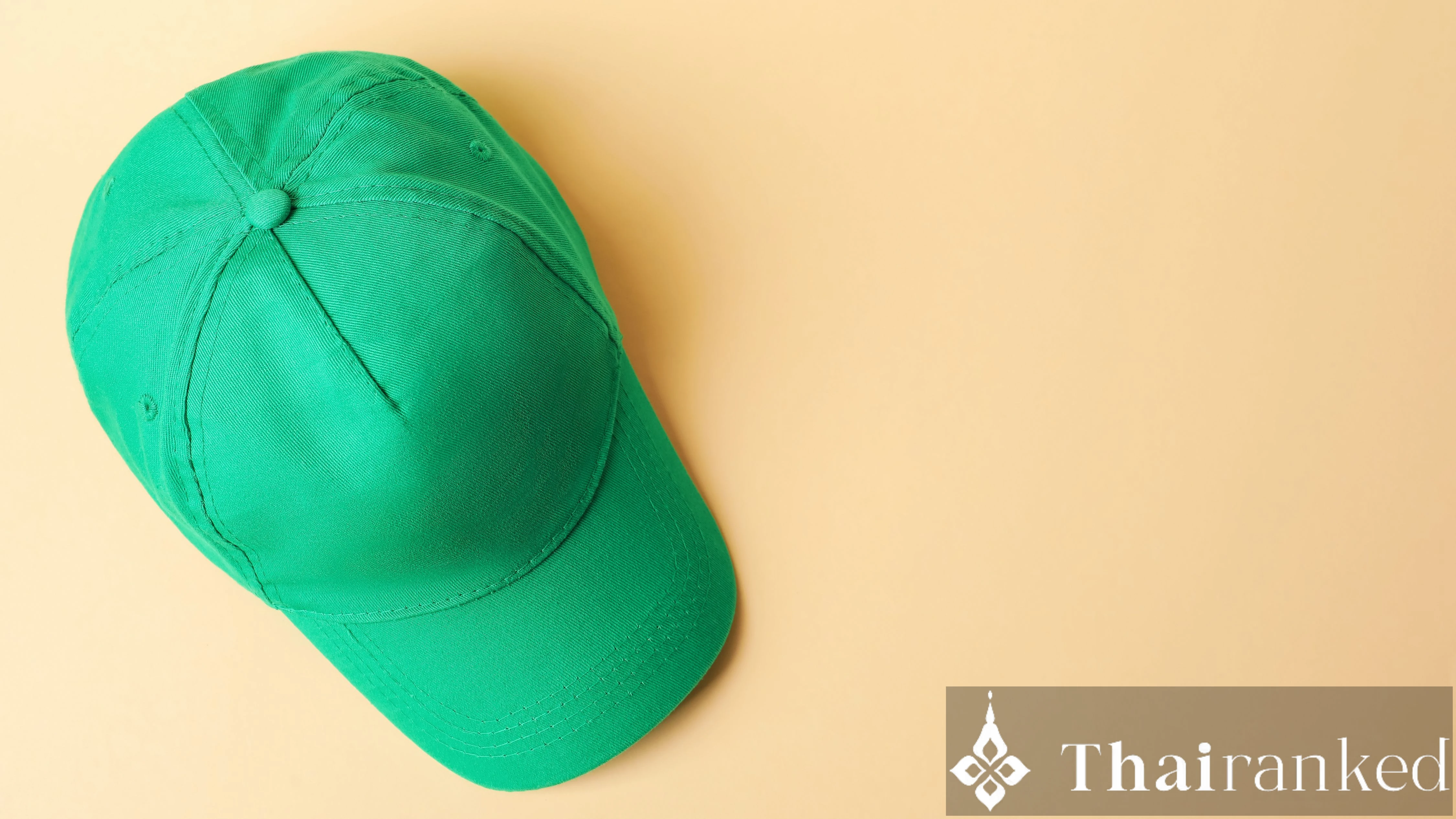
7. Green Hats and Personal Hats
Awkward idiom and overly personal
Highlight
In Chinese idiom, a man “wearing a green hat” implies infidelity, which makes any green hat an unfortunate present. Hats in general are also very personal, and during New Year it is smarter to avoid items that can carry unintended meanings or invite jokes. In Thailand’s diverse Chinese communities, this reference is widely recognized and can sour an otherwise generous hamper. Skip caps, beanies, and fashion accessories altogether. If you want something lasting, add a handsome red-gold storage tin, a keepsake tea canister, or a reusable bamboo basket. These feel practical without the awkward symbolism. Keep apparel out of the hamper, and lean into food, drink, and festive packaging that clearly signals prosperity and joy.
8. Mirrors and Fragile Glass Decor
Breakage and superstition make it risky
Highlight
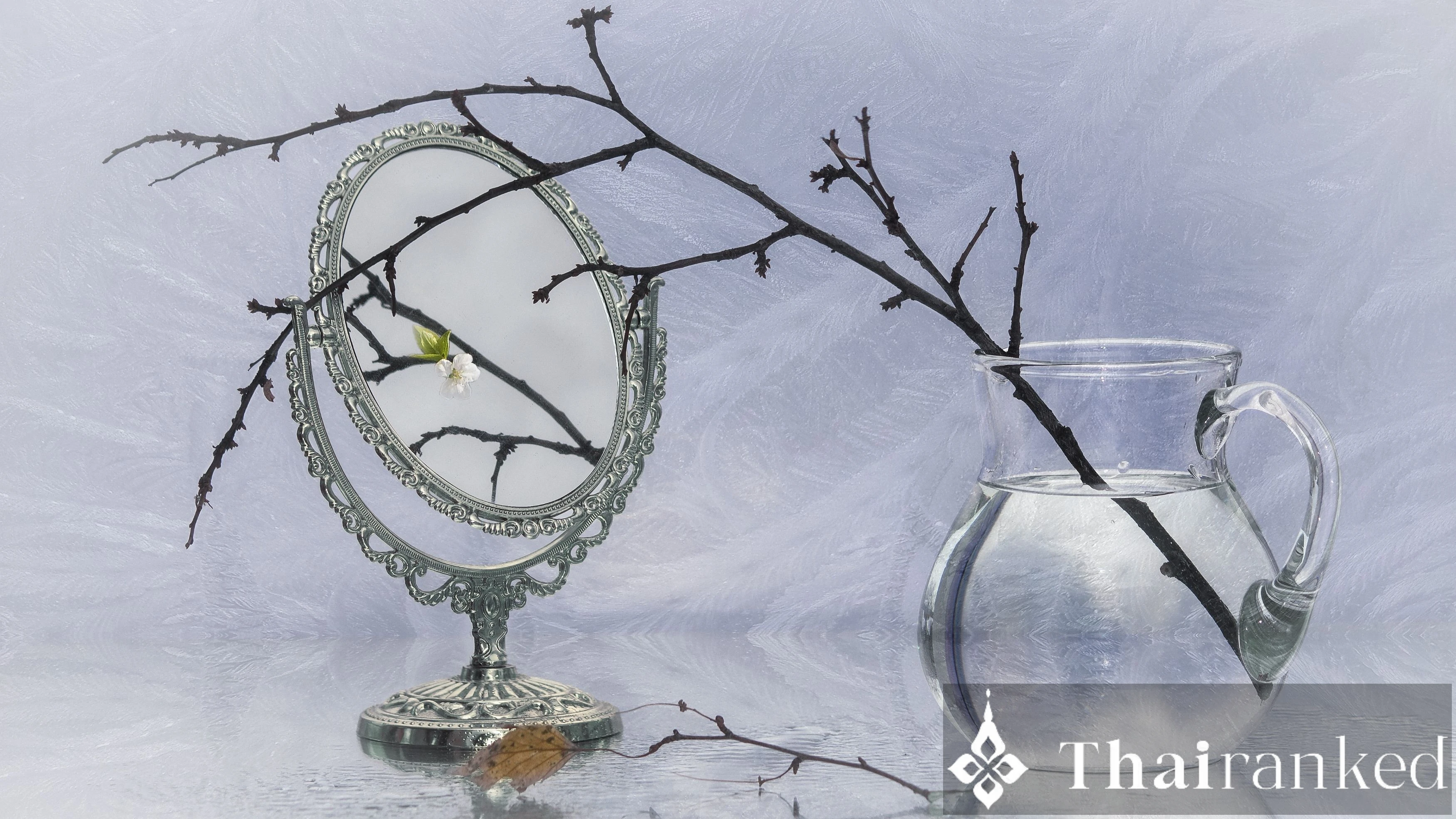
Mirrors and delicate glass ornaments are risky for two reasons: superstition and practicality. Some traditions say mirrors can attract wandering spirits, while breaking glass at the start of the year is an ominous sign for the months ahead. On a practical level, hampers get transported a lot during house visits in Thailand, so fragile items are more likely to shatter. Instead of glass trinkets, choose sturdy tins of cookies, sealed jars of honey, premium teas, or non-breakable decor like red envelopes and festive paper cutouts. These items travel well, are easy to share, and send a message of sweetness and abundance rather than fragility. The less chance of accidental breakage, the smoother your gift’s symbolism and delivery.
9. Pears
Homophone for parting or separation
Highlight
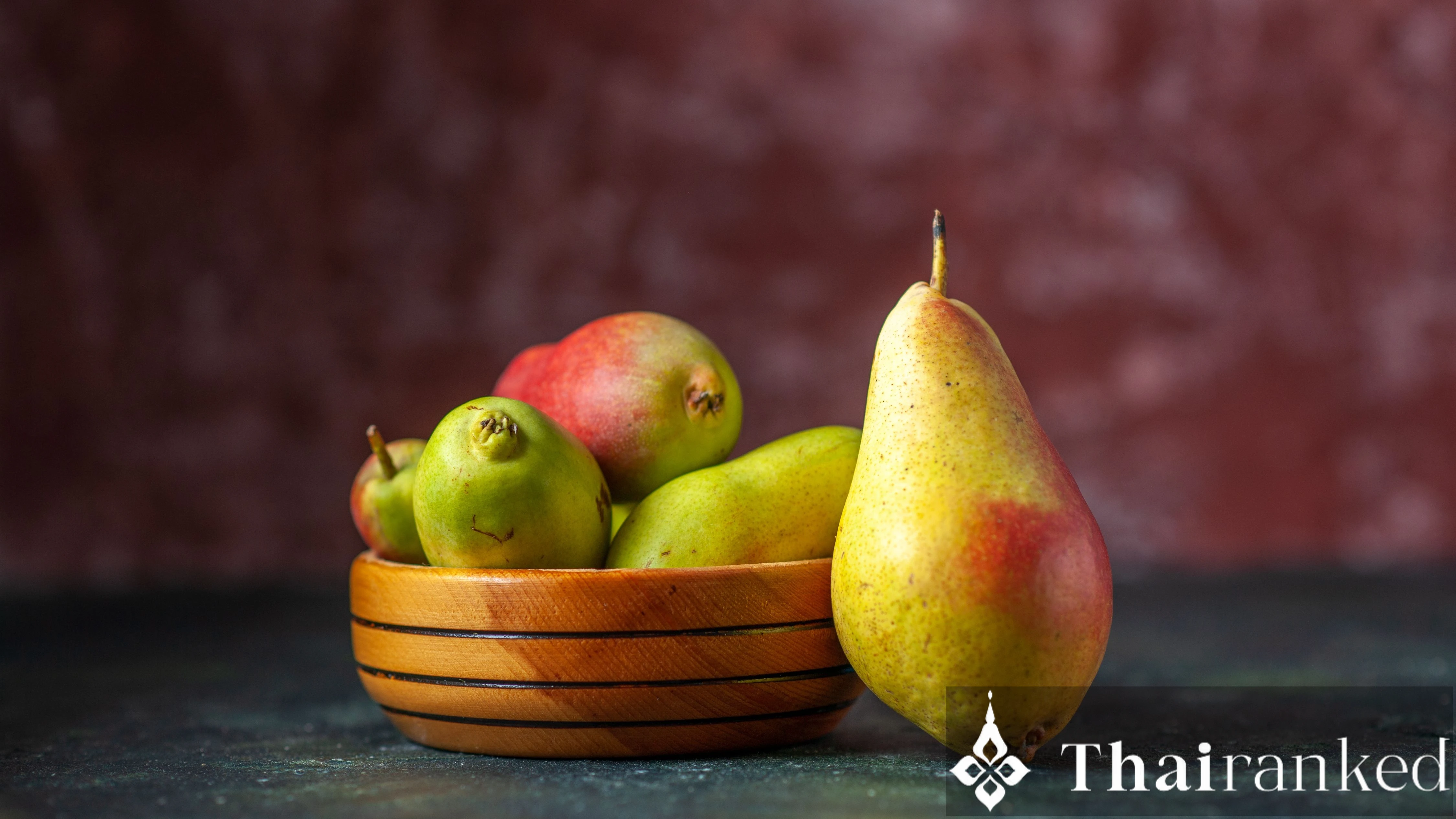
Pears are a specific fruit to avoid because the word for pear in Chinese sounds like the word for “to part” or “to separate.” Gifting pears can be read as wishing a relationship to drift apart, which clashes with the reunion spirit of the season. While Thailand produces wonderful fruit, skip pears in your New Year hamper and go for oranges, tangerines, and pomelos instead. These citrus fruits are crowd-pleasing, travel well, and are firmly tied to luck and wealth. You can also add dried longans or dates for sweetness and longevity symbolism. Present them in a woven basket or red box, and include a few chocolate coins to underline prosperity without any awkward homophones attached.
10. Sets of Four and Mourning Colors
Bad numerology and somber packaging
Highlight
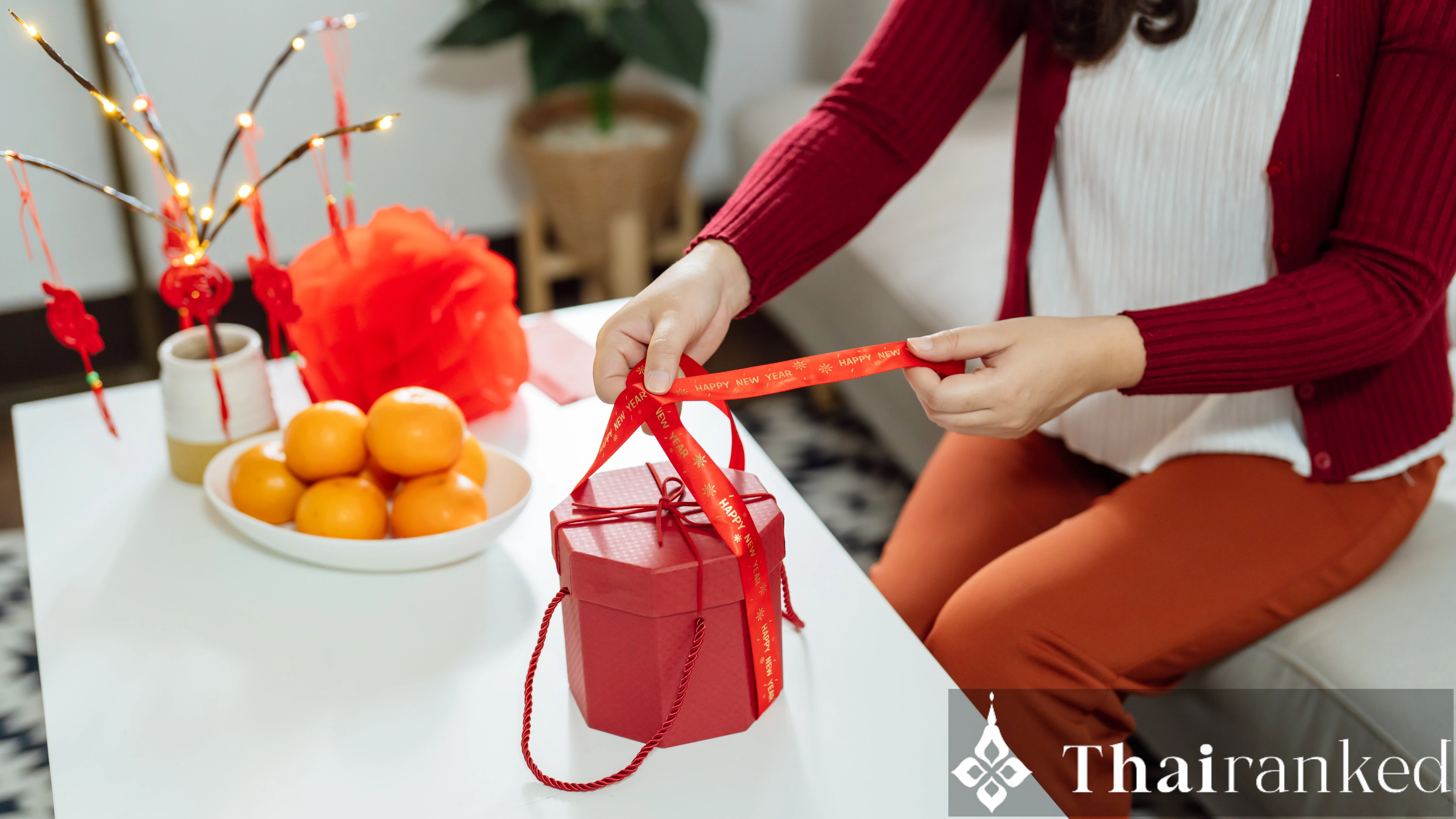
Beyond individual items, the way you assemble a hamper matters. Avoid grouping gifts in sets of four, since the number sounds like “death” in many Chinese languages. Black and white packaging, plain grey ribbon, and minimalist monochrome looks can also read as mourning rather than celebration. In Thailand, where families visit multiple homes over the holiday, these visual cues are noticed quickly. Opt for lucky counts like 6, 8, or 9, and dress the basket in red and gold with a touch of auspicious patterning. Even small tweaks, such as adding an extra candy to move from 4 to 5 pieces, improve the vibe. This attention to numerology and color transforms a good gift into a culturally thoughtful one.
If you are curating a Chinese New Year hamper in Thailand, steer clear of clocks, shoes, umbrellas, sharp objects, white flowers, pears, mirrors, green hats, and anything arranged in sets of four or packaged in mourning colors. These items carry strong negative symbolism in Thai-Chinese culture, from separation to misfortune. Focus instead on auspicious staples like citrus, tea, premium delicacies, sweets, and red packets, all wrapped in red and gold and grouped in lucky numbers like 6, 8, or 9.
For more background on seasonal superstitions, explore our overview of Chinese New Year taboos in Thailand. And if you are planning festive travel around long weekends, our guide to Thai holidays in 2026 helps you time visits, markets, and family gatherings. With a little cultural care, your hamper will deliver exactly what it should: good wishes, good taste, and good luck.
by Thairanked Guide
Thairanked helps you discover great places in Thailand!
What people ask about
"Chinese New Year Hampers in Thailand: Gifts to Avoid"
Here you will find answer to the most popular questions.