How to Say Romantic Phrases in Thai
January 18, 2026 05:05 AM
Last edited: January 16, 2026
Learn how to say I love you in Thai with 10 sweet phrases, from Rak Na to Kid Tueng. Get pronunciation, when to use them, and cultural tips for couples.


by Nam Thairanked
I love traveling and eating Thai food.
Table of Contents
1. ฉัน/ผม รักคุณ (Chan/Phom rak khun)
2. รักนะ (Rak na)
3. คิดถึง (Khit thueng)
4. คุณน่ารักมาก (Khun narak mak)
5. ฝันดีนะ (Fan dee na)
6. เป็นแฟนกันไหม (Pen faen gan mai?)
7. ขอกอดหน่อยได้ไหม (Kho god noi dai mai?)
8. อยากอยู่ข้างๆคุณ (Yaak yuu khang khang khun)
9. จะดูแลเธอเสมอ (Ja duu lae ter samer)
10. รักมากๆ (Rak mak mak)
11. แต่งงานกับฉันไหม (Taeng ngaan gap chan mai?)
Search Hotels & Flights
You might like









Table of Contents
1. ฉัน/ผม รักคุณ (Chan/Phom rak khun)
2. รักนะ (Rak na)
3. คิดถึง (Khit thueng)
4. คุณน่ารักมาก (Khun narak mak)
5. ฝันดีนะ (Fan dee na)
6. เป็นแฟนกันไหม (Pen faen gan mai?)
7. ขอกอดหน่อยได้ไหม (Kho god noi dai mai?)
8. อยากอยู่ข้างๆคุณ (Yaak yuu khang khang khun)
9. จะดูแลเธอเสมอ (Ja duu lae ter samer)
10. รักมากๆ (Rak mak mak)
11. แต่งงานกับฉันไหม (Taeng ngaan gap chan mai?)
Thai love phrases your partner will actually use
Whether you are dating a Thai partner or want to charm your long-term love, a few romantic Thai phrases go a long way. Thai is all about softness and politeness, so tone, particles, and pronouns matter. You will see and hear words like rak (love) and khit thueng (miss) every day on LINE stickers and in casual chats. In this guide, we break down how to say “I love you” in Thai naturally, plus cute everyday lines like rak na and khit thueng that Thais use with their boyfriend or girlfriend.
Quick tips before we start. For “I,” men usually say phom, women often say chan, though many couples drop pronouns entirely. For “you,” khun is polite and safe, while ter is intimate and romantic. Add softener particles like na to sound sweet, and finish with kha (women) or khrap (men) to be polite when needed. Thai is an SVO language, so most sentences line up nicely with English word order.
If you are exploring regional culture together, it is fun to sprinkle in dialect too, like a few Isan phrases. But start with standard Thai below, then personalize for your relationship. Practice out loud with a smile, keep it light, and you will sound more natural with each date night.

1. ฉัน/ผม รักคุณ (Chan/Phom rak khun)
The classic “I love you” in Thai

Highlight
Meaning: I love you, the classic, clear, and polite way. Men typically say phom, women say chan, though many couples drop the pronoun and just say rak khun or even simply rak when context is obvious.
How to use: Perfect for meaningful moments, anniversaries, or when you want to be unmistakably sincere. You can soften it with particles: rak khun na adds tenderness, and rak khun na kha/khrap is sweet and polite. With closer partners, switch “khun” to the name or to the intimate “ter” for a warmer feel: chan/phalom rak ter.
Tip: Thai delivery matters. Smile, keep a gentle tone, and avoid saying it too loudly. If texting, a heart emoji or LINE sticker is very Thai and keeps it cute.
2. รักนะ (Rak na)
Cute, casual “love ya”

Highlight
Meaning: Love you, a cute, casual version that sounds affectionate without being too heavy. The little particle na softens everything and adds warmth.
How to use: Send it by text at the end of a chat, say it when you part ways, or whisper it during a cuddle. You can dial up the sweetness with rak na ja or keep it polite with rak na kha/khrap. For extra emphasis, say rak na mak (love you so much) or add your partner’s name for intimacy.
Tip: This is the go-to phrase on LINE stickers and Instagram captions. If you are not ready for a grand declaration, rak na is your friendly middle ground.
3. คิดถึง (Khit thueng)
The go-to “I miss you”

Highlight
Meaning: I miss you. It literally means “thinking of,” but in Thai it carries the emotion of missing someone. You can add intensity with mak (very): khit thueng mak.
How to use: Perfect for long-distance days or when work keeps you apart. Say khit thueng ter to be intimate, or keep it polite with khit thueng khun. Add softeners: khit thueng na, or polite endings: khit thueng na kha/khrap. For extra warmth, pair it with a plan: khit thueng na, jer gan wan nii mai? (Miss you, shall we meet today?).
Tip: In texts, many Thais write it without spaces: khitthueng or with cute elongations like khitthuenggg to exaggerate the feeling.
See also
4. คุณน่ารักมาก (Khun narak mak)
You’re so cute

Highlight
Meaning: You’re very cute. Narak means “cute/adorable,” and it is universal for all genders. If you are close, replace khun with your partner’s name or ter.
How to use: Great as a spontaneous compliment on a date, after they dress up, or when they do something thoughtful. Variations include narak jing (really cute) and narak mak mak (so, so cute). Keep delivery light and sincere.
Tip: For a masculine compliment, you will also hear lor mak (very handsome), but narak works wonderfully for everyone and sounds more affectionate.
5. ฝันดีนะ (Fan dee na)
Sweet dreams, sleep well

Highlight
Meaning: Sweet dreams, sleep well. A bedtime staple in Thai couples’ chats. The particle na softens it and makes it tender.
How to use: Say it before sleep, add a heart or moon emoji, or go with fan dee na kha/khrap for polite sweetness. You can add a promise: fan dee na, phop gan phro wan mai (sleep well, see you tomorrow). For long-distance, try fan dee na, khit thueng na to layer in “miss you.”
Tip: Many Thais combine it with a term of endearment or a nickname. Using your partner’s Thai nickname plus na is peak Thai cuteness.
6. เป็นแฟนกันไหม (Pen faen gan mai?)
Will you be my partner?

Highlight
Meaning: Will you be my boyfriend/girlfriend? The phrase literally means “Shall we be lovers?” and is a natural way to make it official.
How to use: Ask in a soft tone, ideally in a private, romantic setting. You can make it extra sweet with a softener, pen faen gan mai na, or be politely earnest with …na kha/khrap. If you want to keep it casual, try pen faen gan loei mai? (Shall we just be together?).
Tip: Thai proposals to “be official” often come after consistent dating and care. Pair your words with a small gift or shared memory to make it feel heartfelt, not pressured.
7. ขอกอดหน่อยได้ไหม (Kho god noi dai mai?)
A gentle way to ask for a hug

Highlight
Meaning: Can I have a hug? Literally “May I hug a bit?” It is affectionate, gentle, and respectful because you are asking, not assuming.
How to use: Perfect after a long day, when comforting your partner, or during a cozy movie night. In a close relationship you might simply say yak god (I want a hug) or add intimacy with god noi na. Polite endings keep it sweet and considerate: …dai mai kha/khrap.
Tip: If you mean a kiss on the cheek, Thai uses hom instead of joop (kiss on the lips). Keep your language aligned with your intent.
8. อยากอยู่ข้างๆคุณ (Yaak yuu khang khang khun)
I want to be by your side

Highlight
Meaning: I want to be by your side. This expresses steady commitment without sounding overly dramatic. Swap khun for a name or ter for intimacy.
How to use: Use it during deeper conversations about the relationship, future plans, or after supporting each other through something tough. Add talot pai (forever/always) to intensify: yaak yuu khang khang ter talot pai. You can also soften with na or make it politely warm with kha/khrap.
Tip: Thai romance often emphasizes care and presence. This line speaks to Thai values of being dependable and considerate.
9. จะดูแลเธอเสมอ (Ja duu lae ter samer)
I’ll always take care of you

Highlight
Meaning: I’ll always take care of you. It promises ongoing support, which Thais consider a core sign of love.
How to use: Say it when your partner is stressed, unwell, or worried about the future. If you prefer polite rather than intimate, swap ter for khun. You can also say chan/ phom ja duu lae khun samer for extra clarity. Add a softener if you like: …na or …na kha/khrap.
Tip: Back it up with actions. Small daily gestures, like picking up dinner or sending medicine, make this phrase feel real in Thai culture.
10. รักมากๆ (Rak mak mak)
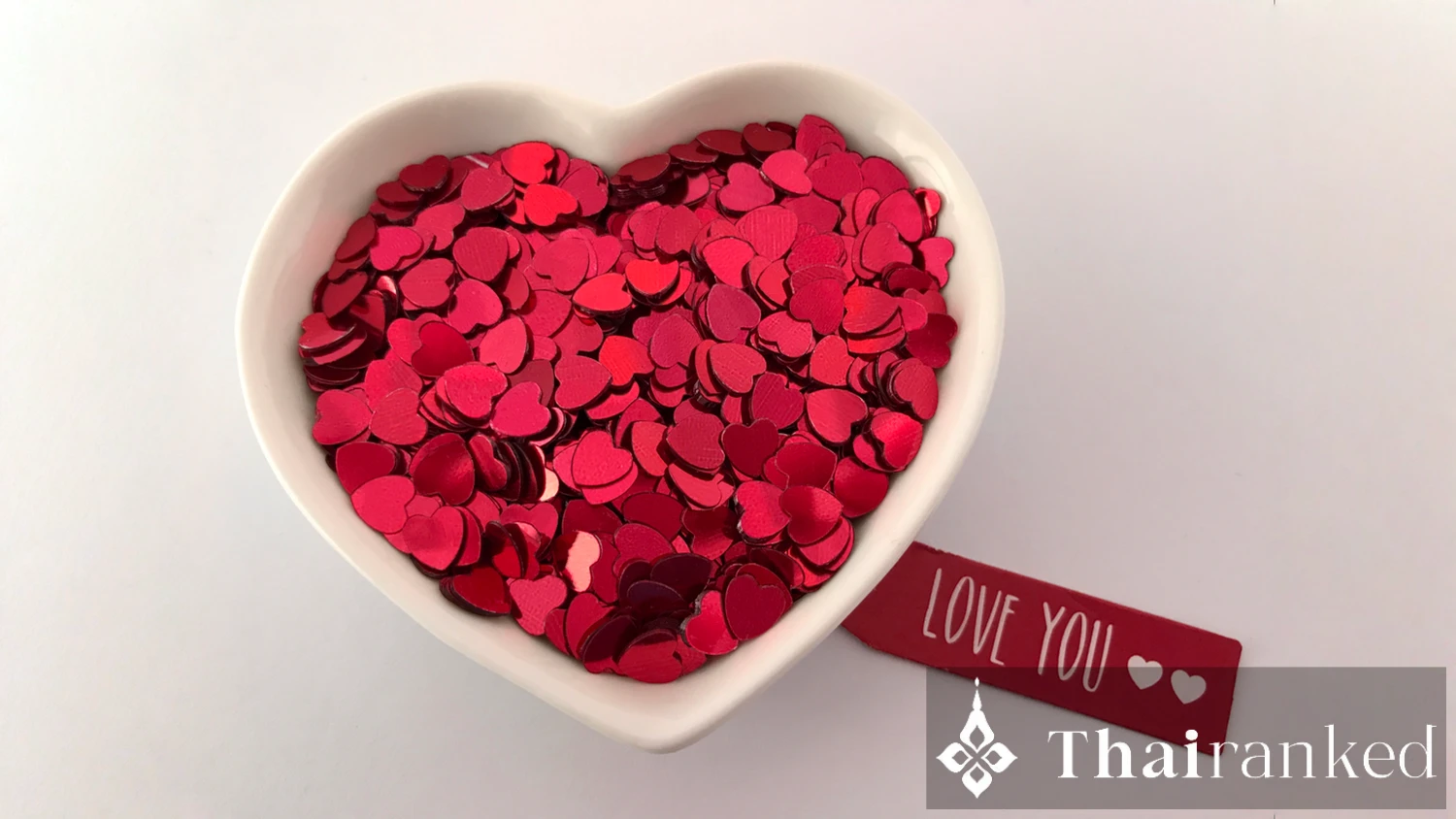
Love you so, so much
Highlight
Meaning: Love you so, so much. Mak means “very,” and repeating it doubles the intensity in a cute, casual way.
How to use: Text it after a great date or when you’re feeling extra affectionate. You can attach it to the classic line: rak khun mak mak, or keep it intimate with rak ter mak mak. In speech, lighten your voice and smile to keep it sweet, not heavy.
Tip: For an even gentler feel, add na to the end: rak mak mak na. If you want to be polite and sweet, finish with kha/khrap.
11. แต่งงานกับฉันไหม (Taeng ngaan gap chan mai?)
The big question, simply said

Highlight
Meaning: Will you marry me? The straightforward Thai proposal. Swap chan for phom if you are male, or drop the pronoun when context is obvious: taeng ngaan gap khun mai?
How to use: Use it only when you are ready, in a private or thoughtfully chosen spot. Add softness and respect with na and a polite ending: taeng ngaan gap chan mai na kha/khrap. Many Thais appreciate sincerity over grand theatrics.
Tip: After a “yes,” follow up with loving care phrases like ja duu lae ter samer and keep using everyday sweetness such as fan dee na and khit thueng.
Mastering a few romantic Thai lines is one of the easiest ways to connect with your partner day to day. Start with basics like “phom/chan rak khun,” then switch to intimate forms such as “rak na” and “khit thueng” in messages and calls. Mix in compliments like “narak mak” and caring phrases like “fan dee na” and “ja duu lae ter samer” to show warmth beyond the big three words. Most importantly, match the formality with the situation and your partner’s style, adding softeners like “na,” “kha,” or “khrap” for that signature Thai sweetness.
Want cultural settings to practice together? Plan a date around Thailand’s biggest festivals to soak up atmosphere and language, using our guide to the most popular Thai festivals. Or try a cafe crawl tasting iconic beverages from our list of top Thai drinks, and sprinkle these phrases naturally into conversation. Keep it playful, be patient with pronunciation, and let the language grow with your relationship.
by Nam Thairanked
I love traveling and eating Thai food.
What people ask about
"How to Say Romantic Phrases in Thai"
Here you will find answers to the most popular questions about Thailand.