Thai Ghost Beliefs: 9 Nighttime Taboos to Avoid
February 03, 2026 08:16 AM
Last edited: February 03, 2026
From “don’t whistle at night” to lizard omens at the door, learn 9 Thai ghost beliefs, what they mean, and how locals stay respectful and safe after dark.

by Thairanked Guide
Thairanked helps you discover great places in Thailand!
Table of Contents
1. Don’t whistle at night
2. Lizard omen at the door
3. Don’t answer mysterious calls of your name at night
4. Don’t hang women’s clothes outside overnight
5. Don’t sleep with your head pointing west
6. Don’t cut your nails at night
7. Don’t sweep the house at night
8. Avoid mirrors facing the bed at night
9. Don’t touch or play with your mouth at night
Search Hotels & Flights
You might like






Table of Contents
1. Don’t whistle at night
2. Lizard omen at the door
3. Don’t answer mysterious calls of your name at night
4. Don’t hang women’s clothes outside overnight
5. Don’t sleep with your head pointing west
6. Don’t cut your nails at night
7. Don’t sweep the house at night
8. Avoid mirrors facing the bed at night
9. Don’t touch or play with your mouth at night
Thailand’s ghost beliefs aren’t just campfire stories, they quietly shape everyday etiquette, especially after sunset. If you’ve spent time in a Thai neighborhood, you may have heard classics like “don’t whistle at night” or warnings to stop at the door if a lizard chirps. These superstitions mix Buddhism, animism, and old household wisdom, guiding people to avoid attracting bad luck or upsetting wandering spirits. Whether you’re in Bangkok, up in Chiang Mai, or out in an Isan village, you’ll notice how the night carries its own rules.
Think of these as cultural “best practices.” Many started as safety tips before electricity, then settled into folklore, while others tie into local spirit guardians. You’ll see reminders of the spirit world everywhere, from temple rituals to tiny house shrines where offerings are made each morning, like the spirit houses found outside homes, shops, and hotels. Even if you’re not superstitious, understanding these beliefs helps you fit in, avoid awkward moments, and appreciate the invisible etiquette Thais follow after dark.
Below are the most commonly heard Thai ghost superstitions and nighttime taboos, including what people believe, why they persist, and how you can politely navigate them as a traveler or expat. Take them with a smile and a generous dose of respect, and you’ll find they add a fascinating layer to your Thailand experience.

1. Don’t whistle at night
Whistling invites spirits, snakes, and trouble
Highlight
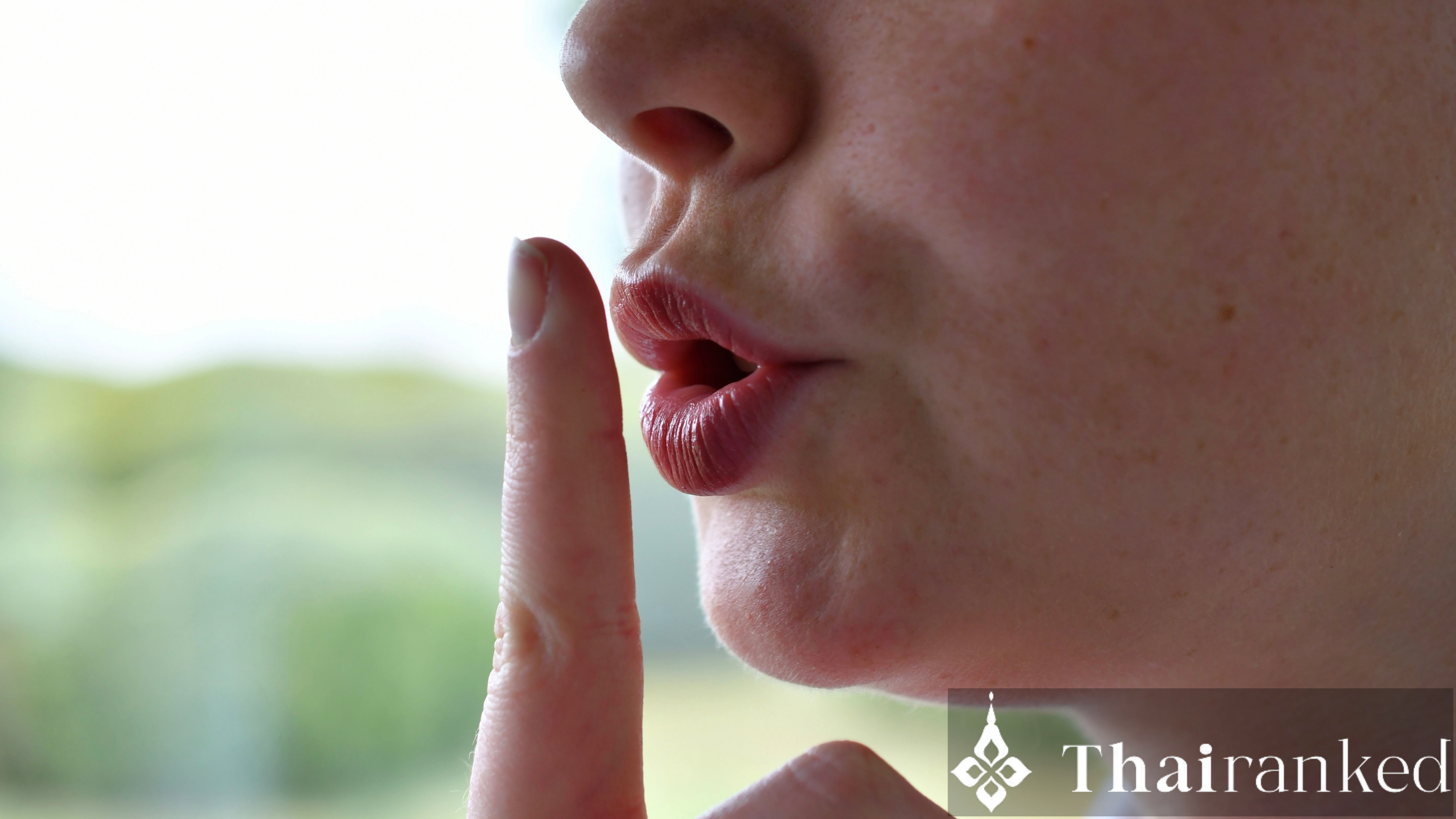
The best-known Thai superstition says do not whistle at night, or you’ll “call” spirits, snakes, or thieves to your home. Elders often frame it as a simple house rule, especially for kids. Before electricity, a shrill whistle could be mistaken for an animal or a signal in the dark, so it made sense to keep quiet. Over time, this practical caution became a spirit belief, with night seen as the time when wandering beings are most active.
Today, many families still frown on nighttime whistling out of respect, not fear. If you forget and do it, don’t panic, just laugh it off and stop. It’s a small courtesy that neighbors appreciate, and it’s the classic example locals will cite when talking about Thai ghost beliefs. In short, keeping silent after dark is a sign of consideration, and it’s an easy way to show cultural awareness while you’re here.
2. Lizard omen at the door
Jingjok calls warn or bless departures

Highlight
Thais pay attention when a house lizard, the small jingjok, chirps as you’re about to leave. Many believe its call can be a sign to delay or proceed. Some say a call from the right is auspicious and the left is a warning, others reverse it, and in some regions the first call matters more than the direction. The key idea is that the lizard is a messenger, urging you to pause, reflect, and maybe wait a moment.
In practice, people often stop, listen, and take a beat before heading out. If the timing feels odd or you’re uneasy, it’s perfectly acceptable to delay your departure a few minutes. Whether you treat it as a fun ritual or a genuine omen, acknowledging the jingjok shows cultural sensitivity and gives you a chance to double-check your keys, wallet, and route.
3. Don’t answer mysterious calls of your name at night
A voice at night may be a spirit
Highlight
One widely shared caution says that if you hear your name called outside at night, don’t answer right away. In folktales, spirits mimic familiar voices to lure people out. The modern, practical version is simple, don’t rush outside to an unknown caller in the dark. Some people will respond indirectly, like making a neutral sound or asking who’s there from inside, before opening the door or stepping out.
Especially in rural areas, sound carries strangely at night, and you can easily mistake a neighbor or animal for something else. Heeding this belief is less about fear, more about nighttime safety and situational awareness. If in doubt, turn on a light, check from a window, or call the person back by phone. Thais will recognize and appreciate your caution.
See also
4. Don’t hang women’s clothes outside overnight
Krasue might ‘borrow’ your clothes
Highlight
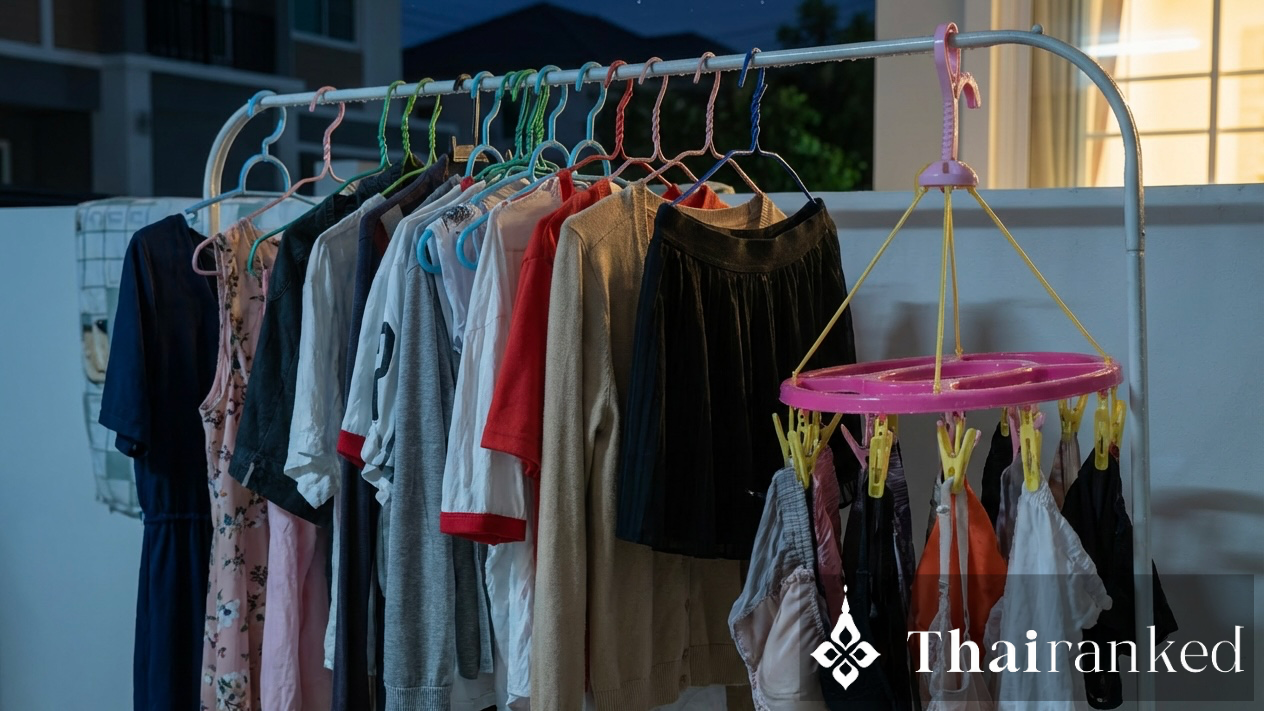
Many Thais avoid leaving women’s clothes, especially intimates, hanging outside after dark. The belief says spirits, including the notorious krasue of folklore, may be drawn to them. On a practical level, nighttime moisture and insects aren’t great for laundry, and privacy matters in tight neighborhoods. Wrapped in ghost language, the advice becomes memorable and easier to enforce in a family home.
If you’re staying long term, bring in laundry before sunset to align with local habits. It’s one of those small, unspoken rules that surprises newcomers, but it’s taken seriously in many households. Even if you’re skeptical, following it keeps the peace with neighbors and shows respect for the local worldview that sees night as a time to close the gates and keep energies settled.
5. Don’t sleep with your head pointing west
The direction of the dead at funerals
Highlight
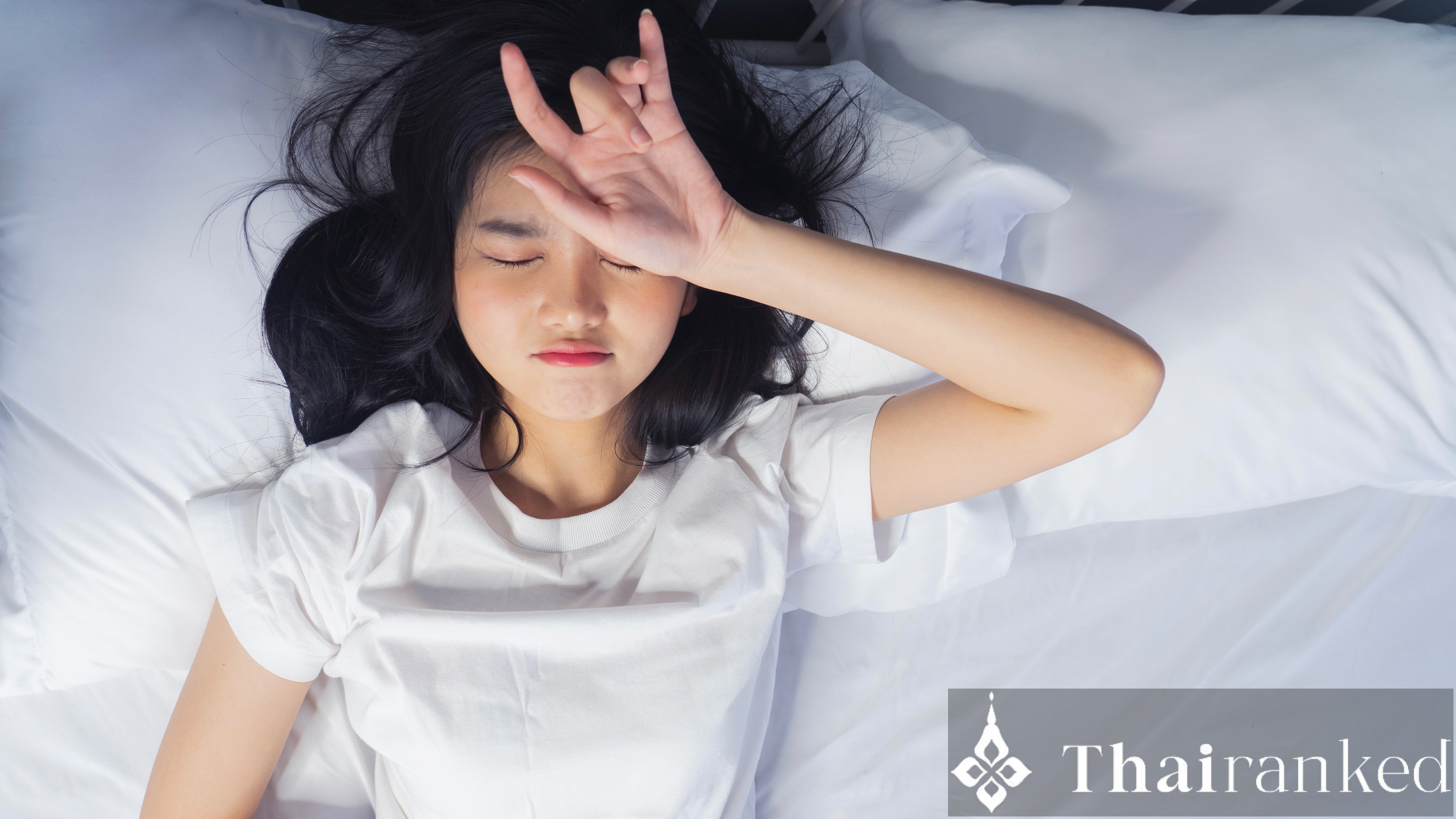
In Thai custom, the west is associated with funerals and the setting sun, so sleeping with your head to the west is avoided as it echoes how bodies are oriented in cremation grounds. The belief isn’t strictly a ghost story, but it’s deeply tied to death symbolism and the spirit world. Many households will arrange beds to face east or north instead, which feels more auspicious and life-affirming.
When booking a room or moving into a new apartment, you might see locals checking the bed direction, especially older family members. It’s an easy adjustment that earns nods of approval. Even if you can’t reorient the bed, some will place a small barrier or change pillow placement to avoid the “west head” setup. Consider it spiritual feng shui, Thai style.
6. Don’t cut your nails at night
Night trims are thought to cut luck
Highlight
A classic Southeast Asian superstition says to avoid trimming nails after dark. In Thai lore, night cutting can shorten luck, disturb household spirits, or symbolically “cut away” protection. Historically, poor lighting made slips likelier, so wrapping this safety tip in the language of spirits helped it stick. Parents still pass it down, and many people casually follow it even if they don’t consider themselves superstitious.
If you share a home with Thais, do nail care in the day or early evening. It’s a low-effort courtesy that keeps you aligned with the vibe of “quiet night, quiet hands.” And if someone reminds you, don’t take it personally, it’s cultural muscle memory more than criticism, a way to keep the night calm and free of sharp tools and sharp sounds.
7. Don’t sweep the house at night
Sweeping out luck and stirring spirits
Highlight
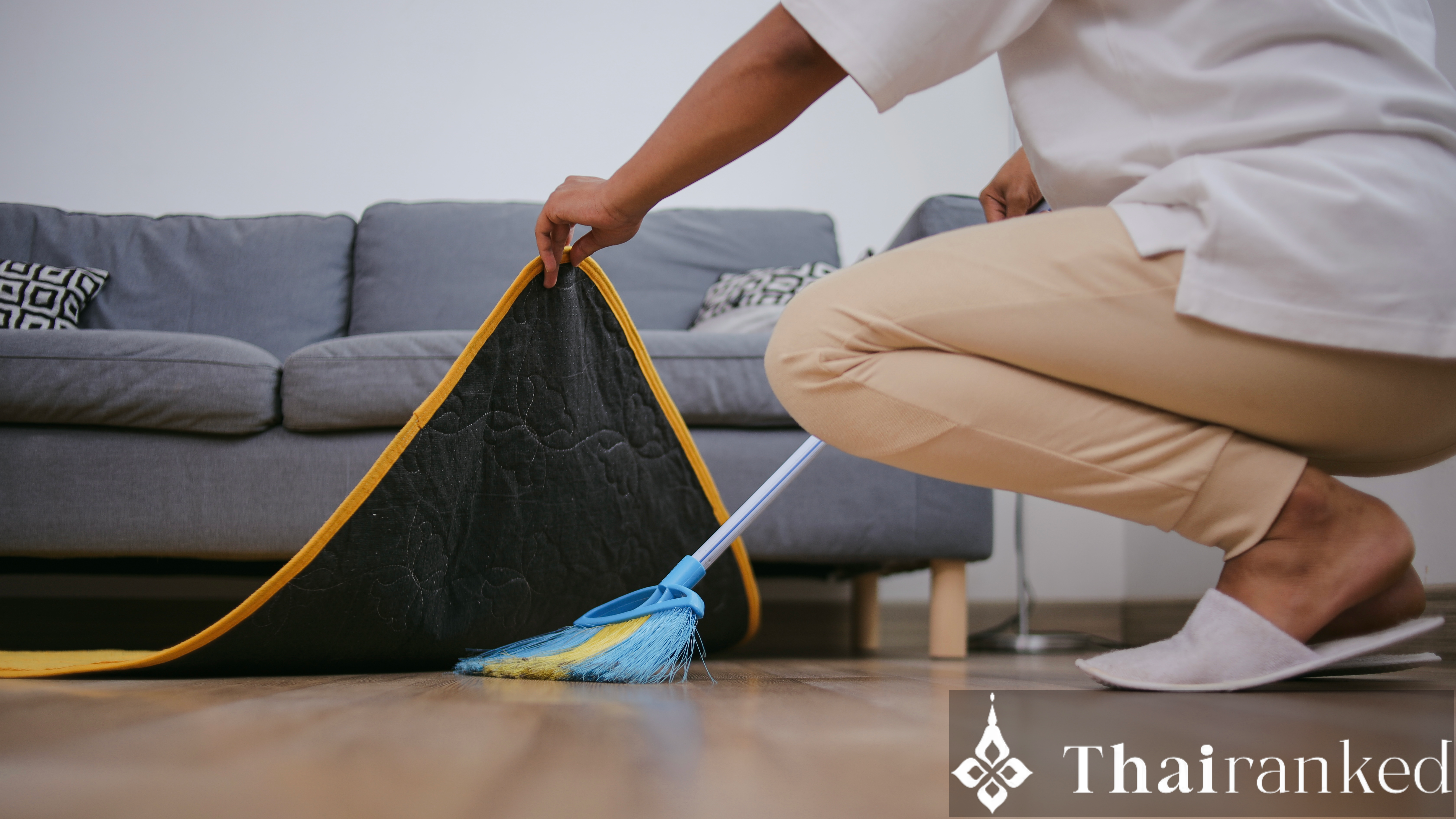
Another household belief warns that sweeping at night pushes wealth, good fortune, or protective energies out the door, and in some tellings, it stirs up spirits. It’s common to finish sweeping before dusk and switch to spot-cleaning if needed later. Again, the roots are practical, sweeping in low light can miss dirt or annoy neighbors with noise, so the ghost-tinged rule became an easy way to set routine.
If a spill happens, just tidy quietly and save a full sweep for morning. You’ll find many markets and shops do a big clean right before closing and avoid brooms after dark. For travelers and expats, respecting this rhythm is a simple, everyday way to blend in.
8. Avoid mirrors facing the bed at night
Reflections can invite roaming ghosts
Highlight
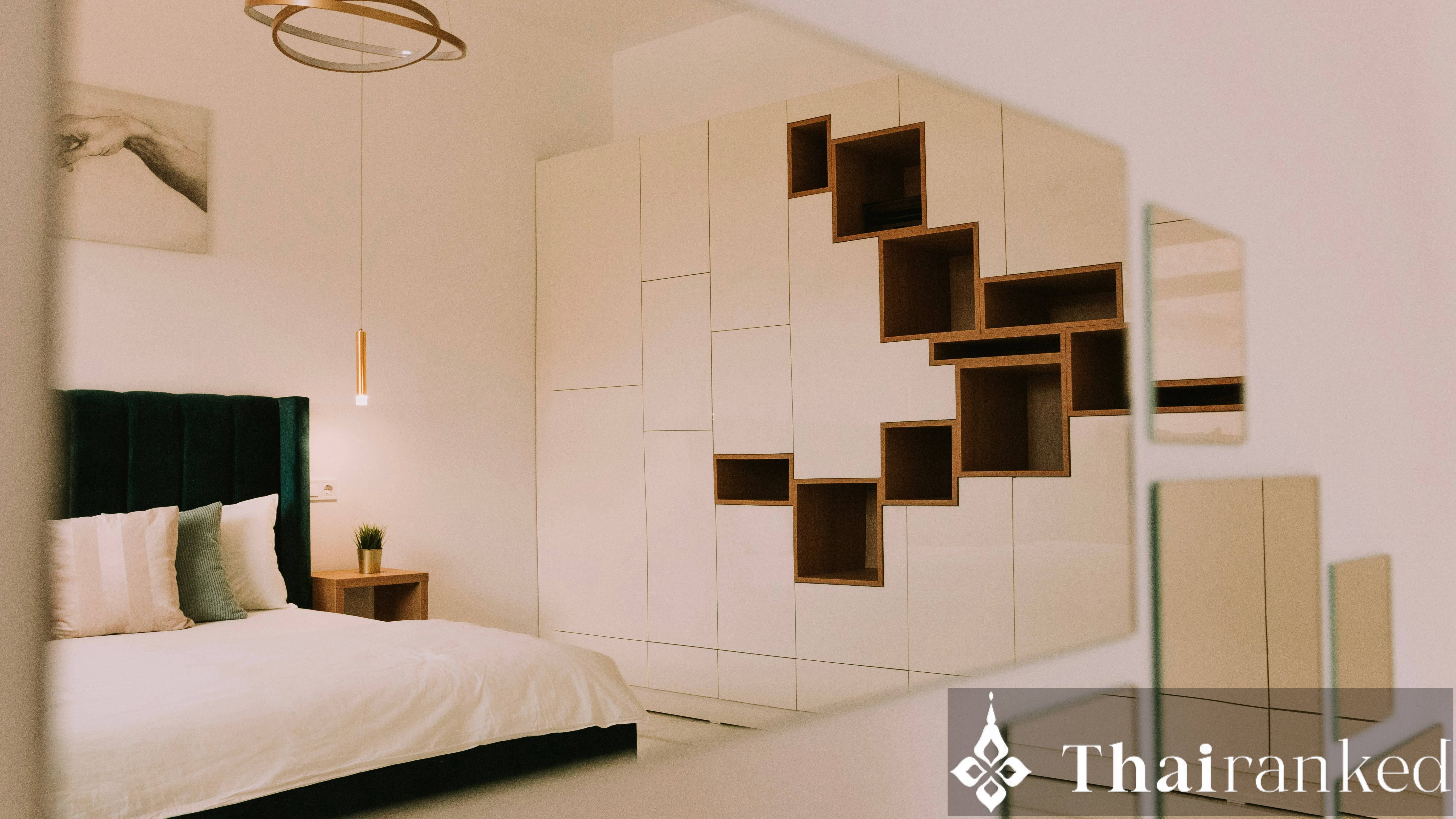
Placing a mirror directly opposite the bed is widely avoided. In Thai and regional lore, mirrors are portals that can reflect or attract wandering spirits, especially while you sleep. Practically, a night-time reflection can startle you awake and disrupt rest. Many homes angle mirrors away from beds or use closet doors without mirrors in sleeping rooms.
In hotels or rentals, you’ll occasionally see a cloth or scarf hung over a mirror at night, a simple, respectful fix that helps everyone sleep easier. Whether you view it as energy management or just good sleep hygiene, it’s an easy tweak that aligns with local beliefs and keeps the bedroom calm after dark.
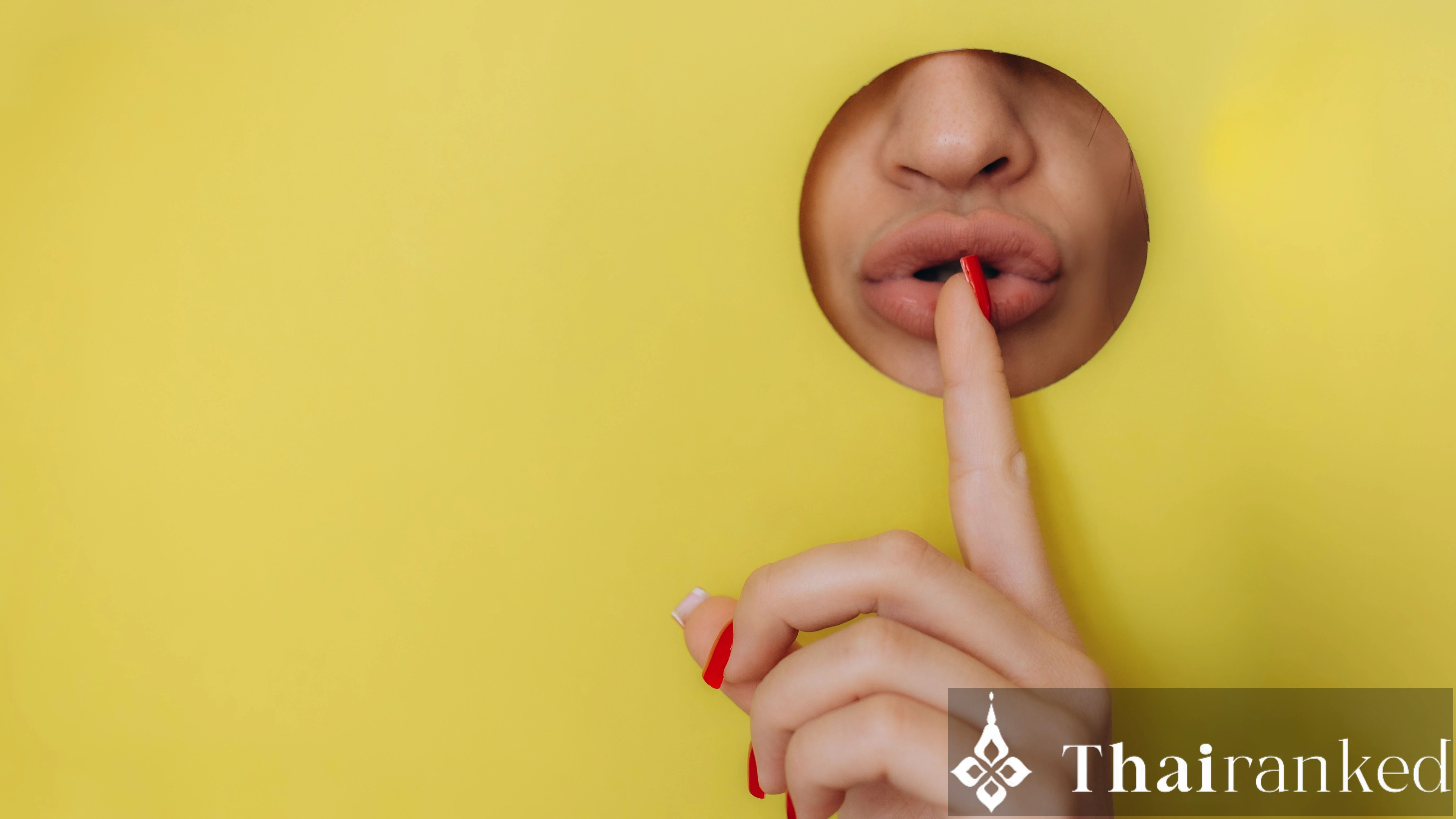
9. Don’t touch or play with your mouth at night
Fiddling with lips ‘calls’ spirits
Highlight
Another old warning says not to pull at your lips, cover and uncover your mouth, or make odd mouth sounds at night because it can “call” ghosts. You’ll hear variations, from “don’t make mouth noises in the dark” to “don’t tease your mouth, or spirits will visit in dreams.” Like the whistling taboo, it likely began as a caution against making strange noises that could alarm family or attract attention in quiet neighborhoods.
While not every household mentions this one, it pops up enough that you’ll hear Thai friends joke about it. If an elder reminds you, take it as a sign to keep the nighttime vibe calm and respectful. It’s more about maintaining a peaceful home after dusk than about literal ghost encounters, but the language of spirits gives the advice staying power.
From whistling bans to lizard omens, Thai ghost beliefs offer a window into how locals blend faith, folklore, and practical wisdom. You don’t need to believe in ghosts to respect these customs, and if you’re unsure, follow the household’s lead. When friends say to pause at the door after a jingjok’s call, or to avoid mirrors facing your bed, it’s about harmony with the unseen and keeping the night peaceful.
If this world of beliefs fascinates you, explore how offerings and symbolism work in Thai temple rituals, and see how taboo culture shows up in modern life with Chinese New Year taboos in Thailand. Embracing these nuances makes daily life smoother, deepens conversations with Thai friends, and turns sunset from just another time of day into a meaningful moment to slow down, listen, and tread lightly.
by Thairanked Guide
Thairanked helps you discover great places in Thailand!
What people ask about
"Thai Ghost Beliefs: 9 Nighttime Taboos to Avoid"
Here you will find answer to the most popular questions.