Why Is Mangosteen the Queen of Fruits, and Durian the King?
March 09, 2026 02:00 AM
Last edited: May 06, 2026

by Nam Thairanked
I love traveling and eating Thai food.
Search Hotels & Flights

Thailand: The Land of Fruits and Its Royalty
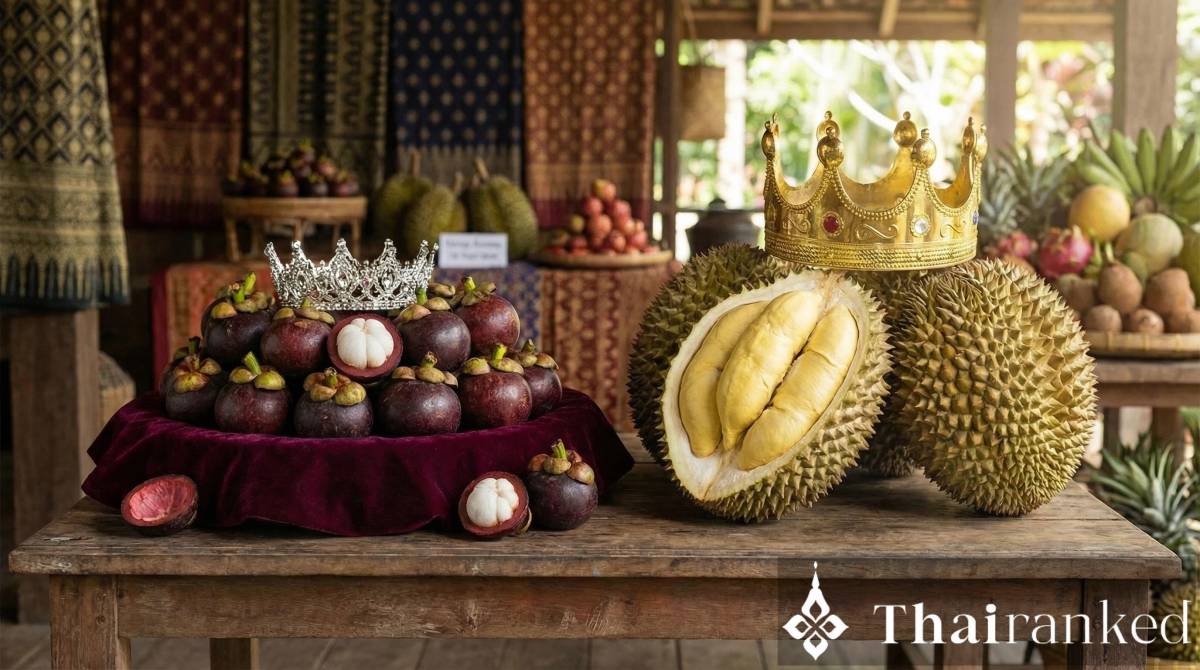
Picture a bustling Thai fruit market: bright colors, tropical smells, and the chatter of locals and travelers alike. Among the dozens of dazzling fruits, two reign supreme, the soft, purple-rimmed mangosteen, dubbed the Queen of Fruits, and the spiky, divisive durian, crowned as King. But what lies behind these regal nicknames, and what makes these fruits so central to Thai culture?
The Origin of the Royal Titles
The playful coronation of mangosteen and durian is more than marketing; it's rooted in history, tradition, and their sensory impact. Thailand’s reverence for fruit is legendary, reflected in temple offerings, royal gardens, and national festivals. This respect translates to an informal fruit monarchy, with the gentle mangosteen and powerful durian ruling side by side.
Why Durian Is Called the King of Fruits
Durian’s nickname as the King of Fruits stretches across Southeast Asia, but Thailand has made it an icon. Here’s why:
- Majestic Appearance: Durian’s thick, spiked shell demands respect. It’s large, heavy, and unmistakably the center of attention; you won’t carry it unnoticed!
- Potent Aroma: Its smell divides opinion like nothing else, so strong it’s banned on public transport and in hotels. Love it or hate it, it commands the room, just like a true monarch.
- Rich Flavor: The custardy flesh inside offers a unique, sweet-but-savory, complex taste that enthusiasts adore. It’s rich, luxurious, and unlike any other fruit.
- High Value: Durian can fetch premium prices in Thai markets, especially for sought-after varieties like Monthong and Kan Yao.
- Cultural Status: Durian features in ancient Thai literature and has been gifted to royalty. Towns compete to produce the best durian, with festivals celebrating its season.
Why Mangosteen Is Crowned the Queen of Fruits
Where durian is intense and polarizing, mangosteen is understated elegance, winning affection for gentleness and subtlety:
- Elegant Looks: With smooth, deep purple rind and a delicate green crown, mangosteen is petite and beautiful, almost jewel-like among rougher fruits.
- Delicate Flavor: The soft, white segments inside taste sweet, slightly tart, and incredibly juicy. Many describe it as a harmonious blend of peach, strawberry, and citrus.
- Refreshing Quality: Mangosteen’s cool, refreshing taste is said to balance durian’s rich, “hot” nature. In traditional beliefs, eating them together gives a yin-yang style equilibrium.
- Symbolism and History: The fruit has long been a delicacy at royal tables, famed for its purported health benefits and cooling effect, ideal for Thailand’s muggy heat.
Royal Roles in Thai Culture and Cuisine
Both mangosteen and durian are deeply embedded in Thailand’s culture, but in very different ways.
Durian – The King’s Grand Entrance
In Thailand, the arrival of durian season makes headlines, sparks food debates, and packs festivals across the country. Families plan special meals around it, and tourists flock to places like Chantaburi’s famous night markets or durian orchards, eager for their first (or fiftieth!) taste. Chefs creatively work it into ice creams, cakes, and even savory dishes – though nothing can top the drama of savoring it fresh.
Mangosteen – The Queen’s Subtle Allure
Mangosteen is more quietly celebrated. It’s often served as a gentle palate cleanser after heavy foods, offered in baskets as gifts, or enjoyed after a day in the sun. You’ll find it stacked gracefully at fruit stalls, or starring in elegant desserts and drinks. Thai medical tradition even credits it with cooling and healing properties, a natural remedy for tropical heat and minor ailments.
The Science and Magic of Taste: Why They Reign
The dominance of these fruits isn’t just cultural; it’s built on real taste and nutrition. Durian is high in healthy fats, carbs, vitamins, and minerals. It’s dense and filling, prized for boosting energy and satisfying sweet cravings. Meanwhile, mangosteen is prized for its antioxidants and gets attention worldwide as a “superfruit.” Its refreshing flavor and hydrating quality make it ideal during Thailand’s blazing summer months.
Curious Contrasts: A King and Queen Like No Other
It’s no accident that these two are paired as King and Queen. Their differences actually enhance their legendary status together. Where durian is bold, heavy, and considered "heavy," mangosteen is gentle, light, and “cooling.” In folk wisdom, eating both (within reason!) restores balance in the body. Some even jokingly say that mangosteen is the only fruit mighty enough to soothe the "wrath" of durian’s power!
Tips for Experiencing Thailand’s Fruit Royalty
- Visit an Orchard: Take a day trip to a Thai orchard where you can sample both fruits fresh from the tree. Many orchards near Chanthaburi or Rayong offer tours and tastings.
- Sample at Markets: Head to Bangkok’s night markets or local fruit stalls during the April–August high season for the freshest mangosteens and durians.
- Pair Like the Locals: Try eating durian first, then mangosteen to "chase" the lingering boldness and cool your palate (this pairing is famous in Thailand!).
- Go Beyond Fresh: Explore durian-flavored candies, cakes, and even sticky rice, or mangosteen preserves and juices, for a different spin on the classics.
- Know Your Limits: Durian is very rich; a little goes a long way! Mangosteen is milder but still best enjoyed in moderation.
For more about seasonal fruit experiences, check out our Thai Fruits Calendar for February, or discover culinary adventures at night markets across Thailand.
Fun Facts and Legends
- Mangosteen’s Royal Seal: Queen Victoria of England was said to offer knighthood to anyone who could bring her fresh mangosteen, hence the association with royalty!
- Durian Bans: Its intense aroma sees durian banned from airlines, hotels, and even the MRT in Bangkok, adding to its notorious reputation.
- Cultural Rivalries: Some Thai provinces fiercely promote their "best" durians or mangosteens, organizing festivals, pageants, and quirky fruit-themed events.
If you’re planning to explore Thailand’s fruit scene, you may also be interested in Bangkok’s best food experiences for guided tastings and food market tours.
Key takeaways
- Durian and mangosteen hold the titles King and Queen of Fruits for their contrasting looks, flavors, and cultural roles.
- Durian is prized for its rich taste, bold aroma, and status as a festival centerpiece.
- Mangosteen is beloved for its refreshing, delicate flavor and cooling properties.
- Together, they represent balance and are celebrated in Thai traditions and medicine.
- Try them fresh in Thai markets or orchards for an unforgettable taste of Thailand’s fruit royalty!
Search Hotels & Flights
Related Insights
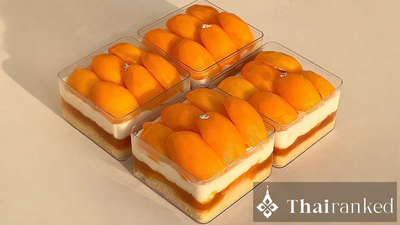
Discover the irresistible layers and flavor of Mayongchid cheese pie with Thailand’s Marian plum, unmissable February treat for foodies and travelers.
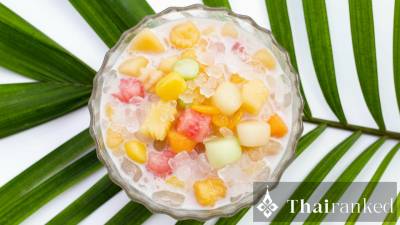
Discover Loy Kaew, Thailand’s refreshing iced dessert. Learn about its unique fruit carving process, syrup-soaking, and the tradition behind this cooling treat.
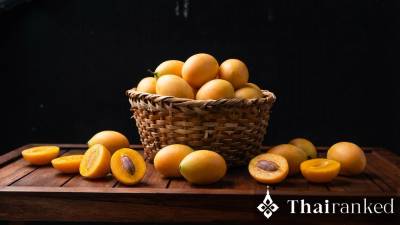
Discover Ma-Yong-Chid (Marian plum), Thailand’s sweet and sour fruit that’s in season only in February. Learn how to eat it, where to find it, and why you must try it.

Tailored By Luis is a Bangkok bespoke tailor offering custom menswear and womenswear with Savile Row craftsmanship and European fabrics.
Learn how 7-Eleven stamps work in Thailand, how to collect and redeem M-Stamps, and what foreigners need to know about eligibility and promotions.