The Red Fanta Mystery: Why Thais Offer Soda at Spirit Houses
March 13, 2026 02:40 AM
Last edited: March 11, 2026

by Thairanked Guide
Thairanked helps you discover great places in Thailand!
Search Hotels & Flights


The Red Fanta Mystery: Unlocking the Secret of Thai Spirit Houses
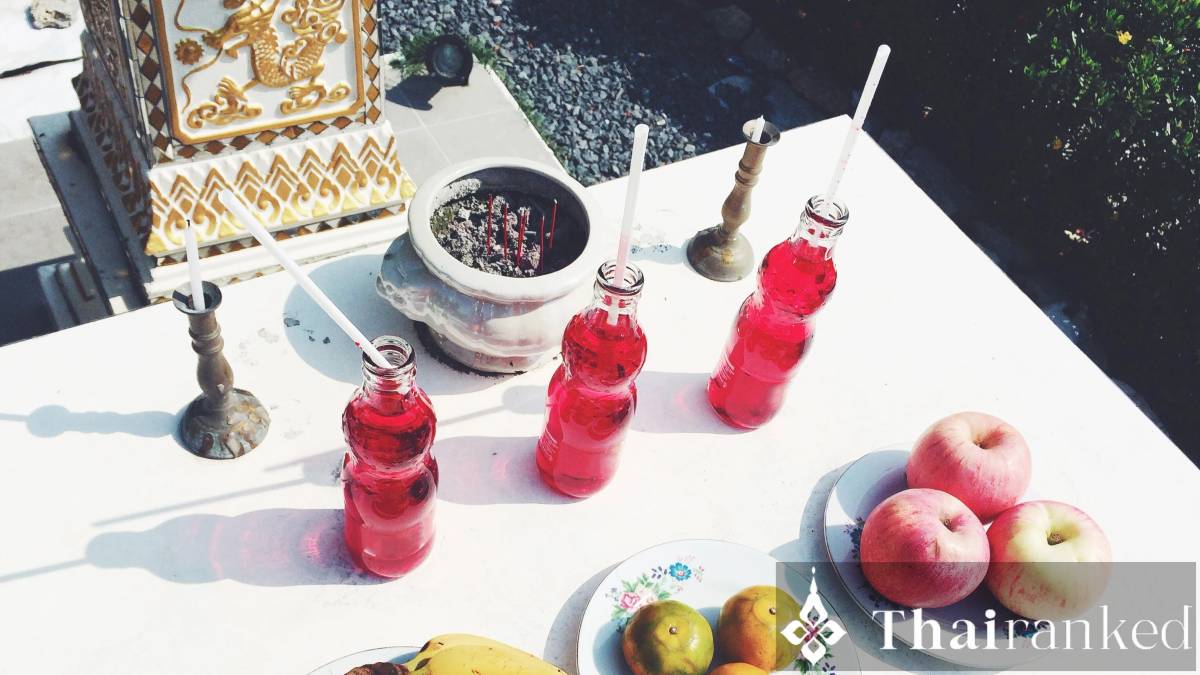
If you’ve spent even a few hours wandering through the streets of Thailand, chances are you’ve noticed those curious tiny houses perched in front of homes, hotels, shopping malls, and even construction sites. These miniature, brightly decorated "spirit houses," or San Phra Phum, are part of Thailand’s rich spiritual and cultural tapestry. But what confounds and delights most foreigners is the offering you’ll spot everywhere: a bottle of vibrant red soda (usually Fanta, straw included) left respectfully at these shrines. What’s up with that?
What Are Thai Spirit Houses (San Phra Phum)?
In Thai culture, spirit houses are small shrines intended to appease the protective land spirits known as Chao Thi or Phra Phum. According to Thai animism and Buddhism, every plot of land has its own guardian spirit. When a new building goes up, it’s believed that the spirit needs a place to reside—hence, a spirit house is built and placed in a prominent, respectful location, typically outside and elevated on a pedestal. The tradition extends to businesses, hotels, and public spaces, making these shrines a signature feature of urban and rural Thailand alike.
Every morning, people will leave offerings such as incense, fresh fruit, floral garlands, and most intriguingly, bottles of red Fanta soda, for the spirits’ enjoyment. These gestures are intended to keep the spirits happy, ensure prosperity and harmony, and prevent misfortune. If you’re curious how this intertwines with daily life, check out our insight into daily Thai rituals.
Shrines of the Ancestors: Honoring Those Who Came Before
Alongside San Phra Phum, you might encounter another type of small shrine: a Sarn Chao Tii (เจ้าที่) or an ancestor shrine. These serve a similar purpose but focus on ancestors or specific spirits who once lived, worked, or protected the area. Both shrine types cement the connection between past and present, between the living and the spiritual world.
The Secret Life of Red Fanta: Ancient Rituals with a Modern Soda Twist
You may have asked yourself: Why Red Fanta? Why not Coke or Sprite?
Here’s where things get fascinating (and, truly, a bit quirky). Historically, Thai offerings to spirits included more traditional tokens, like animal sacrifices or red liquids that symbolized blood or life force, such as pig’s blood or betel nut juice. The color red was thus strongly associated with vitality, fertility, and spiritual sustenance. Fast forward to modern urban Thailand: animal sacrifice is out, but the color symbolism remains strong. Enter: Red Fanta, with its eye-catching magenta hue and sugary sweetness, as the perfect stand-in.
Honestly, spirits are thought to have a bit of a sweet tooth. The soda, topped with a straw, clearly signals "this is for drinking", not pouring, so the spirits can enjoy, and maybe share some sweetness with the home or business.
And why Fanta specifically? Red Fanta is readily available, non-alcoholic, and visually perfect for the role. Some people say its popularity snowballed after it became a favorite among shrine guardians about 30–40 years ago, quickly becoming an almost-universal part of spirit house offerings throughout the country.
Of course, more creative Thais might use strawberry-flavored soft drinks, rose syrup, or even local sodas in place of Red Fanta, but the original remains most iconic. Traveling outside city centers? You might see coconut juice or even plain water paired as alternatives.
Spirit House Etiquette: The “Golden Rule” for Expats
Spirit houses are not just charming decorations; they’re believed to be actual homes for the spirits. To locals, respecting these shrines should be common sense, but for newcomers, it’s easy to make a cultural faux pas.
- Never point your feet at a spirit house: Feet are considered the lowest, dirtiest part of the body in Thai culture. Even if you’re just stretching your legs, always be aware of what or whom you're pointing at.
- Don’t touch or climb onto spirit houses: They are sacred spaces. Leaning, sitting, or taking selfies with your arm draped across them is a big no-no.
- Don’t remove or eat the offerings: Whether it’s fruit, incense, or that tempting bottle of Fanta, it’s all for the spirits, not for sampling.
- Dress respectfully nearby: If you’re taking photos or pausing to admire a shrine, dress modestly and act courteously.
As a general rule, treat spirit houses with the same respect you’d give to temples. Wondering about other do’s and don’ts? Read our guide to "Kreng Jai," the essence of Thai politeness.
Spirit Houses Beyond Thailand: A Shared Southeast Asian Tradition
While uniquely Thai in aesthetic, spirit houses (or similar variations) are seen across Southeast Asia, from Cambodia’s colorful ancestor shrines to Myanmar’s nat houses. What stands out in Thailand is the iconic pairing of the shrine with a sugary red soda, a distinctly local twist that makes for fantastic travel stories and photos.
Visiting unique shrines or exploring Thailand’s spiritual culture? You’ll find a wealth of locations and tips in our Temple Fairs guide and our Queen Sirikit tribute, listing some of her legacy shrines.
Next Time You See Red Fanta…
So the next time you pass by a Thai spirit house topped with a bright bottle of Red Fanta and a single straw poking out, pause, smile, and remember the centuries of tradition, adaptation, and playful spiritual creativity behind it. Whether or not you believe in spirits, the red soda is a perfect symbol of how Thais blend ancient beliefs with modern life. It’s fun, it’s respectful, and it’s deeply Thai.
Key takeaways
- Thai spirit houses (San Phra Phum) honor local land spirits and ancestors.
- Red Fanta offerings replace traditional blood sacrifices with bright symbolism and sweetness.
- Never disrespect a spirit house by pointing your feet, touching, or removing offerings.
- Spirit houses are a beautiful example of Thailand’s fusion of ancient beliefs and urban modernity.
- Respecting spirit houses is an easy way for expats and travelers to show cultural sensitivity.
Search Hotels & Flights
Related Insights
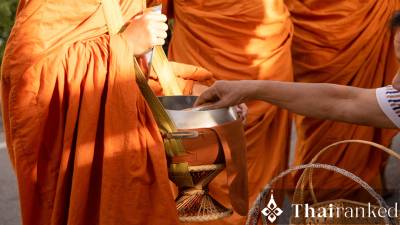
Learn the meaning behind Thailand’s morning alms (Tak Bat), how to respectfully observe or participate, and the best places to witness this beautiful tradition.

Discover the symbolism of core Thai temple rituals like incense offering, candle lighting, chanting, and circumambulation so you can appreciate Buddhist ceremonies.

Discover the must-have lucky charms for the Year of the Horse 2026, from horse-shaped amulets to jade talismans, and their meaning in Thai culture.
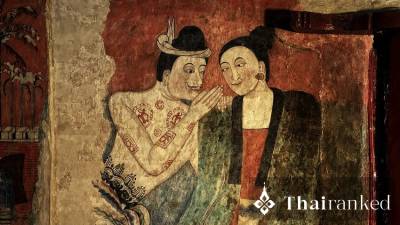
Discover the romantic legend behind the “Whispering of Love” mural at Wat Phumin, Nan. A must-see for couples and culture lovers visiting northern Thailand.
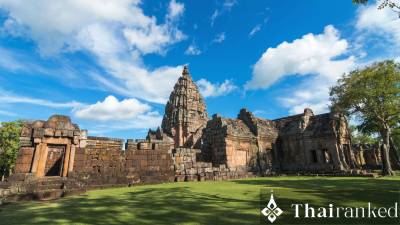
Discover Phanom Rung Historical Park in Buriram, Thailand’s grandest Khmer temple complex, with tips on visiting and what makes it a must-see natural & cultural wonder.