The Rules of Heads and Feet: Thailand Etiquette Guide
March 12, 2026 08:53 AM
Last edited: March 11, 2026

by Thairanked Guide
Thairanked helps you discover great places in Thailand!
Search Hotels & Flights


Why Heads and Feet Matter So Much in Thailand
If you’re new to Thailand, get ready, your body language means far more here than you might expect. Social etiquette in this country is deeply woven into Buddhist and Hindu beliefs, which shape many everyday dos and don’ts. One of the most important things to learn? The rules of heads and feet. Knowing why these matters aren’t just about avoiding embarrassment, sometimes it can even keep you out of trouble.
The Belief: Head is Sacred, Feet are Lowly
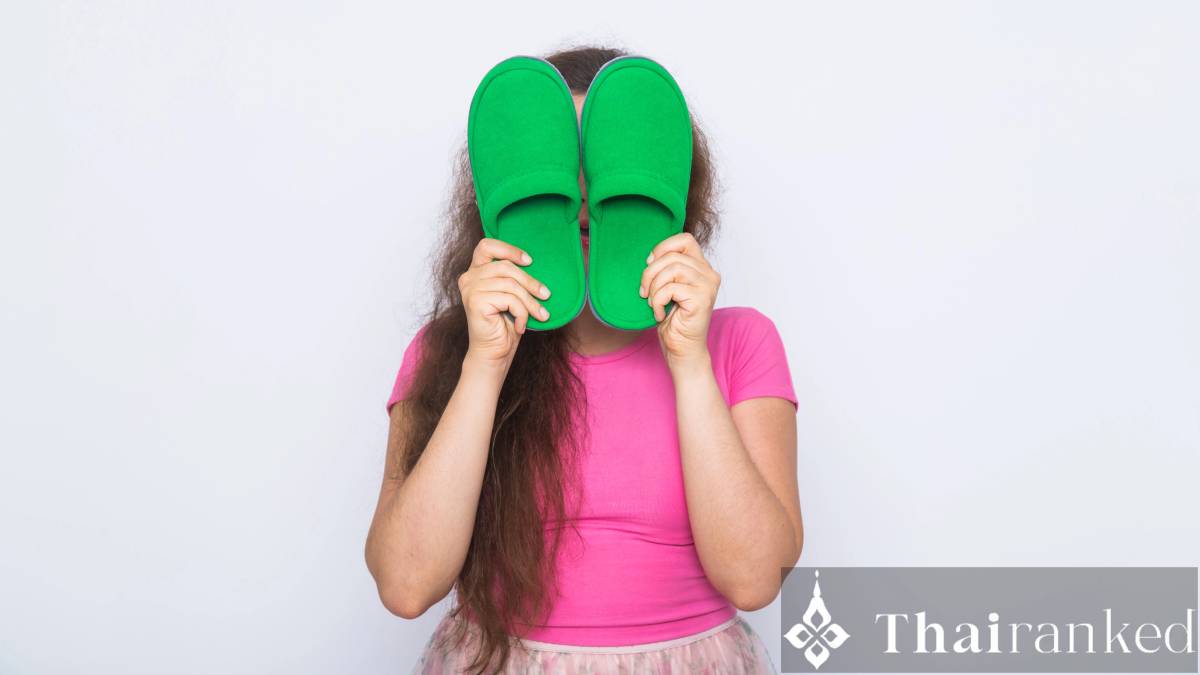
In Thai (and many wider Southeast Asian) traditions, the head and feet aren’t just body parts; they have powerful symbolic meanings. The head is considered the highest, purest part of your body. It’s believed to house your spiritual essence or soul, sitting closest to the heavens. On the flip side, your feet are the lowest and dirtiest part of your body, always touching the ground and the furthest from what is holy or sacred.
These ideas are rooted in a blend of ancient Hindu and Buddhist thought. In temples and homes alike, you’ll find rituals and habits that reflect these beliefs. Disregarding the hierarchy of body parts can easily come across as disrespectful, even if you don’t mean it.
The Golden Rule for Expats: Respect the Head, Mind the Feet
This core principle creates a web of unwritten rules that travelers and expats should be aware of. Violating these, even by accident, can make an otherwise friendly Thai cringe or, in rare cases, really offend someone. Here are the most common pitfalls to avoid:
1. Never Touch Another Person’s Head
No matter how cute that local kid is, resist the urge to ruffle their hair! Touching someone’s head is a big no-no, even among friends or between adults and children. Only parents or monks might lay hands on a head, and it’s usually for a blessing, not play.
2. Feet Off Furniture and Tables!
After a long walk or hike, it might be tempting to kick back and prop your feet up on a coffee table, chair, or seat across from you. In Thailand, don’t do it, even in casual settings. Feet should stay firmly on the floor, never on tables, seats, or public spaces (even in your own home, if you have Thai hosts or friends over).
3. Don’t Point With Your Feet
In some cultures, gesturing with your foot might seem playful or irreverent. In Thailand, it’s a definite no. Never use your feet to point at people, objects, or even worse, Buddha images. This includes nudging items across the floor with your feet or using them to close doors.
4. Don’t Step Over Someone, or Anything Sacred
If people are seated on the floor (like at a temple, wat, or local gathering), always walk around, not over, them, even if you’re in a hurry. The act of stepping over someone is seen as humiliating. The same goes for sacred objects, such as religious texts or monk robes, and even currency that features the King’s image.
5. Never Step on Books (or Money)
Books carry special respect as vessels of knowledge. Accidentally dropping a book or stepping on it (even in a school) is seen as a sign of disrespect. The same is true with money; Thai banknotes have the King’s face on them, so stepping on a stray bill is not just rude but potentially illegal.
Special Situations & Everyday Scenarios
Let’s get into some practical examples you might encounter during daily life in Thailand:
- In a Taxi or Bus: Plan your seat so your feet aren’t pointing at anyone. Cross your legs carefully, and be extra mindful if you’re stretched out in a tuk-tuk or minivan.
- Temple Visits: Inside temples, always kneel or sit with your feet tucked behind you. Never extend your legs toward the Buddha image or monks up front. Read more about temple etiquette here.
- Relaxing at Home: If you’re invited to a Thai home, remove your shoes at the entrance. Don’t rest your feet on low tables or cushions. When sitting on the floor, avoid pointing your feet at people or the shrine area.
- Shopping & Markets: If you drop cash, don’t pin it down with your foot. Instead, bend and pick it up, yes, even if it’s rolling away in the wind!
Why These Rules Matter: Cultural Sensitivity and Social Harmony
To Western eyes, these guidelines might seem overly cautious, but in Thai society, showing respect is everything. Observing these rules signals humility, harmony, and your willingness to honor local customs. Ignoring them can make you stand out as careless at best, or deeply rude at worst.
Thailand is a friendly, forgiving place, but a little extra effort goes a long way. You’ll be amazed by the goodwill you receive when you get these small details right.
Quick Reference: Heads and Feet Taboos to Avoid
- Don’t touch anyone’s head, especially kids.
- Keep your feet off tables, chairs, and benches.
- Never point or gesture at anyone or anything with your feet.
- Avoid stepping over people or sacred objects.
- Don’t step on books, money, or religious artifacts.
What If I Make a Mistake?
First time in Thailand? Don’t worry, Thais are understanding of genuine accidents. If you realize you’ve crossed a line, just offer a sincere apology with a humble smile and a gentle wai (palms together, slight bow). Locals generally appreciate the effort.
Diving Deeper Into Thai Culture
Curious about more Thai etiquette quirks? Check out our guide on the concept of "Kreng Jai" for deeper insights into why Thais value harmony, or read why Thais have quirky nicknames. For a fun local event where etiquette matters, learn all about Thai temple fairs (ngan wat).
Key takeaways
- Respect the head, avoid touching anyone’s head uninvited.
- Feet are considered lowly; don’t use them to point or touch things.
- Keep feet off furniture, books, and religious or royal images.
- Always walk around, not over, people seated on the floor.
- When in doubt, watch and follow local Thais’ body language.
- Apologize graciously if you accidentally break a rule; everyone makes mistakes!
Search Hotels & Flights
Related Insights
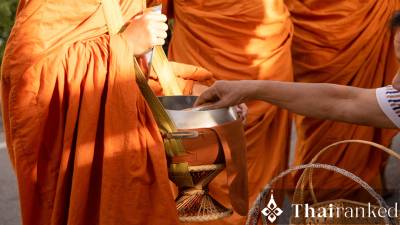
Learn the meaning behind Thailand’s morning alms (Tak Bat), how to respectfully observe or participate, and the best places to witness this beautiful tradition.

Discover the symbolism of core Thai temple rituals like incense offering, candle lighting, chanting, and circumambulation so you can appreciate Buddhist ceremonies.

Discover the must-have lucky charms for the Year of the Horse 2026, from horse-shaped amulets to jade talismans, and their meaning in Thai culture.
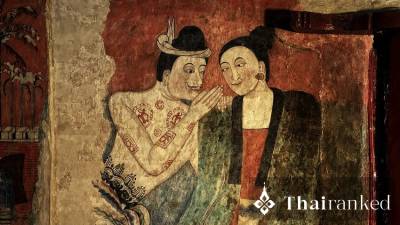
Discover the romantic legend behind the “Whispering of Love” mural at Wat Phumin, Nan. A must-see for couples and culture lovers visiting northern Thailand.
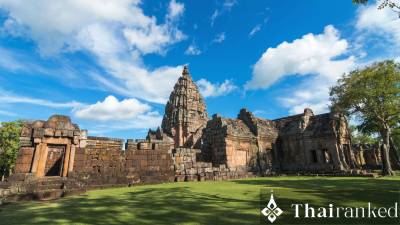
Discover Phanom Rung Historical Park in Buriram, Thailand’s grandest Khmer temple complex, with tips on visiting and what makes it a must-see natural & cultural wonder.