Pharmacies in Thailand: Why You Can Buy Almost Anything?
February 11, 2026 08:20 AM
Last edited: February 05, 2026

by Thairanked Guide
Thairanked helps you discover great places in Thailand!
Search Hotels & Flights
Pharmacies in Thailand: Why You Can Buy Almost Anything?
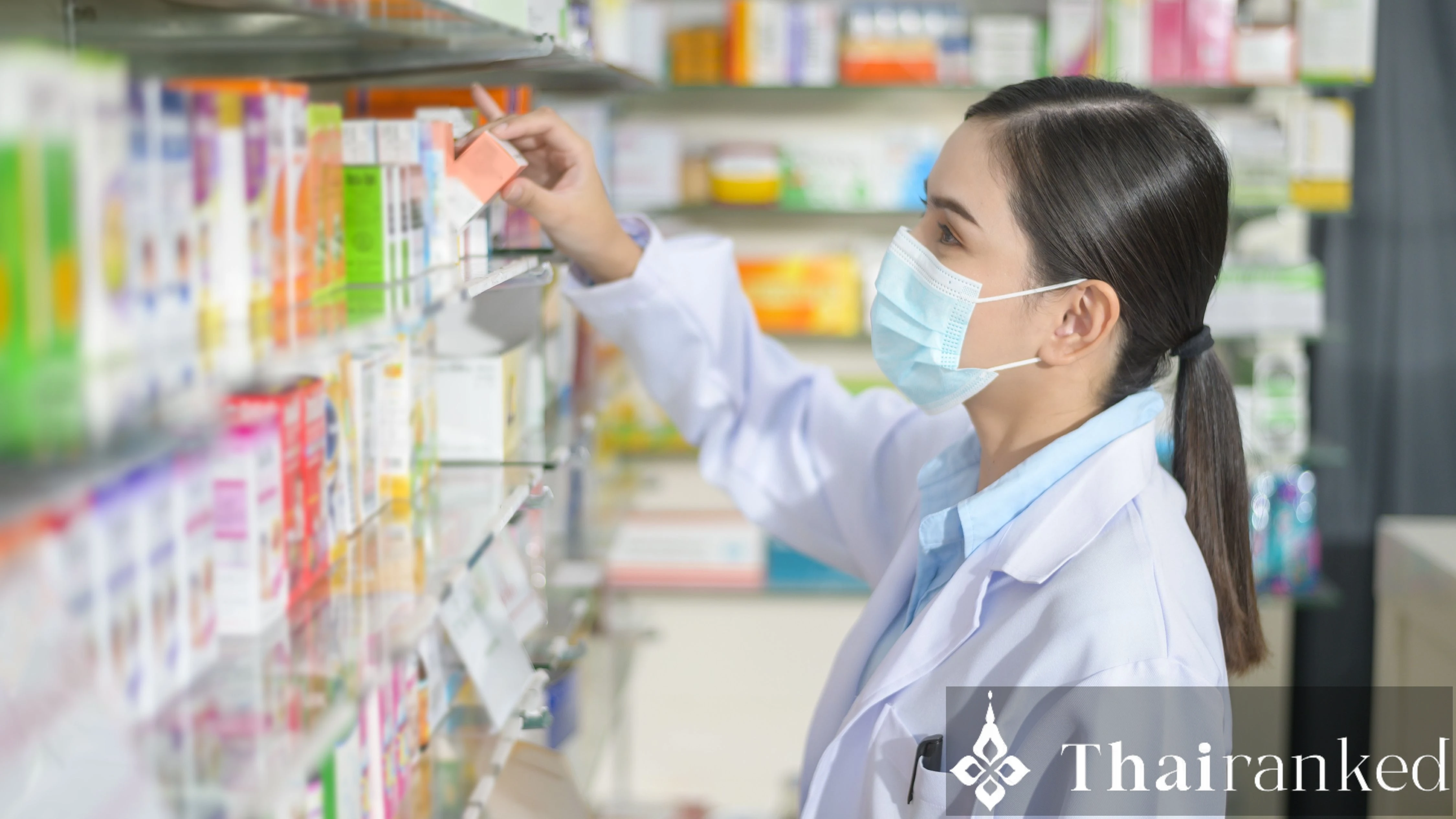
If you’ve spent any time in Thailand, whether as a traveler, an expat, or a long-term resident, you’ve probably noticed how different Thai pharmacies are from those in the West. Step inside one and you’ll see shelves loaded with everything from birth control pills and antibiotics to muscle relaxers, anti-anxiety meds, anti-fungals, and more. You might even walk out, prescription-free, with remedies that would have required a doctor’s visit back home. So why do Thai pharmacies let you buy (almost) anything? Let’s dive into Thailand’s pharmacy culture, legal framework, and why the system is both convenient and sometimes a bit confusing for foreigners.
Why Are Thai Pharmacies So Accessible?
Thai pharmacies operate with a level of accessibility that turns them into more than just pill dispensaries; they’re unofficial first-stop clinics for minor (and occasionally serious) health complaints. Many Thais (and savvy expats) visit the pharmacy before even considering a trip to the doctor. Thailand’s healthcare system is robust, but wait times at hospitals and clinics can be long. Pharmacies help bridge the gap between self-treatment and formal medical care.
Walking into a pharmacy in Bangkok or Chiang Mai, you’ll often chat directly with the pharmacist, describing your symptoms. They may recommend and sell over-the-counter medication, or, in many cases, medicines that are controlled in other countries. This covers:
- Birth control pills and emergency contraception
- Antibiotics
- Anti-inflammatory medications (oral and topical)
- Allergy medicines
- Prescription-strength painkillers (with caution)
- Muscle relaxants, antihistamines, and more
What Can You Buy Without a Prescription?
Perhaps most surprising to foreigners is the casual availability of medicines that would require a doctor’s script back home. Here’s a breakdown of what you can generally purchase without a prescription (but always at the discretion of the pharmacist):
- Common antibiotics (e.g., amoxicillin, azithromycin)
- Birth control pills and morning-after pills
- Dermatological creams (steroid, antifungal, antibacterial)
- Anti-anxiety and sleep medicines (milder ones, stronger meds require a prescription)
- Non-steroidal anti-inflammatory drugs (NSAIDs)
- Allergy medications
It’s not a free-for-all: stronger sedatives, opioids, or psychiatric medications do need official prescriptions. However, the gray area for many other drugs is significantly wider compared to Western countries. The pharmacist’s judgment, training, and willingness to serve as a gatekeeper play a huge role.
The Role of Pharmacies as “Mini Clinics”
Thai pharmacists aren’t just sellers; often, they’re the first medical professional you’ll see. Many are highly trained and will listen to a description of your illness, suggest potential diagnoses, and explain which medicines are appropriate. It’s very common for Thais to trust pharmacy staff’s medical advice for colds, minor injuries, allergies, or even sexual health matters.
If you have something minor like a sore throat, stomach upset, or need advice on dealing with Thai food spiciness, you can expect some practical guidance right at the counter. For routine needs like “the Pill,” it’s simply a matter of pointing to your preferred brand. Thai pharmacists can also recommend topical treatments for insect bites or sunburn, crucial if you’ve spent too long chasing beaches from our best beaches in Thailand guide.
The Legal Framework: Why Is This Allowed?
Thai drug laws technically regulate the sale of prescription medications, but enforcement is less stringent than in some Western systems. There are four categories of drugs in Thailand:
- General sale medicines – e.g., acetaminophen, ibuprofen
- Pharmacy-dispensed medicines – require a pharmacist to oversee the sale, but not a doctor’s prescription
- Prescription-only medicines – technically need a script, but in practice, the pharmacist may issue after a brief consultation
- Narcotics and controlled drugs – strictly regulated, need proper documentation or hospital sourcing
For the middle two groups, the “consultation” with the pharmacist can effectively stand in for a doctor’s consultation. This flexibility is a relic of a time when community pharmacists were often seniors within the local community, trusted for basic healthcare. Today, especially in touristy and urban areas, these rules mean pharmacies are both convenient and a bit of a “wild west” for medication access.
Is It Safe to Buy Everything From a Thai Pharmacy?
This accessibility comes with responsibilities and risks for everyone:
- Self-medication is easy, but it increases the risk of misdiagnosis or improper use (especially true for antibiotics, which can drive resistance if misused).
- Counterfeit drugs are rare in established chains (like Boots or Watsons) but can be a concern in tiny neighborhood shops, so choose modern, licensed pharmacies.
- Lost in translation? Not all pharmacists speak strong English, although those near tourist zones usually do. When possible, write down (or show) the generic names of drugs.
- “Just a consultation” is not full medical care, don’t expect comprehensive exams or lab work from your pharmacy chat!
If you’re unsure, reputable hospital pharmacies and international clinics are your best bet. When it comes to sensitive or serious issues (mysterious rashes, persistent fever, strong painkillers), it’s always best to consult a doctor in a proper clinic or hospital.
Pharmacy Chains vs. Independent Pharmacies
Thailand has both international pharmacy chains (Boots, Watsons, Pure, or Fascino) and independent “mom and pop” shops, often with a green cross or the word "ยา" (“ya”, Thai for medicine). The chains generally offer:
- Better quality control and more standardized service
- Counters with English-speaking staff
- Fixed prices and clear labeling
Local pharmacies, however, often beat chain stores for price and flexible service. Pharmacists in neighborhood shops sometimes carry a wider inventory of “off-list” items or can order in special medications.
Unusual Things You Can Find in Thai Pharmacies
You’ll notice a wider variety of products than the usual pills and ointments. Regularly stocked are:
- Beauty serums, whitening creams, and brightening lotions
- Herbal balms, joint rubs, and traditional Thai muscle liniments
- Nose inhalers (“ya dom”), beloved for clearing stuffy Sinuses and providing an energy “kick.”
- Electrolyte powders, energy tablets, and rehydration salts for Thailand’s heat
- Condoms, lubricants, dental hygiene kits, skincare, and more
How to Approach a Thai Pharmacy as a Foreigner
Here’s some advice to get the most out of Thailand’s unique pharmacy system:
- Bring the generic/active ingredient name if you’re seeking a specific drug
- Be patient if language barriers arise, use Google Translate, or show pictures of the medication
- Discuss symptoms honestly so pharmacists can recommend the safest option
- Stick to established chains if you’re nervous about drug quality
- Don’t hesitate to ask for a receipt and inspect packaging for tampering
Need advice on staying healthy in Thailand’s sun? Check out our guide to the best sunscreens for Thailand’s heat so you don’t end up at the pharmacy for sunburn remedies!
Cultural Quirks & Broader Social Impact
Pharmacies in Thailand aren’t just for medicine: they’re hubs of neighborhood life, quick fixes, and a source of informal health education. The relaxed rules reflect Thai pragmatism, balancing convenience, costs, and access. Thais highly value flexibility, which is why you can grab antibiotics with some explanation and birth control without judgment or delay.
This convenience has real benefits: quick access to birth control supports sexual autonomy, while easy pain relievers mean daily life isn’t disrupted by minor ailments. Still, it’s not without costs. Self-medication culture can lead to antibiotic resistance, misuse, or delay in treating serious illness. If you ever feel uncertain or need clarity about the local rules, a good resource is our Thai Public Holidays blog for planning around potential pharmacy closures.
Key takeaways
- Thai pharmacies act as first-stop clinics, offering advice and access to many medications without a script.
- Birth control, antibiotics, anti-inflammatories, and more are readily available; pharmacist discretion is the key.
- Choose chain pharmacies for quality assurance or mom-and-pop shops for price and flexibility.
- Always consult a doctor or visit a hospital for serious, persistent, or unusual symptoms.
- Use your best judgment with self-treatment, and bring drug names in writing for clarity.
- Check out relevant guides, such as why Thais love nose inhalers, for more about local health culture.
by Thairanked Guide
Thairanked helps you discover great places in Thailand!
Search Hotels & Flights
Related Insights

First time using BTS or MRT in Bangkok? Get clear, step-by-step instructions on how to buy tickets, enter, ride, and exit Bangkok’s popular train systems.

Discover Thailand’s leading private hospitals, how to book appointments, and use international health insurance for high-quality expat medical care.

Practical advice for travelers and expats on managing heat rash (“pung”) in Thailand’s climate. Symptoms, remedies, and how to get help at Thai pharmacies.

Discover practical strategies digital nomads use to prevent and manage burnout while working remotely in Thailand’s vibrant destinations.

Compare taxi, Red Line train, and A1/A2 airport bus from Don Mueang Airport to Sukhumvit. Includes price, time, and convenience to help you choose the best route.
What people ask about
"Pharmacies in Thailand: Why You Can Buy Almost Anything?"
Here you will find answer to the most popular questions.