Lumpini Park Monitor Lizards: Friend or Foe?
February 11, 2026 05:50 AM
Last edited: February 04, 2026
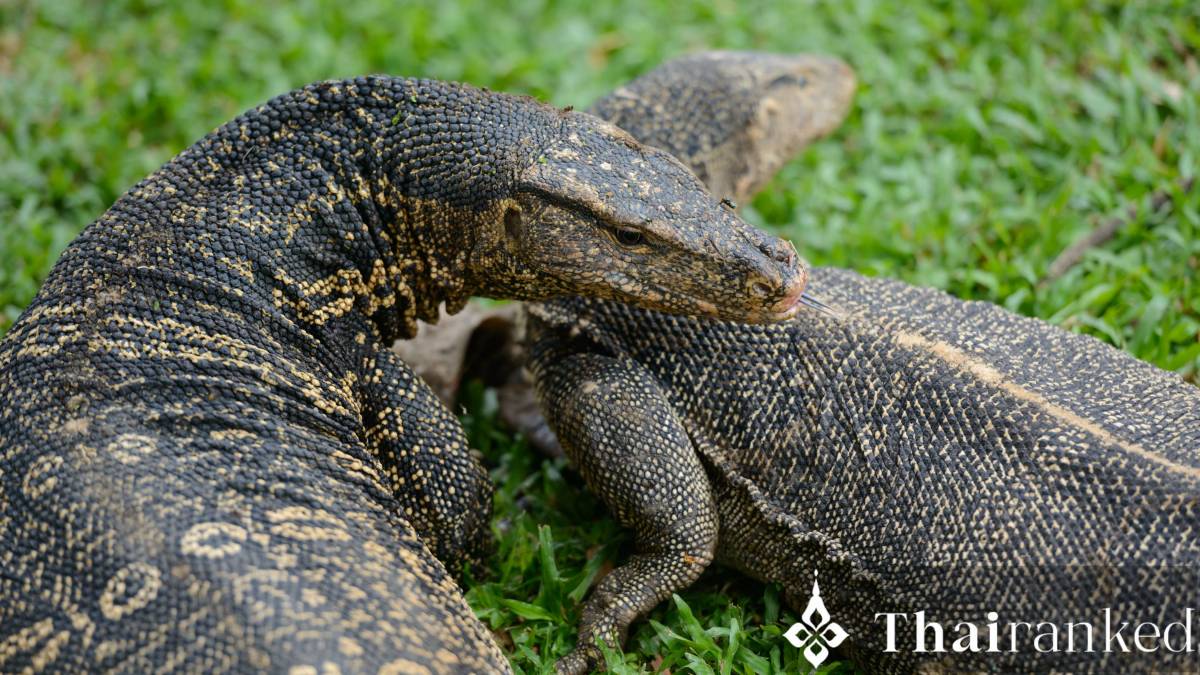

by Thairanked Guide
Thairanked helps you discover great places in Thailand!
Search Hotels & Flights
Related Insights





Lumpini Park Monitor Lizards: Friend or Foe?
If you’ve ever found yourself strolling through Lumpini Park, Bangkok’s iconic green oasis, there’s a good chance you’ve caught a glimpse of one of its most famous and misunderstood residents: the water monitor lizard. These giants, which can grow over two meters in length, roam freely along paths, bask on lawns, and occasionally cause startled tourists to drop their iced coffee. But are these urban reptiles a threat, or do they simply add to the park’s unique charm? Let’s dive into the world of Lumpini Park’s monitor lizards and discover some fascinating facts about these scaly locals.
What Are Lumpini Park’s Monitor Lizards?
The monitor lizards you see in Lumpini Park are mostly Asian water monitors (Varanus salvator). While their impressive size and dragon-like appearance might make them seem intimidating, these animals have been calling Bangkok home for centuries. In fact, Lumpini Park has become one of the best urban spots to observe them—it’s not uncommon to see 20 or more lizards in a single afternoon!
Water monitors are semi-aquatic reptiles found throughout Southeast Asia. They thrive in areas with access to water, which makes the park’s many ponds and lakes an ideal habitat. With their forked tongues, powerful tails, and keen sense of smell, they are perfectly suited to Bangkok’s lush, watered landscape.
Why Are Monitor Lizards in Lumpini Park?
Monitor lizards were not introduced for pest control or as pets. Rather, their presence is natural; Bangkok sits on wetlands historically rich in reptilian wildlife. As the city’s concrete jungle expanded, many species disappeared, but Lumpini’s green spaces remained hospitable. The park’s abundance of water birds, fish, and even leftover human snacks offers plenty of food for these opportunistic eaters.
The monitor lizards also play a subtle but important role in the park’s mini-ecosystem:
- Pest Control: They eat fish, snails, rodents, and even dead animals (acting as scavengers and aiding park cleanliness).
- Indicators of a Healthy Environment: Monitors require clean water sources and thriving prey populations.
- Tourist Attraction: They’re an iconic photo opportunity and an engaging wildlife encounter for Bangkok visitors.
Are Lumpini Park Monitor Lizards Dangerous?
This is the most common concern. For all their size and prehistoric looks, monitor lizards are not aggressive towards humans. They tend to shy away if approached and will typically head straight for the water if they feel threatened.
However, there are a few key things you should never do:
- Do not touch or feed the lizards. Their sharp claws and teeth can inflict severe wounds if provoked.
- Do not corner or chase them. Stress can make even the calmest animal act defensively.
- Don’t allow children or pets to get too close.
Bites from wild water monitors are extremely rare and usually associated with people trying to handle or bother them. The best approach is to keep a respectful distance, close enough for a great photo, but not close enough for a handshake!
Can You Take Photos with Lumpini Park’s Lizards?
Absolutely! The lizards are used to having people nearby and make for striking, memorable wildlife shots. Some tips for ethical and safe photography:
- Use a zoom lens or your phone’s zoom feature when snapping pictures.
- Never try to coax a lizard closer for a selfie.
- Avoid flash photography, which can startle them and other animals.
For more animal etiquette tips in Thailand, check out our guide to monkey etiquette.
Cool Facts About Water Monitors in Lumpini Park
- They can climb trees! Despite their size, water monitors are surprisingly agile climbers.
- They’re strong swimmers. Their tails act like paddles, propelling them quickly through the park’s ponds.
- The Thai nickname: Locals call them "hia" (เฮีย) – but be warned, this word is also rude slang in Thai, often used as a swear word!
- They sometimes visit park benches or paths, but are never tame or used to being touched.
- Protected status: In 2016, city officials relocated over 100 monitors to more remote wetlands due to public complaints, but the population soon recovered naturally.
Why Are Monitor Lizards Sometimes Feared?
Much of the fear comes from superstition and misunderstanding. In traditional Thai culture, monitor lizards have a reputation for bad luck due to the sound of their colloquial name. However, modern Thais are growing more amused by their park antics, making them an unexpected mascot of sorts for Lumpini Park.
Others worry that monitor lizards carry diseases or attack pets. While any wild animal can carry bacteria, the risk is no higher than that of squirrels, pigeons, or other urban wildlife. Practicing standard hygiene, washing hands after handling your camera or phone in the park, is plenty.
Interested in more fascinating urban wildlife and cultural quirks in Thailand? Check out our articles about unusual Thai nicknames or explore the giant guardian statues at Suvarnabhumi Airport.
What Else Makes Lumpini Park a Must-Visit?
While monitor lizards are a unique draw, don’t forget that Lumpini Park offers:
- Peaceful boat rides on the lake
- Shady running and cycling paths
- Morning tai chi and open-air fitness classes
- Seasonal flower displays
- Plenty of local birds, turtles, and fish watching opportunities
If you’re planning a stay nearby, browse a selection of Bangkok hotels to make the park a morning tradition.
If you’re curious for more offbeat and urban Bangkok adventures, our Khao San Road history article gives cool context to another unexpected city highlight.
Key takeaways
- Monitor lizards are harmless if left alone; there's no need to fear, just respect their space
- They help control park pests and keep Lumpini Park’s ecosystem healthy
- Don’t touch, feed, or stress the lizards; enjoy them at a distance for safe, responsible wildlife encounters
- The best snapshot memories come from zoom, not selfies
- Lumpini Park’s lizards are an unforgettable part of Bangkok’s character
Search Hotels & Flights
Related Insights

Planning to get a tattoo in Thailand? Learn how to choose the right tattoo studio with expert tips on artists, hygiene, pricing, and aftercare.

Explore the history of Chatuchak Market, Bangkok's iconic weekend bazaar. Learn about its origins, culture, shopping zones, and visitor tips.

Explore why wellness tourism in Thailand is booming, the hotspots for healing retreats, and must-try spa, detox, and wellness experiences across the country.

Thailand winter guide for Dec–Feb: plain-English monsoon and sea conditions, PM2.5 hotspots, and the best month-by-month picks for the North, Andaman and Gulf.

Are you a "Slow Life" introvert or a "Party Animal" extrovert? From the neon lights of Bangkok to the misty mountains of Nan, find out which Thai province matches your soul.
What people ask about
"Lumpini Park Monitor Lizards: Friend or Foe?"
Here you will find answers to the most popular questions about Thailand.
 Chat with us