E-SIM vs Local SIM in Thailand: The Ultimate Tourist Internet Guide
February 09, 2026 03:00 AM
Last edited: February 04, 2026

by Thairanked Guide
Thairanked helps you discover great places in Thailand!
Search Hotels & Flights
Introduction: Getting Online in Thailand Fast
Staying connected is essential for travelers in Thailand, whether you’re sharing street food snaps, booking a Grab ride, or navigating night markets. In 2026, tourists can choose between two main ways to get internet on their phones: buying an e-SIM before they leave home or getting a local SIM card (such as TrueMove or AIS) when they arrive at the airport. But which is better for speed, cost, and convenience, especially if you want fast 5G?
What’s the Difference? E-SIM vs. Local SIM Basics
E-SIM: A digital SIM you purchase online and install onto a compatible phone. No physical card needed.
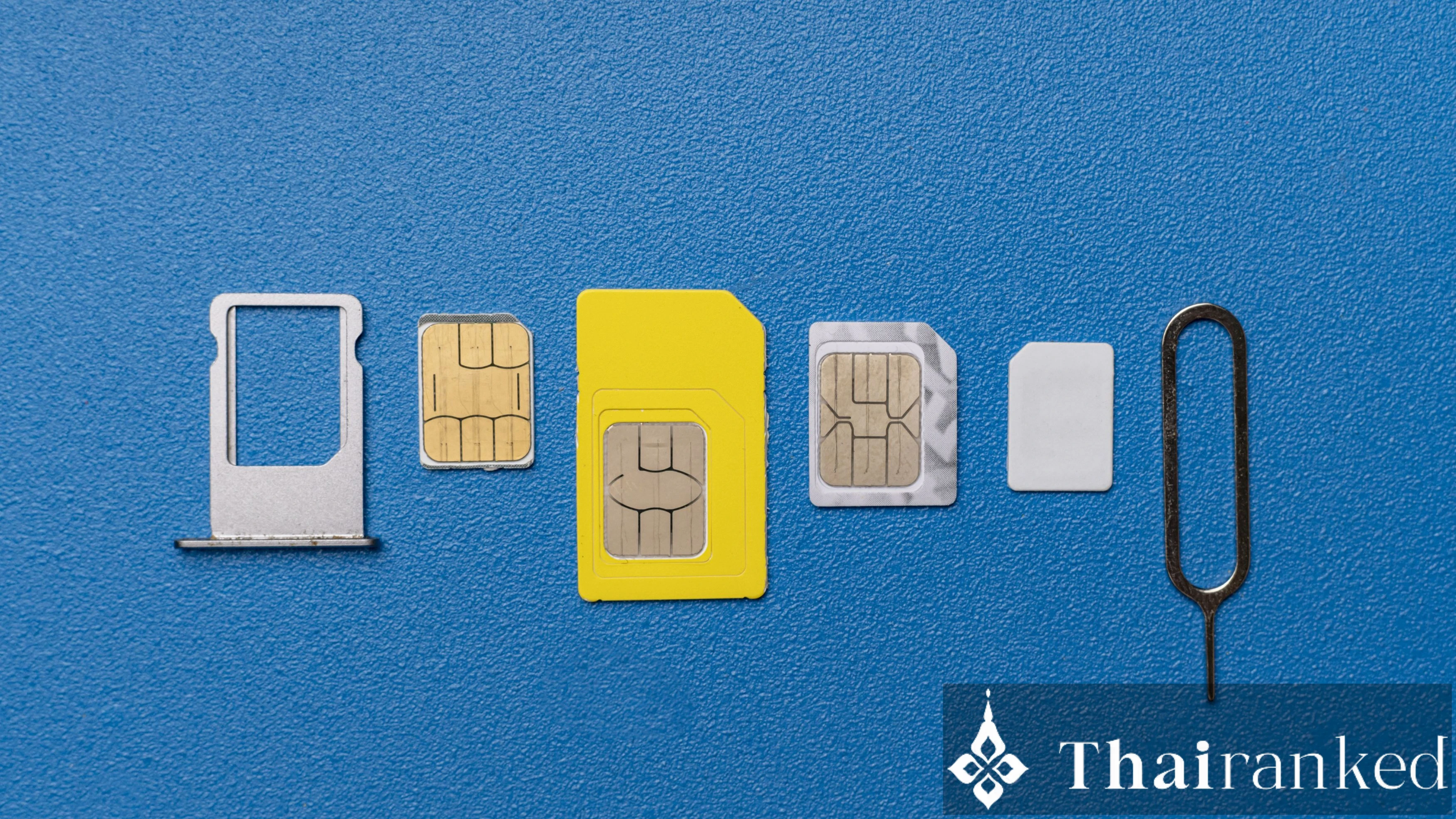
Local SIM: A physical plastic SIM card you buy at a local store or airport. Pop it in your phone, and you’re set.
Both offer 5G connectivity with Thailand’s major operators, AIS, TrueMove H, or DTAC. Let’s dive into the real-world comparison.
1. Cost Comparison: E-SIM vs. Local SIM in Thailand
Buying an E-SIM From Home
- Prices (2026): $8–$20 USD for 7–30 days unlimited data, depending on provider.
- Many E-SIM brands (Airalo, Holafly, Nomad, etc.) use the TrueMove or DTAC networks, sometimes as resellers.
Pros: Buy and set up before landing. No lines or language barriers on arrival. Immediate coverage on touchdown.
Cons: E-SIM plans from global providers often cost more. Some don’t include Thai phone numbers (data-only). Customer support from abroad might be slow if you have issues.
Buying a Local SIM at the Airport
- Airport kiosks from AIS, TrueMove, and DTAC have tourist SIM packages ready for tourists.
- Typical price at Bangkok (BKK) 2026: 299–799 THB ($8–$22 USD) for 7-30 days, unlimited 5G data, and local calls/texts.
- Hotel, mall, and 7-Eleven branches also sell these, sometimes even cheaper than airport counters.
Pros: Usually the best deal for data + local calls/SMS. Full access to Thai 5G networks with local support. Sometimes extra perks (local discounts, tourist deals).
Cons: You’ll need to show your passport. SIM swap at the airport can mean waiting in line, especially during busy arrival times. If you arrive late, counters may be closed at some smaller airports.
Which is Cheaper?
For most tourists, the cost of data is very similar, around $10–$20 USD for a month of unlimited 5G. However, airport SIM deals often beat e-SIM, especially when you want a true unlimited plan, local calling, and customer service. If your trip is shorter, an e-SIM might be just a dollar or two more for the convenience, especially if time is money for you.
2. Speed & Coverage: Get the Fastest 5G in Thailand
Thailand’s mobile networks (AIS, TrueMove H, DTAC) all offer genuine 5G speeds in Bangkok, Chiang Mai, Phuket, Pattaya, and most major tourist spots. But not all plans are created equal. Here’s what to watch for:
- Local SIMs from AIS/TrueMove H: At the airport, you get direct access to the main network, full 5G speed, reliable coverage, no speed caps, and local support.
- E-SIM (International Provider): Some e-SIMs resell network access and may prioritize local customers in congested areas, slightly slowing peak hour speeds. Read your provider’s fine print about speed limits or “fair usage” policies.
- E-SIMs from Operators: Some big telcos (True/AIS) now offer their own tourist e-SIMs (often available on their websites). These are the best of both worlds: local rates and local-level speeds, without the middleman markup.
For the absolute fastest, most reliable internet (especially if you’re uploading YouTube videos or streaming), a local SIM directly from AIS or TrueMove at the airport wins. For most Instagram and WhatsApp users, the difference is minor but worth noting if you’re a power user.
3. Convenience & Troubleshooting: Which is Hassle-Free?
E-SIM Pros
- No need to physically swap SIM cards or risk losing your home SIM.
- Instant activation before traveling. Land at BKK and you’re online while waiting for immigration.
- Some dual e-SIM phones let you keep your home number active while using local data.
Cons: If you run into trouble (activation woes, APN settings), support may be slow, international customer service can be tricky if you hit network snags in Thailand.
Local SIM Pros
- Kiosks and counters at Suvarnabhumi, Don Mueang, Phuket, and Chiang Mai airports all provide English support and will install the SIM and set up your phone for you.
- Switching plans, topping up, or getting help is easy at 7-Eleven, Family Mart, and malls.
- Physical local SIMs are reliable, with clear contacts for service issues.
Cons: Airport lines can get long. Need your passport. You’ll be juggling SIM card trays (bring a pin or use the staff’s help).
4. What About Buying at 7-Eleven, Malls, or Tourist Areas?
You can get Thai SIMs almost anywhere, convenience stores, mall kiosks, and even some night markets. Prices may be lower than at the airport, but English support and plan options are best at the airport.
If you want a more local feel or better bargaining, pick up a SIM in the city or mall after arrival. For quick, stress-free access, the airport is your best bet as soon as you land.
Extra Tips for Tourists: Getting the Most From Your SIM in Thailand
- Check your phone compatibility: Must be unlocked, and e-SIM ready if you choose digital!
- Know your needs: Heavy video calls/Netflix? Get a true unlimited plan. Light users may save with capped plans.
- Top-up ease: With local SIMs, you can top up at 7-Eleven. For e-SIM, top-ups depend on your online provider.
- Traveling long term? Consider local postpaid or extended tourist plans for bigger data allowances.
- Extra phone number: Want to use Grab, Line, or get local OTP/text verifications? Only local SIMs give a Thai number by default; many e-SIMs are data-only.
For Digital Nomads & Techies: Dual SIM, Hotspot, and Unlimited Everything?
Many new phones in 2026 offer true dual-SIM/e-SIM usage, so you can keep your home number and use Thai data together. If you’re working remotely or traveling in Southeast Asia, it’s smart to compare regional Asia e-SIM plans versus local SIMs for each country. But for simplicity and local support, we still recommend getting a Thai SIM upon arrival.
Which Should You Pick? Summary Table
CategoryE-SIMLocal SIM Price (7-30 days)$8–$20 (higher for some brands)$8–$22 (airport/mall/7-Eleven) 5G SpeedGood, but local priority sometimesFull local priority Ease of SetupDone from home, instantAt airport on arrival, kiosk installs for you Thai Phone NumberOften data only (no local number)Yes, included Top-up/SupportOnline only, overseas supportEverywhere locally, English help Useful Extras for Your Trip
- Need a hotel for your first night in Bangkok? Check out Bangkok hotels at Trip.com.
- Already in the city? See our guide for things to do in Bangkok when bars are closed.
- If you want to get out and explore, check the best national parks to visit in Thailand or find the best motorbike rentals in Phuket for your trip south.
Key takeaways
- For cost and fastest 5G speeds: Local SIMs at Thai airports (AIS/TrueMove) are still the best deal and offer the most reliable performance.
- For time and convenience: E-SIMs are insanely convenient but may be slightly pricier and often data-only.
- Heavy data users & digital nomads: Prefer SIMs with unlimited genuine 5G from local operators for peak speed and coverage.
- Need a Thai number or local support? Only a local SIM gives you a real Thai number and walk-in assistance everywhere.
- For short stays or late arrivals: E-SIM is the easy choice, get online as soon as your plane lands.
by Thairanked Guide
Thairanked helps you discover great places in Thailand!
Search Hotels & Flights
Related Insights

Practical advice for travelers and expats on managing heat rash (“pung”) in Thailand’s climate. Symptoms, remedies, and how to get help at Thai pharmacies.

Discover practical strategies digital nomads use to prevent and manage burnout while working remotely in Thailand’s vibrant destinations.

Compare taxi, Red Line train, and A1/A2 airport bus from Don Mueang Airport to Sukhumvit. Includes price, time, and convenience to help you choose the best route.

Discover sound bath and singing bowl therapies in Thailand. Explore how sound healing is shaping the future of Thai wellness and where to try sessions.
Learn how to buy a Rabbit Card in Bangkok and link it to your mobile banking app for easy top-ups. Skip BTS ticket queues and ride stress-free.
What people ask about
"E-SIM vs Local SIM in Thailand: The Ultimate Tourist Internet Guide"
Here you will find answer to the most popular questions.