Muay Thai: Tradition, Respect, and the Music of the Ring
May 08, 2026 06:37 AM
Last edited: May 08, 2026

by Thairanked Guide
Thairanked helps you discover great places in Thailand!
Search Hotels & Flights

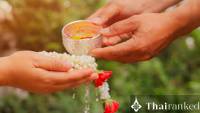
Muay Thai: Centuries of Faith, Honor, and Rhythm
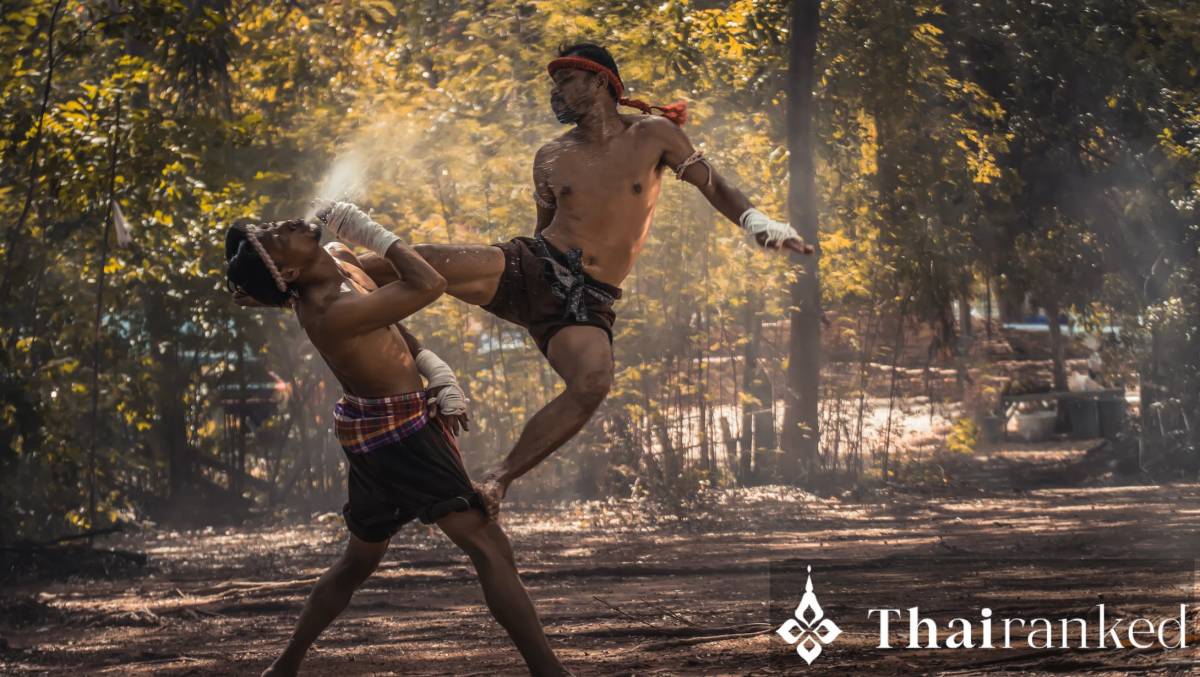
Muay Thai, Thailand’s national sport, draws crowds with power and lightning-fast kicks, but the spirit of muay forms before the fight starts. Step into any stadium or camp. Rituals, costumes, and the hypnotic sound of ancient music signal a tradition built on respect for teachers and the rhythm guiding each bout.
Homage to Teachers Shapes Every Fight
In Thailand, respecting teachers grounds everything, from classrooms to sports. Muay Thai brings this belief into sharp focus. Every fighter, young or old, pays homage to their teacher, or khru, through a ritual called wai khru ram muay. This pre-fight dance honors the gym’s founder, past masters, and trainers, acknowledging the lineage behind each step into the ring.
Paying respect isn’t a technicality. Join a gym in Bangkok, Chiang Mai, or a rural village, and your trainer guides you in wai khru as soon as training gets serious. Bowing three times and circling the ring, you show humility, gratitude, and readiness to fight for your teacher’s name. Each gym adapts the dance, blending tradition with personal flair, but the core message stays intact: no one stands in the ring alone.
The tribute continues after the first fight. Fighters return each year to thank their trainers, bringing fruit, flowers, or incense. Some even visit their teacher’s home on Wai Khru Day, a national holiday celebrating educators in all fields. Respect doesn’t end with the match. For a look at Thai cultural connections across holidays and festivals, explore A Guide to the 10 Most Popular Festivals in Thailand.
The Sacred Symbolism in Wai Khru Ram Muay
This ritual functions as both ceremony and warm-up. A fighter circling the ring draws from Buddhist and Hindu belief, inviting blessings from spirits and teachers, seeking protection, and mentally sealing off the fighting space against misfortune. The mongkhon (headband) and prajioud (armbands) often come from a gym founder, parent, or teacher, tying personal history to every step. Trainers remove these sacred items just before the fight, marking the change from student to warrior on the canvas.
Spectators witness wai khru ram muay as visual meditation, each gesture weighted with meaning. To understand other Thai ceremonies and what rituals signify, see What Thai Temple Rituals Mean.
Piphat Music: The Heartbeat of Muay Thai
Watch a match and music stands out. The piphat ensemble, with its piercing oboe (pi java) and complex drumming, shapes the atmosphere. It starts slow and steady, matching the wai khru, and builds in pace during the fight, turning urgent as fighters clash.
Musicians set the energy in the stadium and control the tempo of the action. The high, wavering notes of the pi java stir the senses, while drums drive the crowd and fighters. Fighters pick their moment using the music’s rhythm,when to strike, dodge, or hold back power. Even foreign fighters find themselves swayed, learning to fight in sync as the tempo rises. If the piphat ensemble falls silent, so does the action. Music and movement remain connected from the first bell to the last.
If you’re curious about where to catch this immersive experience, check out our Bangkok’s Best Night Markets for cultural events that sometimes feature live music and boxing exhibitions alongside street food and shopping.
Piphat Traditions: An Orchestra Rooted in Ritual
Piphat belongs to Thai ceremonial music, found in temple fairs and sacred rites. The instruments,ranad ek (xylophone), ching (finger cymbals), khlong khaek (drums), and pi java,have defined Thai culture for centuries. Before Muay Thai gained global fame, this music marked milestones in daily village life, weddings, funerals, harvest festivals, always layering in blessings and requests from spirits.
Many stadiums invite seasoned musicians, some third-generation, who master subtle tempo changes that transform a match from sport to sacred theater. To see more of Thailand’s musical and cultural heritage, consider a trip to Bangkok’s best museums.
Respect in Everyday Thai Life
Respect and tradition shape Thai society beyond the ring. Teachers hold honor across all fields. Ceremonies and tributes appear in schools, universities, and even businesses. Reverence for those passing on knowledge unites people in a shared value system. Learn a few respectful gestures,the wai greeting or the way to hand something to an elder,and you’ll open doors, both in and out of the ring. The importance of etiquette continues in everyday life; read more in The Rules of Heads and Feet: Thailand Etiquette Guide.
More Than a Fight: Living Thai Culture Through Muay Thai
Tourists admire the spectacle of elbows, knees, and knockouts. For Thais, Muay Thai is living culture. The student-teacher bond, the rhythm of piphat, and the weight of ritual build identity reaching far beyond the ropes. Training or spectating, noticing these details unlocks a deeper layer of Thai heart. Find out more about experiencing authentic culture in our Ultimate Backpacking Guide Across Thailand.
Ready to see the action in person? Stadiums nationwide stage Muay Thai nights that honor fighters and musical heritage. For a Bangkok visit, you can book a hotel through Trip.com or explore even more Bangkok activities for traditional music and festivals as well as fight nights.
Music threads through Thai public life year-round. For more on major holidays linking music, blessing, and respect, check our history of Thai New Year post, or see Ultimate Guide to Thailand’s Songkran Music Festivals for event tips.
Key takeaways
- Muay Thai honors the teacher-student bond through the wai khru ram muay ritual.
- Piphat music directs mood and action inside the ring.
- Gestures like bowing and presenting offerings preserve traditions.
- Music and ritual connect Muay Thai to wider Thai cultural practices.
- Respect for teachers shapes behavior in sports, education, and daily Thai life.
Search Hotels & Flights
Related Insights
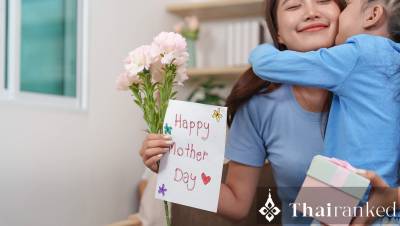
Discover why Thai Mother's Day falls on 12 August, the connection to Queen Sirikit's birthday, traditions like jasmine garlands, and ways visitors can join in.
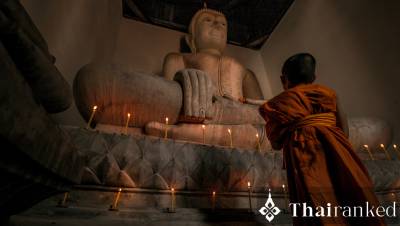
Explore Thailand's Khao Phansa, the three-month Buddhist Lent. Learn origins, temple rituals, candle festivals, and traveler tips for respectful visits.
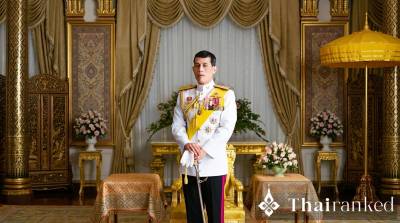
Explore the history of King Rama X's birthday, how Thailand honors July 28, royal ceremonies, religious rituals, public customs, and tips for visitors and expats.
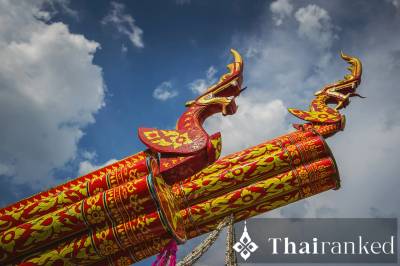
Discover the fascinating legend and history behind Bun Bang Fai, Thailand’s explosive Rocket Festival that launches homemade rockets to awaken the rain gods.
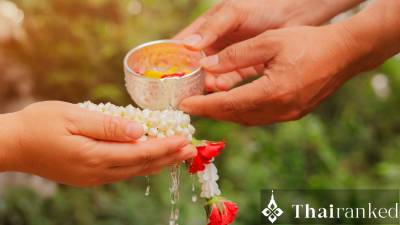
Discover how to celebrate Songkran the traditional way: Buddhist blessings, merit-making, and customs, no water fights required!
What people ask about
"Muay Thai: Tradition, Respect, and the Music of the Ring"
Here you will find answers to the most popular questions about Thailand.