The Real History of Thai New Year (Songkran)
April 06, 2026 03:18 AM
Last edited: April 06, 2026

by Thairanked Guide
Thairanked helps you discover great places in Thailand!
Search Hotels & Flights
Related Insights
Songkran: Thailand’s True New Year Revealed
Ask anyone about Songkran and the first thing you’ll hear is “water fights.” Streets turn into rivers of splashing, smiling chaos as the country welcomes the Thai New Year. Visitors and residents travel for the festivities, filling cities, rural villages, and even temple grounds. But the roots of Songkran run much deeper than the super-soakers or wild parties suggest.
Sanskrit Origins: From Ancient Calendar to Modern Festival
Songkran borrows its name from the Sanskrit word "saṅkrānti," which marks the movement of the sun from one zodiac sign to another. In the traditional Thai lunar-solar calendar, Songkran signals the sun’s entry into Aries, heralding new beginnings. For centuries, this seasonal transition marked a time for reflection, renewal, and honoring family, rather than raucous street battles.
Thailand once followed its own Buddhist calendar, with Songkran as the main turning point. Farmers saw it as the true year’s end and the beginning of the annual agricultural cycle. While the official New Year date changed to January 1 in 1941, Songkran carried on, holding its spiritual and communal place in Thai hearts.
The Meaning Behind Water: Cleansing, Respect, Renewal
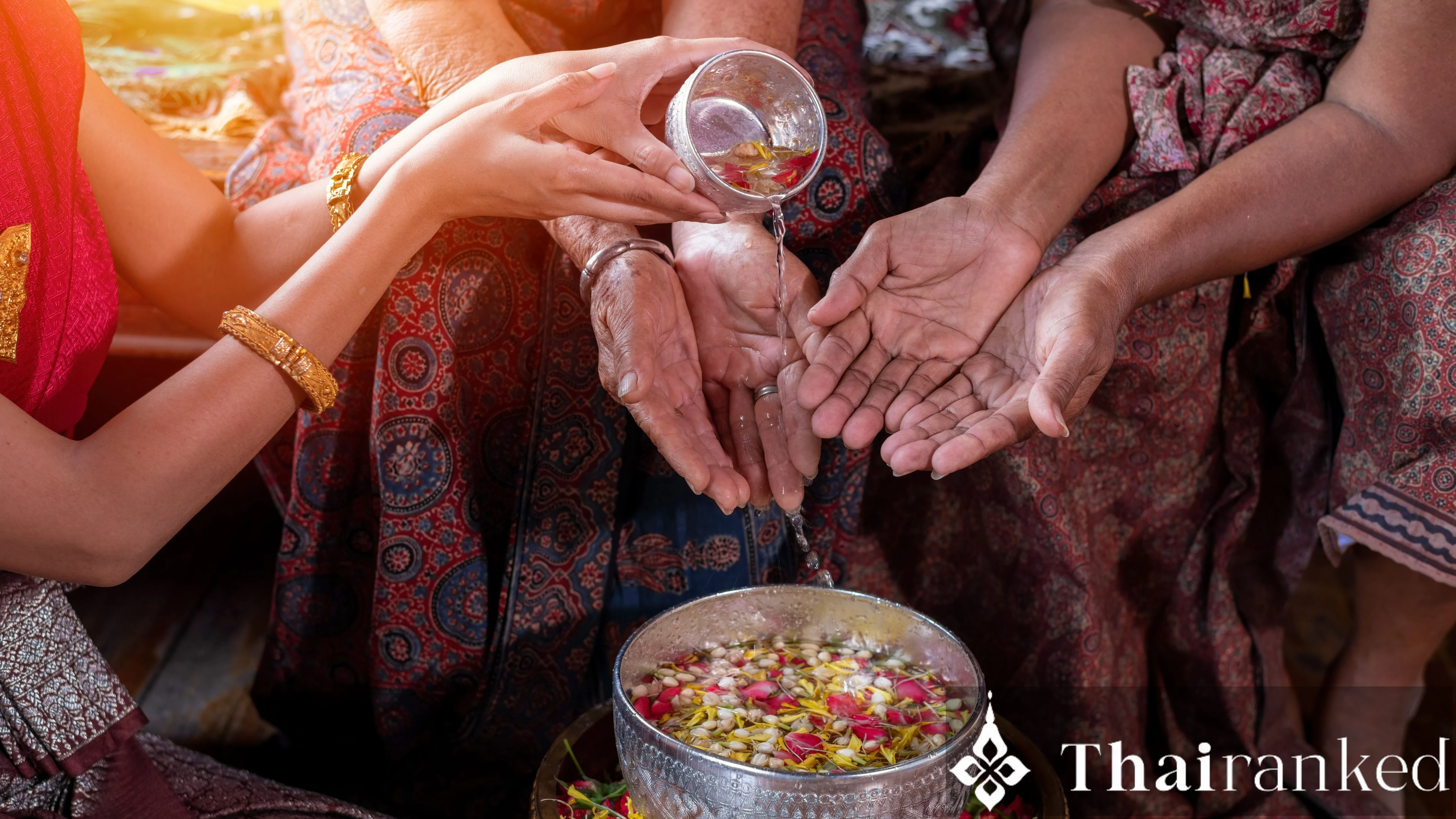
Every splash at Songkran has a deeper meaning. In the old days, Thais would gently pour fragrant water over the hands of elders and Buddha statues. This ritual symbolized the washing away of the past year’s misfortune and bad luck. Water brought blessings, good health, and spiritual cleansing, not a soaking.
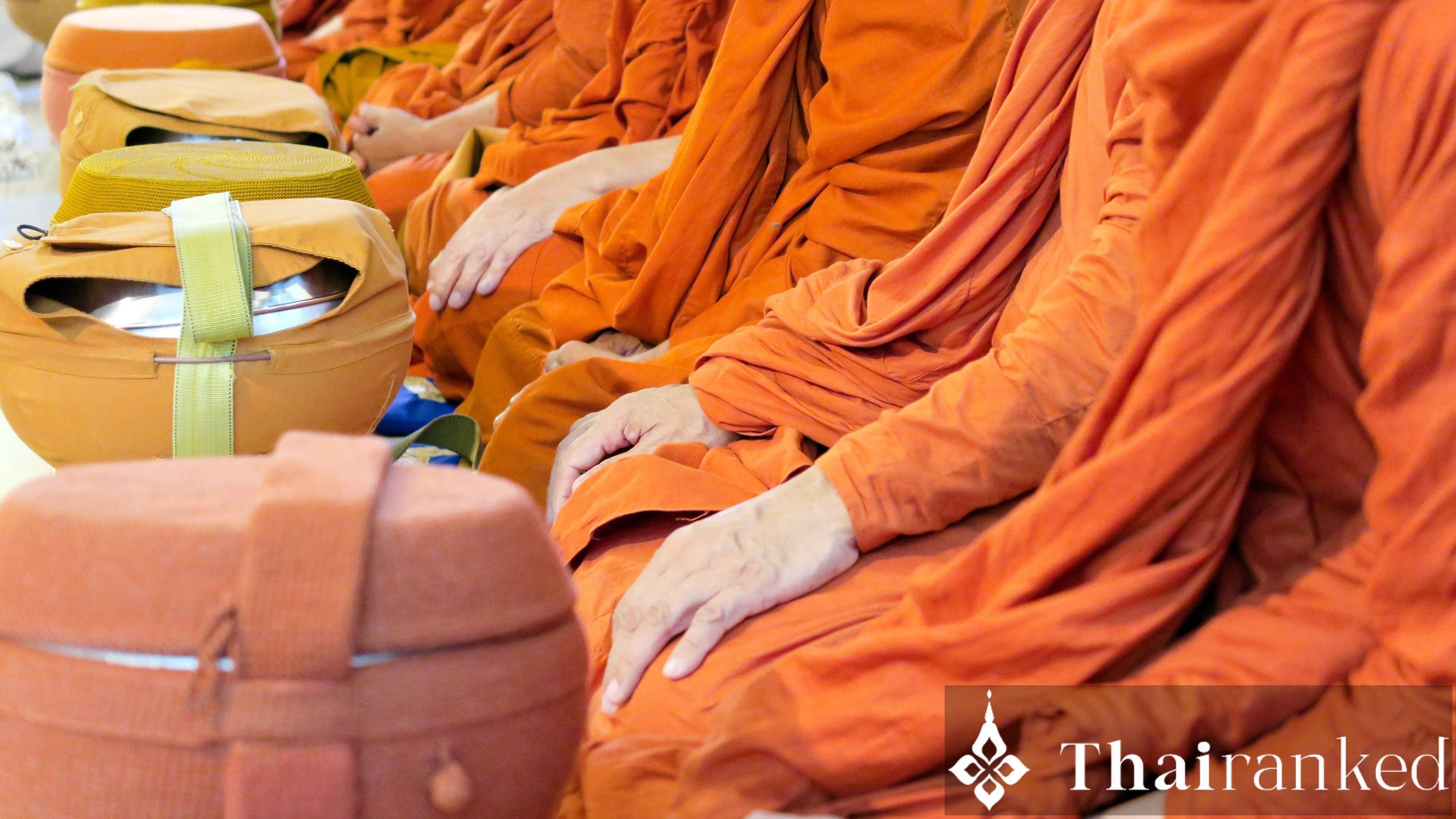
Today’s playful street water fights evolved from these reverent rituals, blending spirit with spectacle. But the core values remain: respect for elders, gratitude, and a wish for a clean start. You’ll still see families gathering to perform "rod nam dam hua", paying respects to elders with scented water and exchanging blessings. At temples, Thais bathe Buddha images with water infused with jasmine petals and marigolds, seeking favor for the year ahead.
Thai New Year Traditions: Much More Than Splashing
Songkran spans three official days, April 13 to 15, but celebrations stretch across a week in some regions. Each day holds its own customs:
- April 13 (Maha Songkran): The old year ends. People clean their homes, sweep out dust, and prepare for renewal.
- April 14: Family and community day. Loved ones gather, share meals, and perform religious merit-making like giving alms to monks.
- April 15 (New Year's Day): Thais pay respect to elders, perform water pouring rituals, and visit temples for blessings. Many release fish or birds as acts of kindness and hope for good karma.
Different provinces add their own flavor. In Chiang Mai, Songkran rivals any festival on Earth, with processions, flower parades, and age-old dances. For a deeper look, see our Chiang Mai Flower Festival guide, which sometimes overlaps with Songkran.
Songkran Through the Regions
Head north, and you’ll spot sand pagodas known as "chedi sai." Locals haul sand to temple grounds, symbolically returning dirt carried away on their feet during the year. In Isan, villagers tie white strings around each other's wrists, a tradition called "bai sri su kwan," for luck and connection. Down south, Songkran celebrations tend to be a bit quieter with more focus on Buddhist rituals than big water spectacles.
Learn more about how Pattaya and Chiang Mai put their stamp on Songkran. Coastal cities host sandy beach festivities, while Bangkok’s Khao San Road becomes a world-famous splash zone. For a glimpse at how this street transformed into a backpacker magnet, here’s the story behind Khao San Road.
Buddhist Roots: Making Merit and Honoring the Dead
So much of Songkran centers on earning merit, "tham bun," and on remembrance. Many pay respects at local wats, offer flowers, and pour water over Buddha statues. The act isn’t decorative but deeply spiritual, cleansing misfortune and symbolizing good deeds flowing forward. Families dedicate prayers and food offerings to ancestors, asking for protection and guidance for the living.
In recent years, you’ll find more emphasis on the spiritual origins, as many Thais look to reclaim the festival’s meaning against the backdrop of tourism-driven party scenes. Across the country, you can join local communities for temple fairs and merit-making. For a primer on these events, check out our Thai Temple Fair guide.
Modern Songkran: From Reverence to Ritual Mayhem
Urban Songkran matches the tempo of Thailand today: joyous, a little chaotic, and adaptable. Young Thais have injected new life into the traditions with elaborate water guns, DJ parties, and street parades. Bangkok, Pattaya, and Phuket host some of the wildest events, sometimes stretching the official three days into a week of fun. Yet, nearly everywhere you can find quiet corners where elders lead traditional blessings and children pour water at their grandparents’ feet.
Many visitors forget that the water festival is as much about community and healing as about fun. The festival brings far-flung relatives back home, gives neighbors a chance to reconnect, and recharges spirits after the dry season. It also marks the hottest time of year, another reason the water feels so welcome.
Changing with the Times: The Songkran of Tomorrow
While tourism and popular culture have dialed up the energy, from foam parties in night districts to nationwide music festivals, Songkran’s message holds steady. The festival adapts but never loses its link to gratitude, familial bonds, and new beginnings.
Thailand’s government and cultural leaders help keep the balance. Many cities now set "safe zones" for families, encourage eco-friendly water use, and protect the rituals at the heart of the celebration. For a practical look at how to prepare, don’t miss our list of essential items you need for Songkran.
Songkran and You: Joining with Respect
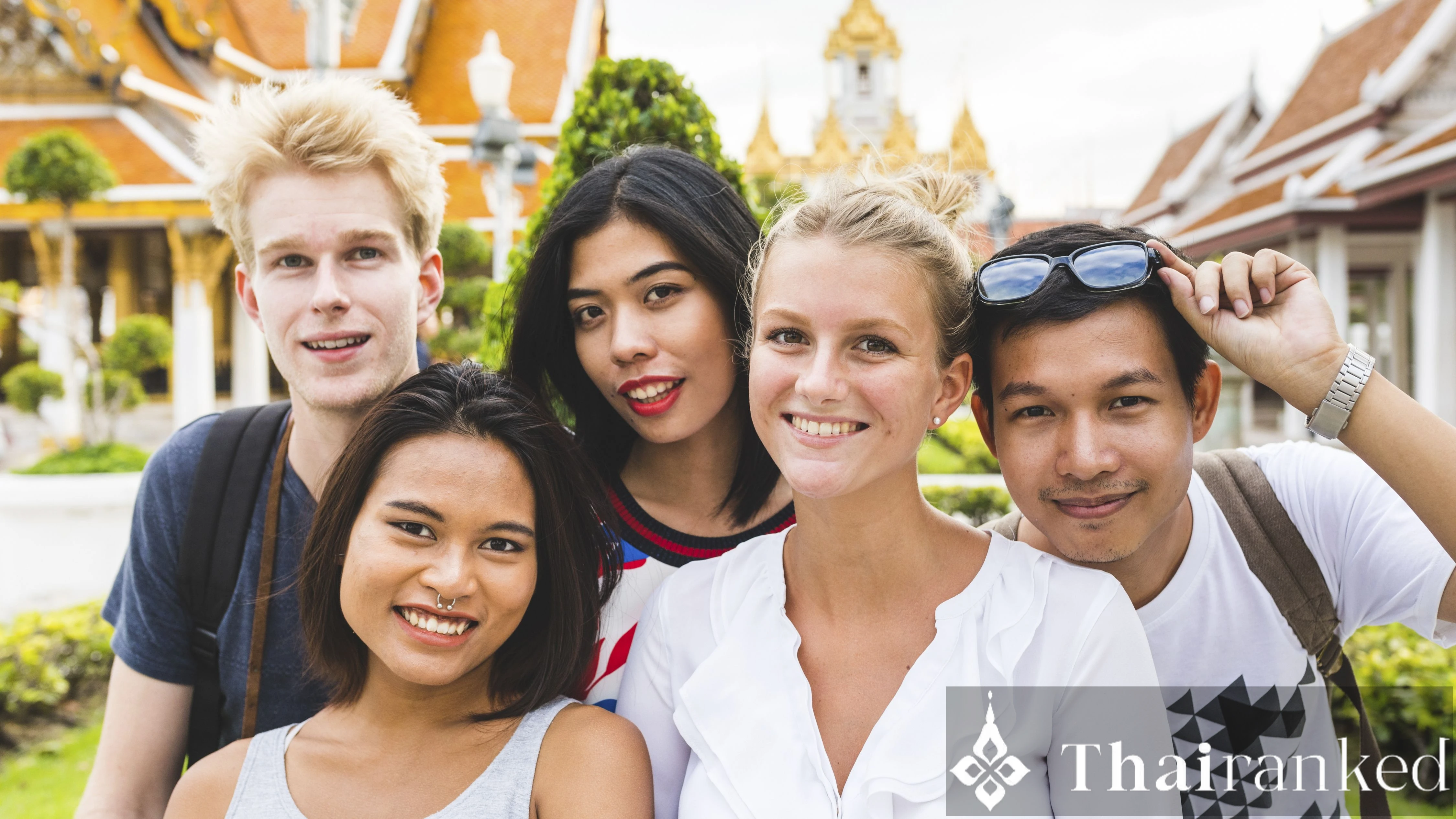
Joining Songkran as an outsider means entering a centuries-old tradition. Respecting local customs and rituals deepens the experience. Start the day by visiting a wat to watch morning merit-making. Offer a gentle pour of water to elders before heading into the street for some fun. Refrain from targeting monks, food stalls, or passing motorbikes. Bring a smile and an open heart, not just a big water gun.
Key takeaways
- Songkran began as a spiritual festival rooted in renewal, respect, and ancient calendars.
- Water rituals symbolize cleansing misfortune and blessing loved ones for the year ahead.
- Each region honors Songkran a little differently, mixing Buddhist rituals with playful traditions.
- The festival has adapted to tourism and modern life but keeps its core focus on gratitude and togetherness.
- Visitors who join with understanding and respect will find Songkran unforgettable and deeply meaningful.
by Thairanked Guide
Thairanked helps you discover great places in Thailand!
Search Hotels & Flights
Related Insights
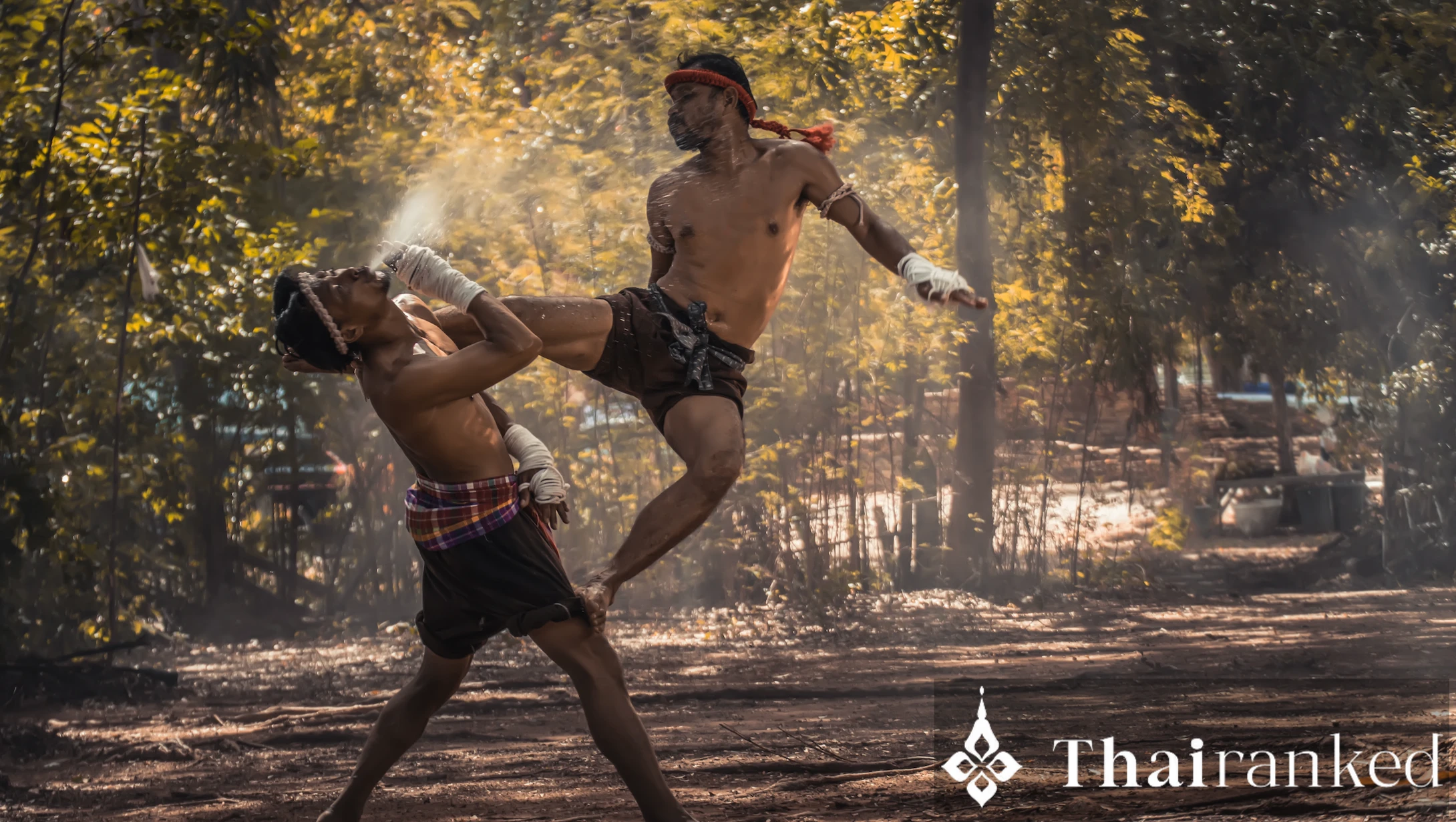
Discover the cultural heart of Muay Thai, the teacher tribute and sacred piphat music that move every fighter beyond the ring.
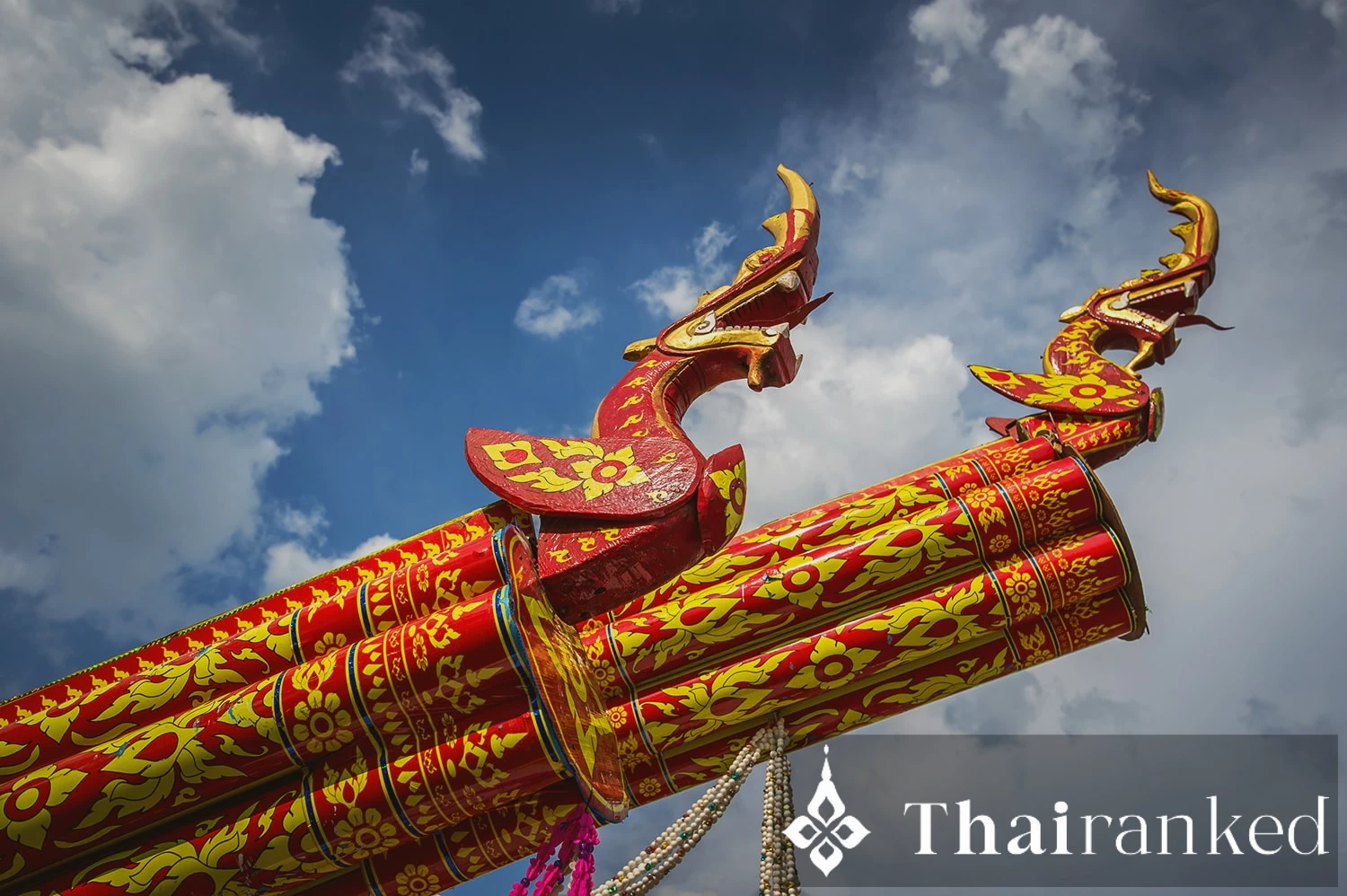
Discover the fascinating legend and history behind Bun Bang Fai, Thailand’s explosive Rocket Festival that launches homemade rockets to awaken the rain gods.
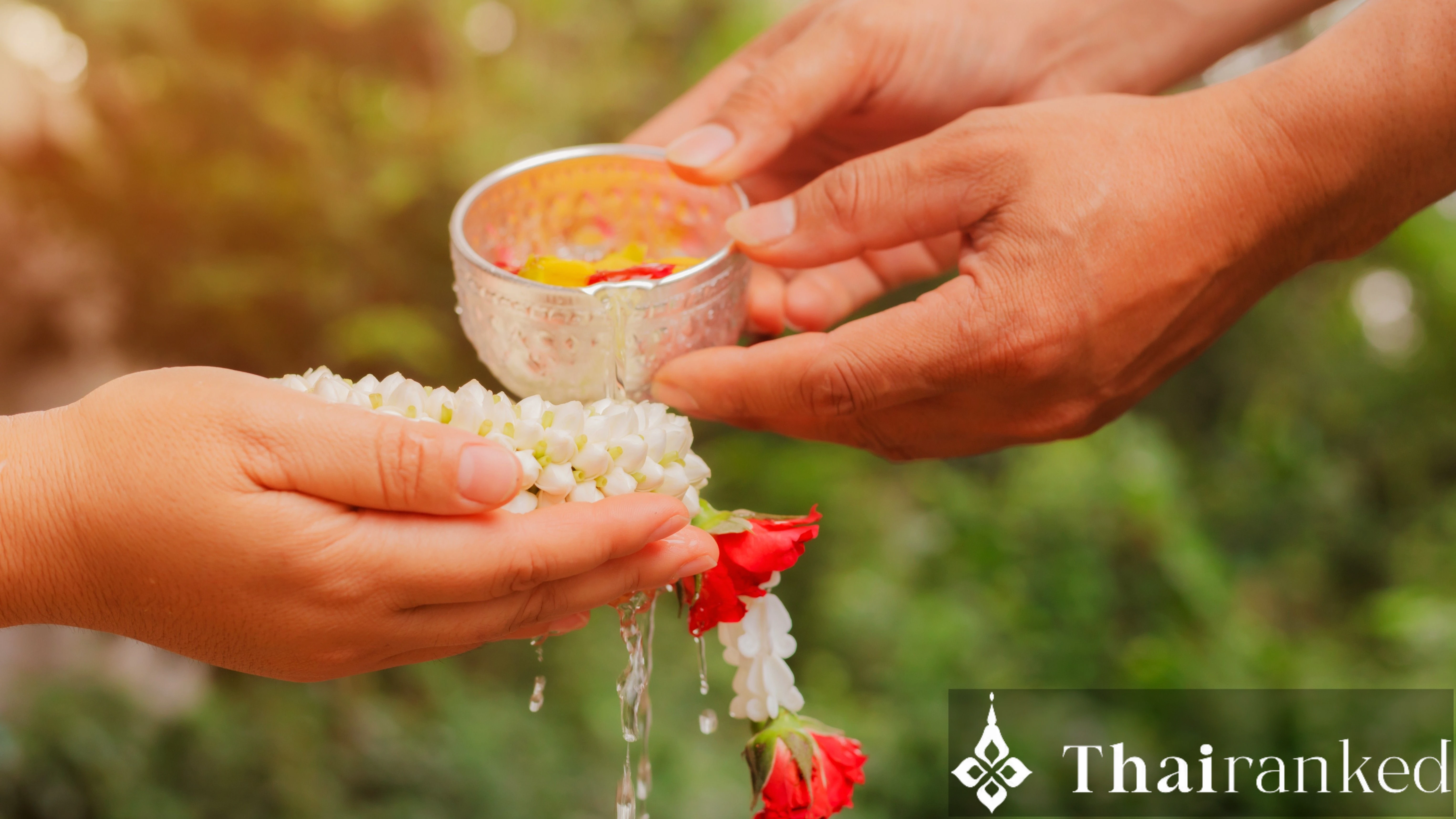
Discover how to celebrate Songkran the traditional way: Buddhist blessings, merit-making, and customs, no water fights required!
Discover Makha Bucha, Thailand’s first major Buddhist holiday, its miracle story, teachings, and essential Thai traditions, making merit and candle processions.
Discover the true meaning of “farang” in Thailand. Is it offensive, neutral, or affectionate? Unpack the word’s origins and expat realities in Thai culture.
What people ask about
"The Real History of Thai New Year (Songkran)"
Here you will find answers to the most popular questions about Thailand.