From Taipei to Thailand: How Bubble Tea Conquered Bangkok
January 06, 2026 06:59 AM

by Thairanked Guide
Thairanked helps you discover great places in Thailand!
Search Hotels & Flights
Related Insights

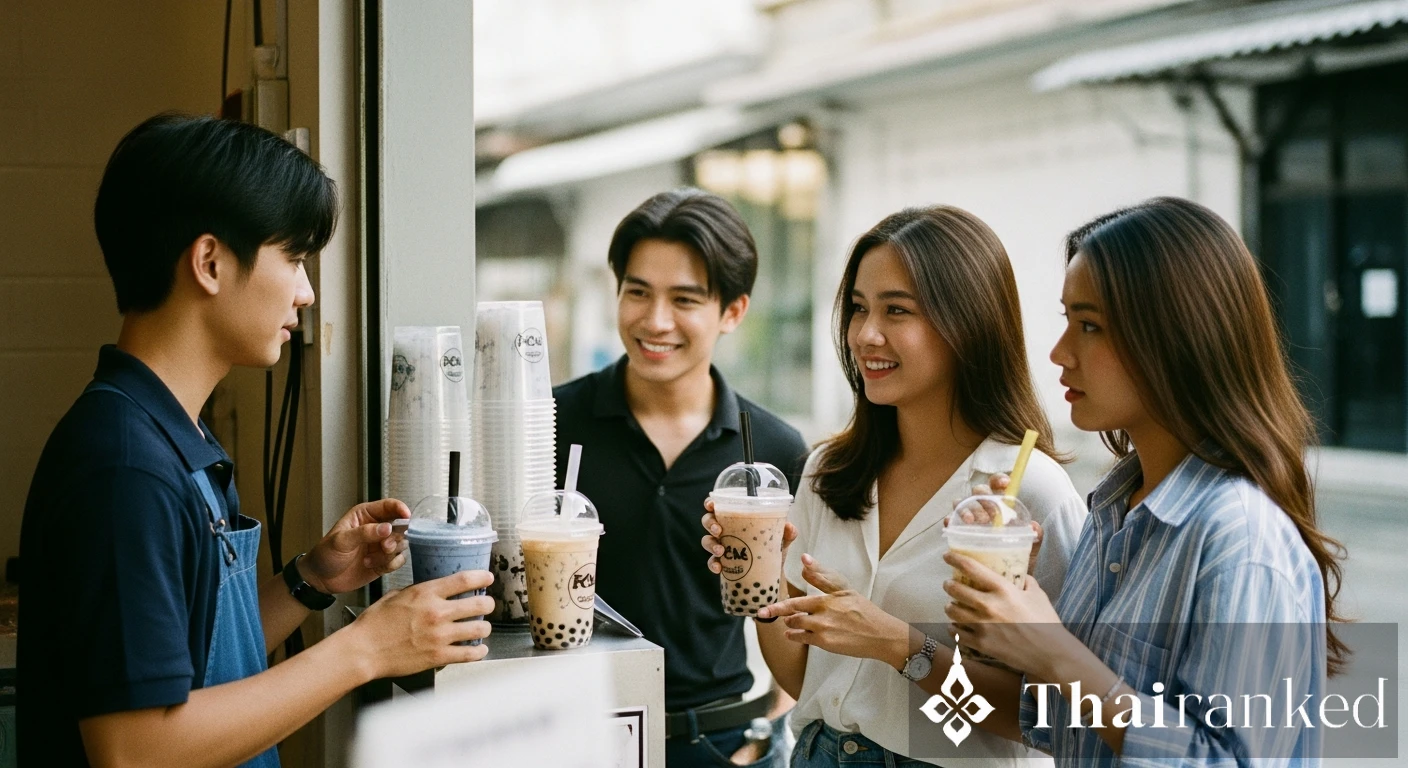
The Birth of Bubble Tea: From Taipei Roots to Global Phenomenon
Bubble tea, known as “boba” in some parts of the world, is a drink with humble beginnings in 1980s Taiwan. Invented when traditional sweet milk tea was combined with chewy tapioca pearls, it quickly became a trendy treat. Chiang Shui Tang tea house in Taichung is often credited with inventing bubble milk tea, and it wasn’t long before other Taiwanese tea shops experimented with recipes, adding fruit, jelly, and creative flavors. As Taiwan’s unique beverage culture flourished, bubble tea made its way across Asia and then the world.
Bubble Tea Arrives in Thailand: Early Days and Local Adaptation
The bubble tea craze reached Thailand in the late 1990s and early 2000s. At first, most shops stuck closely to traditional Taiwanese flavors—milk tea, taro, matcha, and standard black tapioca balls (boba). Enthusiastic Thai youngsters were early adopters, and by the mid-2000s, local chains and imported franchises began to expand rapidly in Bangkok’s malls and shopping streets.
But soon, Thai tastes began to influence the trend. Thailand’s food culture—playful, intensely flavored, and fond of experimentation—was the perfect breeding ground for bubble tea’s next evolution. Local influences weren’t just about flavor. Thailand’s sticky hot weather made icy, sweet drinks an everyday comfort, and boba shops soon turned cold tea beverages into a mainstay of Bangkok street culture.
How Thai Tastes and Ingredients Transformed Bubble Tea
Unlike Taiwan’s more straightforward milk tea, Thailand’s beverage scene is a rainbow of flavors, textures, and fragrant notes. Once boba was embraced, it was only a matter of time before Thai elements took over. Here’s how local tastes shaped Thailand’s signature bubble teas:
- Thai Tea Base: Deep orange, creamy, and subtly spiced, Thai tea (cha-yen) is iconic. Bubble tea shops began using this as their base, creating Thai milk tea boba, now one of the most popular local flavors.
- Palm Sugar Syrup: Sweetness matters in Thai desserts. Bubble tea stores swapped out white sugar or honey for earthy, aromatic palm sugar syrups that give Thai-style boba its unique richness.
- Pandan Flavors: Pandan leaf, with its grassy aroma, features in many Thai sweets. Pandan-infused pearls, jellies, and even milk have become staple ingredients in Thai bubble tea shops.
- Coconut and Herbal Additions: Coconut jellies, grass jelly, basil seeds, or even lemongrass make frequent appearances in Thai boba concoctions.
- Level-up Toppings: With Thai creativity at play, toppings like brûléed cheese foam, whipped matcha, or even kanom krok are not uncommon.
This creative collision of cultures produced drinks you simply can’t get anywhere else—a fact that has helped put Bangkok on the global bubble tea map.
Key Timeline: How Bubble Tea Took Over Bangkok (and Beyond)
- 1990s: Early Taiwanese and Japanese bubble tea brands pop up in tourist-frequented Bangkok malls.
- 2002-2005: First local chains like "Ochaya" and “ChaTraMue” incorporate Thai teas into their menus.
- 2010-2014: Global giants arrive—KOI Thé and The Alley open flagship stores. Instagram helps bubble tea go viral among Thai youth.
- 2016: Thailand’s DIY drink customizations explode. Cheese tea, brown sugar pearls, and layered drinks hit the market.
- 2018: The “premium boba” craze begins. Lines form for brand-new Taiwanese imports like Tiger Sugar and Jenjudan.
- 2020: Thailand’s homegrown boba entrepreneurs compete on creativity and local flavors. Thai tea with boba gains an international following thanks to foodie influencers.
- 2023–Today: Bubble tea is a lifestyle, not just a drink. You’ll spot collaborations with Thai fashion, pop-up art installations, and even delivery apps for custom concoctions at every price point.
Bangkok alone now boasts thousands of bubble tea stalls, from legendary chains in shopping megamalls to tiny startups slinging wild limited editions in street markets.
Bangkok’s Must-Try Bubble Tea Shops & Signature Drinks
Curious where to try some of Thailand’s best bubble tea? Here are a few must-visit places:
- ChaTraMue: Thailand’s own legendary tea brand, famous for its Thai milk tea with pearls—strong, sweet, and aromatic.
- Fire Tiger by Seoulcial Club: Known for their bruléed cream cheese foam paired with Thai and pandan teas.
- Koi Thé & The Alley: Imported from Taiwan, but innovating with local Palm sugar brown pearls.
- ATM Tea Bar: Trendy Bangkok spot serving highly customizable, photogenic boba drinks featuring Thai herbs and seasonal fruits.
- Pearl Milk Tea Old School Stalls: You’ll find hidden gems, especially in Chatuchak Market or Silom Road, where the boba takes on a street food vibe.
Bubbling beneath the surface is also a responsible trend: some new shops have introduced reusable containers and sustainable packaging in response to the plastic waste crisis—something conscious travelers appreciate.
Bubble Tea Beyond Bangkok: Nationwide Trends
Bangkok sets the tone for Thailand’s bubble tea scene, but boba fever runs from Chiang Mai to Phuket. In university towns, creative shops offer boba drinks at student-friendly prices, while southern destinations infuse tropical flavors like coconut and mango.
Even Thailand’s southern hubs host their own boba fests, and along the beach, you’ll spot fruit-infused teas and thick coconut foams chilling in the sun. Boba has also found a home at Thai festivals—don’t miss out on creative seasonal concoctions at events like Songkran or Loy Krathong. For more on Thai celebrations, check out our festival guide.
Why Bubble Tea Became a Thai Pop-Culture Icon
Bubble tea’s massive popularity in Thailand is rooted in a perfect cultural fit: an obsession with iced drinks, a fondness for sharing photogenic foods, and Thai culinary creativity. Boba culture here continues to evolve, fueled by K-pop, J-pop, and uniquely Thai trends. ID-card discounts, super-sweet versions aimed at teenagers, and “collect them all” cup designs have helped bubble tea become both a snack and a social signal.
If you want to snag the trendiest boba (and a few Instagram likes), Bangkok is truly the place to sip, snap, and savor.
Key takeaways
- Bubble tea has roots in 1980s Taiwan but gained new life thanks to Thai local flavors like Thai tea, palm sugar, and pandan.
- Bangkok played a crucial role in bubble tea’s regional and global success, inspiring creative new drinks and shop experiences.
- Famous Thai chains, unique street stalls, and imported brands all compete in Bangkok, offering an endless variety of boba options.
- Boba culture continues to thrive throughout Thailand, shaping new drink trends and forging connections with young Thais.
- Look for sustainable and creative twists—like reusable cups or local festival specials—as the next phase of the Thai bubble tea journey.
by Thairanked Guide
Thairanked helps you discover great places in Thailand!
Search Hotels & Flights
Related Insights
Avoid bad luck this Chinese New Year! A complete guide to the Dos and Don'ts in Thailand, from wearing red and giving oranges to the strict ban on cleaning and using scissors.
Learn the meaning behind Thailand’s morning alms (Tak Bat), how to respectfully observe or participate, and the best places to witness this beautiful tradition.
Discover why Thais put heart stickers on their shirts for Valentine’s Day. Unpack the adorable school tradition and how Thailand celebrates this romantic holiday.
Discover the true meaning of “farang” in Thailand. Is it offensive, neutral, or affectionate? Unpack the word’s origins and expat realities in Thai culture.
Discover the meaning of "kreng jai" (เกรงใจ) in Thai culture, why Thais hesitate to say no, and how it shapes politeness, hospitality, and communication.