Bangkok’s EV Motorcycle Taxi Revolution & Global E-Bike Boom
February 17, 2026 05:43 AM

by Vincent Thairanked
Long time expat in Thailand, loving the food and activities option Thailand has to offer.
Search Hotels & Flights
Related Insights

Bangkok’s Big Move: The “EV for Win Riders” Project Explained
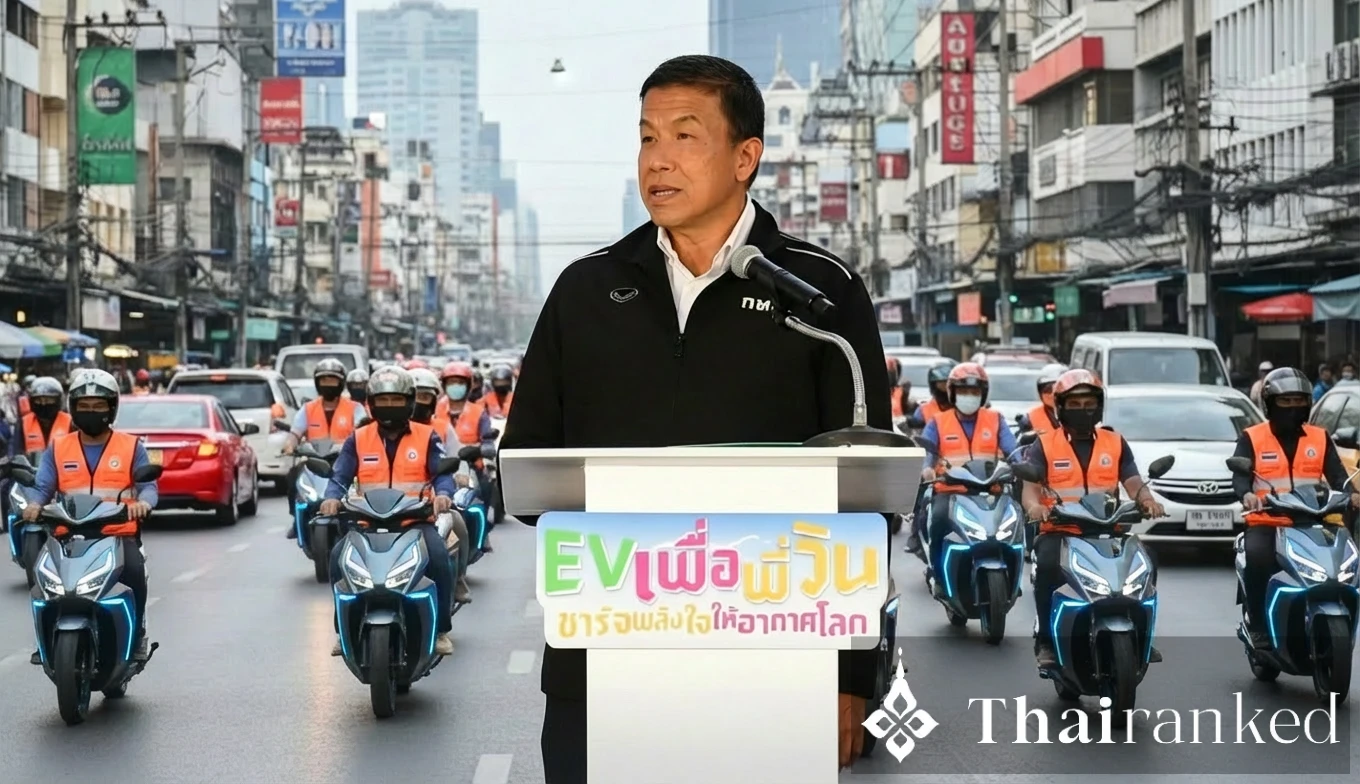
Bangkok’s streets are about to get a lot quieter—and a good deal cleaner. The new “EV for Win Riders” project, launched by the dynamic Bangkok Metropolitan Administration (BMA) with support from agencies like Germany’s GIZ and King Mongkut’s University of Technology Thonburi, is set to fast-track the shift from gas-guzzling motorcycles to eco-friendly electric bikes (EVs).
This innovative pilot isn’t just about cleaner air. It’s designed to make the lives of thousands of Bangkok’s iconic motorcycle taxi riders (win motosai) easier and more affordable, while positioning the city as a leader in urban mobility innovation—both regionally and worldwide.
Why Motorbike Taxis Matter in Bangkok’s Urban Ecosystem
With more than 89,000 motorcycle taxi riders spread across 5,300+ stands, Bangkok’s win network is the circulatory system for local travel. These drivers are essential not just for last-mile transport—they are also a crucial piece in the city’s effort to reduce air pollution. According to studies, the current fleet spits out 80,000–100,000 tonnes of CO2 annually. That’s as much PM2.5 pollution as burning 3,800 rai of rice fields or running 2,000 of Bangkok’s oldest red buses for a year.
It’s a heavy burden for a city already battling seasonal smog, especially in high-traffic areas like Din Daeng and Phaya Thai.
EV Rental & Charging: Testing a New, Affordable Model
The core of the EV for Win Riders pilot is simple: make it easy for riders to try electric motorcycles without up-front costs. The project’s lease-to-ride model only costs 75–140 baht per day. Participants receive both battery charging and swapping options to minimize downtime—a big deal when your income depends on constant movement.
Initially, over 200 riders and even some city street sweepers will test the system. After a month, data on savings, usability, and maintenance will guide the next steps. Thirty stand-out riders will roll out EVs for real-world service—even more valuable feedback for city planners and environmental advocates.
Global Surge: How E-Motorcycles Are Revolutionizing Urban Mobility Worldwide
Bangkok isn’t alone. Cities from Jakarta to Berlin are rapidly electrifying their two-wheeled transport. Here’s a look at some global statistics and facts on the EV motorcycle trend:
- Global sales of electric motorcycles and scooters topped 12 million in 2022 alone, with Asia Pacific accounting for the vast majority of growth. (Source: International Energy Agency)
- China leads the world with over 300 million registered electric two-wheelers, dominating everything from delivery services to ride-hailing.
- India is on a rapid rise, with EV two-wheeler sales in 2023 surging past the 850,000 mark—and incentives pushing further adoption each quarter.
- Europe is catching up: Countries like France, Germany, and the Netherlands are seeing annual electric bike sales double year-over-year. In some urban centers, registrations for new petrol bikes have already been surpassed by electrics, thanks to aggressive emission-reduction policies.
- Global analysts expect the e-motorcycle market value to exceed $30 billion by 2030, nearly tripling from 2023 figures. (Source: Fortune Business Insights)
- Battery swapping, as piloted in Bangkok, is a hot trend in countries like Taiwan, India, and Indonesia because it addresses key pain points for taxi and delivery fleets: charging time and daily range.
Cost Savings: Why Drivers Are On Board
The big draw for riders is economics. Consider this:
- Fuel can eat up over 100 baht per day per rider—multiply that by weeks or months, and the savings from charging an e-bike (often as little as 30 baht per day) add up fast.
- Maintenance is less of a headache on electric bikes; fewer moving parts mean fewer breakdowns and longer service intervals. Maintenance savings can reach 25–40% compared to conventional bikes.
- Some cities (like Jakarta) have seen riders' monthly operational costs drop by as much as 50% after switching to EVs, even before factoring in government incentives.
With these numbers, the “marathon” that BMA Governor Chadchart describes is starting to look like a relay race, with each participating city passing the baton toward a cleaner, more economical future.
Bangkok’s Next Steps: Toward Cleaner Air and Greener Streets
Bangkok’s pilot comes at a tipping point. The Thai government has already committed to aggressive electrification across all vehicle sectors, part of broader net-zero and public health goals. For motorcycle taxis, the impact could be transformative—not just for the air city-dwellers breathe, but for the steady incomes of riders supporting families and communities.
The city is also investing in public education, incentives, and technical support, in partnership with sustainability advocates like Porphrom Vikitsreth and institutions like the MOVE Centre. Data from the pilot will help Bangkok scale the transition—potentially making it a model for other dense Asian cities grappling with similar mobility and air quality issues.
The Bigger Picture: How Tourists, Expats, and Locals Win
For expats and long-term residents, cleaner air and quieter streets translate to a higher quality of life. Tourists benefit, too—imagine sightseeing without the usual noise and exhaust. All this lines up with broader moves to make Thai cities world-class destinations for business, living, and sustainable travel. If you want to experience these changes firsthand, you can check out the most convenient areas to live in Bangkok or dive deeper into tracking air quality with Bangkok’s best pollution apps.
If you’re curious about where sustainable transport meets local life, why not explore some Bangkok neighborhoods on foot—or even by EV motorcycle taxi? For visitors hunting new perspectives, check out the best museums in Bangkok or plan your city adventures with resources like Get Your Guide - Bangkok.
Key takeaways
- Bangkok’s “EV for Win Riders” is pioneering the use of rental electric motorcycles for thousands of local taxi riders, aiming for reduced pollution and lower costs.
- More than 89,000 riders in the city could transition to EVs, with broader impacts on air pollution and urban noise.
- Globally, electric motorcycle and scooter sales have exploded—especially in Asia—and battery-swapping infrastructure is a growing trend.
- Switching to e-bikes can cut fuel and maintenance bills dramatically, improving rider incomes and supporting sustainable development goals.
- This pilot could make Bangkok a showcase city for EV mobility in Southeast Asia, benefiting tourists, residents, and the environment alike.
by Vincent Thairanked
Long time expat in Thailand, loving the food and activities option Thailand has to offer.
Search Hotels & Flights
Related Insights
The Thailand Digital Arrival Card (TDAC) is always free. Learn how to avoid fee scams for the mandatory arrival card and use only the official government website.
Suvarnabhumi Airport prepares for 2 million passengers around Lunar New Year. Get insider tips, arrival timing advice, and how to breeze through busy travel days.
Discover how Bangkok’s adaptive traffic lights at Phra Khanong and Sukhumvit 71 are dramatically cutting wait times and easing citywide traffic congestion.
Bangkok faces severe traffic this Friday, Feb 6, 2026, as major road closures for election rallies hit the city. See affected areas, tips, and alternative routes.
Learn when Thailand’s 2026 election alcohol ban starts, when it ends, and what you can (and can’t) do. Stay informed and avoid penalties on Election Day.