Why Everyone Prays at the Statue of Thao Suranari (Ya Mo)?
January 16, 2026 05:33 PM
Last edited: January 15, 2026

by Nam Thairanked
I love traveling and eating Thai food.
Search Hotels & Flights
Related Insights


Who is Thao Suranari (Ya Mo)?
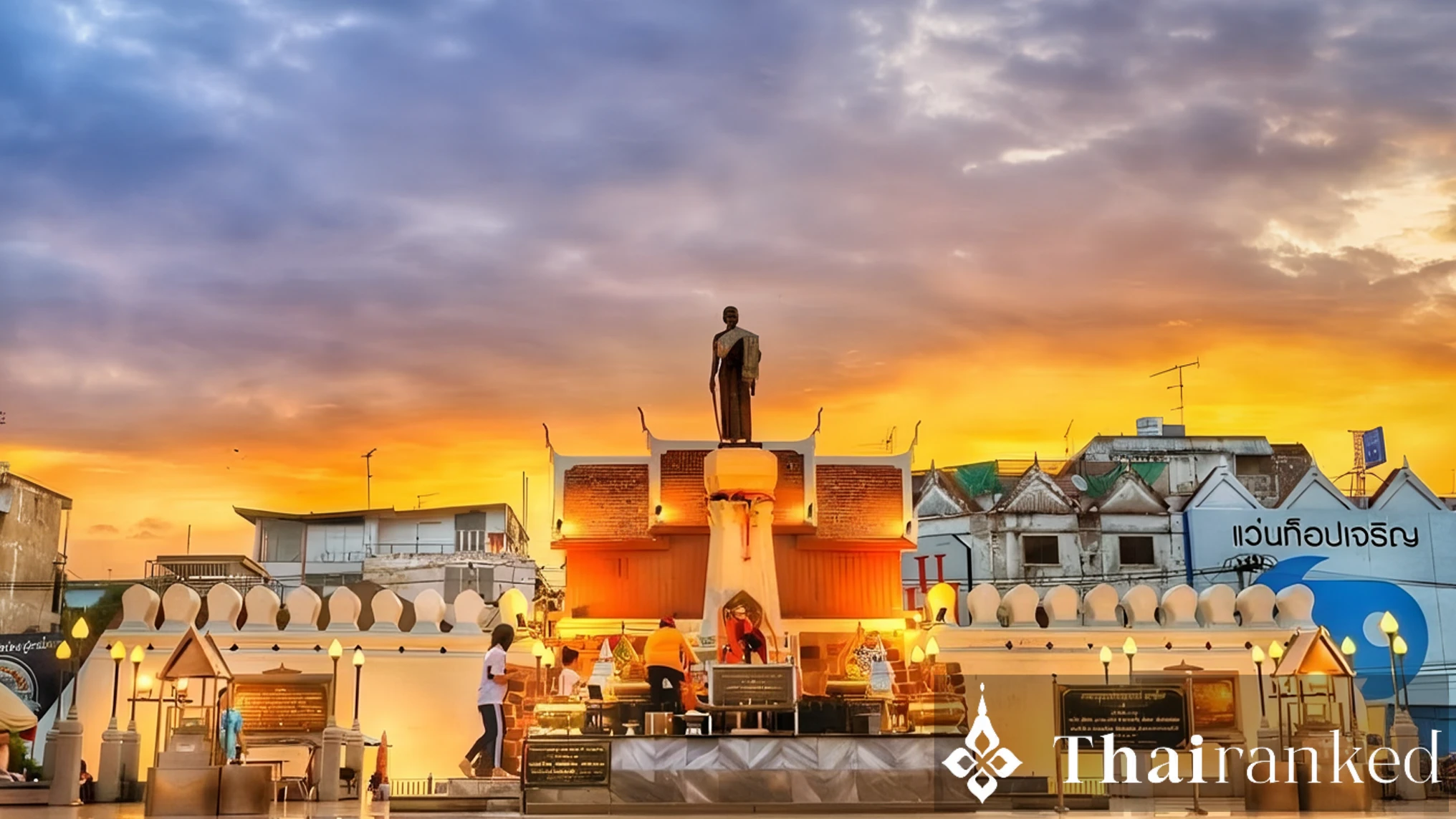
When you visit Nakhon Ratchasima (commonly called Korat), one landmark draws both locals and travelers: the Statue of Thao Suranari, affectionately known as Ya Mo. But why does this bronze figure at the city gate hold the hearts of so many? To answer that, we need to dive into the legend and legacy of Ya Mo and uncover how her spirit still shapes life, luck, and hope in Korat today.
The Legend of Ya Mo: A Heroine’s Courage
Thao Suranari was born as Lady Mo (Khunying Mo) in the late 18th century. Her moment of glory arrived in 1826, during the Lao uprising led by King Anouvong of Vientiane. As the story goes, Anouvong’s forces captured Korat and planned to send its people into exile. With her husband, Phra Suranari (the city’s governor), taken captive, Lady Mo stepped up. Through her bravery, quick thinking, and leadership, she rallied other women, distracted the guards, and organized resistance inside the enemy camp. Her actions sparked a revolt that delayed enemy plans and contributed to the Thai army’s successful counterattack. The grateful king bestowed upon her the honorific "Thao Suranari." Ya Mo became a symbol of loyalty, courage, and the unbreakable spirit of the people of Korat.
Visiting the Thao Suranari Statue: A Local and National Pilgrimage
The Thao Suranari Monument stands near the old city gate (Pratu Chumphon) in downtown Korat. Day or night, you’ll find people paying respects at her feet, locals, government officials, students, business owners, and out-of-town visitors alike. On important Buddhist holidays and anniversaries (especially in late March and early April during the annual Thao Suranari festival), the crowds swell as rituals, performances, and parades celebrate her memory.
But it’s not just about history. For many Thais, Ya Mo’s spirit is still active, helping, protecting, and intervening in daily life. People come to pray for blessings, good fortune, health, safe travels, and solutions to stubborn problems. People moving to the area, starting new businesses, or facing big life changes often make their way to the statue first.
How to Pay Respects and Ask for Blessings
If you’d like to follow local custom and pay your respects, don’t worry, you don’t have to be an expert. Here’s a short guide:
- Offerings: Common offerings include incense sticks, marigold garlands, candles, and folded lotus flowers. Vendors nearby sell all-you-need sets.
- Dress Modestly: Wear respectful clothing, no shorts, tank tops, or revealing outfits.
- How to Pray: Hold your offerings, bow three times, reflect on Ya Mo’s courage or the wish you hope to be granted, and offer your thanks. There are no strict scripts; sincerity matters most.
- Special Prayers: Many choose to walk around the statue clockwise, sometimes three times, while repeating their wish or simply paying silent tribute.
- Acts of Gratitude: If your wish is fulfilled, tradition suggests returning to the statue with more offerings, usually marigold garlands or a traditional Thai dance as thanks.
Why Locals, and Newcomers, Return Again and Again
For the people of Korat, Ya Mo is far more than a chapter in a history book. She is an ever-present force, a guardian, and a source of moral inspiration. Businesses regularly consult her before big deals. Taxi drivers hang her image in their cabs for protection. Students visit to seek success in exams. Even travelers often pay their respects for a smooth journey through Isan or to set a positive tone for their adventures throughout Thailand.
For non-Thais, visiting the Thao Suranari Statue offers a glimpse into the blending of legend, national pride, personal ritual, and communal tradition that makes Thai culture so dynamic. Standing in line to pray, you’ll notice how diverse worshippers are; some make elaborate offerings, others simply stand in silent respect. No matter your background, participating is a powerful, memorable experience.
Exploring More of Korat’s Culture
If you’re in Korat, don’t miss the chance to explore the city’s other cultural highlights. Take in the old city wall, browse lively local markets, or even embark on a 9-temple tour for extra blessings (see our 9 Temples Tour: How to Start 2026 with Good Luck). For a taste of local festivals, check out our guide to the 10 most popular festivals in Thailand. If you’re hopping between provinces, you might enjoy our tips for cheap and efficient travel around Thailand as well!
Tips for First-Time Visitors
- Location: The statue is in the city center, located conveniently near many street food stalls and shops. It’s an ideal quick stop for bus travelers or those detouring from Bangkok to Ubon or Surin.
- Best Time to Visit: Early morning and late afternoon are less crowded and cooler. The statue is beautifully lit at night.
- Photography: You can take respectful photos, but avoid blocking the main pathway or interrupting others in prayer.
- Local Experience: Don’t be shy, locals are often happy to share their stories and explain customs to curious travelers. It’s a great way to understand the meaning behind what you see.
Key takeaways
- Thao Suranari, or Ya Mo, is the legendary heroine and spiritual protector of Korat.
- Her statue is a must-visit site for blessings, luck, and a taste of local culture.
- Offerings, respectful clothing, and a sincere heart are all you need to pay respects.
- Both Thais and visitors make pilgrimages for guidance, protection, and success.
- Korat offers a blend of history, tradition, and vibrant community spirit.
- Including the statue in your travel plans adds depth and meaning to any trip through Isan.
by Nam Thairanked
I love traveling and eating Thai food.
Search Hotels & Flights
Related Insights
Discover why Thais dip green mango in chili salt, the origins, flavor secrets, and tips for trying this tangy, spicy Thai snack on your next trip.
Discover the secrets of the Thai noodle shop condiment tray. Learn how to use sugar, fish sauce, chili powder, and vinegar like a local.
Curious why Thailand’s year is 2569 instead of 2026? Discover the origins of the Thai Buddhist calendar and how to quickly convert it to the Western year.
Discover the meaning behind Thailand's Red Fanta offerings at spirit houses. Learn about San Phra Phum, ancestor shrines, and etiquette for expats.
Understand Thailand's rules on heads and feet: learn Buddhist and Hindu beliefs, social taboos, and practical tips for respectful interaction as an expat or traveler.
What people ask about
"Why Everyone Prays at the Statue of Thao Suranari (Ya Mo)?"
Here you will find answer to the most popular questions.