The “Puang Prik" (4 Essential Street Food Sauces) Explained
March 17, 2026 12:35 AM
Last edited: March 16, 2026

by Thairanked Guide
Thairanked helps you discover great places in Thailand!
Search Hotels & Flights




What is the "Puang Prik"? Thailand’s Iconic Condiment Set
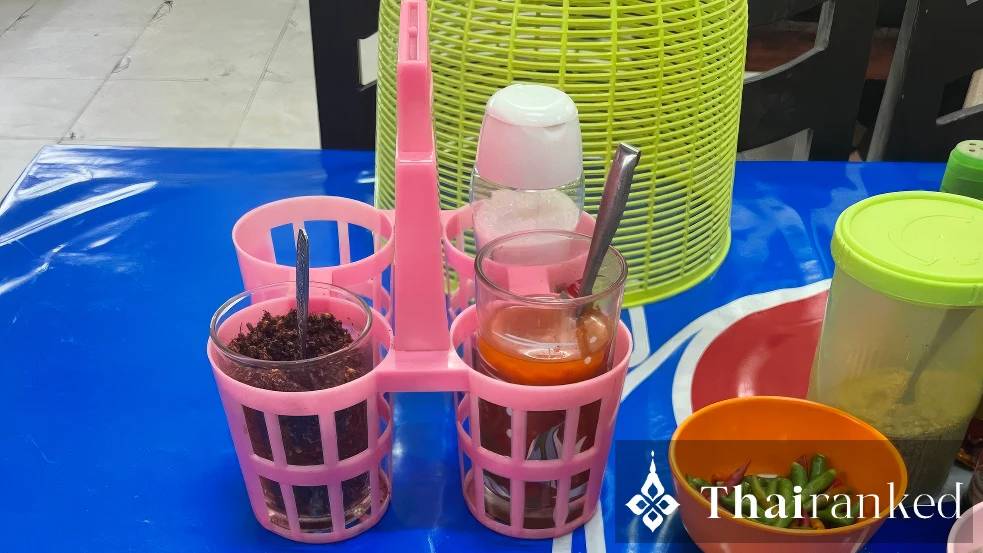
If you’ve ever found yourself sitting at a street-side noodle stall in Thailand, chances are you’ve seen a small metal or plastic caddy on the table holding four mysterious jars and a handful of tiny spoons. This quartet, known locally as "puang prik" (พวงพริก), is the heart and soul of Thai street food customization. Understanding what’s in each jar and how Thais use them is a big step toward eating like a true local.
The Four Sauces (and Powders) of the Thai Noodle Table
The "puang prik" tray usually features these four essentials:
- Sugar (น้ำตาล, namtaan)
- Fish Sauce (น้ำปลา, naam plaa)
- Chili Powder (พริกป่น, prik pon)
- Vinegar with Chilies (น้ำส้มพริกดอง, naam som prik dong)
They might look simple, but together they’re the toolkit to balance the iconic sweet, salty, sour, and spicy tastes that define Thai cuisine.
Sugar: The Sweetness Factor
Don’t be surprised to see locals spooning sugar into their noodle soups! While many non-Thais might hesitate, a touch of sugar is the secret weapon for cutting through saltiness or fiery spice. This isn’t the same as making your food cloyingly sweet, just a tiny spoonful can smooth rough edges and balance out bold flavors. This is especially common in dishes like boat noodles or tom yum, which already pack a punch.
Fish Sauce: The Essence of Umami
Fish sauce is liquid gold in Thai kitchens. Intensely salty and packed with umami, this ingredient is fermented from anchovies and salt and carries the true flavor of the sea. A dash or two replaces table salt, amplifying all the savory notes in your soup or stir-fried noodles. Knowing when not to overdo it is key; it’s potent, so start light and build up.
Chili Powder: Bring the Heat
Thai food is often spicy, but not every bowl starts that way. The dried chili powder in the condiment tray satisfies chili lovers who want to ramp things up. Sprinkle cautiously; a little goes a long way. This is the go-to condiment for anyone who laments, “It’s not spicy enough!” And when in doubt, ask a local for the best mix of chilis for your dish. Want to sample fiery dishes around the country? Check out 5 Insanely Spicy Southern Thai Dishes You Must Try for inspiration.
Vinegar with Chilies: A Sour Edge
This jar blends white vinegar with slices of fresh bird’s eye chilies; the result: a complex, sharp tang with a touch of heat. Vinegar cuts through grease, balances salty flavors, and wakes up tired taste buds, especially in heavier dishes like pad see ew or rich brothy noodles. It’s a must-try for those who love a zesty sour kick.
The Art of Customizing Your Bowl: How Thais Use the Puang Prik
When your steaming bowl of noodles arrives, Thais don’t just dig in. Instead, it’s customary to taste a spoonful first, then add condiments to balance the flavors. Some useful tips:
- Taste before you season – Every noodle shop’s recipe is unique. Try it first!
- Add one condiment at a time – See how the flavors change with each addition.
- Use sugar to mellow, vinegar to sharpen, fish sauce to deepen, and chili to ignite – Adjust until you strike your “yum” sweet spot.
This practice is a hallmark of Thai food culture. It’s all about balance, harmony, and, most importantly, personal taste. Everyone at the table might have the same dish, but will end up with a totally custom flavor blend.
Regional Variations: Bangkok vs. the Provinces
The core components of "puang prik" stay the same, but you’ll spot some regional twists:
- In southern Thailand, expect more heat from the chili powder.
- In Isan (Northeast), you might get lime wedges instead of vinegar.
- Some shops add a jar of pickled garlic or sliced green chilies in fish sauce for even more nuance.
Every stall has its personality, making it all the more fun to sample widely. If you’re looking for the hottest dishes, see our guide to Thailand’s spiciest southern dishes.
Beyond Noodle Stalls: The Influence of Puang Prik
The four-sauce caddy started as a street noodle shop staple, but today you’ll find variations at Bangkok’s night markets, food courts, and even casual restaurants. Many local Thais keep a mini version of “puang prik” at home, too. Mastering the condiment tray is a rite of passage for travelers or expats wanting to get the most from every bowl.
Tasting is Believing: Your Next Thai Food Adventure
The next time you sip broth at a bustling street vendor, don’t be shy, customize! Thais embrace personal taste over “rules.” Show off your skills, try different combos, and find your favorite balance. Curious to keep exploring Thai food and customs? Plan your visits to the best night markets in Bangkok for must-try street eats, or learn more about the history of Khao San Road and its food culture.
Key takeaways
- The "puang prik" includes sugar, fish sauce, chili powder, and vinegar, essential at every noodle stall.
- Each condiment balances the sweet, salty, sour, and spicy notes of Thai food.
- Locals always taste first, then tweak their seasoning to personal taste.
- Regional variations and creative additions make each caddy unique.
- Experiment fearlessly: this is one Thai food tradition where you call the shots!
Search Hotels & Flights
Related Insights
Learn the meaning behind Thailand’s morning alms (Tak Bat), how to respectfully observe or participate, and the best places to witness this beautiful tradition.

Discover the symbolism of core Thai temple rituals like incense offering, candle lighting, chanting, and circumambulation so you can appreciate Buddhist ceremonies.

Discover the must-have lucky charms for the Year of the Horse 2026, from horse-shaped amulets to jade talismans, and their meaning in Thai culture.

Discover the romantic legend behind the “Whispering of Love” mural at Wat Phumin, Nan. A must-see for couples and culture lovers visiting northern Thailand.

Discover Phanom Rung Historical Park in Buriram, Thailand’s grandest Khmer temple complex, with tips on visiting and what makes it a must-see natural & cultural wonder.
What people ask about
"The “Puang Prik" (4 Essential Street Food Sauces) Explained"
Here you will find answers to the most popular questions about Thailand.