Thai Taxi Colors: What Do Pink, Green-Yellow & Blue Taxis Mean?
February 12, 2026 03:50 AM
Last edited: February 06, 2026
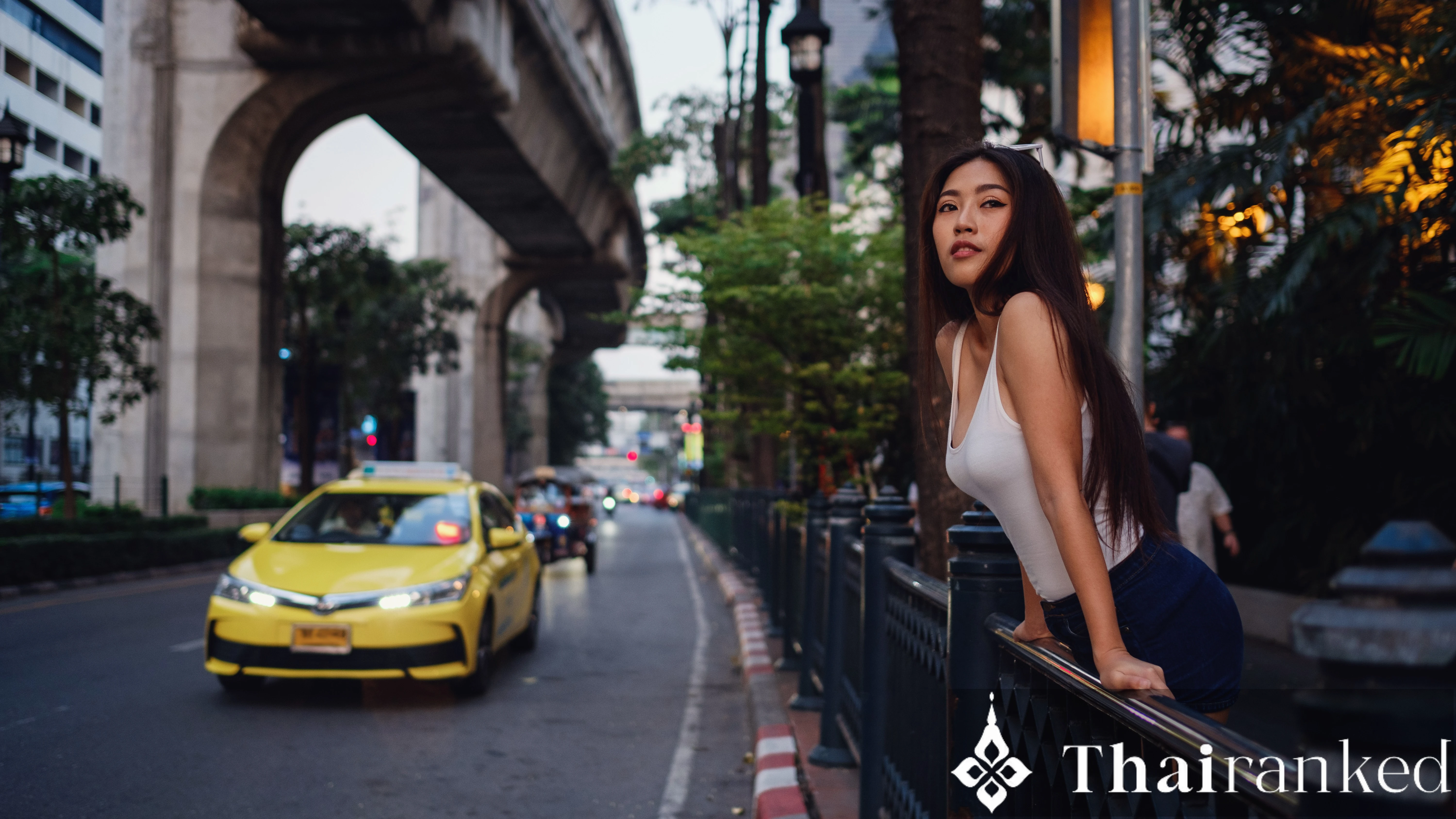

by Thairanked Guide
Thairanked helps you discover great places in Thailand!
Search Hotels & Flights
Thai Taxi Colors: What Do They Really Mean?
If you’ve landed in Bangkok or any major Thai city, you’ve surely noticed the kaleidoscope of taxis, pink, green-yellow, blue, orange, and more, zipping down the roads. Inevitably, visitors and even seasoned expats ponder: do these colors actually mean anything? Are certain taxis better, safer, or cheaper than others? Here’s your complete guide to Thai taxi colors, and what (if anything) they say about your ride.
Why the Rainbow? Thailand’s Taxi License System
Thailand’s taxi system is a mish-mash of independent drivers, small partnerships, and big companies, all governed by the Land Transport Department. To manage the number of cars and encourage safer, regulated rides, the government issues color-coded licenses, but these colors are less about service level and more about ownership type.
- Green-yellow taxis: Privately owned and driven by their owner. Each car can only be registered to one individual.
- Single-color taxis (like pink, blue, orange, red): Rented from taxi cooperatives or companies. The driver doesn’t own the car; it’s a fleet vehicle.
- Multi-color taxis: Generally indicate privately owned vehicles. The most famous is the green-yellow combo.
But don’t mistake this for strict quality rules. Cleanliness, politeness, air-conditioning quality, and knowledge of the area can be hit or miss in any color!
Green-Yellow Taxis: The Owner-Driver
The green-yellow taxi is iconic in Bangkok. This combo is reserved for taxis that are owned and operated by a single individual. The thinking is that an owner-operator is more invested in keeping the car clean, well-maintained, and safe—after all, it’s their business and likely their biggest asset.
Some frequent travelers and locals swear by green-yellow taxis, claiming these drivers tend to take better care of passengers. But don’t take it as gospel: plenty of great drivers work for fleets, and you can still get a rogue owner-driver who’s having a bad day.
Pink, Blue, Orange, and Other Single-Color Taxis
See a hot pink taxi, a blue one, or a bright orange? These are almost always rented from a fleet or cooperative. Big taxi companies operate these vehicles, renting them out by the shift. A driver may use a pink taxi in the morning and an orange one at night. It’s a gig job for many and a livelihood for others, rotating the cars through 24-hour service.
Single-color taxis are not shared taxis; they’re still regular metered vehicles just like the green-yellow ones. Some people find that fleet vehicles are newer models, as companies rotate in updated cars fairly often. But again, maintenance and quality can vary.
Blue Taxis: A Bangkok Earnestness
In Bangkok, the blue taxis are particularly well known thanks to one large operator called "Suwan Taxi." Like other single-color cabs, these are fleet vehicles. There’s no special service level attached to blue taxis; they follow the same meter rates as all the rest.
The Meter: Pricing is Always the Same (In Theory)
No matter the color, all Bangkok taxis are supposed to operate on a government-mandated meter system. The starting fare is 35 THB, and it goes up at a fixed rate depending on distance and time in traffic. Be wary of any driver—green-yellow, pink, or otherwise who tries to bargain instead of using the meter. This is a regular experience at tourist-heavy pickup spots like airports and hotels (see also: hotels near Suvarnabhumi).
In tourist cities like Pattaya or Phuket, meters may be ignored entirely, but that’s the exception, never the rule, in Bangkok.
Do Taxi Colors Indicate Safety or Quality?
There’s no official correlation between taxi color and safety, price, or service quality. Every taxi driver in Thailand must have a government-issued public vehicle driver’s license, plus regular safety checks. However, owner-operators might take more pride in their car, or not!
Want extra peace of mind? Take a picture of the taxi number (big yellow numbers on the rear doors or dashboard), and share it with a friend before you ride. Also, apps such as Grab and local competitors like Bolt allow you to hail taxis and track your ride for more security.
What About “Airport Limousines” and Other Special Taxis?
You’ll sometimes see "limousine" taxis at airports, almost always in black, white, or silver. These are a separate service, with fixed higher rates, and bookings can go through the airport desk. They come with a reputation for reliability and air-conditioned comfort, but you’ll pay for the privilege.
Are There Special Taxis for the Disabled?
Bangkok has a limited number of wheelchair-accessible taxis, usually yellow and marked with clear accessible signage. They are rare and tend to be booked up in advance.
Tips for Taking Taxis in Thailand
- Always ask for the meter ("chai meter mai khrap/ka?").
- Carry small change (many drivers don’t have coins for large bills).
- Have your destination in Thai on your phone; many drivers don’t speak English.
- For long-distance rides or if outside Bangkok, negotiate the rate upfront.
- Apps like Grab or Bolt offer taxis at published rates and improve safety.
- Tipping is appreciated but not required; rounding up to the nearest 10-20 baht is normal.
Want more street smarts? Check out our guide on surviving dry weekends and cultural tips for understanding the Thais’ communication style.
What’s With the Taxi Roof Signs?
The roof sign tells you whether the taxi is available. “ว่าง” (pronounced "wang," in red) means available. No light, or a different message, means the taxi is taken or not working the shift.
Want to Explore More Than Taxis?
From renting motorbikes in Pattaya to learning the best way to get connected with a Thai SIM or e-SIM, transport in Thailand is diverse and as colorful as its taxis. And if museums are your jam, check out the best museums in Bangkok—easily reached by taxi! If you want to compare your experience, don’t miss our ultimate guide to renting a motorbike in Thailand.
Key takeaways
- Thai taxi colors mainly indicate ownership – not service quality or price.
- Green-yellow taxis are owner-operated; single-color taxis are company/fleet vehicles.
- Meter fares are the same for all taxi colors.
- Always insist on the meter, especially in main tourist cities.
- Color does not guarantee better maintenance or safety.
- Use ride-hailing apps for more convenience and safety.
by Thairanked Guide
Thairanked helps you discover great places in Thailand!
Search Hotels & Flights
Related Insights

First time using BTS or MRT in Bangkok? Get clear, step-by-step instructions on how to buy tickets, enter, ride, and exit Bangkok’s popular train systems.

Discover Thailand’s leading private hospitals, how to book appointments, and use international health insurance for high-quality expat medical care.

Practical advice for travelers and expats on managing heat rash (“pung”) in Thailand’s climate. Symptoms, remedies, and how to get help at Thai pharmacies.

Discover practical strategies digital nomads use to prevent and manage burnout while working remotely in Thailand’s vibrant destinations.

Compare taxi, Red Line train, and A1/A2 airport bus from Don Mueang Airport to Sukhumvit. Includes price, time, and convenience to help you choose the best route.
What people ask about
"Thai Taxi Colors: What Do Pink, Green-Yellow & Blue Taxis Mean?"
Here you will find answer to the most popular questions.