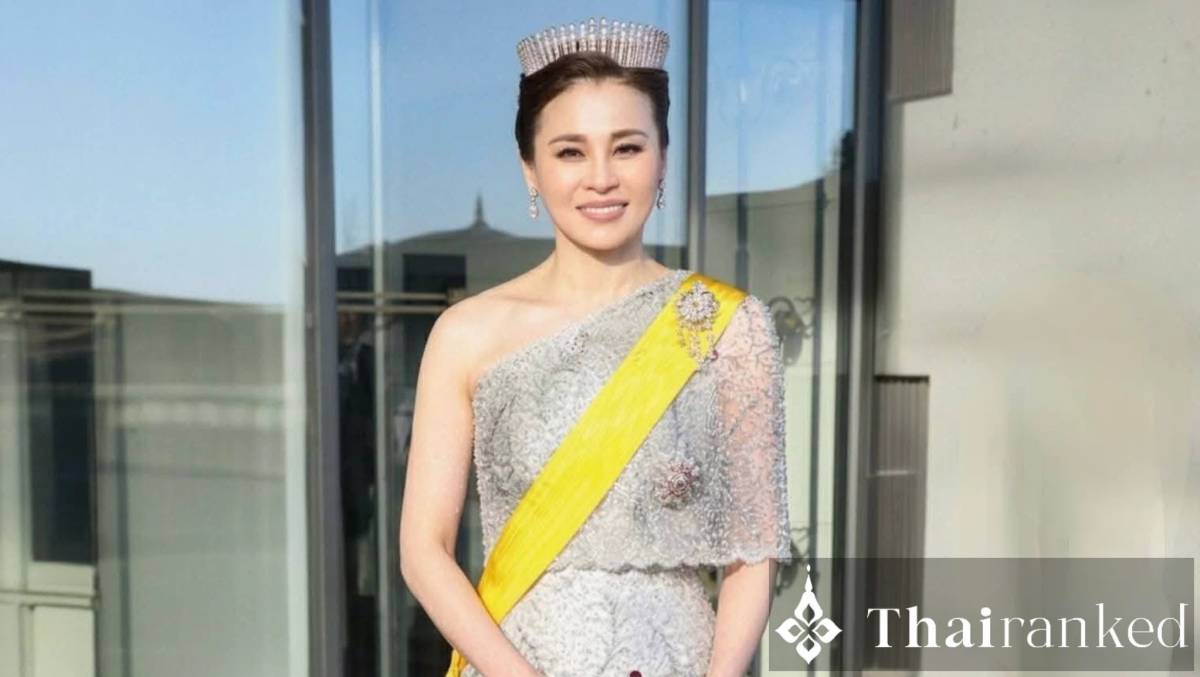
Getting to Know H.M. Queen Suthida, Queen Consort
June 01, 2026 10:51 AM
Last edited: June 01, 2026

by Thairanked Guide
Thairanked helps you discover great places in Thailand!
Search Hotels & Flights




Queen's birthday and its importance for visitors and expats
June 3, 2026 marks the birthday of Her Majesty Queen Suthida Bajrasudhabimalalakshana. Thailand lists that date as a national holiday tied to the royal household. If you live in Thailand or visit Bangkok in early June, expect ceremonies, flags, public messages, and a different pace around official buildings. You will see floral tributes at city halls, and some businesses close for the day.
H.M. Queen Suthida: background
Queen Suthida serves as the Queen Consort to His Majesty King Maha Vajiralongkorn, King Rama X. You will hear her name in news reports, see her portrait beside the King in many public places, and encounter images during state ceremonies. She rose to public attention after joining the royal household, following a career outside government service.
Early life and career
Queen Suthida grew up in Thailand. She worked in the airline industry before she joined the royal security unit. Her background in commercial aviation gave her early experience in disciplined service and public facing roles. After moving into royal service, she took on responsibilities inside the palace routines and state events.
Becoming Queen Consort
The King named her Queen Consort in May 2019. That appointment changed her official status and added formal duties. You will notice the Queen at state ceremonies, national celebrations, and events linked to charitable projects backed by the royal household.
Roles and duties you will see
The Queen attends state ceremonies, visits hospitals and schools, and supports charitable projects tied to health and welfare. You will find her at events that highlight Thai culture and at official receptions for visiting heads of state. The royal household assigns a public schedule for events, which local media publish ahead of major holidays.
- Ceremonial duties: the Queen participates in coronation anniversaries, national day events, and royal birthday celebrations.
- Charitable work: the Queen supports projects that focus on health, education, and community welfare.
- Public representation: she represents the monarchy at home and at official functions that welcome foreign dignitaries.
Titles, ranks, and official protocol
The Thai monarchy uses formal titles and ranks. The title Queen Consort places her at the top tier of the royal household. You will notice higher security at events she attends, and official photographs of the King and Queen appear in government buildings and many private businesses. Thai people show respect by standing for the royal anthem in cinemas and in front of royal portraits at public events.
Thai public observances on her birthday
Each year on the Queen's birthday, officials and citizens mark the occasion with flower offerings, Buddhist merit-making ceremonies at temples, and broadcast messages from the palace. Municipal offices set up places for people to leave wreaths and notes. If you plan to join a public event, wear modest clothing, follow the local dress code for temples, and follow the directions of event staff.
Etiquette for expats and visitors
You will avoid problems if you observe a few simple rules when the royal household appears in public life. Treat images of the King and Queen with respect. Remove hats in front of portraits inside government buildings and temples. Stand for the royal anthem at public screenings and ceremonies. Do not make jokes or negative remarks about the monarchy in public or on social media, the law enforces strict protections for the royal institution.
- Stand when the royal anthem plays in public places, cinemas, and some ceremonies.
- Dress in modest clothing at temples and at formal royal events, cover shoulders and knees.
- Follow instructions from event staff, police, and officials at ceremonies.
- Avoid photographing private moments inside royal compounds, and obey signage at palaces and museums.
Places to observe royal history and ceremony
You can learn more about the monarchy by visiting cultural sites across Bangkok. The Grand Palace shows royal architecture and state halls that host major ceremonies. Museums around the city hold royal collections and displays that explain ruling dynasties. If you visit during a royal holiday, you will see public tributes at city halls and in public parks. For a broader list of Bangkok attractions, see Bangkok Travel Guide: Top 10 Places to Visit.
Read background on cultural events and festivals in our guide, A Guide to the 10 Most Popular Festivals in Thailand, to place royal holidays in context. Explore royal artifacts and museum guides in The best museums in Bangkok. For a cultural primer on Bangkok itself, try Bangkok, The World's Longest City Name, which explains local naming traditions you will notice during state events.
Media coverage of the Queen
Thai state media and private outlets report on the Queen's schedule for public visits and charitable projects. The palace issues official statements for major events. If you follow local English language news, the media announces public appearances and national day arrangements ahead of time. Pay attention to local outlets and embassy notices when you plan to attend public events.
Questions expats ask
Many expats ask how to show respect without knowing formal rules. You will show respect by following the same basic courtesies Thai people expect. Do not touch royal portraits. If someone offers you a seat at a royal event, accept with both hands and a slight wai, the Thai greeting. In temple settings, leave footwear at the entrance and sit with your feet pointing away from Buddha images and royal portraits.
Visiting for the birthday and other royal holidays
Plan for transport delays and changes in public services on national royal holidays. Authorities sometimes close roads near palace grounds during parades and ceremonies. If you use taxis or ride hailing apps, expect surge traffic and a higher demand for services. Book accommodations early for travel during major royal holidays, and confirm opening hours for museums and temples before you go.
Further reading and practical tips
Our readers find context useful when they pair royal background with broader civic knowledge. For help with Thai political terms, read Thailand Politics Glossary: 50 Key Terms Expats Must Know for Election Night. If you plan to attend a festival season while in Thailand, consult A Guide to the 10 Most Popular Festivals in Thailand for dates and customs. To learn about museums that explain the monarchy and Thai history, visit The best museums in Bangkok.
Final notes for respectful visitors
The Thai monarchy remains central to national identity, and the Queen occupies a visible role within that institution. You will handle public life in Thailand with confidence if you follow basic etiquette, stay aware of official notices, and treat royal symbols with respect. Observing these rules helps you participate in ceremonies and national holidays without causing offense.
Key takeaways
- June 3, 2026 marks Queen Suthida's birthday, a national holiday with public ceremonies.
- The Queen Consort attends state ceremonies, supports charitable projects, and represents the monarchy.
- Show respect for royal images, stand for the royal anthem, and follow dress codes at temples and events.
- Check local media and embassy notices before attending public ceremonies or parades.
- Use our linked guides to learn more about festivals, museums, and political context in Thailand.
Search Hotels & Flights
Related Insights
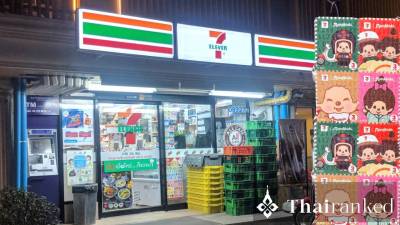
Learn how 7-Eleven stamps work in Thailand, how to collect and redeem M-Stamps, and what foreigners need to know about eligibility and promotions.

Step-by-step advice for dealing with taxi problems in Thailand, from refusing meters to scams, reporting complaints, and staying safe during and after a ride.

Learn how Thailand’s Tambon, Amphoe, and Province system works and how local government is organized across the country.
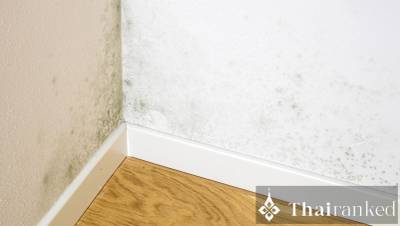
Learn how expats can tackle mold and humidity issues in Thai condos, from prevention and cleaning to local solutions and expert tips for rainy season living.

Discover the advantages and challenges of visiting Thailand in May. Includes weather tips, crowd insights, and best activities for this unique month.