What to Do If You Have a Problem with a Taxi in Thailand
September 15, 2026 06:49 AM
Last edited: September 15, 2026


by Thairanked Guide
Thairanked helps you discover great places in Thailand!
Search Hotels & Flights





Hailing a taxi feels normal in Bangkok, Chiang Mai, Phuket, and other Thai cities. A ride can end with a smile, or it can turn into a stressful situation. You can handle problems without panic if you act fast, collect evidence, and use the right local channels. This guide explains the steps to take during a ride, after a ride, and how to prevent trouble before you get in.
Before you get in: steps that prevent problems
Select a metered taxi or a licensed ride-hailing car. Check the driver identification plate on the dashboard and the vehicle number printed on the doors. Use apps when possible, because the app stores trip data and driver details you can use later. Share your trip with a friend or family member so someone tracks your route. Keep your phone charged and accessible.
Decide the payment method before you leave. Ask the driver to use the meter. If the driver offers a fixed fare that seems high, decline and find another taxi or request a ride through an app. Choose public taxi stands at transit hubs and hotels when you travel late at night.
During the ride: immediate actions if something goes wrong
Ask the driver to stop if the route changes without reason. If the driver refuses, tell the driver that you will get out at the next safe, well-lit spot. Record the plate number, the taxi company name on the vehicle, and the driver identification plate. Use your phone to take photos of the plate and dashboard, and start a voice memo stating the time and location. Share your live location with someone you trust.
If the driver refuses to use the meter, state that you will exit and choose another option. Do not argue inside the car. Keep luggage and valuables within reach. Sit in the back seat to maintain distance. If the driver behaves aggressively or tries to isolate you, ask to stop at a public place, such as a 7-Eleven, petrol station, or shopping mall. Exit the vehicle and move to a safe area. Call local police or the Tourist Police if you feel threatened.
Common taxi problems and what to do
- Driver refuses meter or demands a high fixed fare, ask for a receipt and the taxi number, get out at a safe spot, photograph the vehicle, and move to a nearby taxi stand or order a ride through an app.
- Driver takes a long route, tell the driver you prefer the fastest route and point at the map on your phone. Record the route with your phone GPS and keep screenshots of the map at the start and end of the trip.
- Driver claims the meter is broken, insist on a receipt and the taxi number, photograph the meter and dashboard, and exit at a safe public place if the driver will not cooperate.
- Driver attempts a card scam, check that the POS machine belongs to the taxi company and that the driver hands you the terminal for your card. If the terminal looks suspicious, refuse and pay with cash, then file a complaint with local authorities.
- Theft or personal assault, remove yourself from the situation to a safe public place, call local police, and get medical attention. Keep all evidence and contact your embassy if you need help with legal steps.
After the ride: how to collect evidence and where to complain
Write down the trip details immediately, including pick-up time, drop-off time, route, and the driver or taxi number. Keep photos, screenshots, voice memos, and the receipt. If you used a ride-hailing app, export or screenshot the trip record and driver profile.
Visit a Tourist Police station to file a report when the problem involves theft, assault, or a direct threat. Visit a local police station to obtain an official report for insurance claims. Take your evidence with you. If the issue involves fare disputes or driver misconduct without violence, visit a nearby Department of Land Transport office and present your evidence. Staff can register complaints and pass information to enforcement teams.
Use social channels with caution. Post photos of the vehicle and plate number on local expat groups and travel forums to warn others, but avoid naming the driver in ways that could escalate the situation before authorities investigate. If you used an app, contact the app’s customer support and upload all evidence. App providers can suspend drivers and refund fares when they confirm violations.
When to involve your embassy
Contact your embassy if the driver injures you, if police fail to act, or if you need legal advice on the spot. Embassies can offer lists of local lawyers and steps for translating documents and identifying hospitals. Keep the embassy number on your phone before you travel, so you can reach them quickly if needed.
Practical prevention tips for different cities
Bangkok sees heavy taxi traffic and mixed driver behavior. Use the BTS or MRT for predictable trips and use ride-hailing apps for late-night travel. Read our article about motorcycle taxi changes and electric options in Bangkok at Bangkok’s EV motorcycle taxi revolution. Consider canal boat services for short hops, and learn where they run in our guide at MuvMi’s free electric boat taxis.
Tourist islands and beach towns show a mix of metered taxis and private drivers. Ask your hotel to book reputable transfer services when you land. Keep extra cash for official taxis, and check the meter before you go.
Smaller cities and towns may have fewer metered vehicles. Use local transport apps or trusted taxi contacts from your hotel or host. If you need reassurance about safety, read Is Thailand Safe for Solo Travelers? for practical tips on staying secure while you explore.
Sample script: phrases to use during a dispute
- “Please turn on the meter, I will pay by meter.”
- “Please stop at the next petrol station, I will get out.”
- “Please hand me your identification plate number, I need a receipt.”
- “I am calling the Tourist Police if we cannot resolve this.”
Legal follow-up and insurance
File a police report if the incident involves theft, bodily harm, or threats. Obtain a copy of the report for insurance claims. Contact your travel insurance provider and provide all evidence. Keep all receipts for any related expenses. If you need to escalate over fare disputes, present your documentation to the Department of Land Transport or the ride-hailing company that handled the trip.
Alternative transport options
- BTS and MRT in Bangkok for predictable, meter-free fares.
- Ride-hailing apps that keep trip records and allow in-app complaints.
- Motorcycle taxis for short hops when you travel light.
- Ferry and boat services on islands and rivers, consult local timetables and trusted operators.
For more safety resources and travel advice in Thailand, read Thailand Boosts Tourism Safety for official measures and tips that affect visitors and residents.
Key takeaways
- Ask for the meter and check the driver identification plate before you start the trip.
- Collect evidence, including photos, screenshots, and voice memos, if the driver behaves badly.
- Report theft, assault, or threats to local police or the Tourist Police and keep the report for insurance.
- Use ride-hailing apps for a record of the trip and faster complaint handling.
- Choose crowded, public places to exit a taxi if the driver refuses to cooperate.
Carry confidence when you travel. A clear plan and quick evidence collection let you resolve taxi problems without losing your trip. If you need more city-specific advice, check our guides on public transport and safety across Thailand.
Search Hotels & Flights
Related Insights

Planning to get a tattoo in Thailand? Learn how to choose the right tattoo studio with expert tips on artists, hygiene, pricing, and aftercare.

Discover the advantages and challenges of visiting Thailand in May. Includes weather tips, crowd insights, and best activities for this unique month.

Explore the viral “Thank You Thailand” trend, its emotional roots, and how tourists share deep gratitude for Thai culture, food, and welcoming spirit.

Don’t get caught thirsty! From the expected General Election bans to the 5 major Buddhist holidays, here is the complete calendar of "Dry Days" in Thailand for 2026.
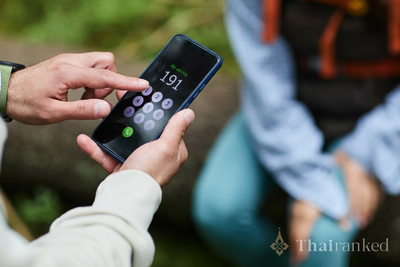
Stay safe in Thailand with this complete guide to emergency numbers for foreigners, including police, ambulance, fire department, highway assistance, and more.
What people ask about
"What to Do If You Have a Problem with a Taxi in Thailand"
Here you will find answers to the most popular questions about Thailand.