The Roots of Bangkok’s Chinatown: Trade, Red Envelopes, and Early Sampeng
March 26, 2026 03:30 AM
Last edited: March 25, 2026

by Thairanked Guide
Thairanked helps you discover great places in Thailand!
Search Hotels & Flights
Related Insights
The Origins of Bangkok’s Chinatown
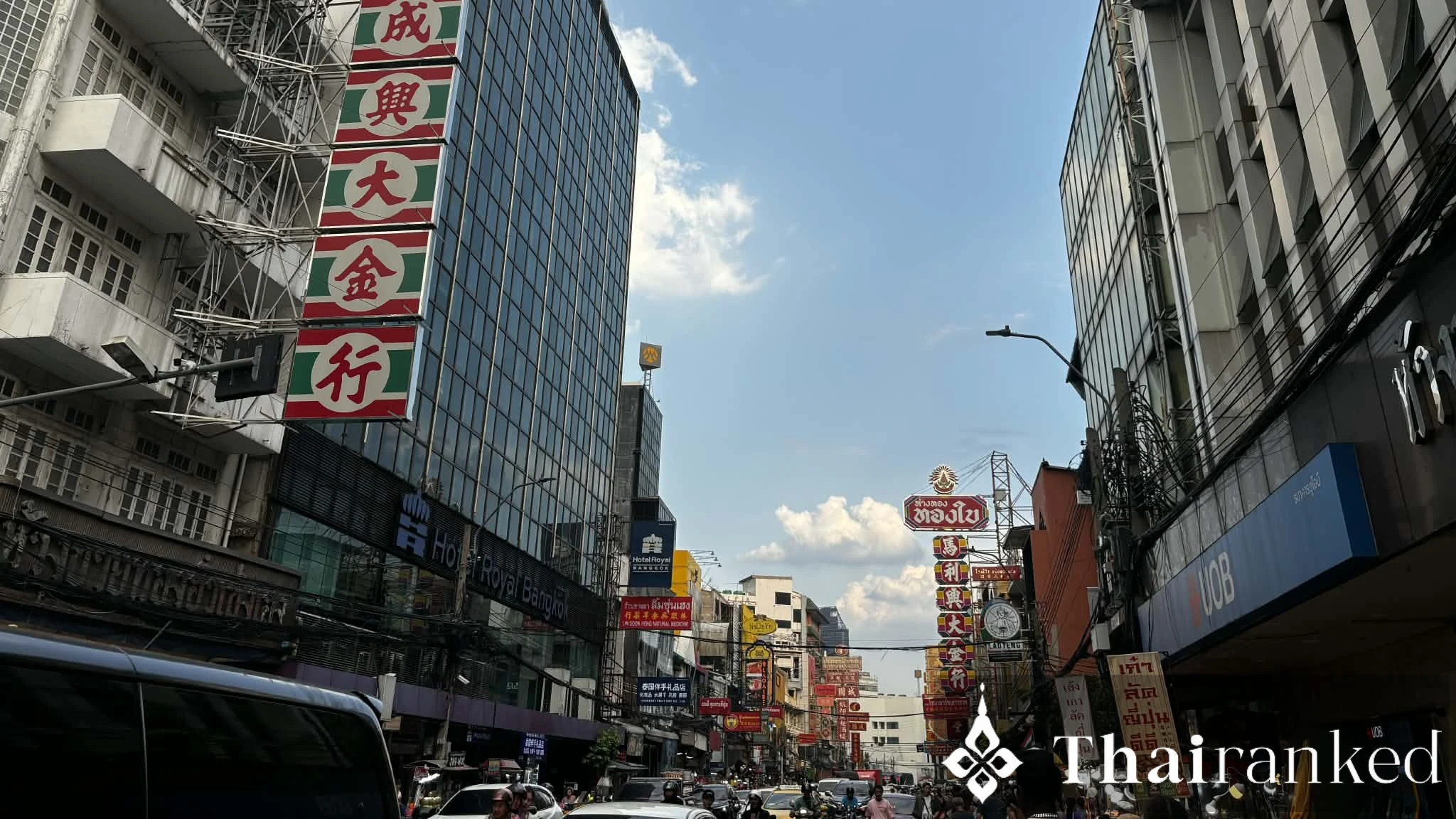
Bangkok’s Chinatown, or Yaowarat, rises as a testament to Thailand’s centuries-old bond with Chinese trade, culture, and entrepreneurship. Its narrow roads buzz with activity, old shop-houses whisper stories of old money, and every new year brings a storm of red envelopes, ang pao, that pass from hand to hand. Sampeng, the area’s earliest lane, remains the oldest business hub in the city, and its roots reach back to a time when Bangkok itself was young.
Maritime Trade in the Age of Kings
In the early 19th century, during the reign of King Rama III, Thailand, then Siam, looked outward. The Chao Phraya River swelled with Chinese junks trading silk, ceramics, tea, preserved fruits, and regional goods. These ships anchored along the muddy banks where Thonburi met Rattanakosin, the two nuclei of the young capital. The Chinese community provided crucial labor and handled commerce. Their ties to southern China meant not only goods but also new ideas, traditions, and extended kinship networks.
Sampeng Road grew from this period, its shophouses stacking bales of cloth, aromatic spices, jewelry, and daily necessities. Many families planned to work for a decade, amass savings, and send money home before returning. Some stayed, putting down roots as Bangkok’s appetite for luxury and imported goods flourished. The Crown’s encouragement of Chinese migration, through low taxes and trade privileges, inflated the number of arrivals each season. Sampeng quickly transformed into the city’s busiest market street.
The Heart of Old Business: Sampeng Road
Sampeng remains the oldest and most authentic stretch of Bangkok’s Chinatown. Built parallel to the river, it became a corridor for wholesalers passing goods in bulk to peddlers and market vendors. In the 1800s and early 1900s, traders loaded their shops with porcelain, imported teas, tinware, cotton and silk, paper lanterns, and medicinal herbs.
Surviving fires and floods, Sampeng grew denser each year, folding in craftsmen, goldsmiths, and entire networks of clan-based business. During festive seasons, locals covered the area in red banners and let the sound of firecrackers chase away bad luck. Red envelopes, or ang pao, filled with cash, crossed shop counters from senior bosses to workers and apprentices. This tradition carries over today, both in homes and businesses up and down Bangkok’s Chinatown lanes.
Visit Sampeng during major Lunar New Year celebrations, and you’ll catch the scent of incense and pomelos, hear lion dancers drumming down the alleys, and feel the pulse of a community deeply linked to both Thailand and China. The neighborhood never quite sleeps, with merchants negotiating over cellophane-wrapped stockpiles from dusk until dawn.
Yaowarat Road: From Royal Decree to Golden Mile
In 1891, King Rama V ordered the construction of Yaowarat Road to relieve congestion on Sampeng. Paved straight through the heart of the Chinese quarter, Yaowarat fast became the new address for gold shops, herbal clinics, and lavish seafood restaurants. Long arcs of neon outlined names in gold leaf and crimson; new banks and pawnshops soon followed. The area’s economy boomed, and by the twentieth century, Yaowarat glittered as Bangkok’s Golden Mile.
Yaowarat represented a fusion of Thai officialdom and Chinese entrepreneurship. The city’s authorities trusted the community to police itself, collecting levies and ensuring harmony during neighborhood disputes. Gold stores and jewelry shops set Yaowarat’s tone, earning it a place on lists such as the must-see night markets in Bangkok. Even today, visitors flow along the main drag, drawn to street food, gold, and the luck that Chinatown promises each New Year.
The Red Envelope and Thai-Chinese Identity
The practice of giving red envelopes transcended trade, embedding itself into Thailand’s social rituals. Apart from the New Year, families exchange them in the name of prosperity during weddings, birthdays, and anniversaries. For Chinatown’s merchants, the ang pao became part bonus, part ritual, a way to bind networks, secure the loyalty of workers, and announce one’s ongoing good fortune. Children still treasure their envelopes for the crisp bills and the wishes inscribed upon them.
Red symbolizes joy, good luck, and protection against misfortune. In a city shaped by tides of change and commerce, these envelopes continue to link today’s Bangkok with a heritage tied directly to Sampeng’s earliest shopfronts and the maritime exchanges that birthed the neighborhood itself.
Tracing Old Sampeng and Modern Chinatown
Walk from old Rattanakosin or take a ferry from the riverside warehouses and you’ll slip into a maze where Thai and Chinese lives blend. On Sampeng Road, tiny “god rooms” house household deities. Some alleyways still bear the names of their founding families. Shoppers hunt bulk deals for fabrics, toys, and everything in between, jostling beside temple visitors carrying incense and fruit offerings.
Sampeng is less polished than Yaowarat’s main avenue. Here, you step straight into history, dodging motorbikes and delivery carts as shopkeepers swap old gossip or debate the latest lottery numbers. In hidden corners, you find early Chinese temples that predate Yaowarat’s bold facades, testifying to a time when Bangkok was still a muddy, bustling town on the edge of the Gulf.
On the border with Little India, Sampeng hosts new communities from Myanmar and South Asia, continuing the area’s tradition of adaptation and multiculturalism. A few blocks away, Yaowarat reflects Chinatown’s modern wave: rolling shutters with QR codes, high-end gold stores, and lineups for viral street eats featured on food vlogs across Asia. The blend of old and new makes this neighborhood unique, rewarding those who wander and explore off the main streets.
Experience More of Chinatown’s Heritage
- Visit the temples: Wat Mangkon Kamalawat anchors Chinatown as its spiritual heart. Step inside for incense-filled halls and dragon motifs.
- Eat like a local: Side streets offer roast duck, bird’s nest soup, and fritters, often competing with stalls that have run for generations. Street food adventures along Yaowarat inspired guides, such as the best Bangkok night markets.
- Tour gold shops: Watch artisans at work or invest in stamped gold bars. The tradition began along Sampeng and endures on Yaowarat’s strip.
- Shop for textiles and toys: Sampeng’s original trade lives on in narrow storefronts overflowing with fabrics, home goods, and festival supplies.
- Celebrate festivals: Visit during Lunar New Year, the Vegetarian Festival, or Dragon Boat races for music, food, and a surge of ang pao exchanges.
For anyone hunting deeper stories, Chinatown’s roots run through every lane and ceremony. The community’s creative adaptation, spanning from the first merchant families to today’s food influencers, cements Yaowarat and Sampeng as the beating heart of Bangkok trade.
Key takeaways
- Maritime trade in King Rama III’s era brought Chinese migrants and commerce to Bangkok’s riverbanks.
- Sampeng Road stands as the oldest true business district, housing the city’s first Chinese shophouses.
- Yaowarat Road’s creation in 1891 transformed Chinatown into Bangkok’s golden business mile.
- Red envelopes remain vital symbols of luck, prosperity, and community ties, both in commerce and family.
- Old traditions and modern waves coexist, drawing travelers to explore the district’s rich culture and living history.
- Chinatown’s blend of trade, ritual, and adaptation continues to fuel its energy and appeal.
by Thairanked Guide
Thairanked helps you discover great places in Thailand!
Search Hotels & Flights
Related Insights
Discover the Loha Prasat at Wat Ratchanadda, Bangkok’s unique Metal Castle. Dive into its history, architecture, and why it’s a must-visit photo spot.
Discover the origins of Khao San Road, from its roots as Bangkok’s biggest rice market to its transformation into a global backpacker and nightlife hotspot.
Discover the story behind the 12 giant Yaksha statues at Suvarnabhumi Airport. Learn about their Ramakien roots, Ravana, and Thai mythology.

Discover the history of Wan Dek, Thailand's National Children's Day. Learn why it is celebrated on the second Saturday of January, the unique traditions involved, and the meaning behind the Prime Minister's motto.
Explore the fascinating origins and cultural journey of Pad Krapow, Thailand’s iconic basil stir-fry. Discover its history and significance in Thai cuisine.