Khao San Road From “Milled Rice” Market to Backpacker Hub
January 27, 2026 04:00 AM
Last edited: April 30, 2026

by Thairanked Guide
Thairanked helps you discover great places in Thailand!
Search Hotels & Flights
Related Insights
The Origins of Khao San Road: More Than a Party Street
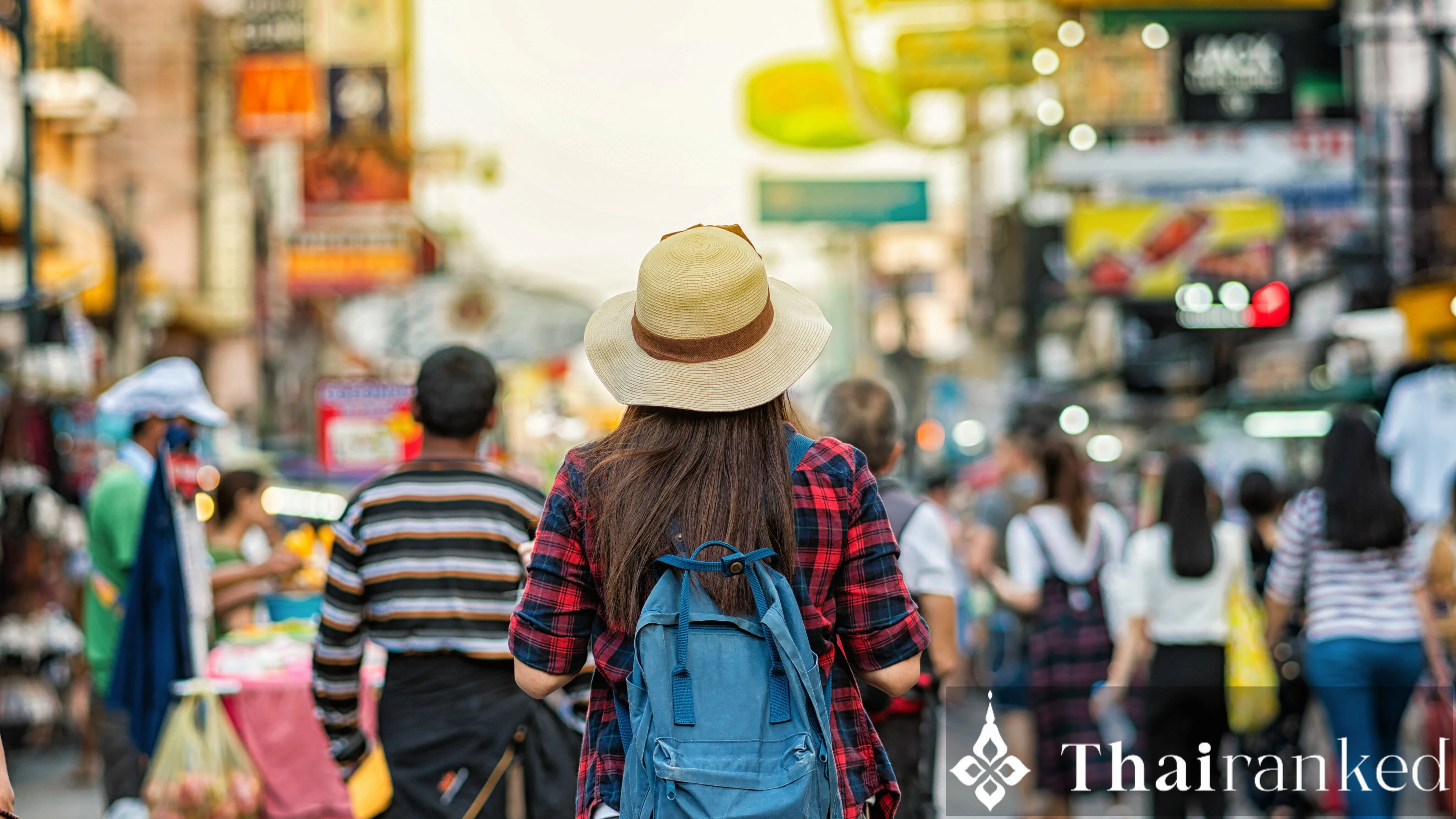
Most people think of Khao San Road and see neon signs, bustling hostels, budget bars, and backpackers jostling for street food. The story of Khao San Road runs richer and deeper than its image as Southeast Asia’s backpacker boulevard. The name “Khao San” means “milled rice” in Thai, pointing to an era when this neighborhood drove Bangkok as a center for one of the world’s essential foods.
Khao San Road’s Rice Market Roots
Before Lonely Planet guides and night markets grabbed attention, Khao San Road pulsed with a different energy. Established over a century ago during King Rama V’s reign, this street worked as a marketplace for milling and trading rice. In the late 19th and early 20th centuries, traders flocked here for the largest rice market in Bangkok and, at times, the country. Rice shipments arrived by canal or cart, and merchants struck deals for jasmine and sticky rice. Warehouses and shophouses sheltered milled rice for export or for local kitchens. “Khao San”,the road of milled rice,refers both to the product and to the process that defined this neighborhood’s early purpose.
Khao San Road as a Trading Hub
Khao San’s location north of the Grand Palace and near riverside shipping routes positioned it perfectly for merchants. The neighborhood mixed commercial bustle and old-world charm, with local businesses, family eateries, and guesthouses for rice traders and their families. As Thailand modernized and commodity trade evolved, rice trading faded here, and Khao San’s story changed course.
The Birth of a Backpacker Revolution
The transformation began in the late 1970s. International backpacking gained popularity thanks to cheaper air travel, the youth hostel movement, and Thailand’s growing tourism. Hotel and guesthouse owners adapted empty rooms above silent rice warehouses. Guidebooks highlighted this affordable neighborhood near temples, the river, and landmarks. Adventurers on the “banana pancake trail” from Nepal to Bali soon discovered Khao San Road for its cheap beds, travel agents, and a cast of nomads. Bars, cafes, and bookstores opened as the rice trade slipped into history, and Khao San grew into a travel culture nexus. You can read more about unique roads and their history by browsing Bangkok: The World's Longest City Name.
The Modern Vibe: Khao San Road Today
Khao San now buzzes with backpackers, food vendors, street musicians, and Thais moving with the crowd. Tattoo studios, t-shirt stalls, rooftop shisha bars, and vegan bakeries crowd the scene. Here, global travel merges with a vivid Thai spirit. Monks collecting alms in the morning, a techno DJ at two in the morning,Khao San brings all types together.
Side streets like Rambuttri and Soi Chana Songkhram offer a calmer, bohemian atmosphere for those avoiding Khao San’s chaos. Use Khao San as a jumping-off point for night buses to the islands, visa runs, or budget tours around Thailand and Southeast Asia. Upscaling and regulation now play a bigger role, but the street draws curious travelers looking for their own Bangkok story.
Remembering the “Milled Rice” Legacy
The “Khao San” in Khao San Road stands as a link to Bangkok’s identity as a rice capital. For generations, rice trading brought new people and new stories to this area. Today’s Khao San still carries that legacy in its energy, even as the crowd changes nightly. The name reminds you of working families and the traders who built the foundations under today’s party lights.
Old Meets New in Khao San
Look closely and spot original shophouses, old wooden shutters, or the odd rice-trade relic wedged between hostels and bars. Some Thai families still run businesses here, passing stories through generations. This mix of old and new gives Khao San its rooted, unmistakable flavor. If you want to find other places where history and the present collide, check out our Ayutthaya vs. Sukhothai travel verdict.
Exploring Beyond Khao San Road
Khao San draws backpackers, but culture and calm hide within walking distance. Temples like Wat Bowonniwet and Wat Chana Songkhram showcase historic Bangkok. Phra Athit Road heads towards the Chao Phraya River, where you’ll find cafes by the water and quiet parks. For deeper insight into temple etiquette, browse our guide to Thai temple rituals.
You might spot other Bangkok nightlife hotbeds nearby, such as those in our Thonglor bar rankings. Recharge after Khao San chaos with early-morning walks,visit one of the best Bangkok gyms. If you want a dining experience on Khao San, check out the top 5 restaurants on Khaosan Road.
Tips for Visiting Khao San Road
- Stay street-smart: Khao San offers a safe visit, but keep an eye on personal items, especially at night.
- Eat local: Skip tourist menus and pick vendors with pad Thai, coconut ice cream, or mango sticky rice.
- Bargain politely: Haggling works at market stalls; use a smile alongside your offer.
- Mind the noise: Sleep comes easier if you book a guesthouse a block or two from the busiest sections.
- Dress modestly for temple visits: Major sites line the area, so cover shoulders and knees for walks during the day.
- Try the side streets: Explore Rambuttri or Phra Athit for a mellow scene and riverside bars.
Key Takeaways
- Khao San Road’s “milled rice” heritage shaped its original identity as a major rice market hub in Bangkok.
- Decades transformed it from a local trading street into Thailand’s center for global backpackers.
- This street now blends local life, world travelers, nightlife, and echoes of its merchant past.
- The neighborhood bursts with culture, temples, and riverside escapes.
- Curious travelers who explore side streets earn the most satisfying Khao San experience.
Plan your exploration of Khao San and beyond with activities from Get Your Guide - Bangkok.
by Thairanked Guide
Thairanked helps you discover great places in Thailand!
Search Hotels & Flights
Related Insights
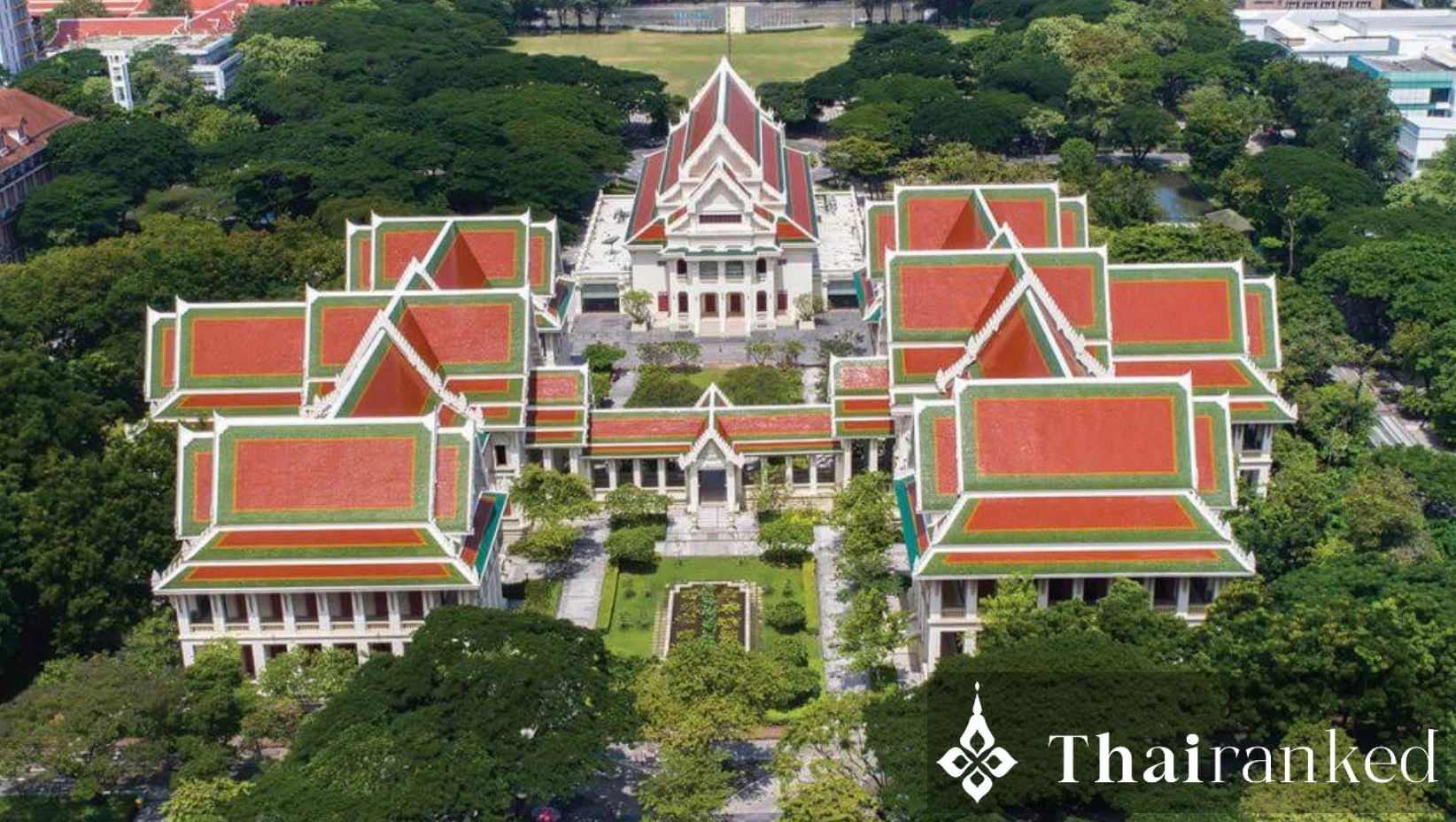
Trace Chulalongkorn University's story from its 1917 founding by King Vajiravudh to its centenary in 2017, campus growth, academic legacy, and modern role.
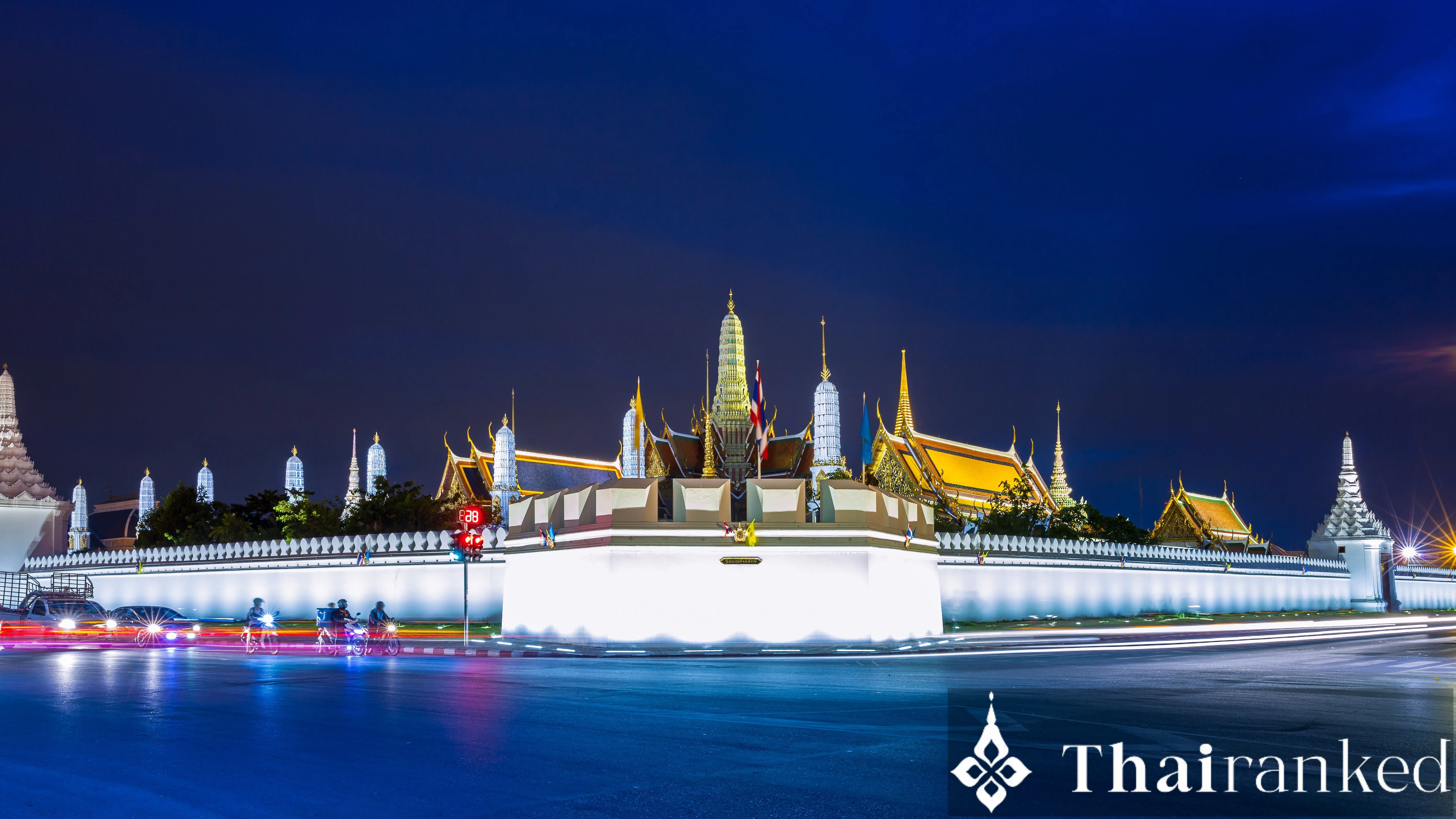
Explore Bangkok’s full official name, the translation, history, and cultural meaning, plus tips for visitors curious about Thailand’s famous capital.
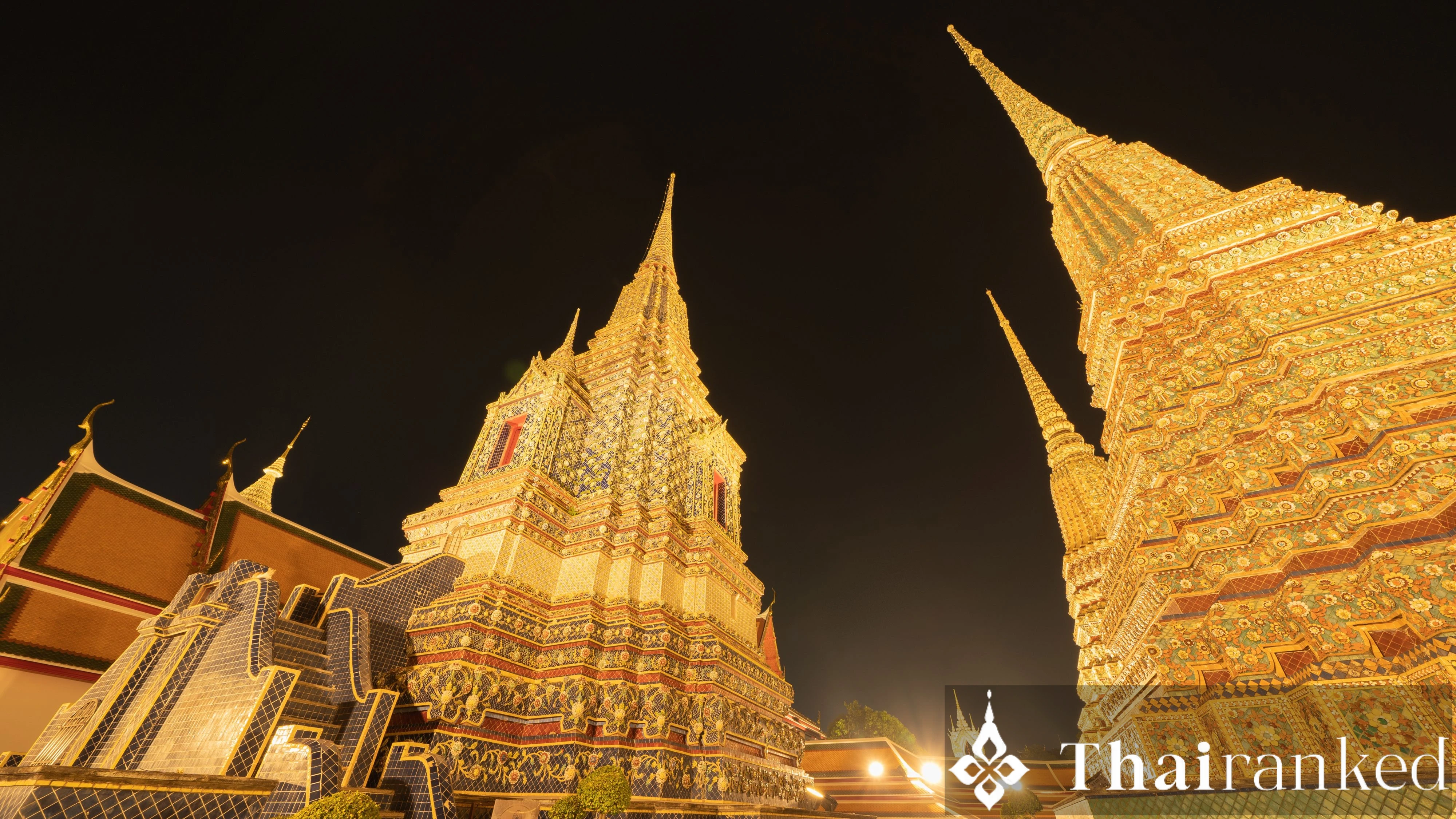
Discover the grand Reclining Buddha at Wat Pho, the vision of King Rama III, and the historic birthplace of Thai education through Wat Pho’s unique inscriptions.
Explore the history of Bangkok’s Chinatown, Sampeng, and Yaowarat, maritime trade, red envelopes, and the vibrant business culture shaped by early Chinese communities.
Discover the Loha Prasat at Wat Ratchanadda, Bangkok’s unique Metal Castle. Dive into its history, architecture, and why it’s a must-visit photo spot.
What people ask about
"Khao San Road From “Milled Rice” Market to Backpacker Hub"
Here you will find answers to the most popular questions about Thailand.