The Origins and History of Pad Krapow: Thailand’s Beloved Basil Stir-Fry
March 07, 2026 04:10 AM
Last edited: March 06, 2026

by Thairanked Guide
Thairanked helps you discover great places in Thailand!
Search Hotels & Flights





Introduction: Pad Krapow – The Heartbeat of Thai Comfort Food
If you’ve spent any time in Thailand or love Thai food, Pad Krapow (ผัดกะเพรา) is likely at the top of your must-eat list. This fiery, fragrant stir-fry, built around holy basil leaves and minced pork or chicken, rules street food stalls and home kitchens across the country. But where did Pad Krapow come from? Why does it hold such a permanent spot in Thai hearts and stomachs? Let’s dig into the origins and history of Pad Krapow, the dish that perfectly balances punchy flavor, humble simplicity, and a spicy jolt of satisfaction.
The Roots of Pad Krapow: Ancient Inspirations, Modern Street Food
To trace Pad Krapow’s story, we need to look at two key elements: the stir-fry technique and the basil that gives the dish its name. While stir-frying is now a staple in Thai cuisine, it wasn’t always so. Thailand’s traditional cooking methods leaned more toward curries, grilling, and boiling. Stir-frying and the use of the wok entered Thailand through centuries of Chinese migration and culinary influence, particularly during the late Ayutthaya (17th-18th century) and early Rattanakosin periods.
In Thai, "pad" (ผัด) means “to stir-fry,” while "krapow" (กะเพรา) refers specifically to holy basil (Ocimum tenuiflorum), a sharply aromatic, slightly peppery herb that’s revered in Thai cuisine for its intense, almost medicinal fragrance. Together, they form a signature dish that many consider an unofficial national food.
The Rise of Holy Basil in Thai Cooking
Holy basil isn't just another leafy green. In Buddhist tradition, it’s a sacred herb. The plant’s Sanskrit name, “Tulasi,” links it to ritual and temple gardens, but Thais over the centuries adopted it for more practical reasons: its flavor profile uniquely tames the richness of meats and balances the hot-sour-salty-sweet signature of Thai food.
Unlike the sweeter Thai basil or the Italian variety, holy basil’s edge cuts through stir-fried pork, chicken, or even beef thanks to its herbal bite and slight bitterness. This made it perfectly suited to the street food culture that took off during the urbanization of Bangkok in the early 20th century.
Pad Krapow’s Modern Debut: From Cafeterias to Street Stalls
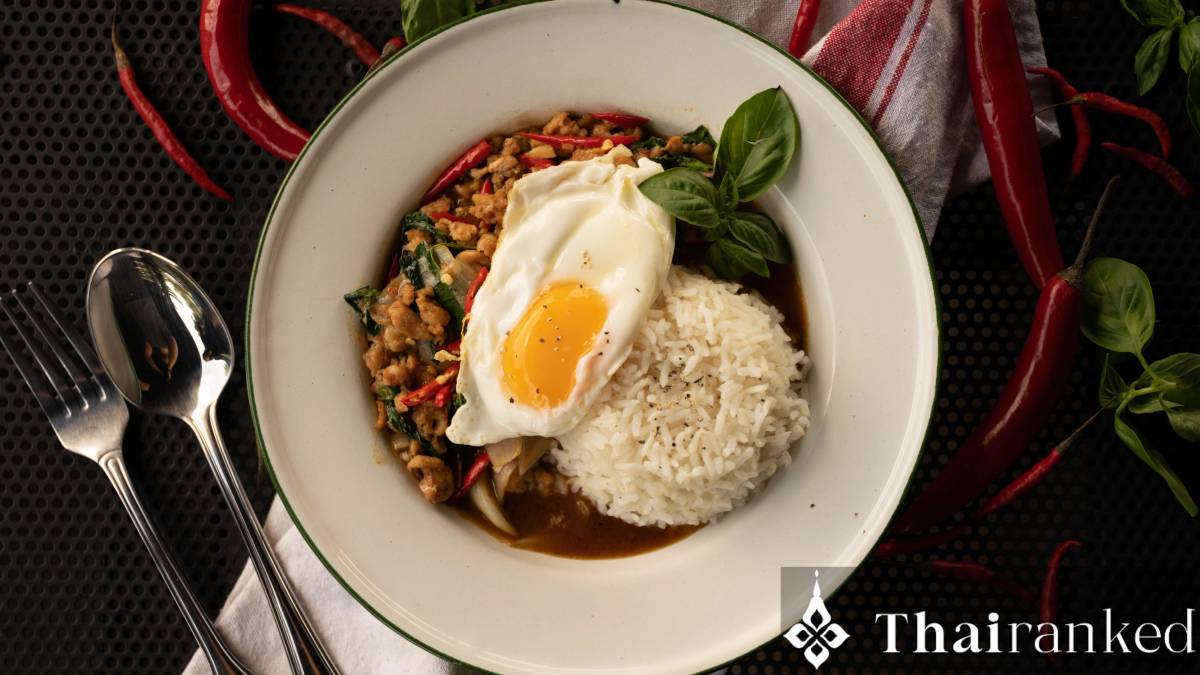
So when did Pad Krapow, as we know it today, step onto the scene? Food historians generally agree that the true explosion happened in Bangkok during the 1940s to 1960s. As wok-cooking became mainstream, urban workers sought quick, affordable, and energizing lunches. Enter Pad Krapow: stir-fried meat with holy basil, garlic, chili, a touch of oyster and soy sauce, and always, a perfectly fried egg (kai dao) on top.
Pad Krapow rose to prominence as the ultimate "khao raat gaeng" (rice-curry table) item, a dish you could find at any roadside stall, canteen, or cafeteria for just a few baht. The classic version featured pork (moo), but chicken, beef, seafood, and even plant-based versions followed in step with shifting dietary trends.
Why Pad Krapow Became a National Obsession
What sets Pad Krapow apart from other stir-fries is its flexibility and full-throttle flavors. It’s endlessly customizable: pick your protein, adjust the chili count, and always demand extra holy basil if you’re a true Thai food aficionado. It’s also deeply egalitarian, you’ll see it at five-star hotel buffets and street carts alike, and nearly every family puts its own unique twist on the seasoning or cut of meat.
The dish is so universally beloved that it’s one of the default choices in tough times. In fact, Pad Krapow is famously known as an answer to “What would you have as your last meal?” for many Thais, alongside tom yum and som tum.
Cultural Footnotes: Pad Krapow on Death Row (And Beyond)
You may have heard the rumor that Pad Krapow is the most requested “last meal” for Thai death row inmates. It’s true: the combination of heat, umami, and basil aroma makes it a craving-comforting classic no matter the circumstance. This cemented Pad Krapow’s reputation as the ultimate Thai comfort food, and caught the attention of food writers worldwide.
How Pad Krapow Is Served: Tradition and Variations
The classic Pad Krapow comes served atop piping hot jasmine rice, usually with a runny fried egg to let the yolk melt into the spicy meat. Toppings may include extra chilies, fish sauce with sliced chili (prik nam pla), or cucumber slices to balance out the heat. Variations run wild: some add string beans, baby corn, or bell peppers, although purists insist on keeping it simple with just holy basil, meat, and spice.
Can’t resist spicy food? Discover more with our guide to 5 Insanely Spicy Southern Thai Dishes You Must Try for your chili fix.
Pad Krapow in Thai Pop Culture
Pad Krapow isn’t just a favorite lunch; it shows up everywhere, from TV dramas to viral memes about office workers debating chili counts and protein choices! In recent years, a trend toward “street food chic” has seen high-end restaurants reinvent Pad Krapow with premium meats, fancy plating, and imported holy basil. Yet, for purists and local fans, nothing beats a fiery Pad Krapow from their favorite street vendor.
If you want to explore more about Thai food culture and street eats, check out our history of Khao San Road and its iconic place in the Bangkok food scene.
The Global Spread of Pad Krapow
As Thai cuisine spread worldwide in the late 20th and early 21st centuries, Pad Krapow became one of the most commonly exported dishes thanks to its fast preparation and universal flavors. Today, you’ll find it on menus from Los Angeles to London, although the availability of authentic holy basil remains a sticking point for true aficionados abroad.
Curious about how Pad Krapow stacks up against other Thai comfort foods? Our provincial travel guide highlights regional dishes that fuel Thailand’s culinary reputation.
How to Order and Enjoy Pad Krapow Like a Local
- Specify your spice level: Thais love it spicy, but don’t be shy to ask for “pet nit noi” (a little spicy) or “mai pet” (not spicy) if you can’t handle the fire.
- Choose your protein: Pork (moo) is classic, but chicken (gai), beef (neua), and even tofu or mushrooms are now popular options.
- Always say yes to the fried egg: It’s called “kai dao” and adds richness to balance the heat and flavor.
While you’re out food-hopping, don’t miss the unique vibes of Bangkok’s best night markets for a true street food adventure.
Conclusion: The Living Heritage of Pad Krapow
Pad Krapow embodies everything people love about Thai food: a perfect balance of flavors, quick wok magic, and the soul-soothing aroma of holy basil. Its roots are humble, its reach is global, and its place in Thai culture is unshakeable. Next time you dig into a plate (or try making your own at home), remember you’re tasting not just a meal, but a page of living culinary history.
Key takeaways
- Pad Krapow’s origins combine Chinese stir-fry technique and uniquely Thai holy basil.
- The dish rose to popularity with Bangkok’s urbanization and street food boom in the mid-1900s.
- Pad Krapow is a go-to comfort food, found everywhere from roadside stalls to high-end eateries.
- Proteins and spice levels are customizable, always add a fried egg for the full experience.
- Its influence now spans the globe, but true Pad Krapow depends on fiery Thai holy basil.
Search Hotels & Flights
Related Insights

Discover the origins, cultural meaning, and modern journey of elephant pants in Thailand. Learn where to buy authentic pairs, how to wear them, and care tips.

Discover the origins of Ayutthaya’s famous Buddha head in tree roots at Wat Mahathat. Explore war, nature’s healing, and the sacred power of this iconic site.

Discover the story behind the 12 giant Yaksha statues at Suvarnabhumi Airport. Learn about their Ramakien roots, Ravana, and Thai mythology.

Explore the romantic legend behind Koh Samui’s Hin Ta Hin Yai rocks, rooted in Lanna tradition and Thai folklore. Discover their meaning and traveler tips.

Discover the history of Wan Dek, Thailand's National Children's Day. Learn why it is celebrated on the second Saturday of January.
What people ask about
"The Origins and History of Pad Krapow: Thailand’s Beloved Basil Stir-Fry"
Here you will find answers to the most popular questions about Thailand.