Understanding Alms Giving (Tak Bat) in Thailand
February 15, 2026 03:20 AM
Last edited: February 11, 2026

by Thairanked Guide
Thairanked helps you discover great places in Thailand!
Search Hotels & Flights
Related Insights


Understanding Alms Giving (Tak Bat) in Thailand: A Visitor’s Guide
If you find yourself awake before sunrise in Thailand, you might witness an ancient, serene ritual: Buddhist monks filing silently down quiet lanes, bowls in hand, receiving food offerings from locals. This is Tak Bat, the act of giving alms, a cornerstone of Thai Buddhist tradition. For travelers and expats, understanding Tak Bat, its purpose, its etiquette, and the best ways to witness or join in, offers a genuine window into Thai spiritual life. Let’s explore how this ritual shapes daily life, and how you can respectfully experience it during your stay in Thailand.
What is Tak Bat? The Meaning Behind Morning Alms in Thailand
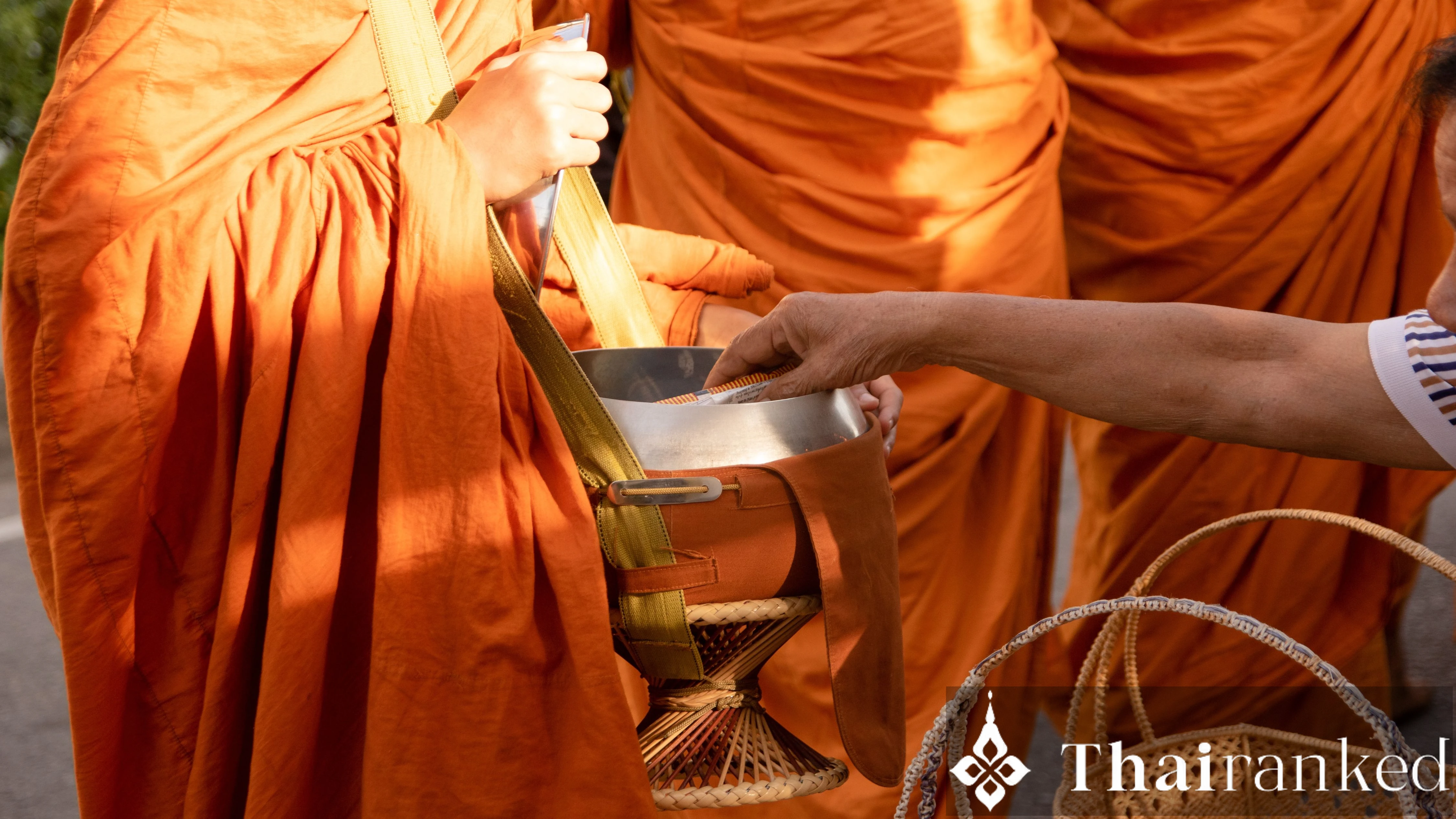
Tak Bat (ตักบาตร) is the Thai phrase for the act of offering alms to Buddhist monks. This ritual happens most often in the early morning, when monks leave their temples barefoot, walking single-file along the streets. Local laypeople kneel by the roadside, placing prepared food, typically sticky rice, fruit, or small parcels, into the monks’ alms bowls. Tak Bat is deeply rooted in Theravada Buddhist practice, and it’s much more than a surface-level tradition:
- Impermanence & Generosity: Giving alms reinforces the Buddhist values of generosity (dana) and non-attachment. It reminds people of life’s impermanence and the value of helping others.
- Mutual Support: Monks rely entirely on alms for their sustenance, while laypeople believe that giving supports their karmic merit and spiritual growth.
- Community Connection: The ritual fosters a sense of mutual dependency and harmony within the community.
Tak Bat is not a tourist show. It’s a living spiritual exchange, one at the heart of everyday Thai life.
How to Observe or Participate Respectfully
Whether you wish to simply observe or join the act of giving, being respectful is paramount. Here are essential guidelines for travelers and expats on how to participate in or watch Tak Bat:
Dress Modestly & Appropriately
Out of respect, both men and women should wear clothing that covers their shoulders and knees. Bright or flashy attire should be avoided.
Mind Your Behavior
- Keep silent or speak softly.
- Avoid physical contact with monks (especially for women).
- If you’re taking photos, do so discreetly and never use a flash.
- For more on temple etiquette, see our guide: What Thai Temple Rituals Mean.
How to Give Alms (Tak Bat)
- Kneel or sit with your feet tucked away as monks approach.
- Prepare clean, fresh food. If unsure, pre-packed snacks, rice, or fruit are accepted.
- Place your offering gently into the monk’s bowl without making eye contact.
- After, monks may chant a brief blessing, wait quietly until they finish.
- Women: Avoid direct contact. If you wish, offer items via a male intermediary or place items on a cloth for monks to collect.
Where to Experience Alms Giving in Thailand
Tak Bat happens all over Thailand, but certain locations are especially famous for cultural or scenic reasons. Here are a few notable places to witness this beautiful tradition:
- Luang Prabang (just across the Thai border, Laos): While not in Thailand, the town’s UNESCO status and sheer scale of daily morning alms rounds are legendary.
- Chiang Mai: In the Old City, especially near Tha Pae Gate, monks from the city’s many temples make their morning rounds. Try it at Wat Phra Singh or along Ratchadamnoen Road.
- Bangkok: While less visible downtown, you can find Tak Bat near Wat Benjamabophit (the Marble Temple) or in traditional neighborhoods like Banglamphu. If you’re a morning person, add this to your list: The best museums in Bangkok can round out your cultural exploration.
- Sukhothai Historical Park: In this former capital, monks walk the ancient pathways, a deeply atmospheric scene that feels unchanged by time.
- Smaller towns & villages: In less touristy locales, you’re more likely to encounter the authentic spirit of Tak Bat, far from the crowds.
Wherever you choose to witness Tak Bat, always approach it as a humble observer. Support local economies by purchasing offerings locally. Markets typically open early, so you can ask shopkeepers for pre-made alms sets.
Dos and Don'ts: FAQs for Responsible Travelers
- Do: Give only food or items that monks can use (no money, no packaged sweets with strong scents, no meat from animals killed specifically for alms).
- Don’t: Interrupt, block, or try to stage photos. Try not to stand over monks or treat the experience as a spectacle for social media.
- Do: Join locals, watch how they behave, and follow their example. Most are happy to explain the custom.
- Don’t: Bring pets or make noise. Early mornings are tranquil and sacred.
Curious about how Thais express respect and subtle cultural boundaries? Read about the concept of Kreng Jai: Why Thais Say Yes When They Mean No.
Alms Giving and Modern Thailand
Thailand’s fast-changing cities might seem at odds with centuries-old rituals like Tak Bat. But in reality, this custom remains incredibly relevant. You’ll see young students offering breakfast to orange-robed monks before school, and businesspeople pausing on bustling streets with bags of rice. For many Thais, alms giving isn’t just a religious act; it’s woven into milestones, merit-making (bong suang), and even holidays.
On special Buddhist holidays, large-scale Tak Bat ceremonies occur nationwide, sometimes drawing hundreds of monks. If you’re visiting during these times, ask locals or check temple noticeboards for public events, a unique way to immerse yourself while avoiding tourist crowds.
Learn what other special days mean for your visit with our guide to Thai Public Holidays 2026.
Experiencing Tak Bat: Responsible Tourism
Participating or observing Tak Bat can be transformative. By approaching with honesty, humility, and awareness, you become part of a centuries-old exchange grounded in generosity and mindfulness. Remember, your presence matters. Responsible tourism during Tak Bat means making sure that your actions honor the tradition, rather than turning it into a photo opportunity.
If you’re planning an early morning alms experience, you may want to choose accommodation near major temples or in historic quarters. Consider browsing Bangkok hotels on Trip.com for comfortable stays close to Bangkok’s spiritual heart.
Key takeaways
- Tak Bat reflects central Theravada Buddhist beliefs in generosity and interdependence between monks and laypeople.
- Dress modestly, follow local lead, and avoid intruding or disrupting the ritual.
- Best places to observe Tak Bat include Chiang Mai, Bangkok’s old neighborhoods, Sukhothai, and smaller towns.
- Responsible participation adds meaning to your travel, supports local traditions, not staged spectacles.
- Tak Bat continues to shape modern Thai life and remains relevant throughout the country.
by Thairanked Guide
Thairanked helps you discover great places in Thailand!
Search Hotels & Flights
Related Insights
Stay respectful and cool during Bangkok temple visits. Learn practical tips for modest dressing that'll get you through sweltering days in the city.
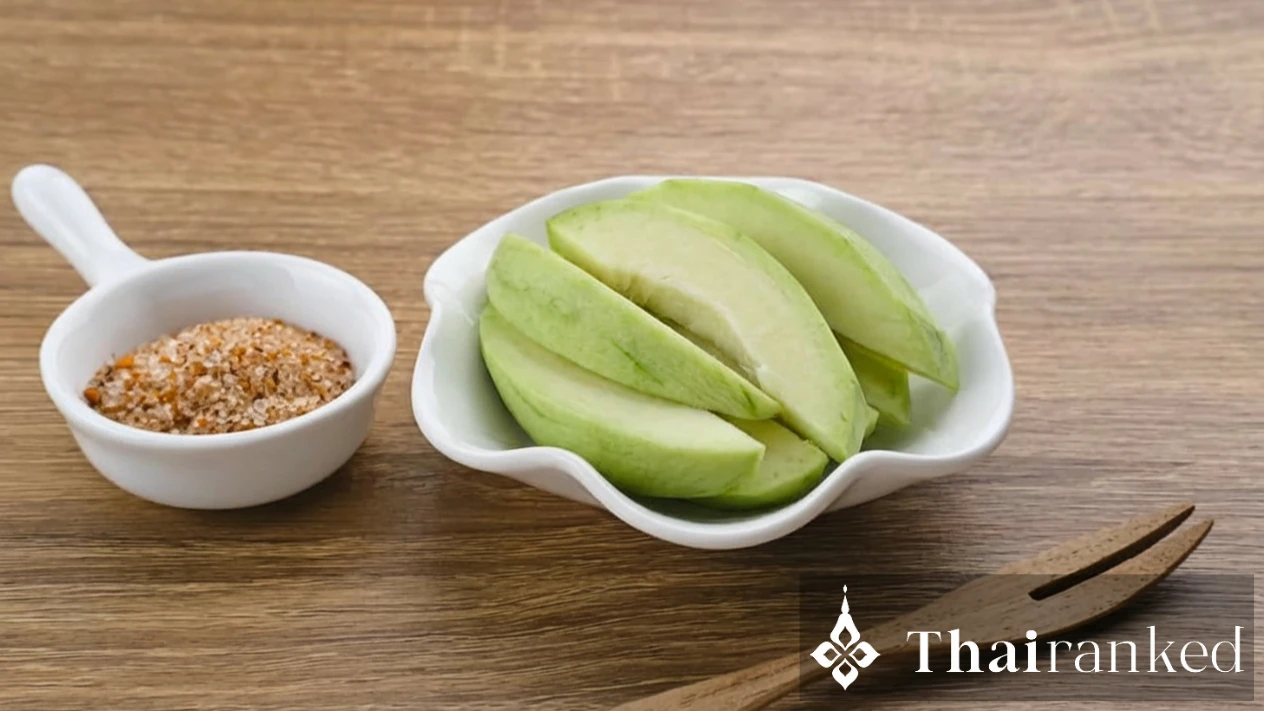
Discover why Thais dip green mango in chili salt, the origins, flavor secrets, and tips for trying this tangy, spicy Thai snack on your next trip.
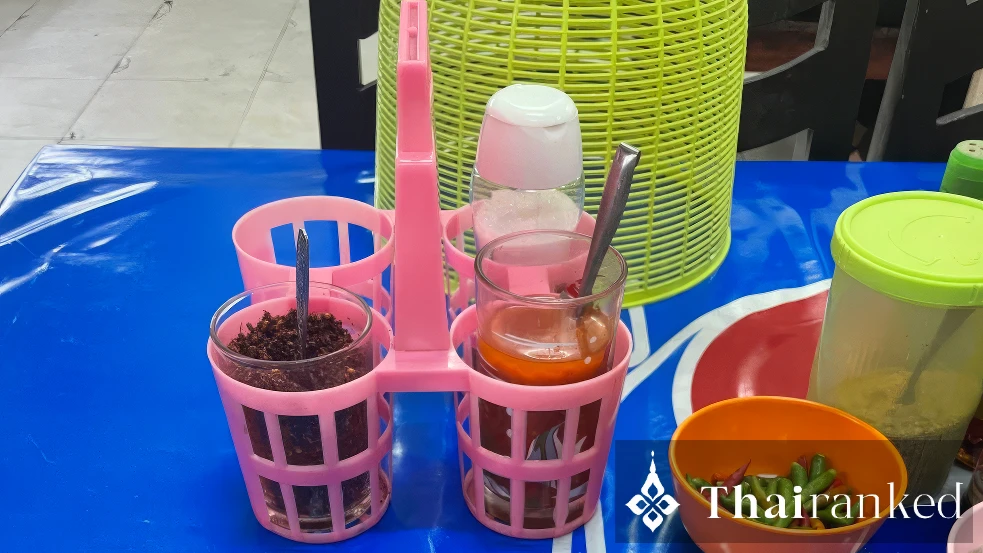
Discover the secrets of the Thai noodle shop condiment tray. Learn how to use sugar, fish sauce, chili powder, and vinegar like a local.
Curious why Thailand’s year is 2569 instead of 2026? Discover the origins of the Thai Buddhist calendar and how to quickly convert it to the Western year.
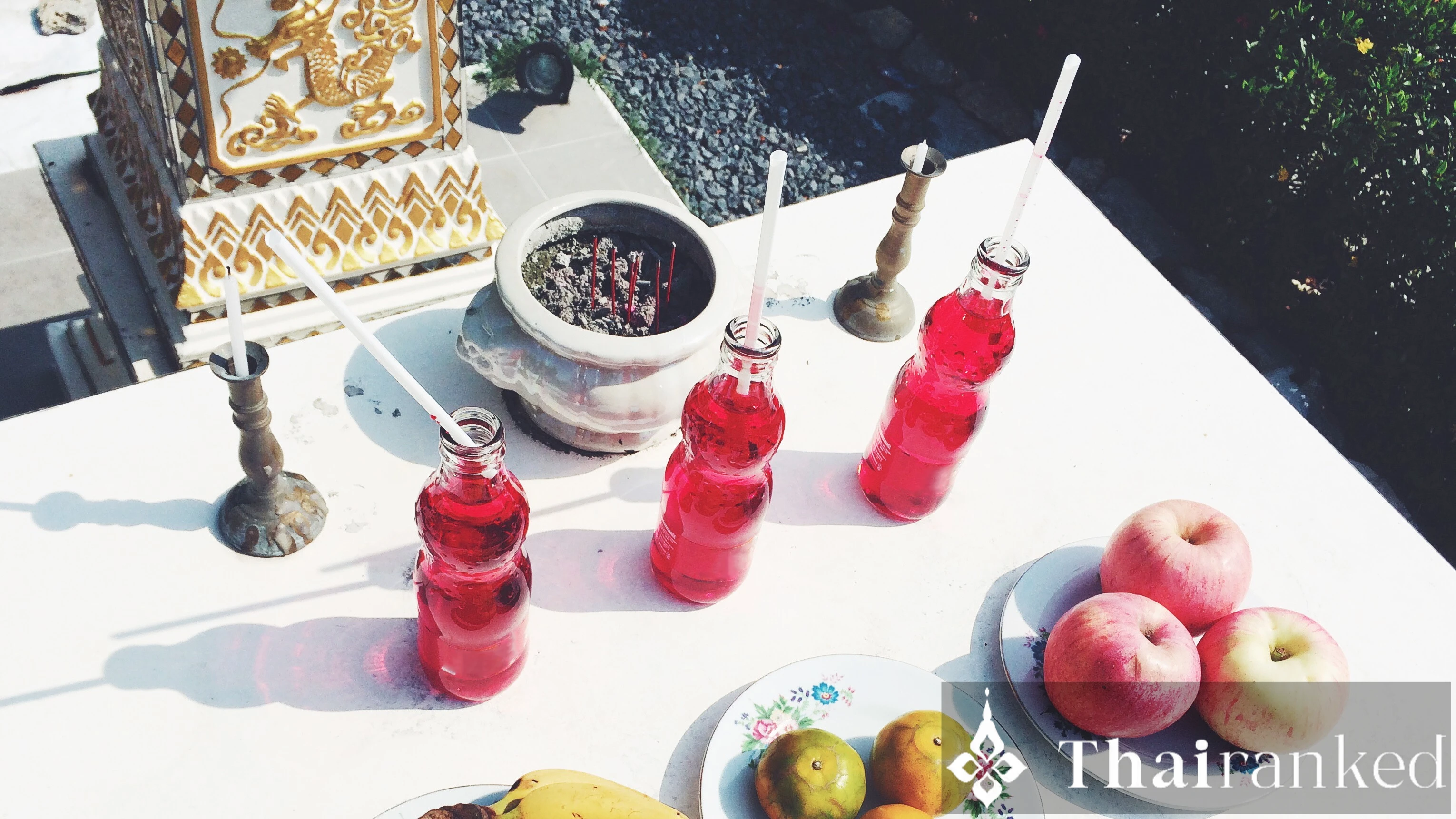
Discover the meaning behind Thailand's Red Fanta offerings at spirit houses. Learn about San Phra Phum, ancestor shrines, and etiquette for expats.
What people ask about
"Understanding Alms Giving (Tak Bat) in Thailand"
Here you will find answer to the most popular questions.