7 Budgetresetten voor Thaise expats in 2026: Rekkeningen, Bankieren en Kostenbesparende Wissels
January 04, 2026 03:33 AM
Verlaag je kosten van levensonderhoud in Thailand in 2026. Zeven praktische budgetreset opties voor expats, van mobiele plannen en bankieren tot transport, nutsvoorzieningen, markten en abonnementen.


by Thairanked Guide
Thairanked helps you discover great places in Thailand!
Inhoudsopgave
1. Schakel over naar een slimmer mobiel abonnement of eSIM
2. Los je bankstack op en verlaag kosten
3. Herzie uw huur: locatie, huurovereenkomst en inclusies
4. Snijd de kosten voor internet thuis en nutsvoorzieningen.
5. Verander slimmer met multimodale keuzes
6. Eet als een local: markten, bulkbasisproducten en watervullingen
7. Audits van abonnementen, verzekeringen en lifestyle-extra's
Zoek hotels & vluchten
Misschien vind je dit leuk










Inhoudsopgave
1. Schakel over naar een slimmer mobiel abonnement of eSIM
2. Los je bankstack op en verlaag kosten
3. Herzie uw huur: locatie, huurovereenkomst en inclusies
4. Snijd de kosten voor internet thuis en nutsvoorzieningen.
5. Verander slimmer met multimodale keuzes
6. Eet als een local: markten, bulkbasisproducten en watervullingen
7. Audits van abonnementen, verzekeringen en lifestyle-extra's
Nieuw jaar, nieuw budget. Als je langdurig in Thailand woont, kunnen kleine maandelijkse aanpassingen oplopen tot duizenden baht bespaard in 2026. Deze gids richt zich op realistische swaps die passen bij het expatleven in Bangkok, Chiang Mai, Phuket, Pattaya en daarbuiten, en helpt je terugkerende rekeningen te verlagen zonder in te boeten op comfort. We behandelen eerst de grote hefboom - mobiele plannen en bankieren - en gaan dan over op dagelijkse winstpunten zoals vervoer, nutsvoorzieningen, boodschappen en abonnementen. Elke "reset" is uitvoerbaar, Thailand-specifiek en vriendelijk voor zowel stads- als provinciale levensstijlen.
Mobiele data is waar veel expats stilletjes te veel uitgeven, vooral op legacy postpaid plannen. Veel van de goedkoopste winsten komen van het opnieuw bekijken van je echte gebruik en overstappen naar een betere SIM of eSIM bundel. Als je niet zeker weet waar te beginnen, helpt onze snelle inleiding je in enkele minuten opties te vergelijken: Gids voor SIM-kaarten of eSIMs in Thailand (2025-update). Van daaruit, stapel andere besparingen: betaal binnenlandse rekeningen via QR, vermijd verborgen bankkosten, wissel sommige treinritten in voor bussen of bootjes op de kanalen, en vernieuw je winkelroutine met marktgerichte aankopen. Door prioriteit te geven aan wat je het meeste gebruikt, voel je de besparingen onmiddellijk, en houd je ze het hele jaar door rollend.

1. Schakel over naar een slimmer mobiel abonnement of eSIM
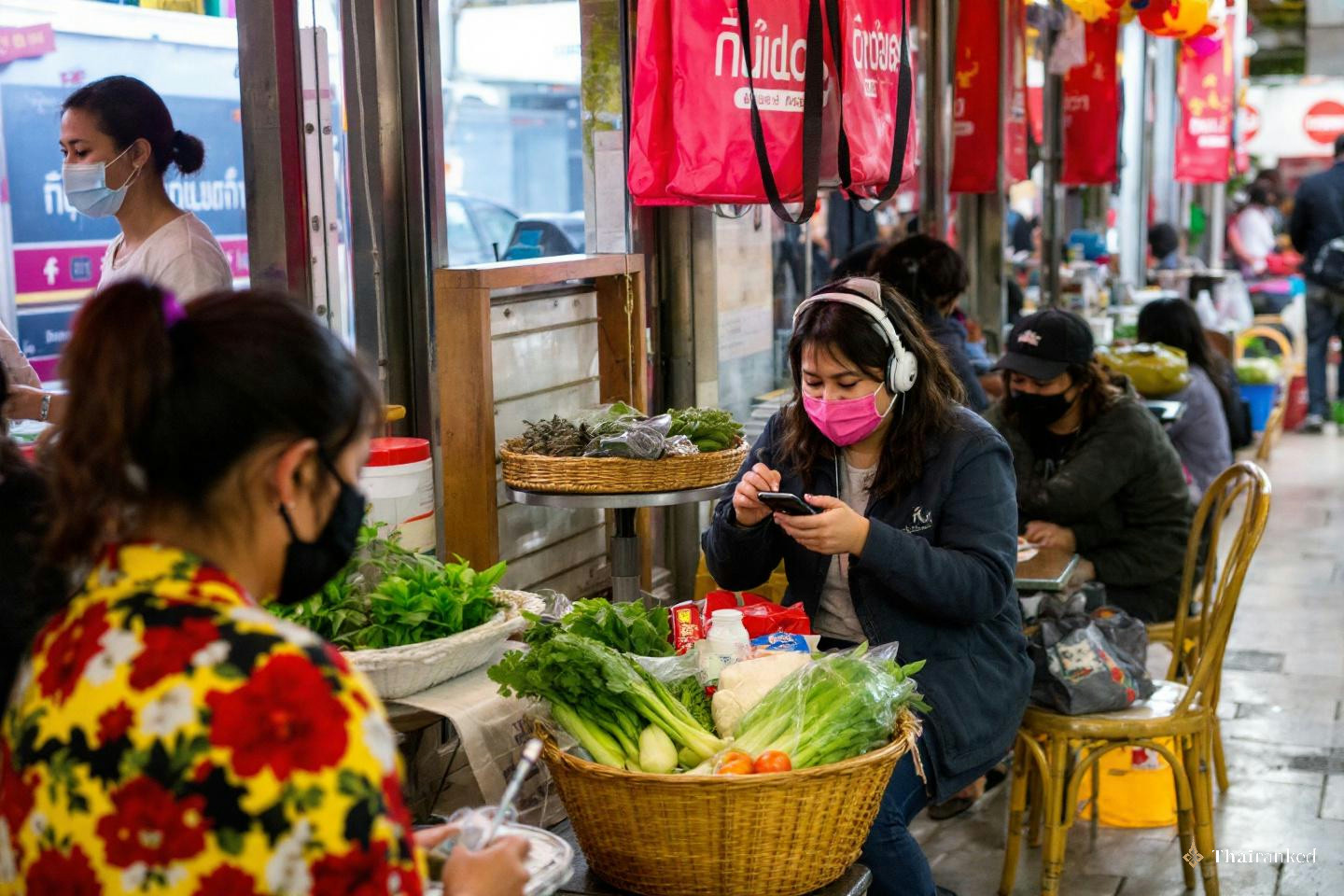
Stop met te veel betalen voor data die je niet gebruikt
Hoogtepunt
2. Los je bankstack op en verlaag kosten
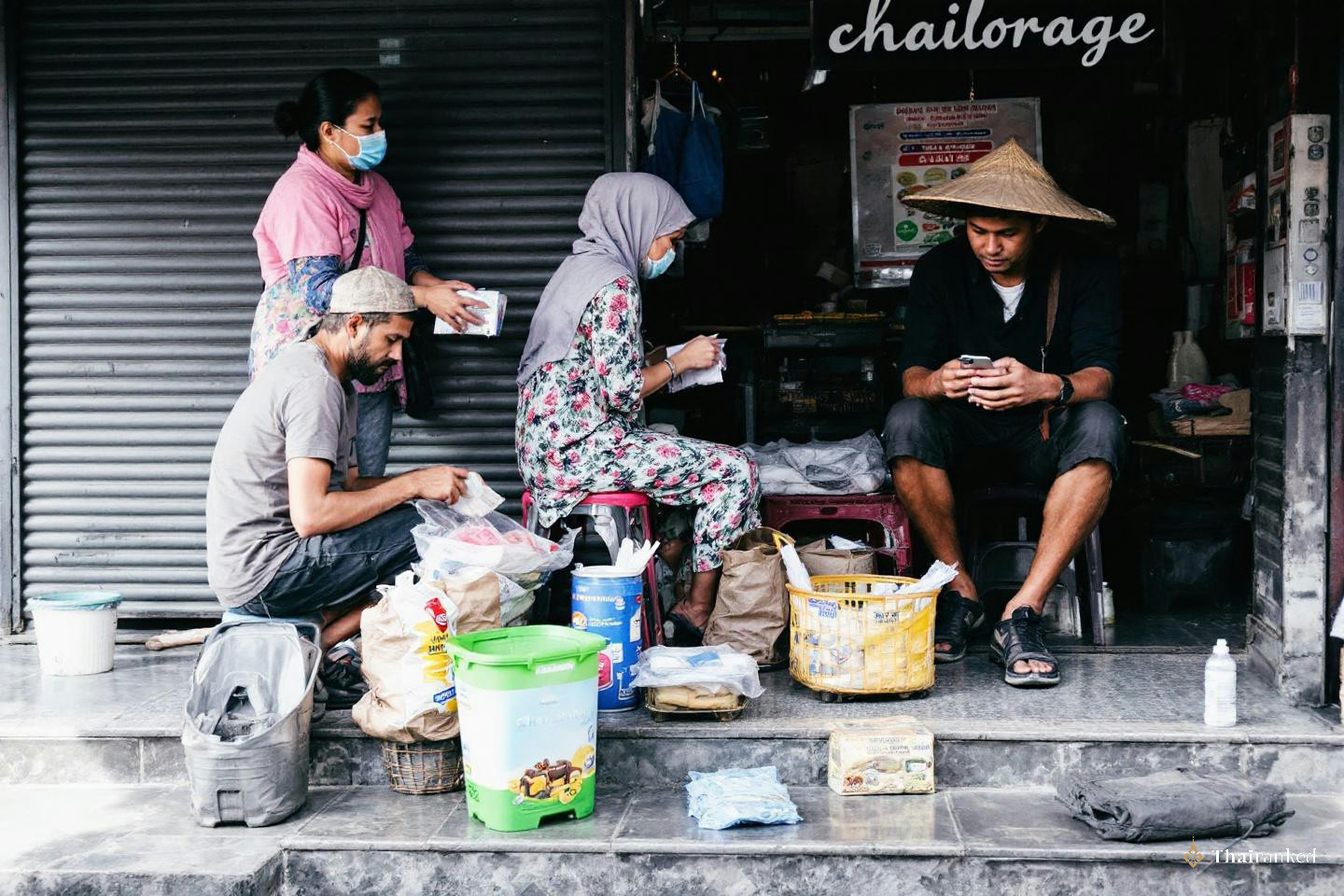
Maak PromptPay uw standaard, vermijd DCC en ATM-kosten
Hoogtepunt
3. Herzie uw huur: locatie, huurovereenkomst en inclusies
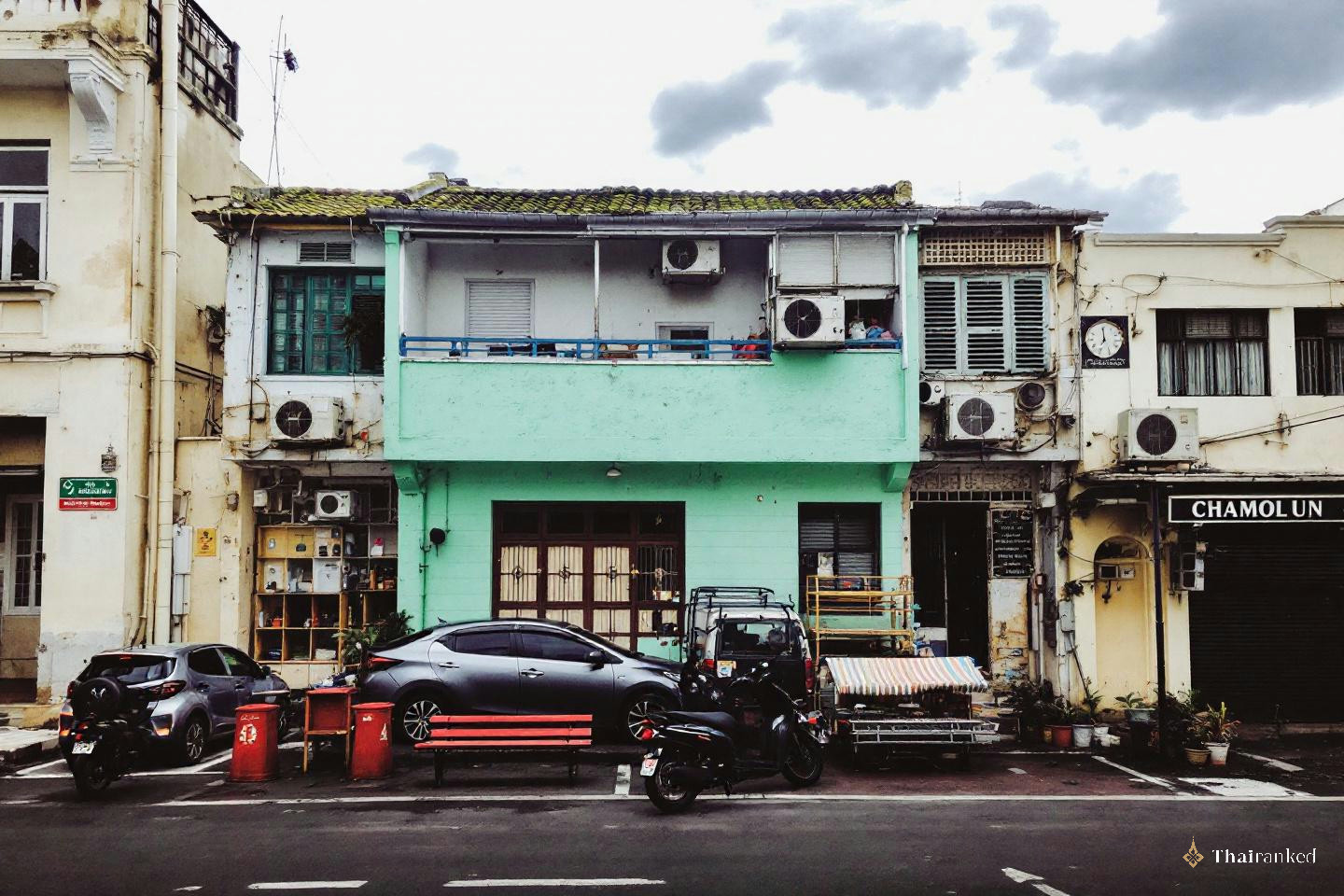
Verplaats één halte verder, onderhandel en bundel slim
Hoogtepunt
Zie ook
4. Snijd de kosten voor internet thuis en nutsvoorzieningen.
Retentie aanbiedingen, juiste snelheden en AC-discipline

Hoogtepunt
Thuisvezel is hyper-concurrerend. Bel één keer per jaar de retentielijn van uw provider en vraag naar de huidige promotieprijzen; instapvezelsnelheden kosten vaak veel minder dan legacy plannen. Vermijd het betalen voor overbodige snelheid als u voornamelijk surft, HD streamt en video-belt. Plaats uw router centraal en op een plank voor betere Wi‑Fi, waardoor de verleiding om de snelheid te upgraden vermindert. Stel de airco in op 26–27°C, maak filters maandelijks schoon, gebruik fans om de koele lucht te verspreiden en sluit deuren in ongebruikte kamers. Stap over op LED-lampen en haal inactieve elektronica uit het stopcontact om schijnverbruik te verminderen. Was kleren in koud water en hang ze te drogen wanneer mogelijk. Deze aanpassingen zijn saai maar betrouwbaar, en in tegenstelling tot eenmalige kortingen, worden ze op elke rekening opgeteld.
5. Verander slimmer met multimodale keuzes
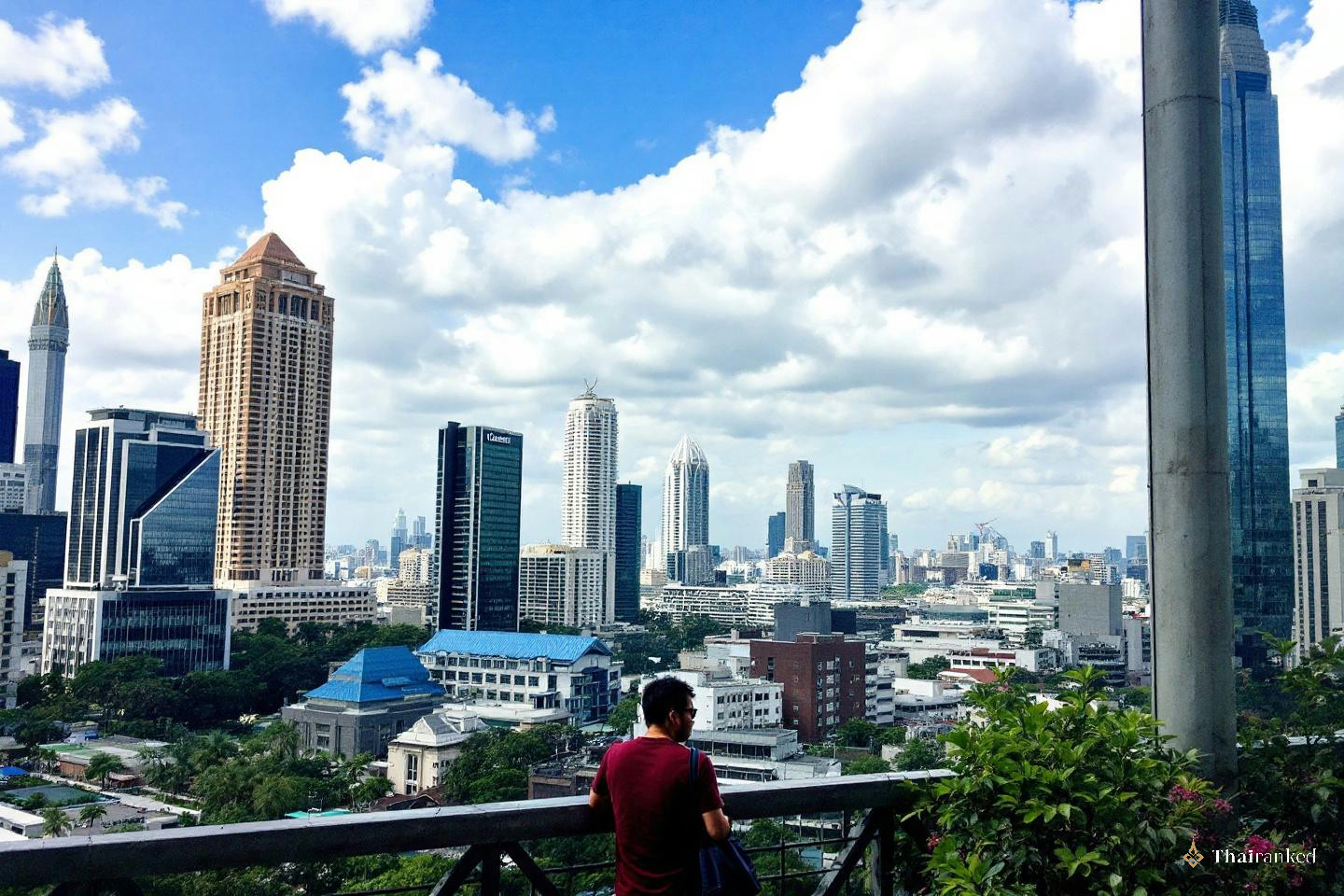
Gebruik de trein wanneer het snelst, bussen en boten wanneer het goedkoopst.
Hoogtepunt
6. Eet als een local: markten, bulkbasisproducten en watervullingen
Marktgericht winkelen verslaat impulsaankopen in supermarkten

Hoogtepunt
7. Audits van abonnementen, verzekeringen en lifestyle-extra's
Annuleren, consolideren en goedkopere standaarden kiezen
Hoogtepunt
Denk aan deze zeven stappen als een jaarlijkse afstemming voor het leven in Thailand. Begin met de items met de hoogste impact—mobiel, bankieren en huur—en voeg vervolgens aanpassingen voor nutsvoorzieningen, multimodale transport, marktvriendelijke boodschappengewoonten en een abonnementsvoorjaar schoonmaak toe. Als je de voorkeur geeft aan twee wielen, bestudeer dan veiligheid, verzekering en eerlijke tarieven voordat je overstapt; onze gids, De Ultieme Gids voor het Huren van een Motorfiets, behandelt de belangrijkste risico's en besparingen. En als je op zoek bent naar een betere huurprijs voor een appartement in 2026, kunnen apps je zoektocht versnellen; zie Top 6 Appartement Huurapps in Thailand voor opties in verschillende budgetklassen en regio's.
Het gaat niet om ontbering, het gaat om afstemming: betaal alleen voor wat je daadwerkelijk gebruikt, kies het goedkoopste betrouwbare kanaal voor elke routine, en heronderhandel eenmaal per jaar. Doe dat en je kosten van levensonderhoud in Thailand zullen van nature dalen, waardoor er meer baht overblijft voor reizen, taallessen of een weekend aan het strand.
by Thairanked Guide
Thairanked helps you discover great places in Thailand!
Waar mensen naar vragen over
"7 Budgetresetten voor Thaise expats in 2026: Rekkeningen, Bankieren en Kostenbesparende Wissels"
Hier vind je antwoorden op de meest populaire vragen over Thailand.