7 Restablecimientos de Presupuesto para Expatriados en Tailandia en 2026: Facturas, Banca y Opciones de Ahorro
January 04, 2026 03:33 AM
Última edición: January 03, 2026
Reduce tu costo de vida en Tailandia en 2026. Siete ajustes de presupuesto prácticos para expatriados, desde planes móviles y banca hasta transporte, servicios públicos, mercados y suscripciones.


by Thairanked Guide
Thairanked helps you discover great places in Thailand!
Tabla de contenidos
1. Cambia a un plan móvil más inteligente o eSIM
2. Arregla tu sistema bancario y elimina las tarifas
3. Repensa tu alquiler: ubicación, contrato y inclusiones
4. Reducir el desperdicio de internet en casa y de servicios públicos
5. Desplázate de manera más inteligente con opciones multimodales
6. Coma como un local: mercados, productos a granel y recargas de agua
7. Auditar suscripciones, seguros y extras de estilo de vida
Buscar hoteles y vuelos
También te puede gustar










Tabla de contenidos
1. Cambia a un plan móvil más inteligente o eSIM
2. Arregla tu sistema bancario y elimina las tarifas
3. Repensa tu alquiler: ubicación, contrato y inclusiones
4. Reducir el desperdicio de internet en casa y de servicios públicos
5. Desplázate de manera más inteligente con opciones multimodales
6. Coma como un local: mercados, productos a granel y recargas de agua
7. Auditar suscripciones, seguros y extras de estilo de vida
Año nuevo, presupuesto nuevo. Si vives en Tailandia a largo plazo, pequeños ajustes mensuales pueden sumar miles de baht ahorrados en 2026. Esta guía se enfoca en intercambios realistas que se adaptan a la vida de expatriados en Bangkok, Chiang Mai, Phuket, Pattaya y más allá, ayudándote a reducir facturas recurrentes sin sacrificar comodidad. Cubriremos primero los grandes factores—planes móviles y banca—y luego nos moveremos hacia ahorros de uso diario como transporte, servicios públicos, comestibles y suscripciones. Cada “reinicio” es acciónable, específico de Tailandia y amigable tanto para estilos de vida urbanos como provinciales.
Los datos móviles son donde muchos expatriados gastan en exceso, especialmente en planes postpagados heredados. Muchos de los ahorros más baratos provienen de revisar tu uso real y pasar a un paquete de SIM o eSIM mejor adaptado. Si no estás seguro de por dónde empezar, nuestro rápido resumen te ayudará a comparar opciones en minutos: Guía de Tarjetas SIM o eSIM en Tailandia (Actualización 2025). A partir de ahí, acumula otros ahorros: paga facturas domésticas a través de QR, evita tarifas bancarias ocultas, intercambia algunos viajes en tren por autobuses o botes de canal, y renueva tu rutina de compras con compras prioritarias en el mercado. Al priorizar lo que más usas, sentirás los ahorros de inmediato y los mantendrás durante todo el año.

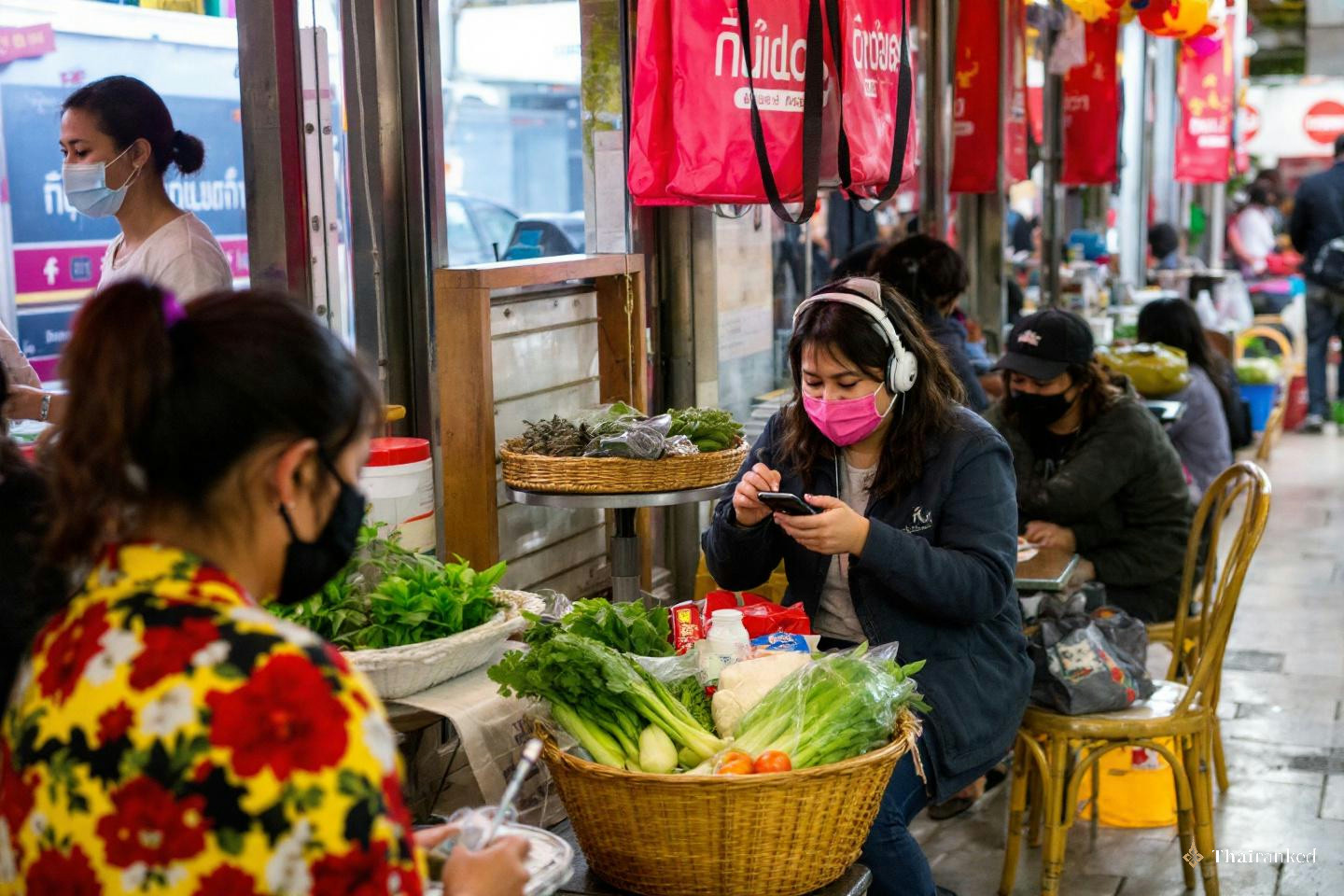
1. Cambia a un plan móvil más inteligente o eSIM
Deja de pagar de más por datos que no usas
Destacado
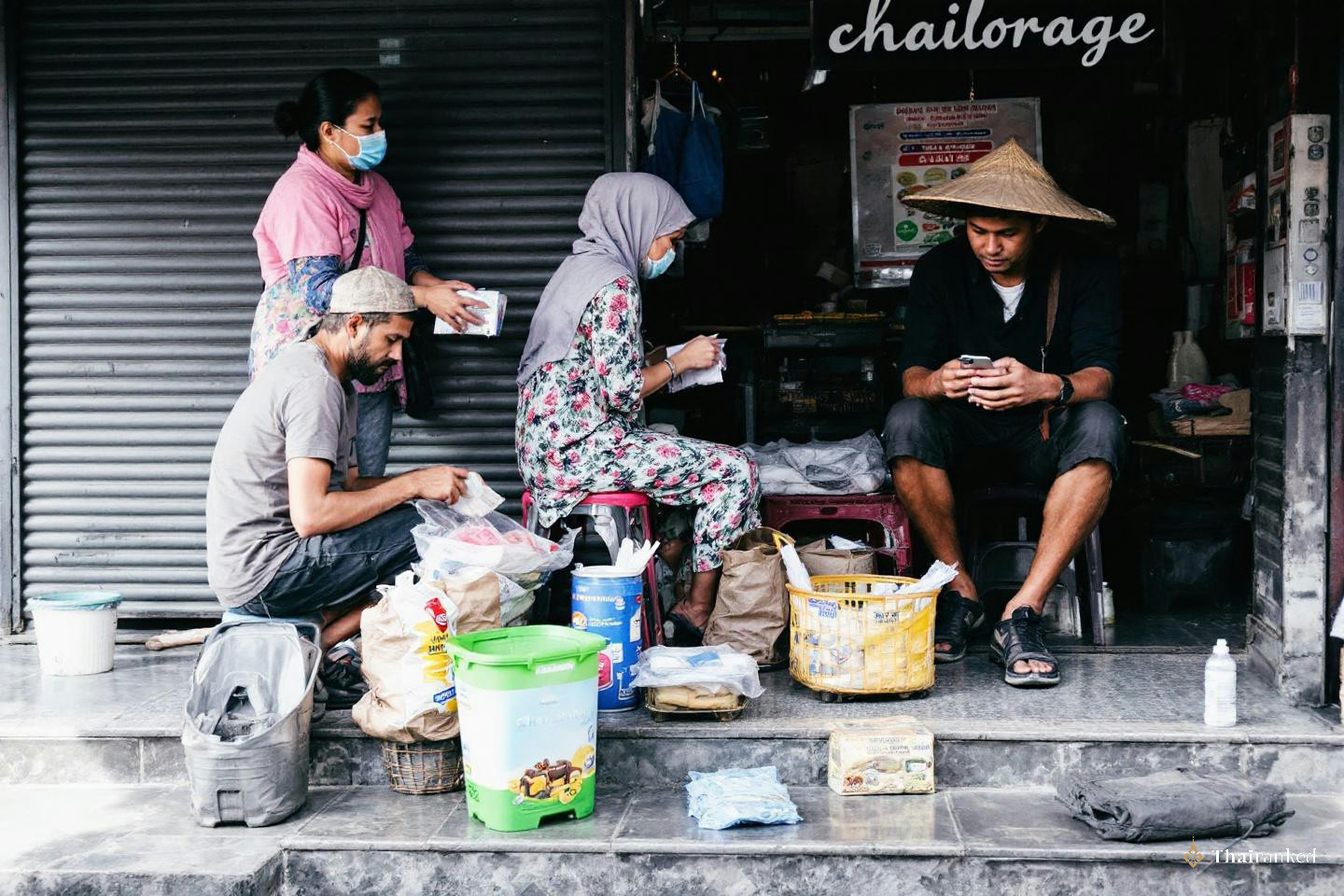
2. Arregla tu sistema bancario y elimina las tarifas
Haz de PromptPay tu predeterminado, evita DCC y cargos de cajero automático.
Destacado
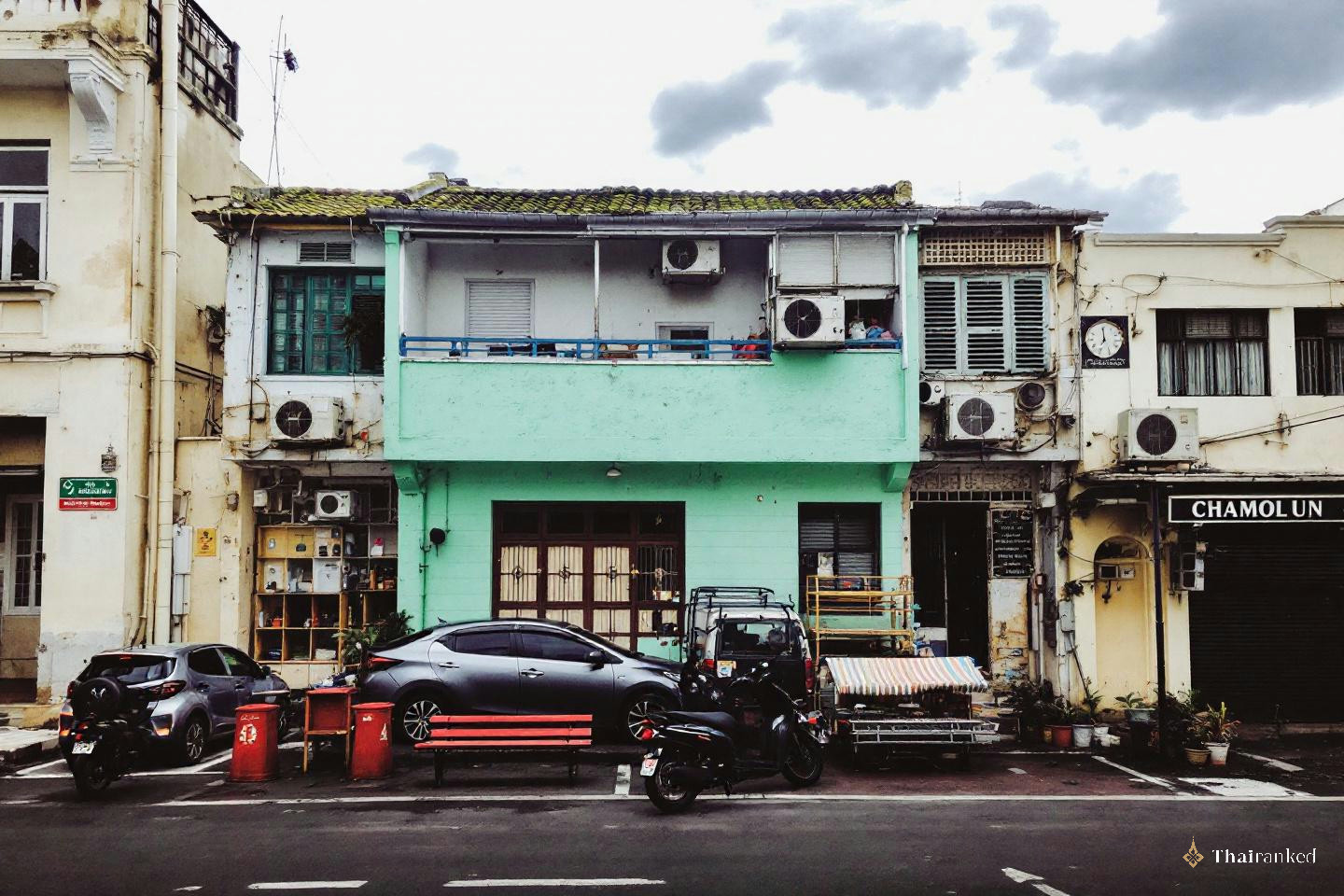
3. Repensa tu alquiler: ubicación, contrato y inclusiones
Muévete una parada más allá, negocia y agrupa inteligentemente.
Destacado
Ver también
4. Reducir el desperdicio de internet en casa y de servicios públicos
Acuerdos de retención, velocidades adecuadas y disciplina en el AC

Destacado
La fibra doméstica es hipercompetitiva. Llama a la línea de retención de tu proveedor una vez al año y pregunta por las tarifas promocionales actuales; las velocidades de fibra de nivel de entrada a menudo cuestan mucho menos que los planes antiguos. Evita pagar por velocidades redundantes si principalmente navegas, transmites en HD y haces videollamadas. Coloca tu enrutador de manera central y en una estantería para obtener un mejor Wi‑Fi, reduciendo la tentación de actualizar la velocidad. Para la electricidad, ajusta el aire acondicionado a 26–27°C, limpia los filtros mensualmente, usa ventiladores para distribuir el aire frío y cierra las puertas en las habitaciones no utilizadas. Cambia a bombillas LED y desconecta los electrónicos inactivos para reducir la carga fantasma. Lava la ropa con agua fría y sécala al aire cuando sea posible. Estos ajustes son aburridos pero confiables, y a diferencia de los descuentos únicos, se acumulan en cada factura.
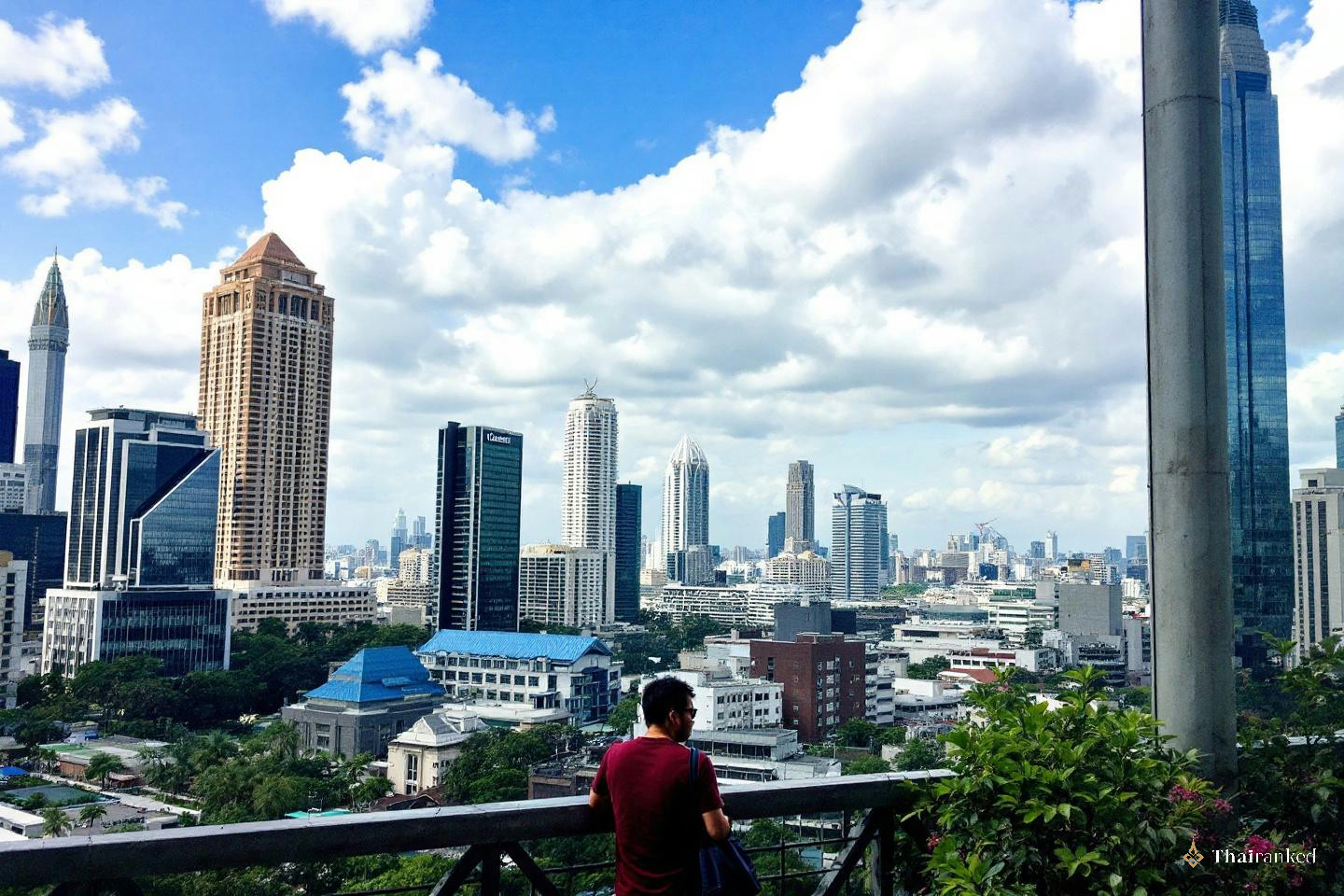
5. Desplázate de manera más inteligente con opciones multimodales
Utiliza el tren cuando sea más rápido, autobuses y barcos cuando sea más barato.
Destacado
6. Coma como un local: mercados, productos a granel y recargas de agua
La compra en mercados supera las compras impulsivas en supermercados

Destacado
7. Auditar suscripciones, seguros y extras de estilo de vida
Cancelar, consolidar y elegir opciones más económicas por defecto
Destacado
¿Falta un negocio que recomendarías?
Cuéntanos quién debería estar en esta lista y nuestros editores lo revisarán.
Piense en estos siete movimientos como una puesta a punto anual para la vida en Tailandia. Comience con los elementos de mayor impacto: móvil, banca y alquiler; luego añada ajustes de servicios públicos, transporte multimodal, hábitos de compra en mercados, y una limpieza de primavera de suscripciones. Si prefiere dos ruedas, estudie la seguridad, el seguro y las tarifas justas antes de cambiar; nuestra guía, La Guía Definitiva para Alquilar una Motocicleta, cubre los riesgos clave y los ahorros. Y si está buscando un mejor trato en un apartamento en 2026, las aplicaciones pueden acelerar su búsqueda; consulte Las 6 Mejores Aplicaciones de Alquiler de Condominios en Tailandia para opciones en diferentes rangos de presupuesto y regiones.
El objetivo no es la privación, sino la alineación: pague solo por lo que realmente usa, elija el canal confiable más barato para cada rutina y renegocie una vez al año. Haga eso y su costo de vida en Tailandia disminuirá naturalmente, dejando más baht para viajar, clases de idiomas o un fin de semana en la playa.
by Thairanked Guide
Thairanked helps you discover great places in Thailand!
Lo que la gente pregunta sobre
"7 Restablecimientos de Presupuesto para Expatriados en Tailandia en 2026: Facturas, Banca y Opciones de Ahorro"
Aquí encontrarás respuestas a las preguntas más populares sobre Tailandia.