Whale Shark Season Thailand: Best Dive Sites (Mar–May)
January 03, 2026 03:09 PM
Last edited: January 07, 2026
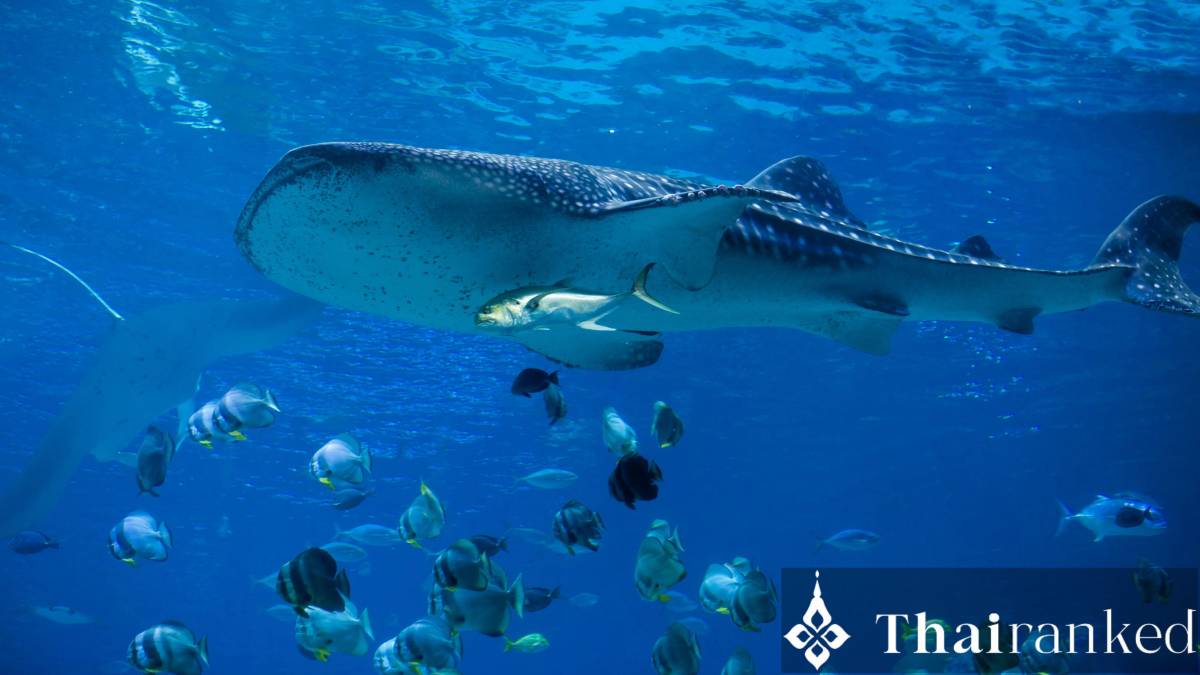
Whale shark season in Thailand runs Mar–May. See the best dive sites, safety and etiquette, certification needs, and liveaboard tips for your trip.

by Thairanked Guide
Thairanked helps you discover great places in Thailand!
Table of Contents
1. Richelieu Rock (Surin Islands)
2. Sail Rock (Gulf of Thailand)
3. Chumphon Pinnacle (Koh Tao)
4. Hin Daeng & Hin Muang (Koh Lanta)
5. Koh Bon (West Ridge)
6. Koh Tachai Pinnacle
7. Surin Islands (Torinla & Chong Kaad)
8. Koh Haa (Lagoon & Cathedral)
9. Boonsung Wreck (Khao Lak)
10. Similan Islands (Elephant Head & Beyond)
Search Hotels & Flights
You might like

Table of Contents
1. Richelieu Rock (Surin Islands)
2. Sail Rock (Gulf of Thailand)
3. Chumphon Pinnacle (Koh Tao)
4. Hin Daeng & Hin Muang (Koh Lanta)
5. Koh Bon (West Ridge)
6. Koh Tachai Pinnacle
7. Surin Islands (Torinla & Chong Kaad)
8. Koh Haa (Lagoon & Cathedral)
9. Boonsung Wreck (Khao Lak)
10. Similan Islands (Elephant Head & Beyond)
When and where to meet Thailand’s gentle giants
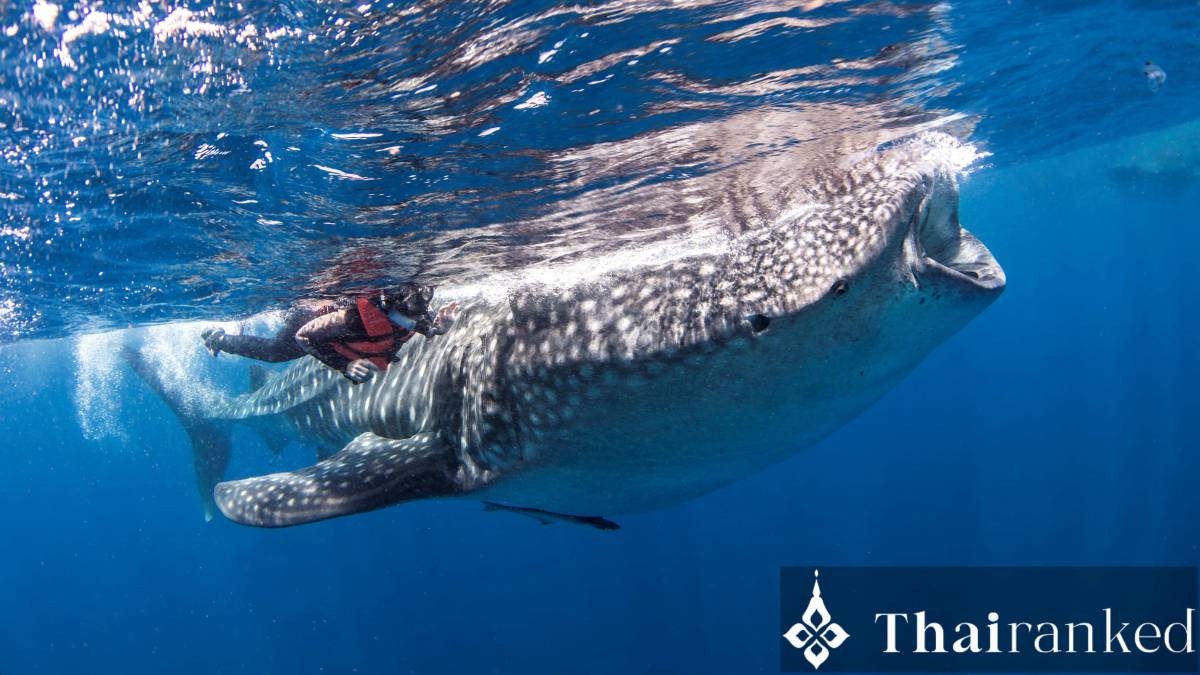
Whale shark season in Thailand typically peaks from March to May, when plankton blooms draw the ocean’s biggest fish to both the Andaman Sea and the Gulf of Thailand. Sightings are never guaranteed, but certain sites consistently deliver the best odds, including Richelieu Rock in the Surin Islands, Koh Bon and Tachai on Similan routes, and Sail Rock and Chumphon Pinnacle around Koh Tao. If you are planning Andaman liveaboards, note that the marine parks are open during this window, and conditions are usually calm and blue. For background on timing, see why the Similan Islands are open in the dry season.
Certifications and prep
For most pinnacle and offshore sites, Advanced Open Water with recent experience is strongly recommended. Deep and Nitrox specialties increase bottom time and safety at 25–35 meters, and many liveaboards require an SMB, audible signaling device, and a dive computer. Currents can be spirited, so solid buoyancy and comfort with negative entries help.
Encounter etiquette and safety
- Keep 3–4 meters distance, never touch or block a whale shark’s path.
- Stay slightly below and to the side, avoid flash and rapid scooter pursuits.
- Maintain perfect buoyancy over fragile corals, and follow your guide’s briefings.
- If current builds, abort the chase, deploy SMBs, and surface as a team.
Below are Thailand’s top whale shark dive sites for Mar–May, with notes on conditions, skill level, and why each spot shines. We’ve also included quick tips for choosing a safe operator and the best liveaboard routes to maximize your chances.

1. Richelieu Rock (Surin Islands)
Thailand’s signature whale shark hotspot
Highlight
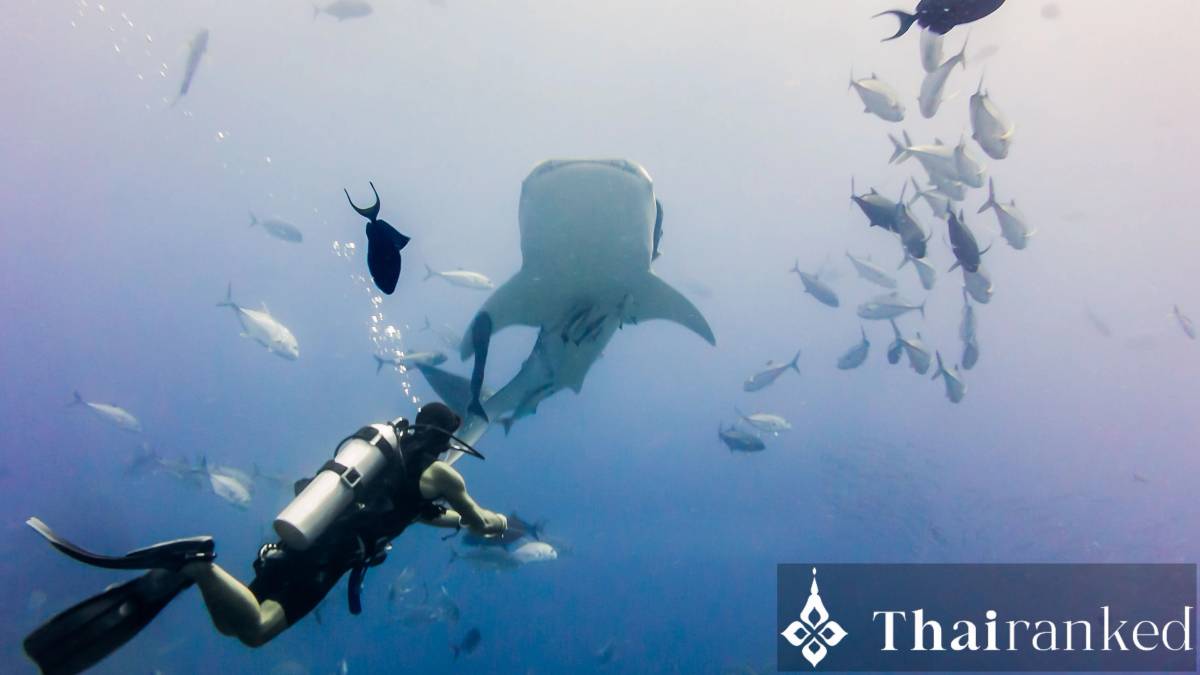
Often called Thailand’s whale shark capital, Richelieu Rock is a horseshoe-shaped pinnacle rising from 35 meters to just below the surface, draped in purple soft corals and swarmed by life. Peak season runs March to May, when plankton draws in whale sharks that cruise the perimeter, often making multiple passes. Expect moderate to strong currents, thermoclines, and blue-water safety stops. Advanced Open Water is strongly recommended, with Nitrox helpful for multi-level profiles. Great buoyancy and situational awareness are essential to avoid contact with the reef while keeping respectful distance from any sharks. Most divers visit via Khao Lak liveaboards that include Koh Bon and Koh Tachai, though long-range day boats can also make the trip in calm seas.
Essential Information
Phang Nga / Mu Ko Surin National Park
Highlight
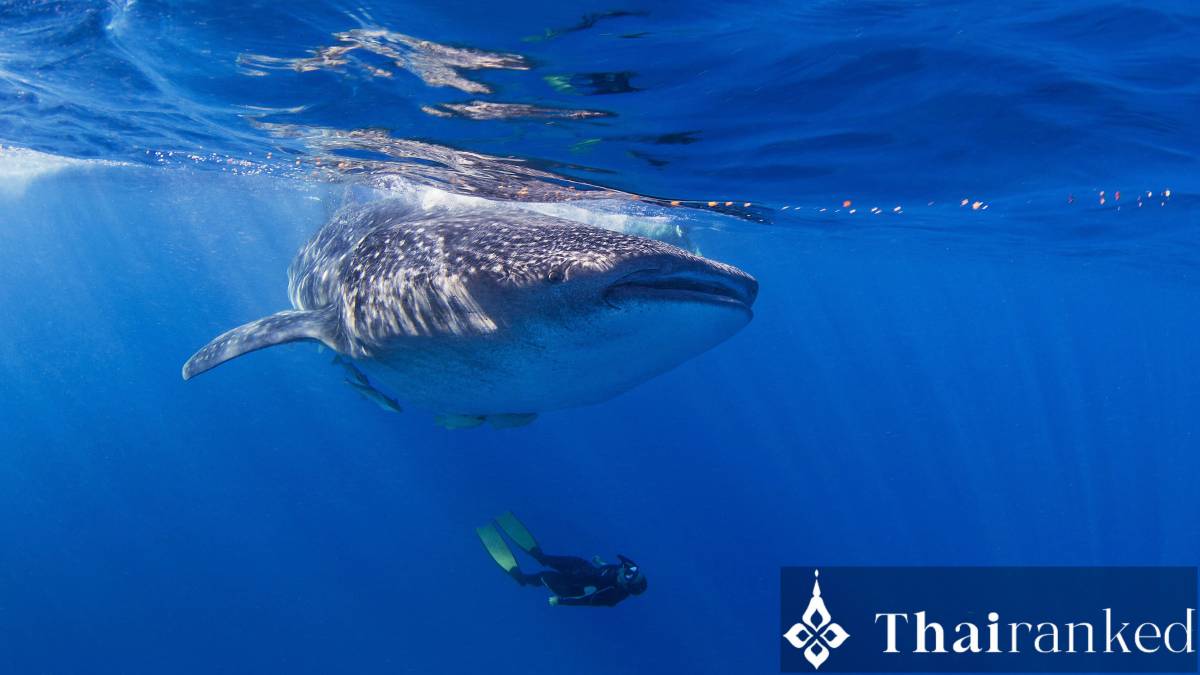
Sail Rock sits between Koh Tao and Koh Phangan, famous for its chimney swim-through and reliable big-fish traffic. Whale shark sightings spike from late March through May, especially on calm, sunny days with plankton-rich water. Depths range from 5 to 40 meters with variable currents around the rock’s shoulders. While experienced Open Water divers can join with close supervision, Advanced Open Water is recommended to enjoy the deeper terraces and manage drift. Expect schools of trevally, queenfish, and barracuda, plus healthy anemone gardens. Arrive early to avoid crowds, follow mooring-line descents when current runs, and keep 3–4 meters from any passing shark to avoid cutting off its route.
Essential Information
Surat Thani / Between Koh Tao & Koh Phangan
3. Chumphon Pinnacle (Koh Tao)
Deep pinnacle with seasonal pelagic action
Highlight
A deep granite seamount northwest of Koh Tao, Chumphon Pinnacle features a summit around 14 meters and sand at 30–36 meters. It is a classic spring magnet for whale sharks and bull-size schools of trevally, with seasonal thermoclines that can drop temperatures a few degrees. Currents vary from mild to brisk and can split, so briefings and compass awareness matter. Advanced Open Water and Deep or recent experience to 30 meters are strongly advised, and Nitrox extends time at the mid-20s. Maintain buoyancy above the anemone fields and keep your head on a swivel, as many shark passes happen just off the pinnacle in the blue.
Essential Information
Surat Thani / Koh Tao
See also

4. Hin Daeng & Hin Muang (Koh Lanta)
Dramatic walls with big-animal surprises
Highlight
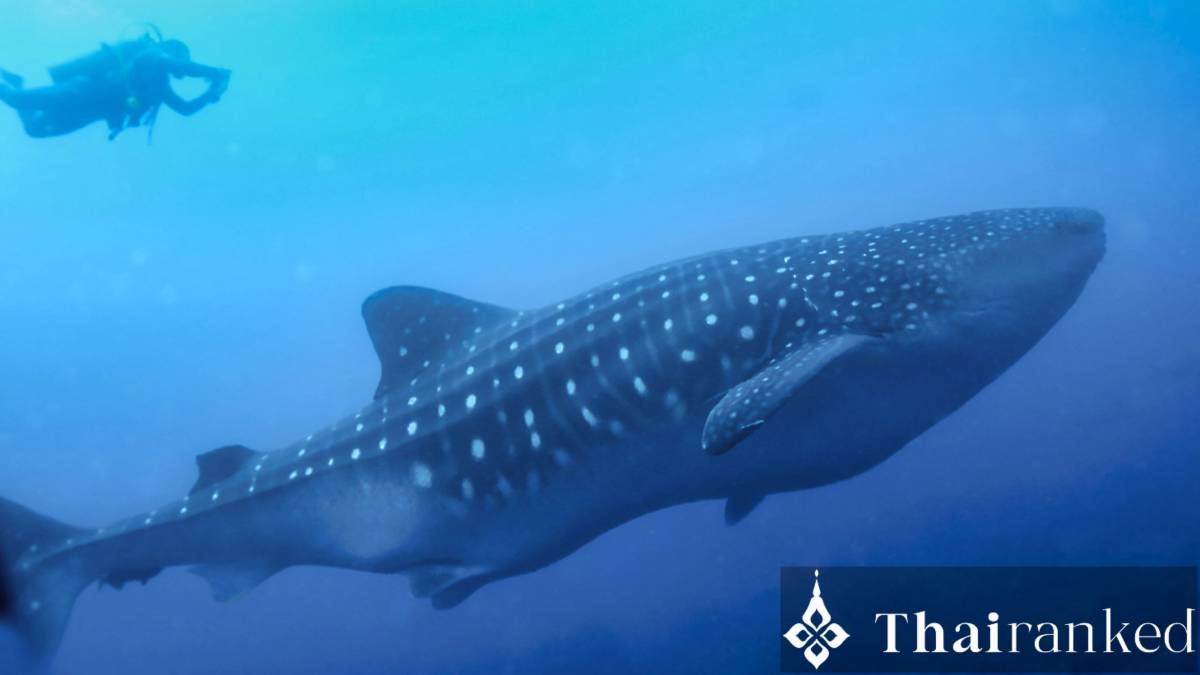
These twin offshore gems are famed for sheer walls, photogenic purple soft corals, and pelagic fly-bys. While mantas are the headline act, whale sharks also patrol the perimeter in late season when plankton builds. Depths drop well beyond recreational limits and currents can be strong, creating downcurrent zones at edges and corners. Operators typically require Advanced Open Water, recent dives to 30 meters, an SMB, and calm-sea forecasts. Divers with good gas management and trim are rewarded with dramatic topography, barracuda tornadoes, and the chance of a lifetime when a spotted giant appears out of the blue. Day trips run from Koh Lanta and sometimes Phuket in very good conditions.
Essential Information
Krabi / Offshore from Koh Lanta
5. Koh Bon (West Ridge)
Ridge drifts, mantas, and surprise shark drive-bys
Highlight
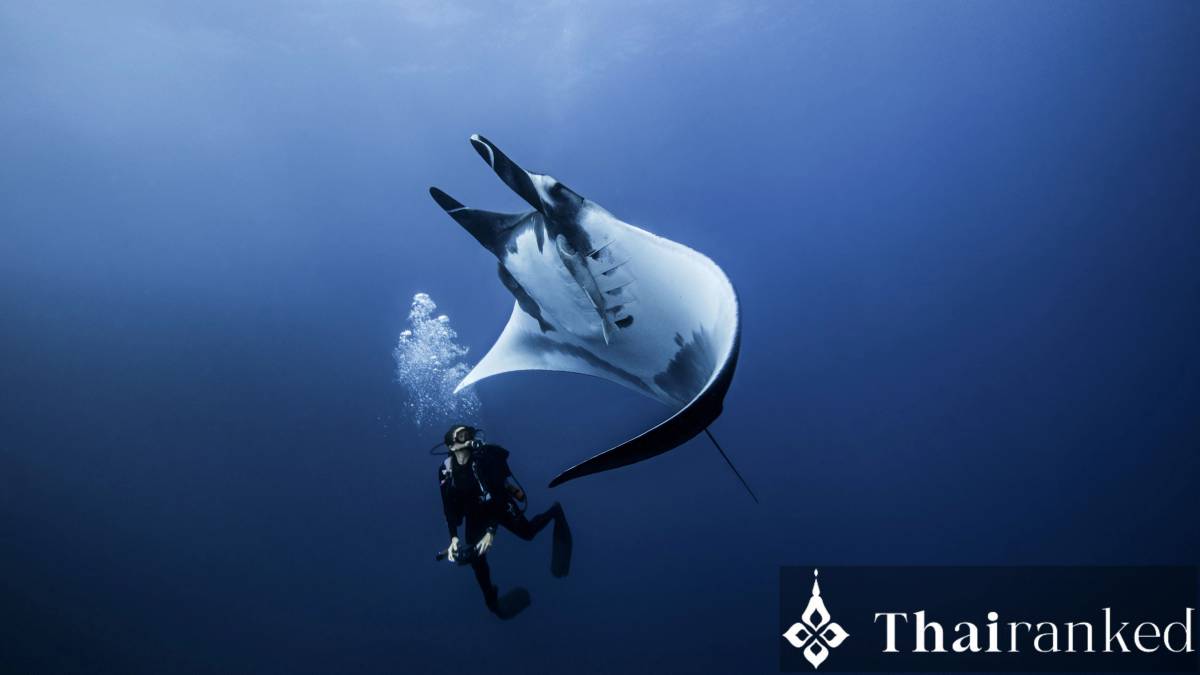
Part of the Similan–Surin liveaboard circuit, Koh Bon’s West Ridge is a manta magnet that also sees occasional whale shark passes, especially toward April and May. The ridge drops to around 35 meters with step-down ledges, and currents can funnel along the structure creating thrilling drifts. Expect glassfish clouds, hunting trevally, and big rays circling the cleaning stations. Stay slightly below the action, hold position with finning instead of grabbing rock, and avoid reef hooks in protected areas. Advanced Open Water, Nitrox, an SMB, and a computer are recommended. Most boats time the dive for slack or manageable flow, with blue-water safety stops common.
Essential Information
Phang Nga / Similan–Surin Route
6. Koh Tachai Pinnacle
High-energy dome with pelagic traffic
Highlight
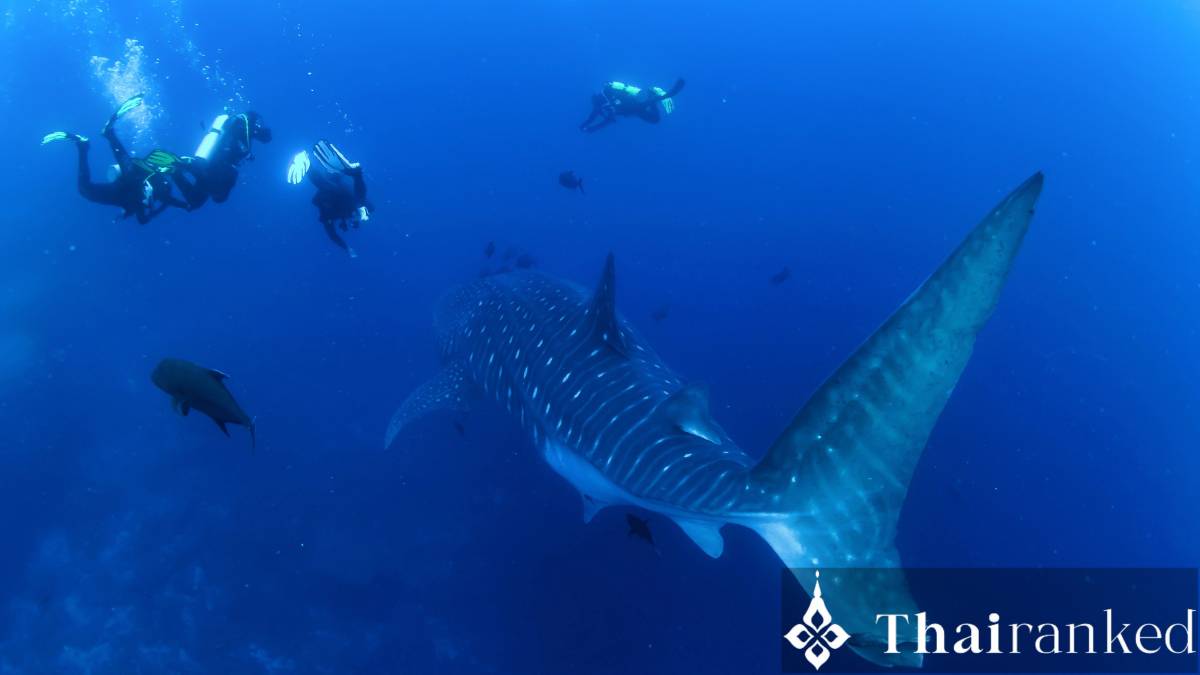
Koh Tachai’s dome-like granite boulder field is renowned for big-fish energy. When conditions align in March–May, whale sharks and mantas may cruise the current-swept edges while barracuda, rainbow runners, and jacks swarm above. Currents can be strong with occasional downcurrents, so negative entries, fast descents, and tight buddy discipline are key. Many operators set higher experience thresholds here, recommending 30–50 logged dives, Advanced Open Water, and confident SMB deployment. The site rewards patience—hold depth at the lee, watch the blue, and let pelagics approach. It is a staple of Similan–Surin liveaboards and is rarely dived by day boats due to its offshore location.
Essential Information
Phang Nga / Offshore, north of Similan Islands
7. Surin Islands (Torinla & Chong Kaad)
Gentler reefs with springtime surprises
Highlight
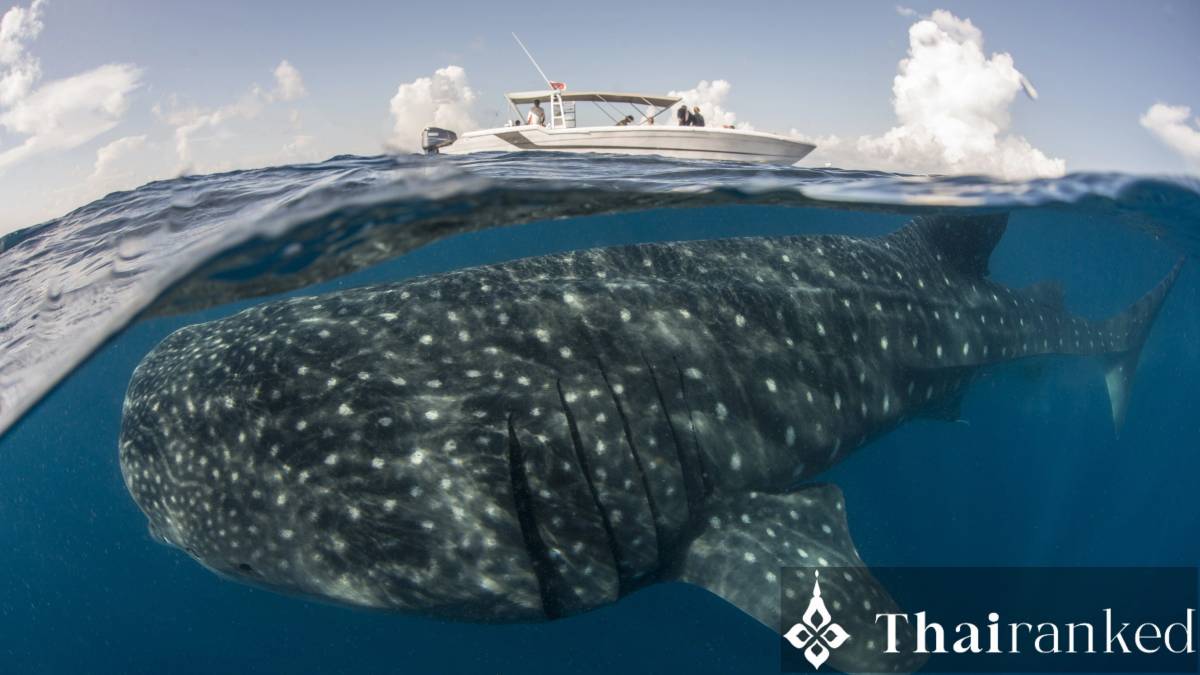
Beyond Richelieu, the Surin archipelago offers gentler fringing reefs suitable for less-experienced divers and mixed groups. Torinla and Chong Kaad feature healthy coral gardens, turtles, and schooling fusiliers, with occasional whale shark transits during bloom periods. Visibility ranges 15–30 meters, currents are usually modest, and depths stay within standard sport limits, making these sites ideal for tuning buoyancy before tackling pinnacles. While not as high-odds as Richelieu, they provide beautiful, low-stress dives with real pelagic potential in spring. Liveaboards often include a warm-up dive here, and day trips operate from Kuraburi or Khao Lak when seas are calm.
Essential Information
Phang Nga / Mu Ko Surin National Park
8. Koh Haa (Lagoon & Cathedral)
Sheltered training hub with pelagic potential
Highlight
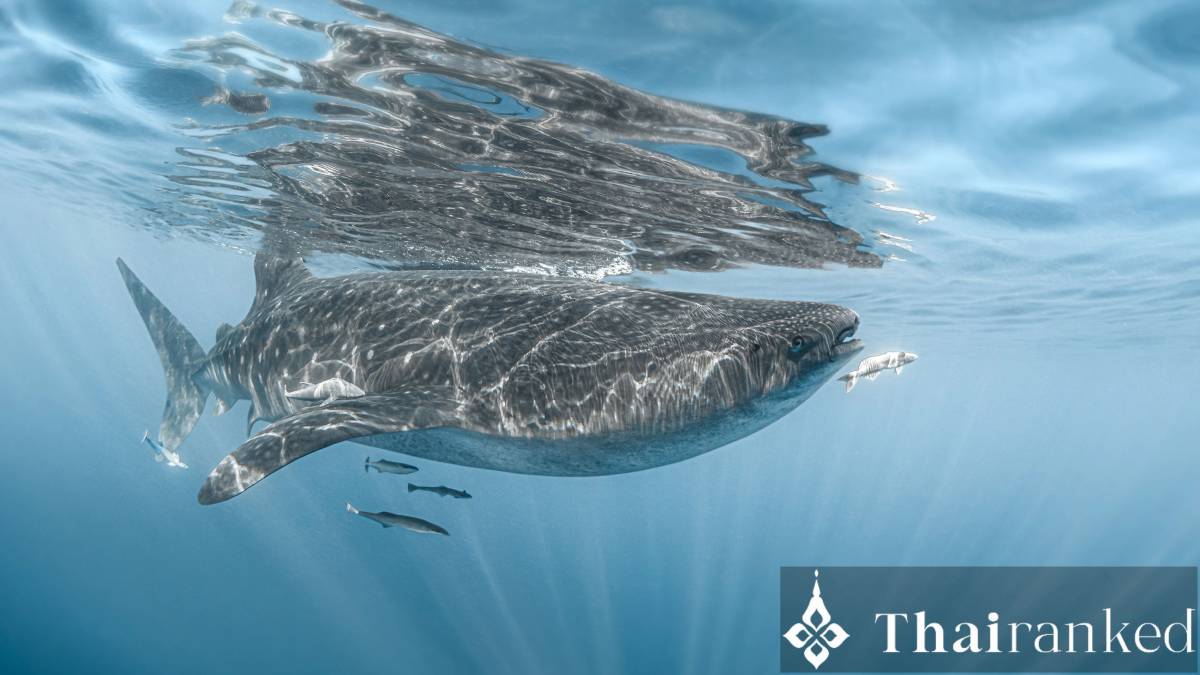
Koh Haa’s sheltered lagoon and cavern swim-throughs offer some of the Andaman’s best training grounds, perfect for dialing in buoyancy before heading to Hin Daeng/Muang. In March–April, plankton pulses through the channels and it is not unheard of for a juvenile whale shark to make an appearance, though mantas and vast schools are more common. The lagoon’s calm water suits Open Water students, while the Cathedral caverns are best for experienced divers in stable conditions. Expect clear briefings, easy entries, and relaxed profiles. It is a great choice for mixed-experience groups based on Koh Lanta who still want a slim chance at the big spotty guest.
Essential Information
Krabi / Offshore from Koh Lanta
9. Boonsung Wreck (Khao Lak)
Fish-filled wreck with surprise spring visitors
Highlight
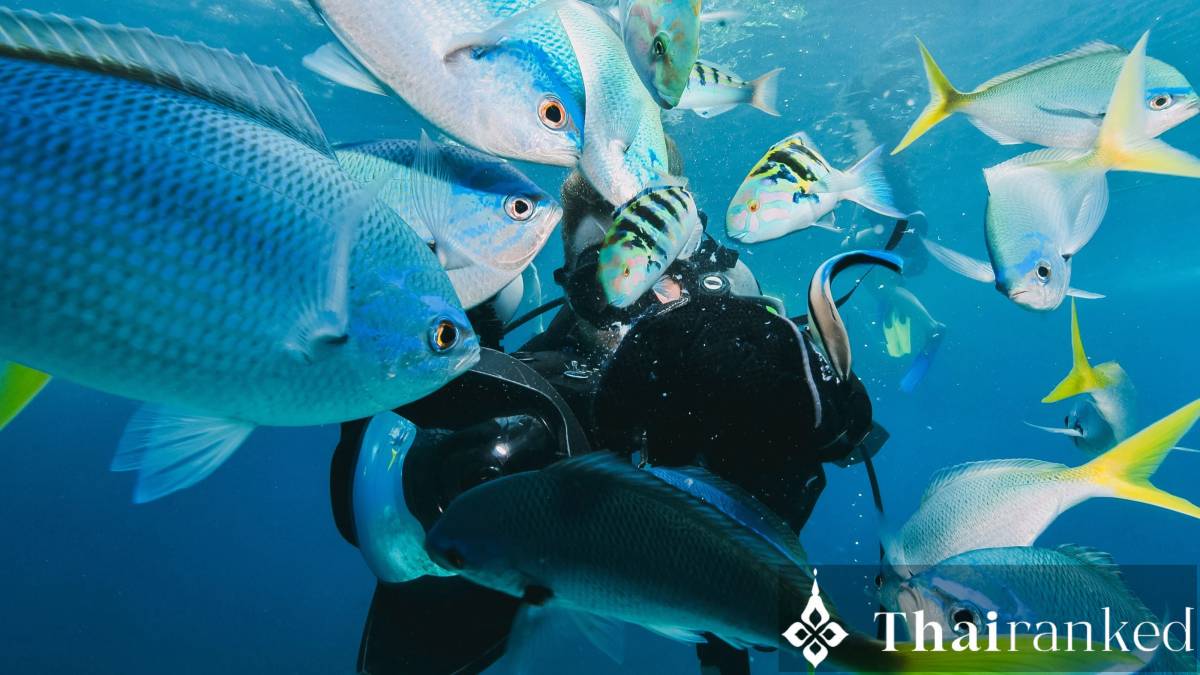
A fish-soup macro heaven off Khao Lak, the Boonsung Wreck rests around 18–20 meters and is blanketed in honeycomb morays, nudibranchs, and schooling snapper. Whale sharks occasionally swing by to feed in the nutrient-rich water during late season, turning an already great dive into a day to remember. Visibility can be modest and currents mild to moderate, but navigation is straightforward along the wreck’s broken sections. Advanced Open Water is preferred for comfort and extended profiles, though experienced Open Water divers can join with a guide. It is an excellent add-on before or after a Similan–Surin liveaboard, and a reliable choice when offshore seas are too bumpy.
Essential Information
Phang Nga / Off Khao Lak
10. Similan Islands (Elephant Head & Beyond)
Iconic boulders, blue water, and pelagic cameos
Highlight
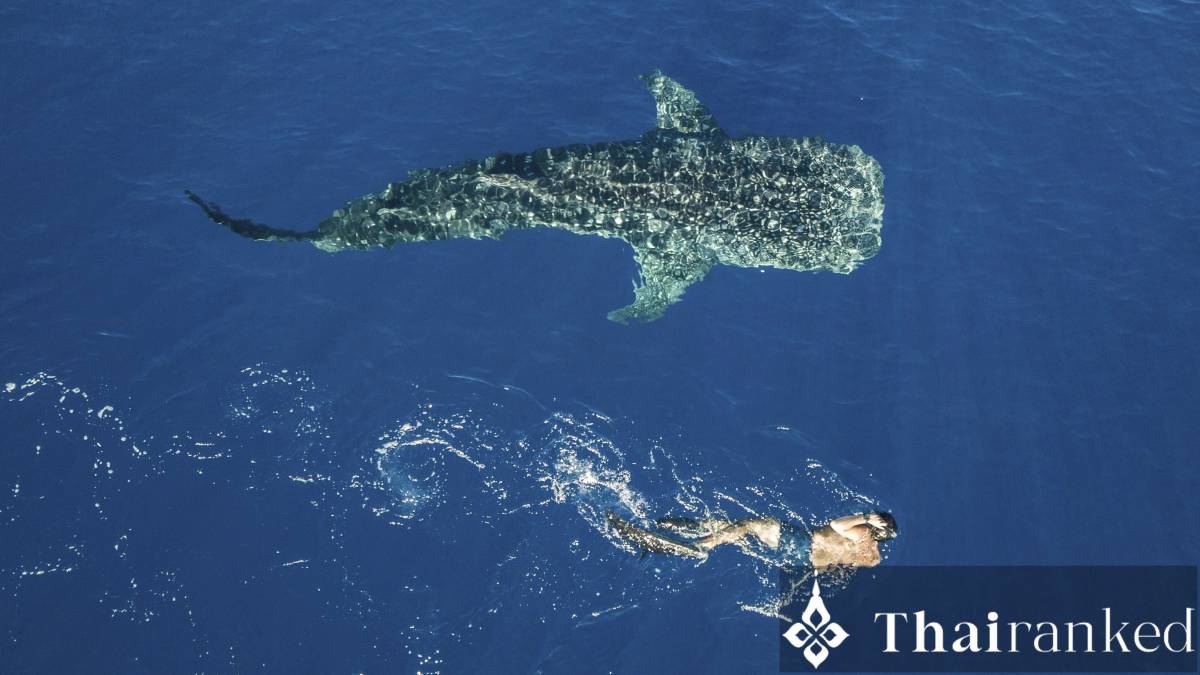
The Similan archipelago’s iconic granite boulders create swim-throughs, canyons, and dramatic seascapes with excellent visibility. While mantas and reef life are the main attractions, whale sharks do pass by, particularly in late season as plankton increases. Conditions vary by site: some are friendly to intermediates, others feature surges and strong currents that demand precise buoyancy and comfort with negative entries. Advanced Open Water, Nitrox, SMBs, and computers are recommended, and many sightings occur mid-water away from the rocks, so keeping an eye on the blue is key. Most divers experience the Similans via 3–4 night liveaboards departing Khao Lak or Phuket.
Essential Information
Phang Nga / Similan National Park
Missing a business you'd recommend?
Tell us who belongs on this list and our editors will review it.
Plan your Mar–May whale shark safari
To maximize sightings, aim for clear weather windows, pick operators with small groups and strong safety culture, and be flexible. AOW certification, recent dives to 25–30 meters, Nitrox, and carrying an SMB will open more sites and extend your bottom time. In the Andaman, Khao Lak liveaboards covering Similan–Surin (Koh Bon, Tachai, Richelieu) offer the best multi-day odds. In the Gulf, base on Koh Tao or Koh Phangan for Sail Rock and Chumphon Pinnacle when conditions are calm.
Remember, encounters are wild and never guaranteed. Focus on slow, respectful behavior, keep distance, and let the shark set the pace. You will still log unforgettable dives packed with mantas, schooling trevally, barracuda, and vibrant soft corals even on non-shark days. For seasonal context and park access, our note on why the Similan Islands are open is a useful read. If you are staging from Phuket, these affordable Phuket hotels make handy overnight bases before early boat departures.
Pack reef-safe sunscreen, seasickness tablets, a snug mask, and your computer and SMB. Choose boats with oxygen, radios, and clear briefings, and keep an eye on currents and thermoclines. With the right prep and mindset, Thailand’s whale shark season can deliver the dive trip of a lifetime.
by Thairanked Guide
Thairanked helps you discover great places in Thailand!
What people ask about
"Whale Shark Season Thailand: Best Dive Sites (Mar–May)"
Here you will find answers to the most popular questions about Thailand.
 Chat with us